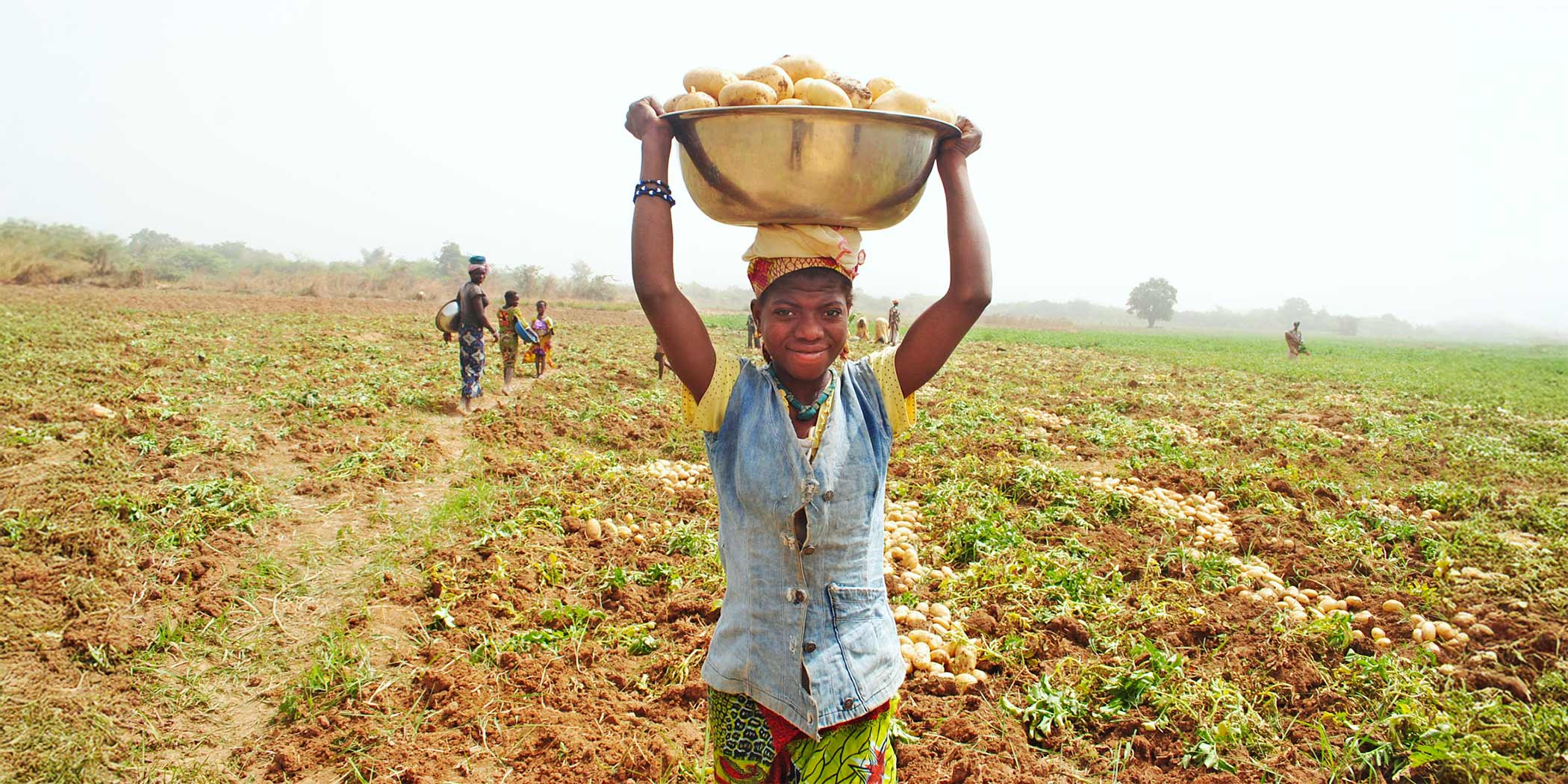
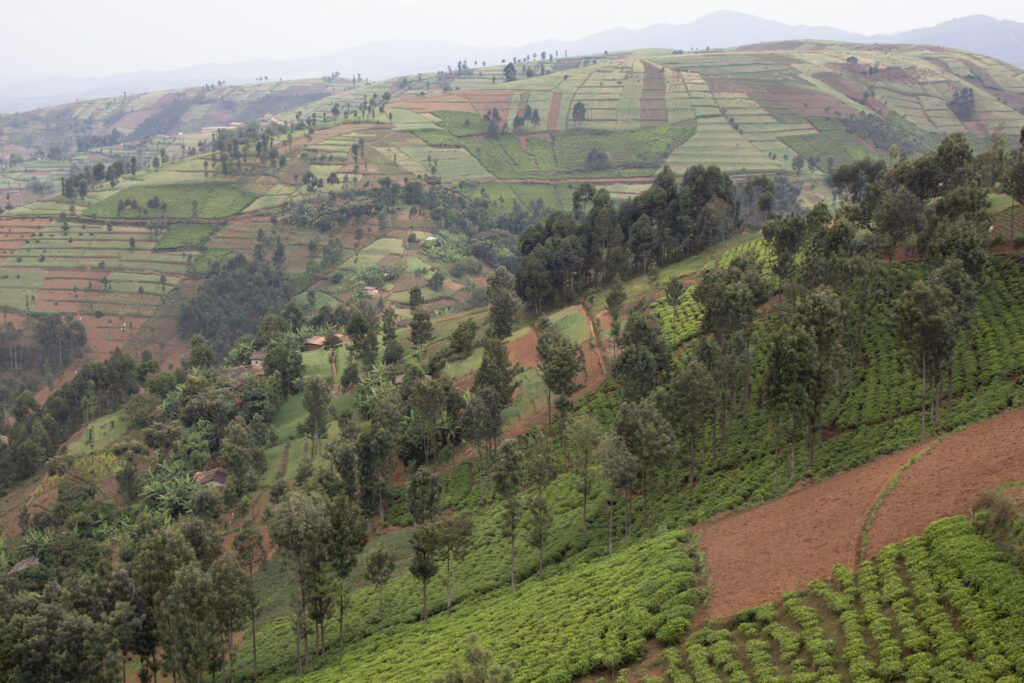
A major constraint Burundian farmers face is the nature of their soil: it generally has low water retention capacity, is predominantly acidic, and is relatively poor in organic carbon and major nutrients. Most of the territory in the Soil Fertility Stewardship Project (PAGRIS) intervention area is sloped and suffers from soil loss, which is exacerbated by increased exploitation of the soil by farmers using poor agricultural practices.
Overall, the integration of agroforestry systems demonstrates a powerful path toward ecological restoration, climate resilience, and improved livelihoods for rural households.
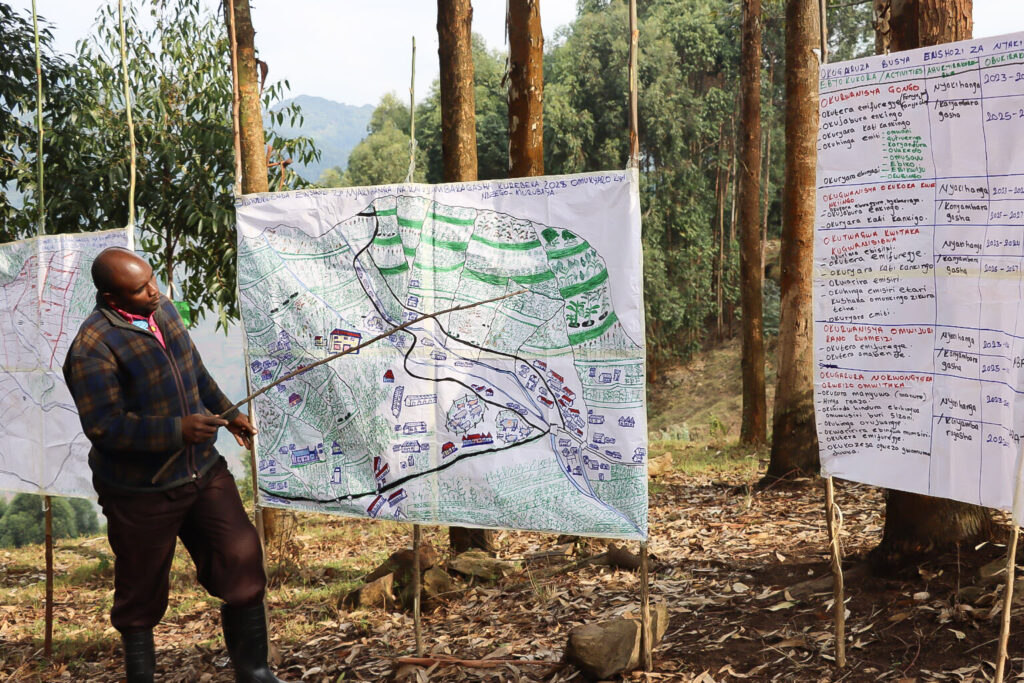
To address the problems of soil fertility loss, PAGRIS has adopted a participatory learning approach. This approach, commonly known as Participatory Integrated Planning (PIP), supports communities in conducting their own assessment of the ecological and environmental challenges affecting their production, planning for the medium term, and implementing activities in a participatory manner by learning from each other.
Based on the principles of intrinsic motivation, responsible behavior, and resilience, PIP promotes community dedication to sustainable activities that have an impact on all sites. One such activity that requires community-wide commitment is agroforestry.
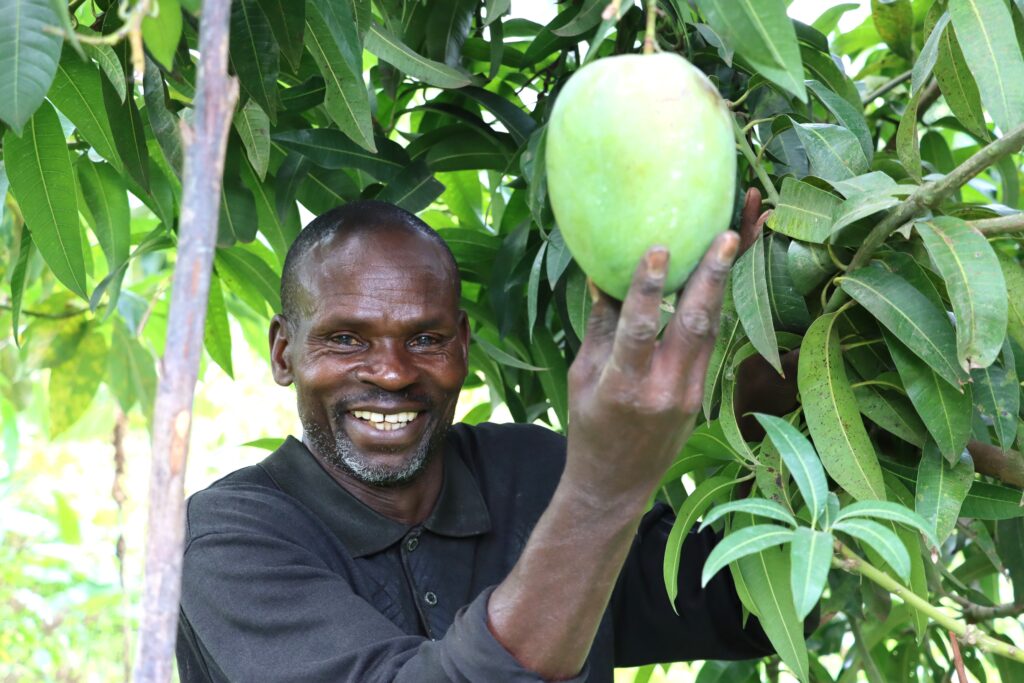
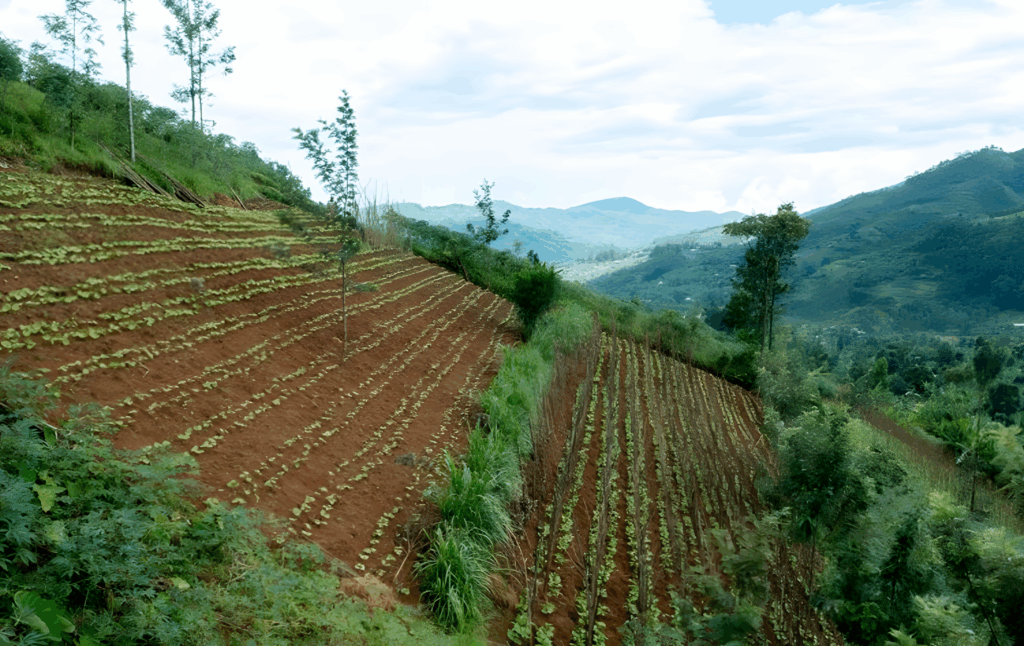
PAGRIS is enabling farming communities in Burundi to practice agriculture in conjunction with agroforestry as a sustainable, economical, and ecologically sound solution for maintaining and improving soil fertility and managing water. Seven species of trees have been propagated through community nurseries, planned and implemented by members of 755 soil fertility restoration sites supported by the project.
This method of propagating trees for agroforestry has encouraged production techniques that specifically aim to protect and restore soil fertility. Moreover, a study conducted by the project of the impact of agroforestry systems on ecology and the environment has revealed additional effects, including air cooling and enhanced biodiversity to strengthen ecosystem resilience, reduce pest outbreaks, and contribute to a more balanced agricultural environment.
This socioeconomic study, based on responses from PAGRIS participants, showed that the agroforestry systems developed in the project intervention area have a significant impact on the environment and ecology of farms in local micro-watersheds. For example, barrier hedges show the greatest impact on erosion control and the production of easily decomposable litter of all systems, while border trees are shown to have the most pronounced influence on air cooling.
Biodiversity enhancement is seen most prominently with combinations of trees and plants, creating more diverse habitats within agricultural landscapes. All these results have positive economic and social effects.
Deforestation in the PAGRIS intervention area is largely the result of overpopulation, the need for arable land, and the loss of soil fertility. Agroforestry has therefore proven to be an effective strategy for Burundian households and communities. In the coming days, PAGRIS will focus on diversifying agroforestry species, especially native ones that are more resistant to climate change.
Overall, the integration of agroforestry systems demonstrates a powerful path toward ecological restoration, climate resilience, and improved livelihoods for rural households. By combining community-led planning with species diversification and sustainable land management practices, PAGRIS is building the foundation for long-term soil health and environmental recovery across its intervention areas.
Continued support for participatory approaches such as PIP will be essential to strengthening community ownership and ensuring that the soil health benefits of these approaches endure for future generations.
PAGRIS is funded by the Embassy of the Kingdom of the Netherlands in Burundi and implemented by IFDC, together with Wageningen Environmental Research and national partner Twitezimbere. PAGRIS is set to continue its activities in improving Burundian soil through December 2026.