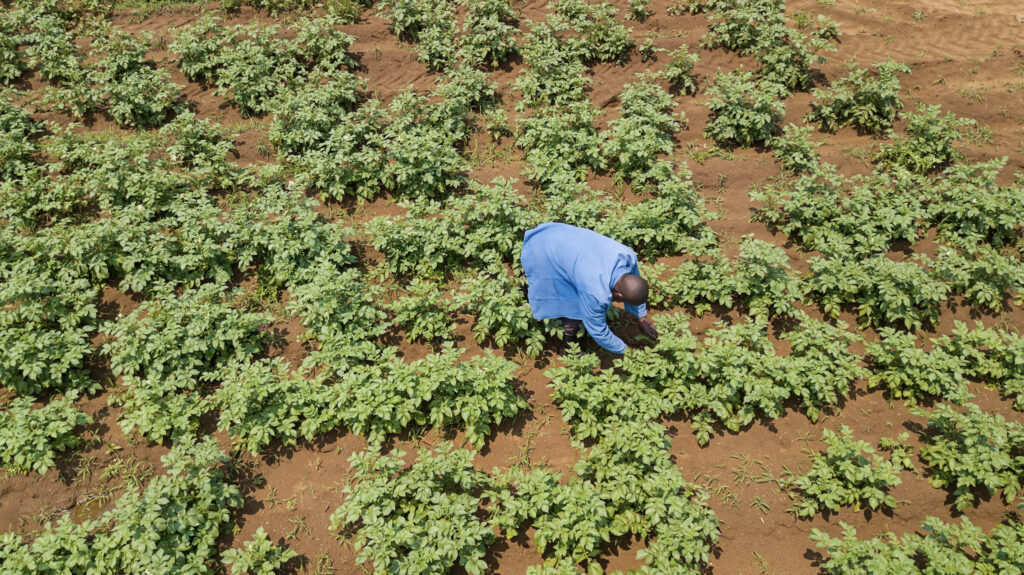
Environmental concerns, such as greenhouse gas emissions, exert pressure on many sectors, especially agriculture. It is sometimes argued that simply reducing fertilizer use will ease such pressures, but the reality is more nuanced and varies by geographic and agronomic context.
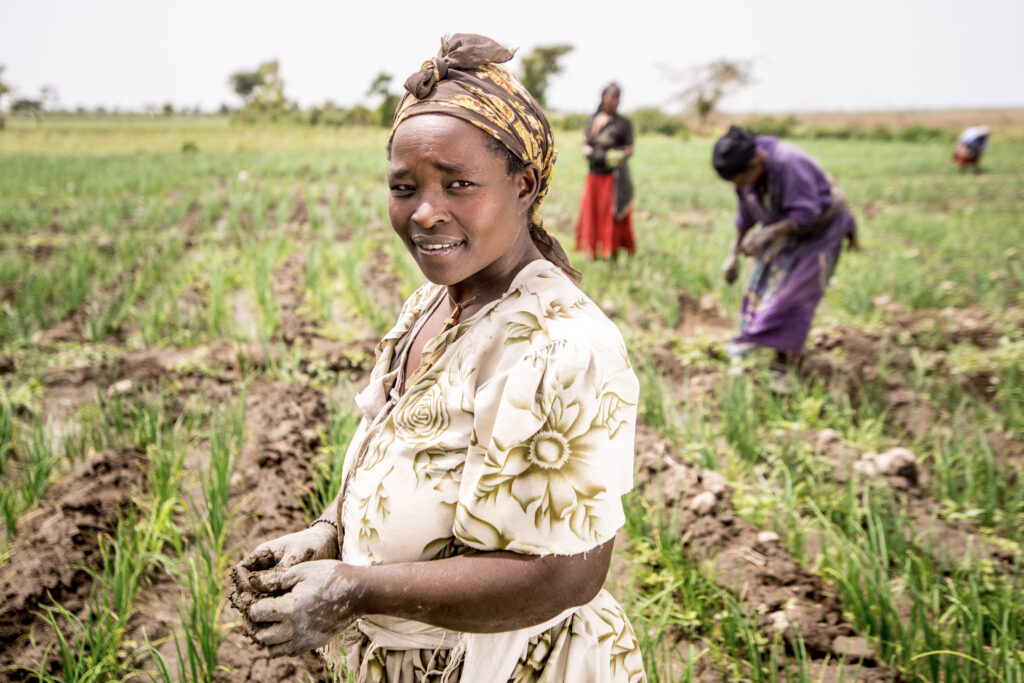
In fact, many parts of sub-Saharan Africa (SSA) face critical challenges–such as low crop yields, decreasing soil fertility, and food insecurity–due to the underutilization of fertilizer. Studies consistently show that fertilizer application in SSA averages roughly 15 to 20 kilograms of nitrogen per hectare, amounts which are among the lowest in the world.1
Although lowering the already minimal fertilizer use in SSA would slightly reduce emissions from fertilizer application, it would also drive land expansion, including deforestation, to maintain or boost crop yields, ultimately increasing net emissions. This relationship between low-input systems and land expansion has been well documented in previous analyses of African cereal systems.2
Increasing fertilizer application alone is not the answer; rather, the focus should be on better use and following proven approaches to increase soil health.
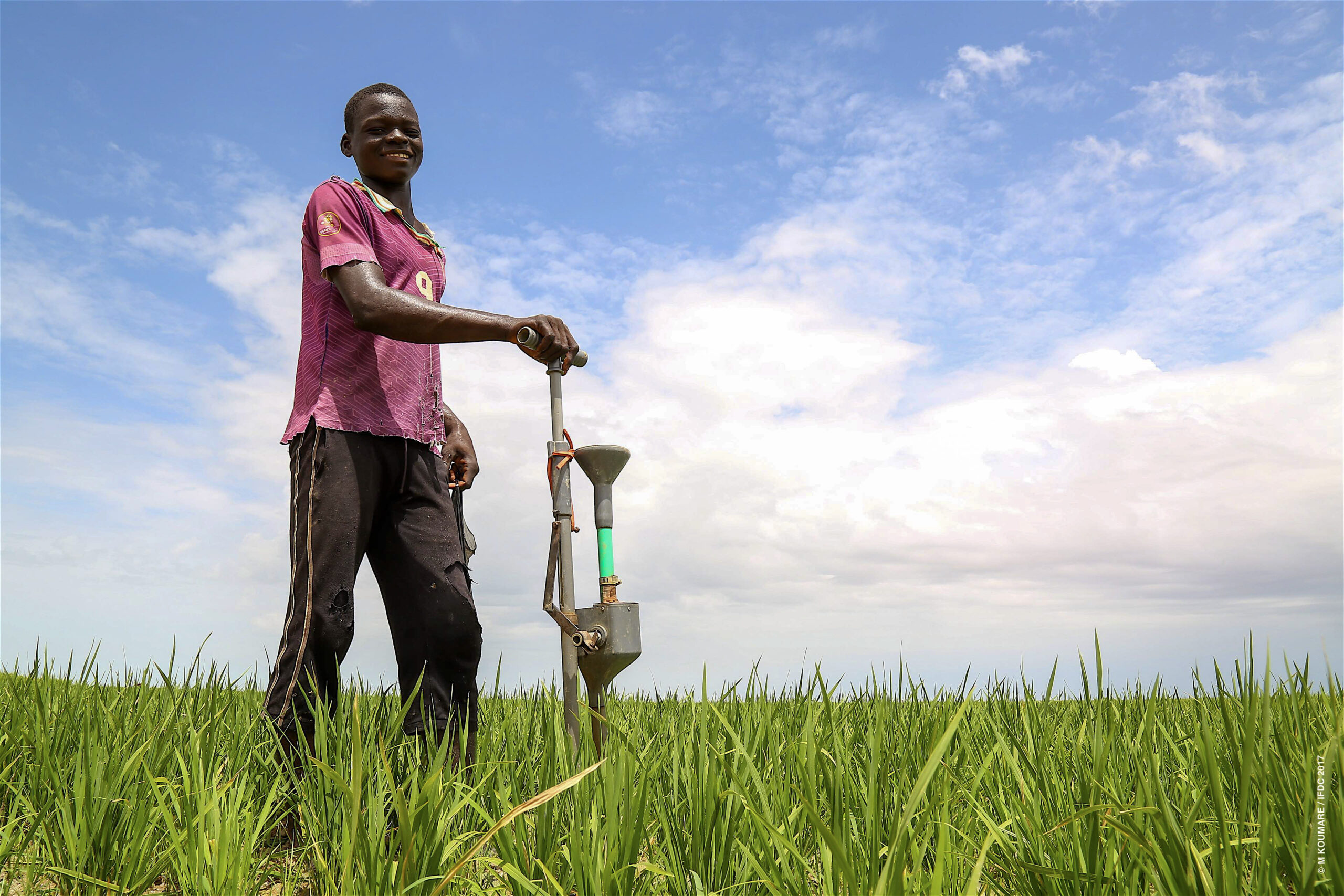
Rather than reducing or eliminating fertilizer use, our forthcoming analysis points to a more constructive path.3 Judicious and efficient fertilizer application can rebuild soil health, boost crop productivity, nourish more people, and help curb environmental impacts, supporting a healthier, more sustainable future for SSA’s farming landscapes.
Increasing fertilizer application alone is not the answer; rather, the focus should be on better use and following proven approaches to increase soil health. Because smart fertilizer management spares land, protects forests, and reduces emissions, every single kilogram of efficiently used nutrients protects biodiversity and the climate.
Well-managed fertilizer use is therefore a climate strategy, not a climate problem.
In reality, the judicious use of fertilizer, concentrated on the health of the soil and the nutrition of the plant, will allow SSA to feed the sub-continent without expanding into natural ecosystems. This focus on soil health is the bridge between productivity and sustainability. This perspective aligns with well-established principles of sustainable intensification.4
Identifying the Problem
Soil degradation is a serious problem in SSA, and many farmers are expanding their farmland as a result. But an improved understanding of fertilizer use could address these issues.
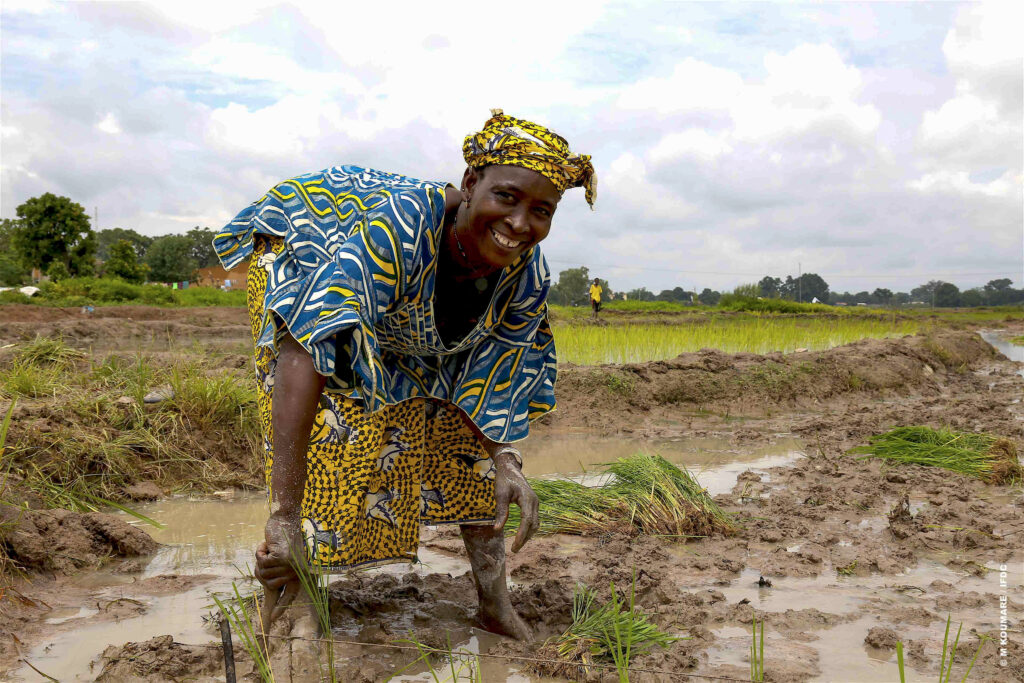
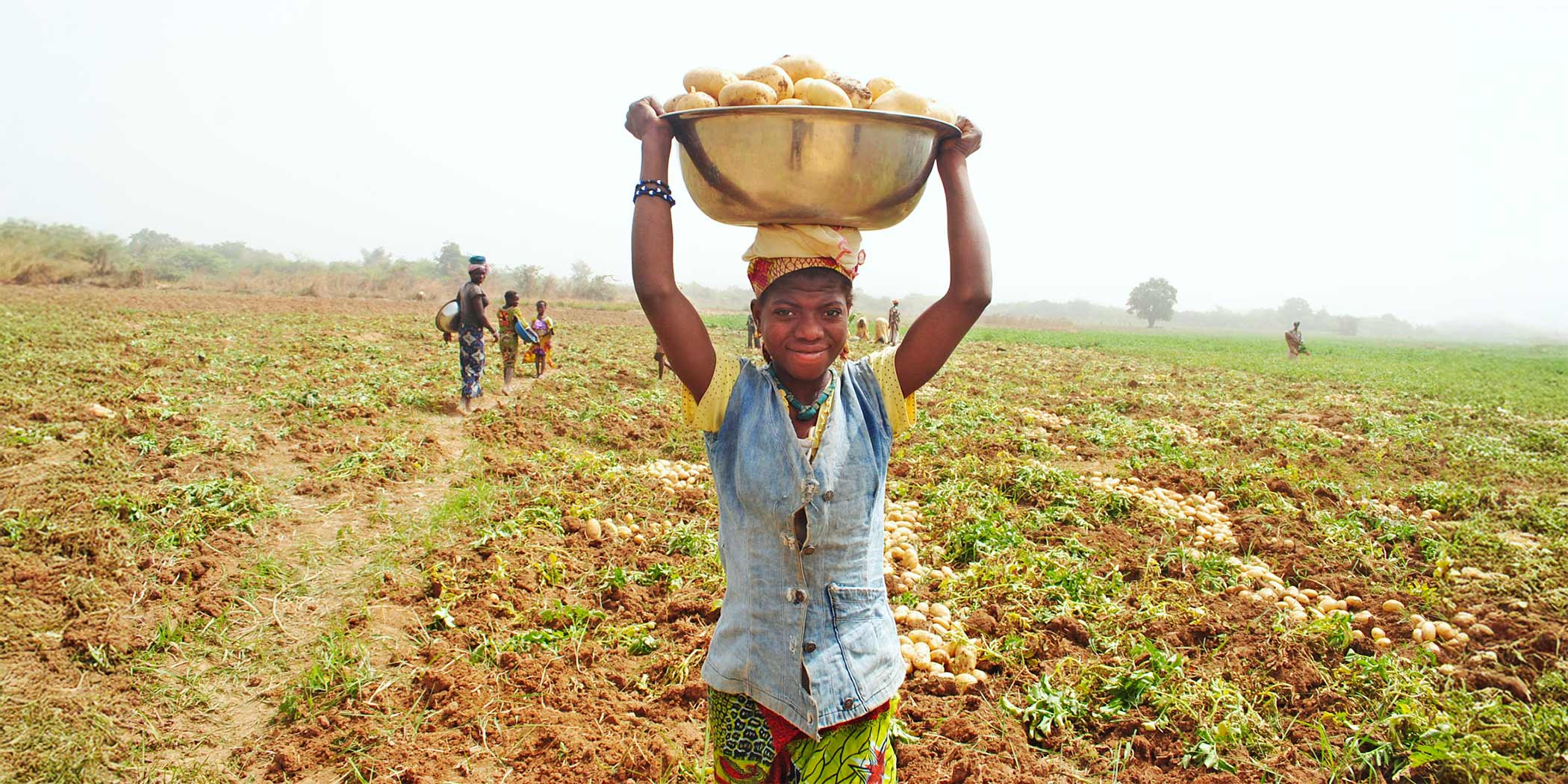
The typical fertilizer application rate for farmers in SSA – less than 20 kilograms of nitrogen per hectare – is far below global agronomic needs. Yields below 2.5 tons per hectare across major cereals are widely reported.5 Such yields are far below potential. Without improvements in soil fertility, and therefore in fertilizer use, meeting the challenge of feeding a growing population of around 10 billion people by 2050 would require up to 60% more cropland; this would mean expanding from about 136 million hectares to around 220 million hectares or more.
Previous modeling studies show similar expansion requirements under business-as-usual scenarios.2,6 While land expansion itself is a major issue, the source of this new farmland is even more troublesome: Much of it would come from forests and savannas, releasing massive carbon stocks and accelerating biodiversity loss. Therefore, the underuse of fertilizer is a silent driver of deforestation and climate emissions.
Understanding the Solution
Efficient fertilizer use is the solution to avoiding further deforestation and increased greenhouse gas emissions. When used responsibly and on responsive soils, fertilizer can raise yields by four to five times compared to current nutrient-starved conditions. Yield-response meta-analyses frequently find yield improvements from 50% to 300% when nutrients are applied to depleted soils.5,7
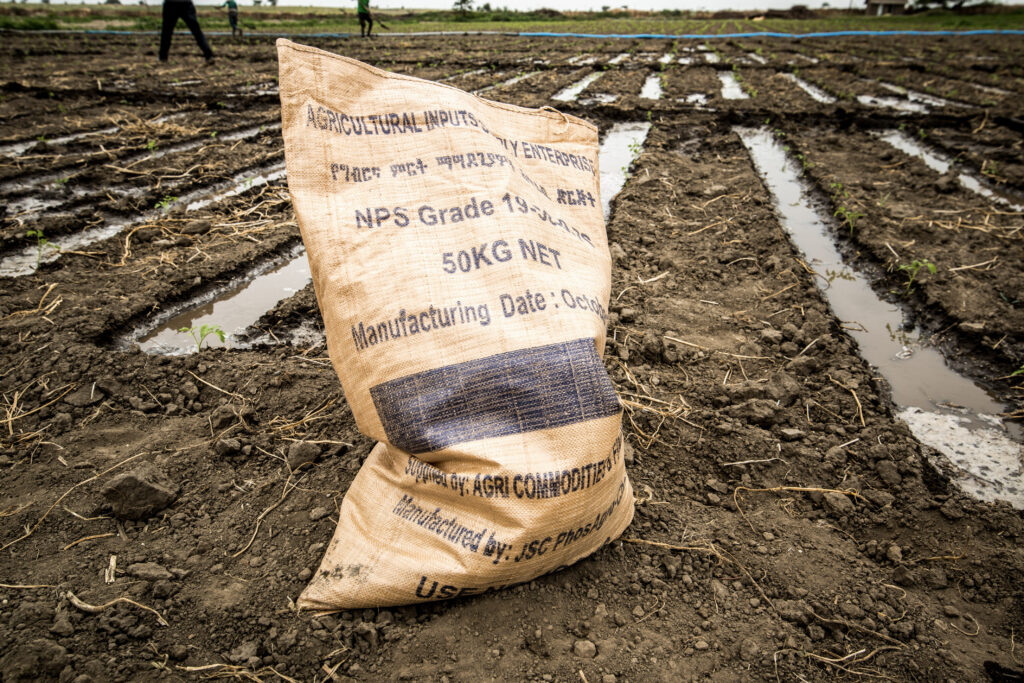
With adequate nutrients applied to the soil through fertilizer, future food demand would only require a quarter of the farmland that was estimated to be needed under current conditions, representing more than 150 million hectares of land spared.
Improving nutrient recovery efficiency, which measures the amount of applied fertilizer that is taken up by the crop, is another key aspect of this solution. For example, increasing nutrient uptake from around 20% to roughly 50% can deliver similar land-sparing gains while requiring lower volumes of fertilizer.
Global syntheses demonstrate that improved nutrient management can substantially raise nitrogen recovery efficiency.8 Efficiency and soil targeting can be as impactful as higher fertilizer rates, while reducing waste and protecting ecosystems.
The Climate Pay-Off
Avoiding cropland expansion could prevent hundreds of millions of tons of carbon dioxide-equivalent emissions per year; this is one of the most significant agricultural climate mitigation opportunities globally. While it is undeniable that fertilizer use generates modest nitrous oxide emissions, these are far outweighed by the carbon emissions avoided when forests and grasslands remain intact.
Intergovernmental Panel on Climate Change (IPCC) guidance shows that nitrous oxide emissions from applied nitrogen are small relative to carbon dioxide from deforestation.9 Well-managed fertilizer use is therefore a climate strategy, not a climate problem.
The Principle of Judicious Fertilizer Use
Smart fertilizer use is rooted in proven approaches, including:
- Integrated Soil Fertility Management (ISFM) – a set of practices related to cropping, fertilizers, organic resources, and other amendments on smallholder farms to increase production and input use efficiency.
- The 4Rs of Nutrient Stewardship – Using the right source of fertilizer at the right rate, right time, and right place.
- The 8R Framework for Enhanced Soil Health, Plant Nutrition, Sustainable Agriculture, and Health – an expansion of the 4Rs of Nutrient Stewardship that also includes recycling (closing nutrient loops), rebuilding (soil capital), recording (data, a knowledge-driven approach), and resilience (climate and market systems).
- Directing nutrients to high-potential, responsive soils – a targeted approach that ensures limited fertilizer resources are used where they will generate the highest returns and restore productivity.
- Combining mineral fertilizers with organic matter and good agronomy – a balanced soil fertility solution that improves nutrient availability, soil health, and long-term resilience.
- Strengthening markets, credit, extension, and input quality systems so farmers can use nutrients efficiently, not excessively – a systems-level solution that equips farmers with reliable inputs, knowledge, and financial access to apply fertilizers effectively while reducing waste and environmental pressure.
These principles help ensure that fertilizers restore soils while safeguarding the environment.
Soil Health and Sustainability
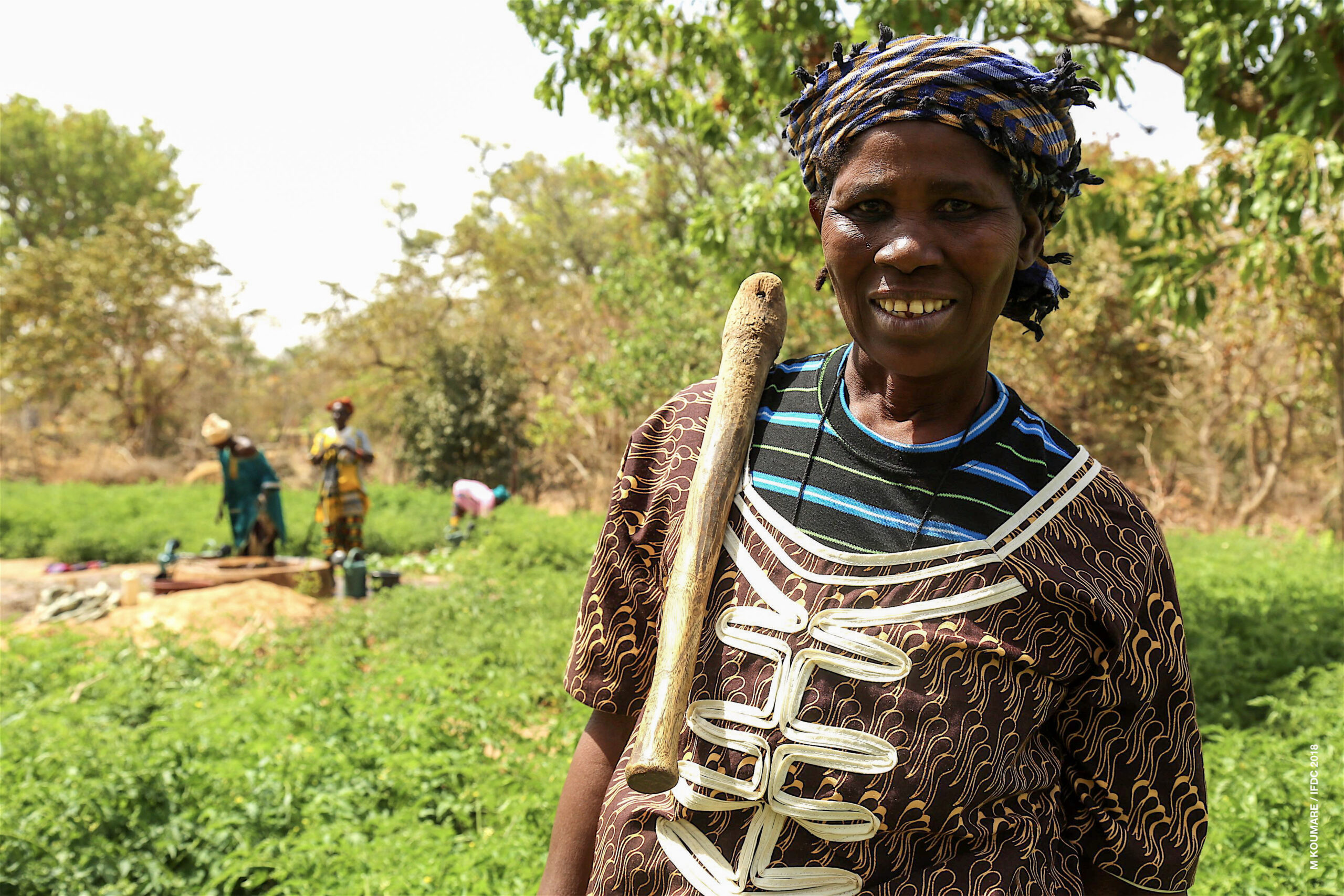
Decades of nutrient depletion have eroded soil health across SSA, and reviews of African soil systems consistently highlight nutrient depletion as a dominant constraint on crop productivity.10 Proper fertilizer use benefits both depleted soils and healthy soils in several ways: it improves soil fertility, decreases land conversion, makes production more climate-resilient, and increases food security.
Efficient fertilizer use is also central to achieving many of our planetary goals, including Sustainable Development Goals (SDGs) 2 (Zero Hunger), 13 (Climate Action), and 15 (Life on Land).
Efficient and judicious fertilizer use as a strategic agricultural practice is a powerful lever for sustainability in SSA. By embracing smart nutrient management, farmers can dramatically increase yields on existing farmland, protect forests, conserve biodiversity, and reduce greenhouse gas emissions.
The solution is clear: we must move beyond the misconception that using less fertilizer is a net benefit for the environment. Instead, targeted, responsible nutrient use, guided by principles such as ISFM and the 4R and 8R frameworks, can restore soils, strengthen food systems, and safeguard the climate.
The path forward is one where soil health, productivity, and environmental stewardship go hand in hand. By nourishing the land wisely today, we can feed a growing population tomorrow without sacrificing forests, grasslands, and ecosystems that sustain life on our planet. Fertilizer use is not a compromise between people and the environment; it is the bridge that unites them.
- Chianu, J.N., Chianu, J.N., and Mairura, F. Mineral fertilizers in the farming systems of sub-Saharan Africa. A review. Agron. Sustain. Dev. 32, 545566 (2012). ↩︎
- Van Ittersum, M.K. et al. Can sub-Saharan Africa feed itself? Proc. Natl. Acad. Sci. U.S.A. 113, 1496414969 (2016). ↩︎
- Pierre et al., in review. ↩︎
- Smith, J. et al. Community-based research supports more just and equitable industrial decarbonization. Nat. Commun. 16, 8239 (2025). ↩︎
- Vanlauwe, B. et al. Agronomic use efficiency of N fertilizer in maize-based systems in sub-Saharan Africa within the context of integrated soil fertility management. Plant Soil 339, 3550 (2011). ↩︎
- Van Loon, M.P. et al. Impacts of intensifying or expanding cereal cropping in sub‐Saharan Africa on greenhouse gas emissions and food security. Global Change Biology 25, 3720–3730 (2019). ↩︎
- Chivenge, P. et al. Replication Data for: Progress in research on site-specific nutrient management for smallholder farmers in sub-Saharan Africa. Harvard Dataverse, https://doi.org/10.7910/DVN/2HARZU (2022). ↩︎
- You, L. et al. Global mean nitrogen recovery efficiency in croplands can be enhanced by optimal nutrient, crop and soil management practices. Nat. Commun. 14, 5747 (2023). ↩︎
- IPCC. 2019 Refinement to the 2006 IPCC Guidelines for National Greenhouse Gas Inventories. (2019). ↩︎
- Dimkpa, C. et al. Fertilizers for food and nutrition security in sub-Saharan Africa: An overview of soil health implications. Front. Soil Sci. 3, 1123931 (2023). ↩︎