Across West Africa, inorganic and organic fertilizers are a lifeline for food production, livelihoods, and national economies. This is why the West Africa Committee for Fertilizer Control (WACoFeC) continues to act as one of the region’s most important mechanisms for ensuring fertilizer quality, which supports regional trade, farmers’ earnings, and food security.
Established under the Economic Community of West African States (ECOWAS) Fertilizer Regulations in 2023, WACoFeC brings together technical representatives from all ECOWAS member countries to
- harmonize regional fertilizer regulation,
- protect farmers from substandard and adulterated products,
- strengthen national regulatory systems,
- improve transparency and regional fertilizer trade,
- and ensure private sector confidence in fertilizer markets.
In practical terms, WACoFeC exists to ensure that West African farmers can trust the fertilizers they buy. When fertilizers are poor quality, farmers lose money, harvests drop, and food security weakens; however, when fertilizer quality is assured and standards are coordinated across borders, farmers, traders, and entire economies benefit.
“By strengthening WACoFeC, we are strengthening the foundation of agricultural productivity in the region.”
Dr. Gle Koffi Emmanuel, Senior Programs Officer at the ECOWAS Department of Economic Affairs and Agriculture
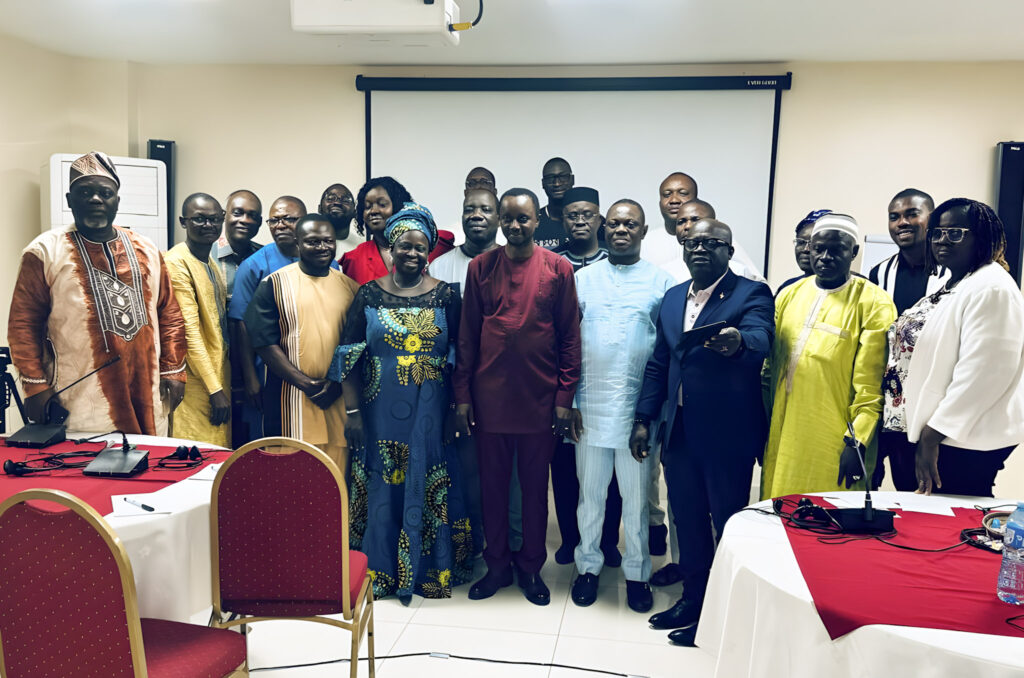
At WACoFeC’s third statutory meeting, held November 26-28 in Abuja, Nigeria, IFDC joined ECOWAS, the West African Economic and Monetary Union (UEMOA), the Permanent Interstate Committee for Drought Control in the Sahel (CILSS), and WACoFeC member-state representatives to review progress, identify implementation gaps, and collectively re-strategize for the year ahead.
The meeting addressed the challenges facing the sector and underscored the growing determination across West Africa to strengthen fertilizer regulation for the benefit of farmers and food systems.
During the meeting, each ECOWAS member state presented updates on activities implemented since the last statutory session in 2024. While some member states reported progress, a common challenge emerged: most member states were unable to fully implement planned activities due to funding gaps arising from the withdrawal of United States Agency for International Development (USAID) support in 2025.
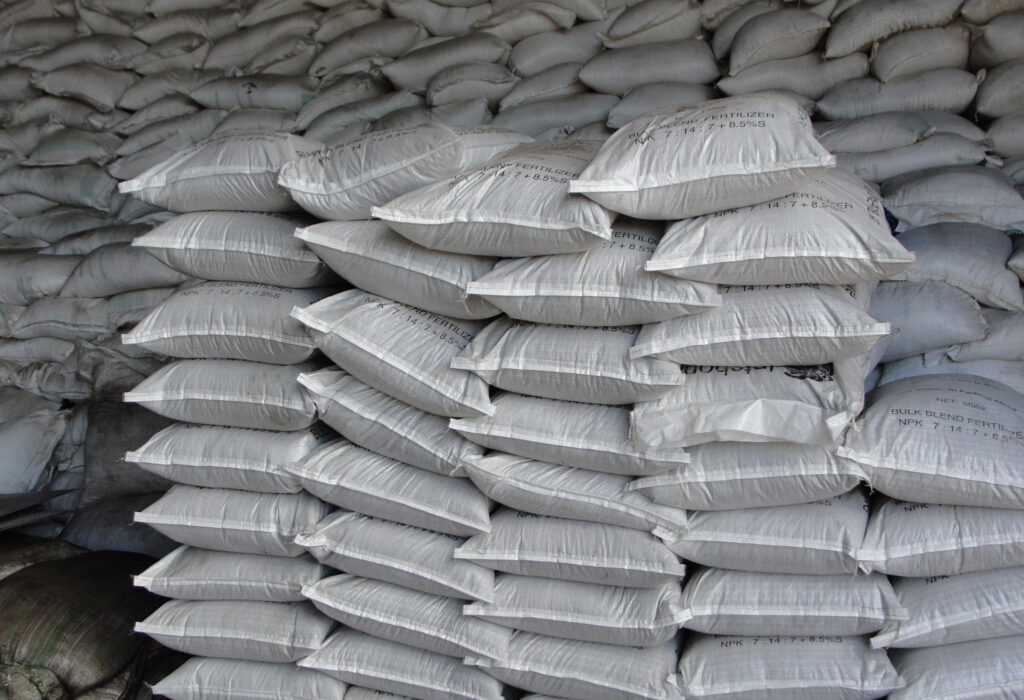
These constraints slowed down essential regulatory work such as field inspections, laboratory testing, and capacity building—efforts directly linked to the quality of fertilizers reaching farmers.
Yet in a notable show of leadership, ECOWAS demonstrated its support for fertilizer governance in the region by stepping in to bridge part of the funding gap to ensure continuity of WACoFeC’s work.
Dr. Gle Koffi Emmanuel, Senior Programs Officer at the ECOWAS Department of Economic Affairs and Agriculture, discussed the importance of quality control for both organic and inorganic fertilizers to food sovereignty and security in West Africa, indicating that ECOWAS and its partners are working to ensure that WACoFeC effectively and efficiently maintains its role.
“By strengthening WACoFeC, we are strengthening the foundation of agricultural productivity in the region,” declared Dr. Emmanuel. His remarks highlighted the central role of fertilizer regulation in driving food production, resilience, and trade across West Africa.
As a long-standing partner to ECOWAS and its member states, IFDC also reaffirmed its dedication to supporting WACoFeC through sustained technical expertise.
Dr. Cheick Sadibou Fall, IFDC’s Acting Director for Enabling Impact, observed, “Our commitment is to ensure that farmers in West Africa have access to safe, high-quality fertilizers that increase yields and incomes. IFDC will continue to provide the technical leadership required to help countries operationalize and harmonize fertilizer regional regulation.”
Dr. Fall emphasized that despite shifts in donor funding, IFDC remains committed to building sustainable and strong regulatory frameworks that protect farmers and strengthen regional food systems.
He further explained that for millions of West African farmers, the work done in meetings like this translates into real, everyday impact that protects farmers from financial loss, reduces the prevalence of adulterated fertilizers, ensures trustworthy inputs, and ultimately improves food security.
By the end of its third statutory meeting, WACoFeC members had confirmed that, despite the funding challenges of this year, the committee will adapt and advance its efforts to positively shape farmers’ productivity, incomes, and long-term resilience.