In a bid to avert a looming fertilizer crisis, IFDC, Sustain Africa, and AfricaFertilizer are pleased to announce the advancement of a collaboration with the African Union Commission to establish a coordinated, continent-wide response mechanism aimed at safeguarding food security across Africa. In parallel, we have reinstated the Global Fertilizer Crisis Response Group, underscoring our shared commitment to coordinated action on fertilizer access, food security, and agricultural resilience.
Drawing from Sustain Africa’s lessons1 from COVID-19 and the global fertilizer disruptions of 2021-2022, three factors are critical: speed in decision-making and execution; access to timely, credible, and actionable data; and strong partnerships grounded in trust, shared responsibility, and a clear focus on results. These elements are no longer optional – they are essential to effectively respond to fertilizer and broader food system shocks.
We invite partners across the public, private, and development sectors to join us in shaping solutions that are practical, scalable, and impact driven.
For collaboration inquiries, please contact Sustain Africa at the link below:
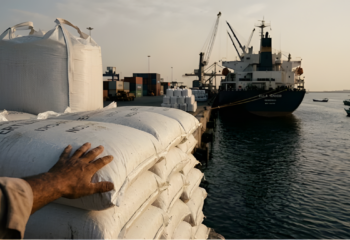
The escalation of the Israel–U.S.–Iran war is disrupting trade and shipping routes across the Middle East, particularly through the Strait of Hormuz, a critical corridor for global energy and fertilizer exports. Global energy markets have reacted sharply, with Brent crude approaching $120 per barrel2 in the second week of March, raising concerns about rising transport and input costs worldwide.
Fertilizer markets have responded rapidly to the escalation. Within the first week, the average free on board (FOB) price of urea increased by about 37% as traders reacted to supply uncertainty. By the second week, prices had climbed further to around $715 per metric ton, representing an increase of about 45% compared to pre-escalation levels.
Other fertilizers are also beginning to adjust upward. Monoammonium phosphate (MAP) and diammonium phosphate (DAP) prices have risen by about 8%, while muriate of potash (MOP) from the Baltic region has increased by approximately 11%.
For African countries that rely heavily on fertilizer imports, these developments come at a particularly sensitive moment.
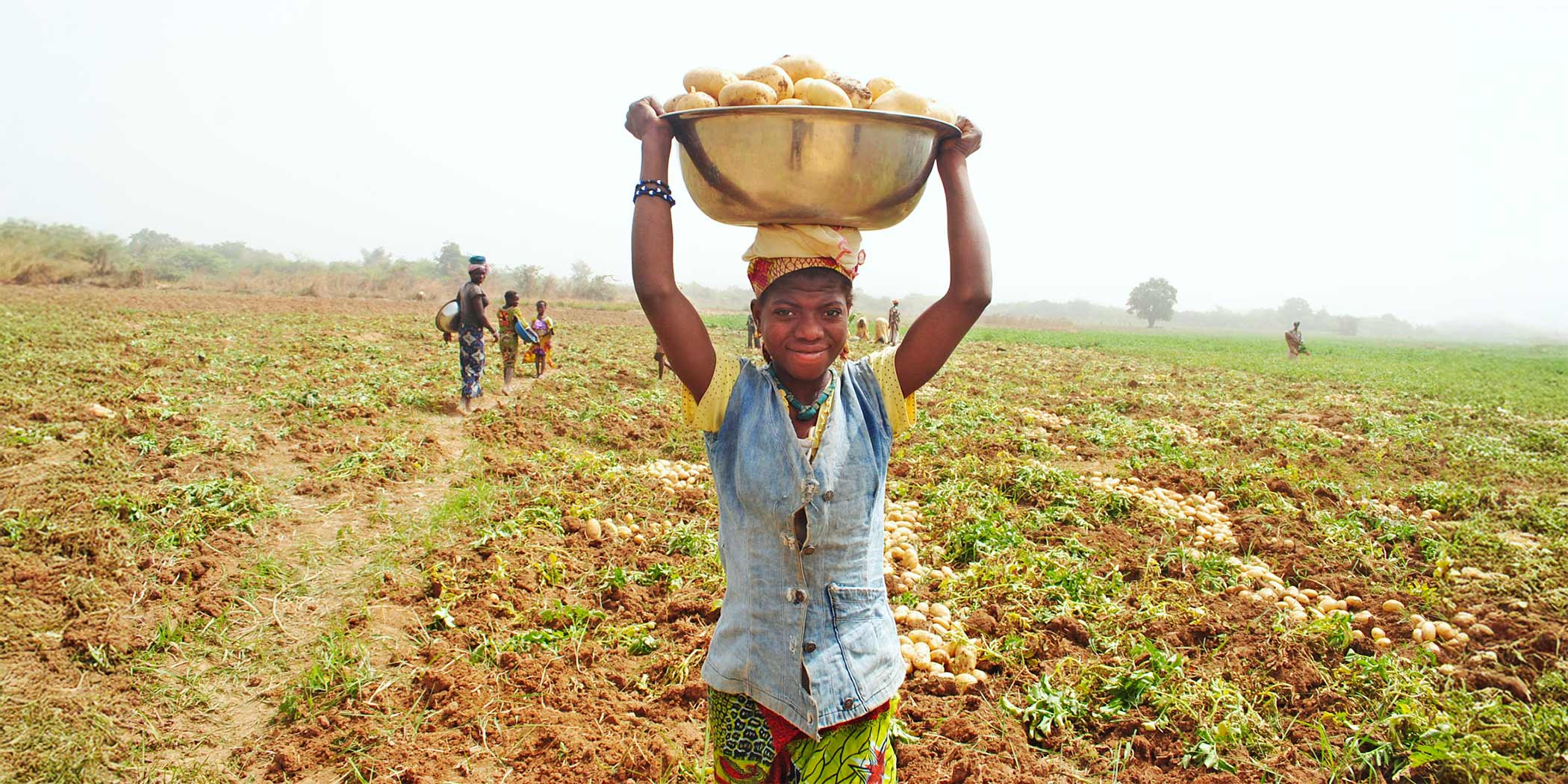
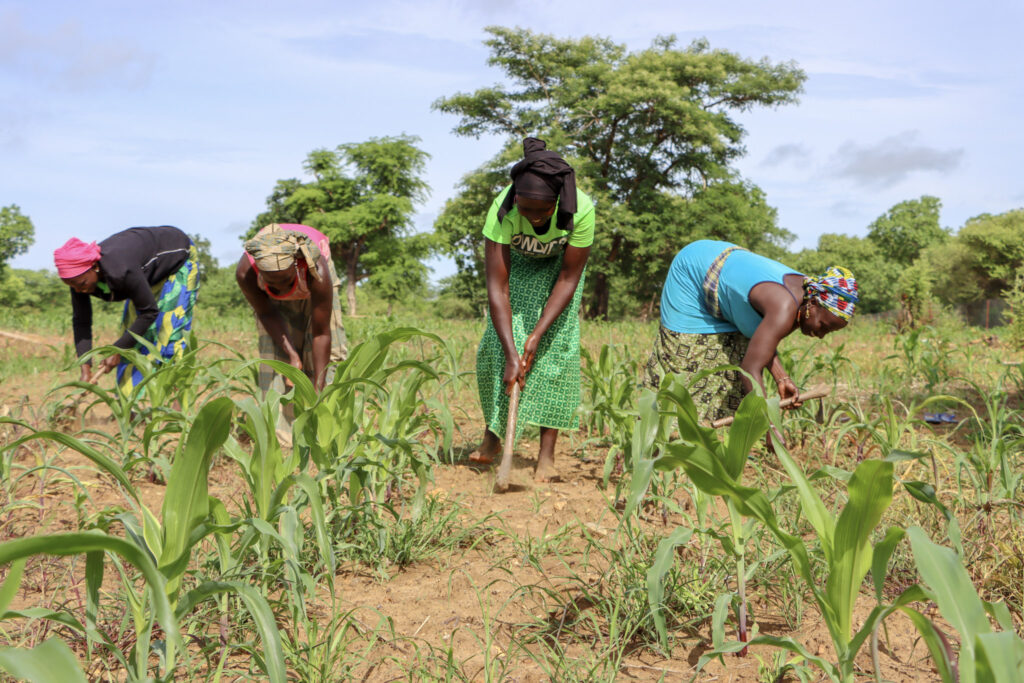
Between now and July, many African countries will be entering their main planting seasons, when fertilizer demand typically peaks.
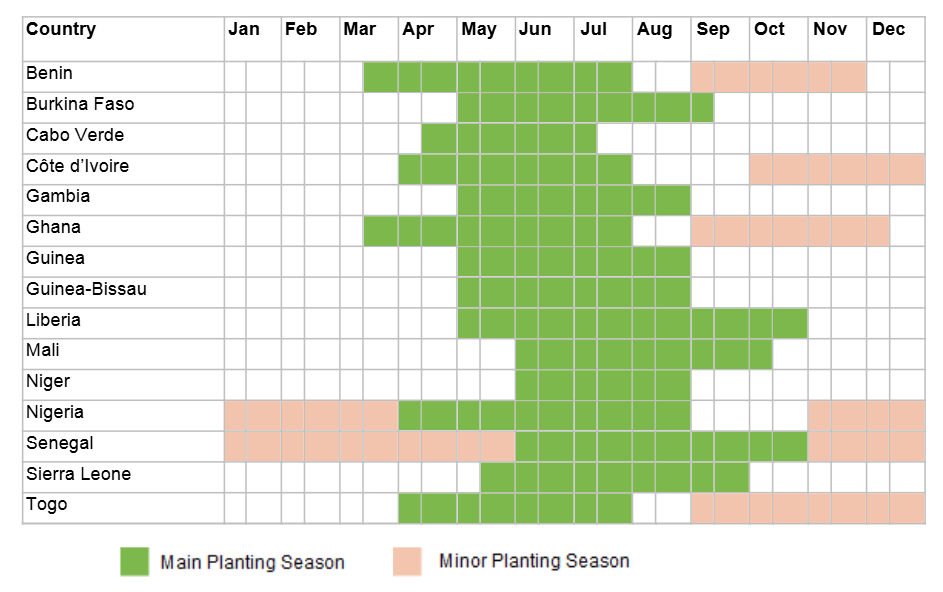
The risk is highest in West Africa, where most countries are entering their primary rainy season and require fertilizers to already be in-country or moving through supply chains.
Central Africa faces similar exposure, with countries such as Cameroon, Central African Republic, Chad, Congo, Democratic Republic of Congo, and São Tomé and Príncipe approaching their main cropping season during this period.
In East Africa, the situation is mixed. Burundi, Kenya, and Uganda are already in their planting season, while Seychelles and Somalia are expected to begin in April-May, followed by Eritrea, Ethiopia, and Sudan in June-July.
In contrast, Southern Africa is largely in the harvesting phase following planting in September-October, with only minor seasons beginning in a few countries such as Malawi, Mozambique, South Africa, and Zimbabwe.
North Africa faces limited short-term risk, except for Mauritania, which is in the northwestern part of the continent, where the main planting season is expected to begin around July.
These seasonal dynamics highlight the urgency of ensuring fertilizer availability in the coming months, particularly in West, Central, and parts of East Africa where planting is imminent or already underway. Coordinated support from governments and international partners will be essential to stabilize fertilizer supply chains, maintain affordability for farmers, and prevent disruptions to the 2026 cropping season across the continent.
Sources:
1. Sustain Africa – Learning Agenda https://sustainafrica-initiative.org/#Why-Sustain
2. AfricaFertilizer – Crop Calendars and Fertilizer Market Information https://africafertilizerwatch.org
Crop Monitor for Early Warning – Crop Monitor Report No. 113 https://reliefweb.int/report/world/crop-monitor-early-warning-no-113-march-2026
Famine Early Warning Support Systems Network (FEWS NET) – East Africa Food Security Monitoring https://fews.net/east-africa
Food and Agriculture Organization – Global Crop Calendar https://cropcalendar.apps.fao.org/#/home
Food and Agriculture Organization of the United Nations – Global Information and Early Warning System (GIEWS) Country Briefs https://www.fao.org/giews/countrybrief/index.jsp
Food and Agriculture Organization of the United Nations – FAO Country Profile Reports http://fao.org/member-countries/en/
International Fertilizer Association – Fertilizer Use by Crop Database https://www.ifastat.org/consumption/fertilizer-use-by-crop
United Nations Framework Convention on Climate Change (UNFCCC) – National Communications https://unfccc.int/sites/default/files/resource/Comoros%20INC_Exec.%20Summary_English.pdf
Disclaimer
This analysis is based on information compiled from multiple publicly available sources and market intelligence. While every effort has been made to verify the accuracy of the information, the authors and publishers accept no liability for any loss, damage, or disruption caused by errors, omissions, or the use of this information.