The next fertilizer crisis is inevitable.
Whether it becomes a food crisis depends on what we invest in now.
A Global Shock Reaches Africa’s Fields
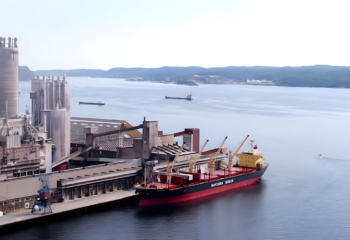
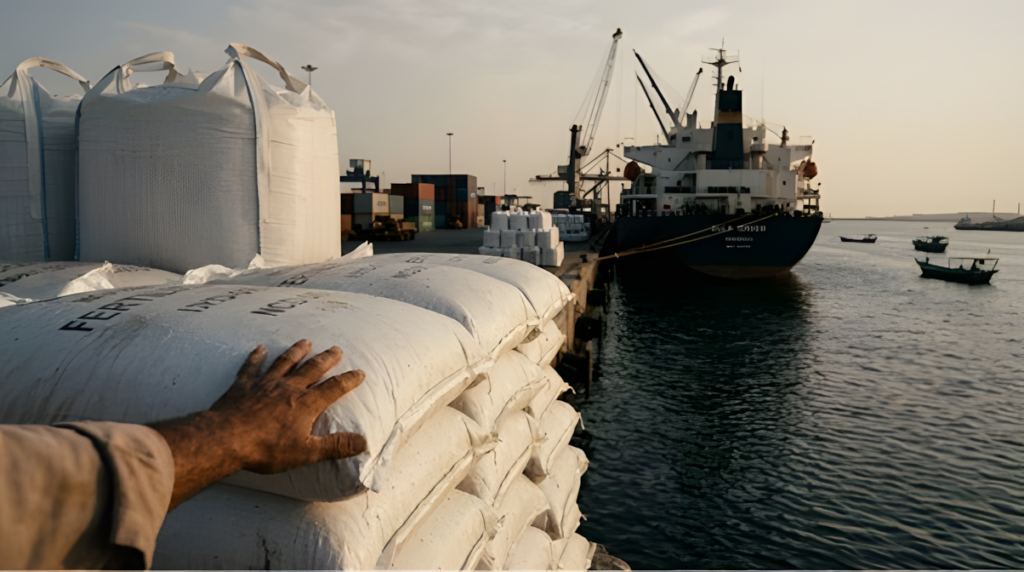
In a matter of weeks, the ripple effects of the U.S.-Israel war with Iran have sent shockwaves through global fertilizer markets. Prices have surged by as much as 45-58%, freight and insurance costs are climbing, and supply chains are tightening around key export routes like the Strait of Hormuz.
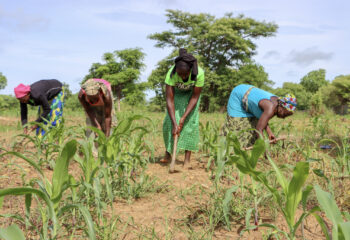
For Africa, which imports more than 80% of its fertilizer, this direct threat to agricultural productivity comes at the worst possible moment, as countries enter critical planting seasons.
The African Union Steps In: Coordination at Scale
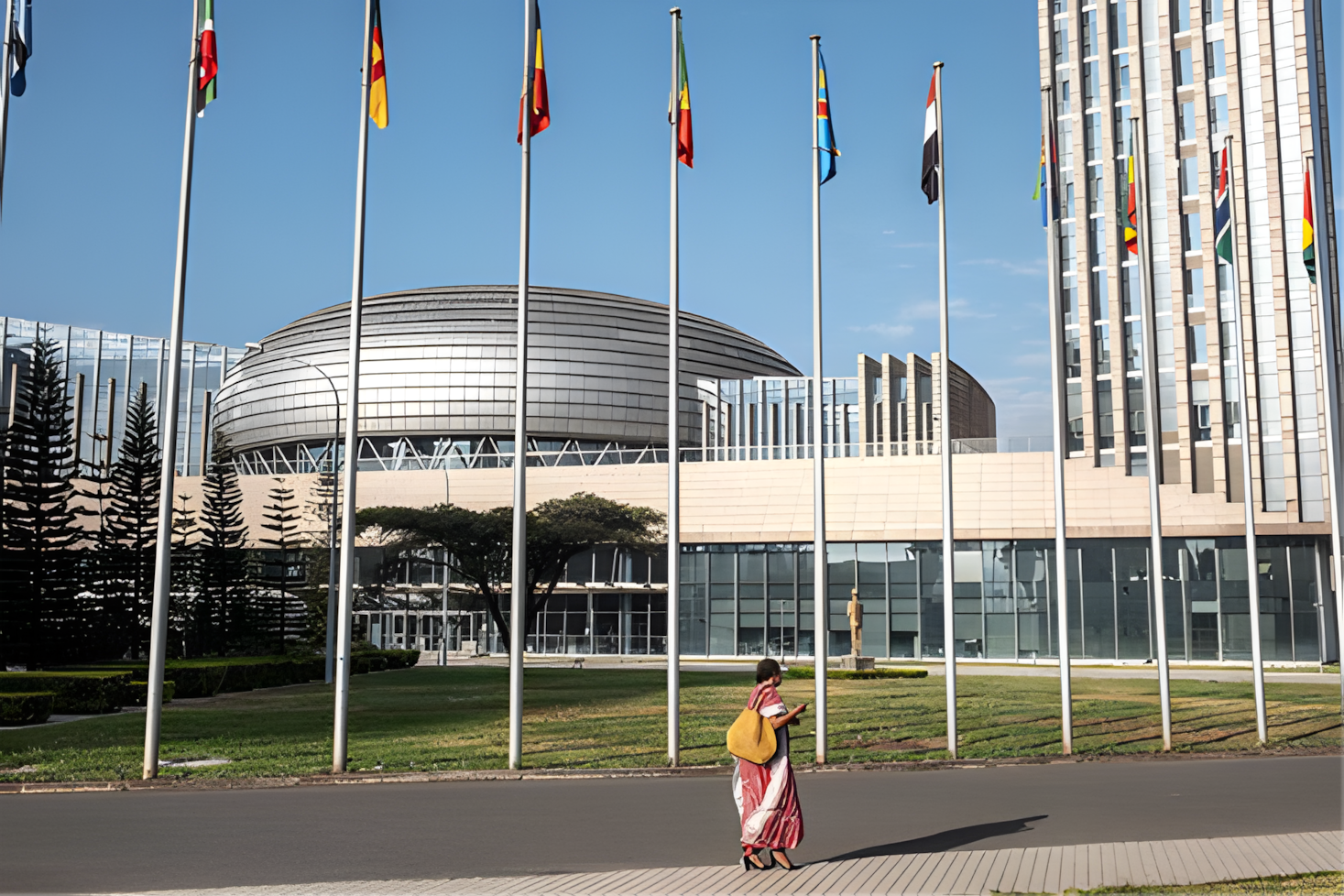
The African Union (AU) is stepping forward as a coordinating force, aligning political leadership, regional institutions, and market actors around a shared response. For policymakers and private sector leaders alike, this shift is both welcome and essential.
In its approach, the AU recognizes that fertilizer markets do not operate within national borders. When countries act alone, they drive higher prices and weaken their collective bargaining power; but when they act together, they can stabilize markets, improve access, and reduce volatility.
Real-time market intelligence is already being shared more systematically, giving governments and businesses clearer visibility into supply, pricing, and trade flows. Through frameworks linked to the African Continental Free Trade Area (AfCFTA), efforts are underway to ease cross-border movement of fertilizer, reduce port and customs delays, and prioritize agricultural inputs within trade corridors.
The immediate objective is to ensure fertilizer remains available and affordable enough to sustain usage during this planting season. The AU-led framework is cascading into Regional Economic Communities (RECs), which are critical for operationalizing interventions.
ECOWAS Leading the Way in West Africa
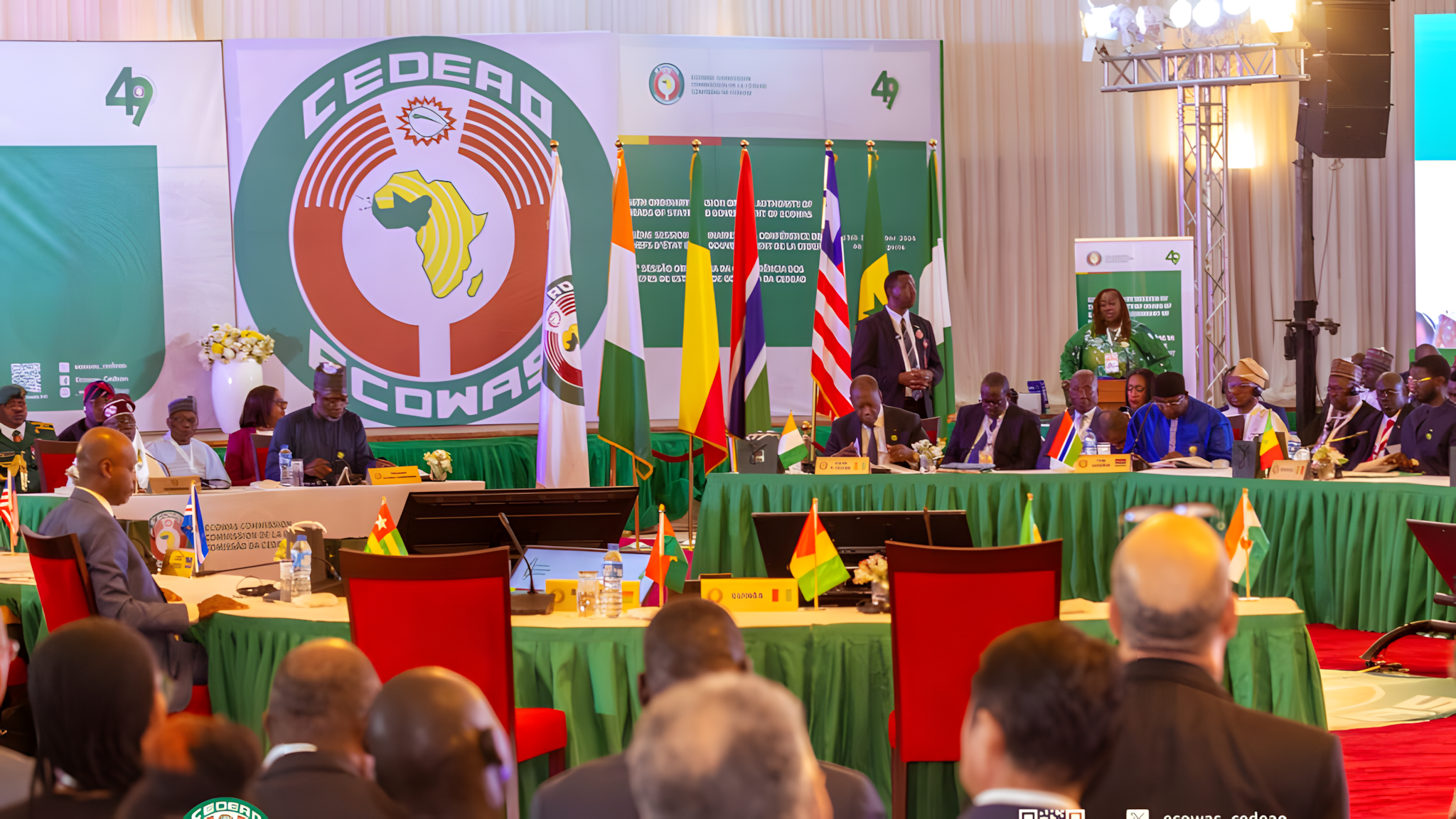
The Economic Community of West African States (ECOWAS) demonstrates what effective coordination under pressure can achieve. Within days, it brought together technical experts and ministers, aligning the region around a common response framework.
Crucially, it coordinated procurement to avoid intraregional competition, securing supplies from regional producers and activating financing mechanisms to support market participants facing rising costs.
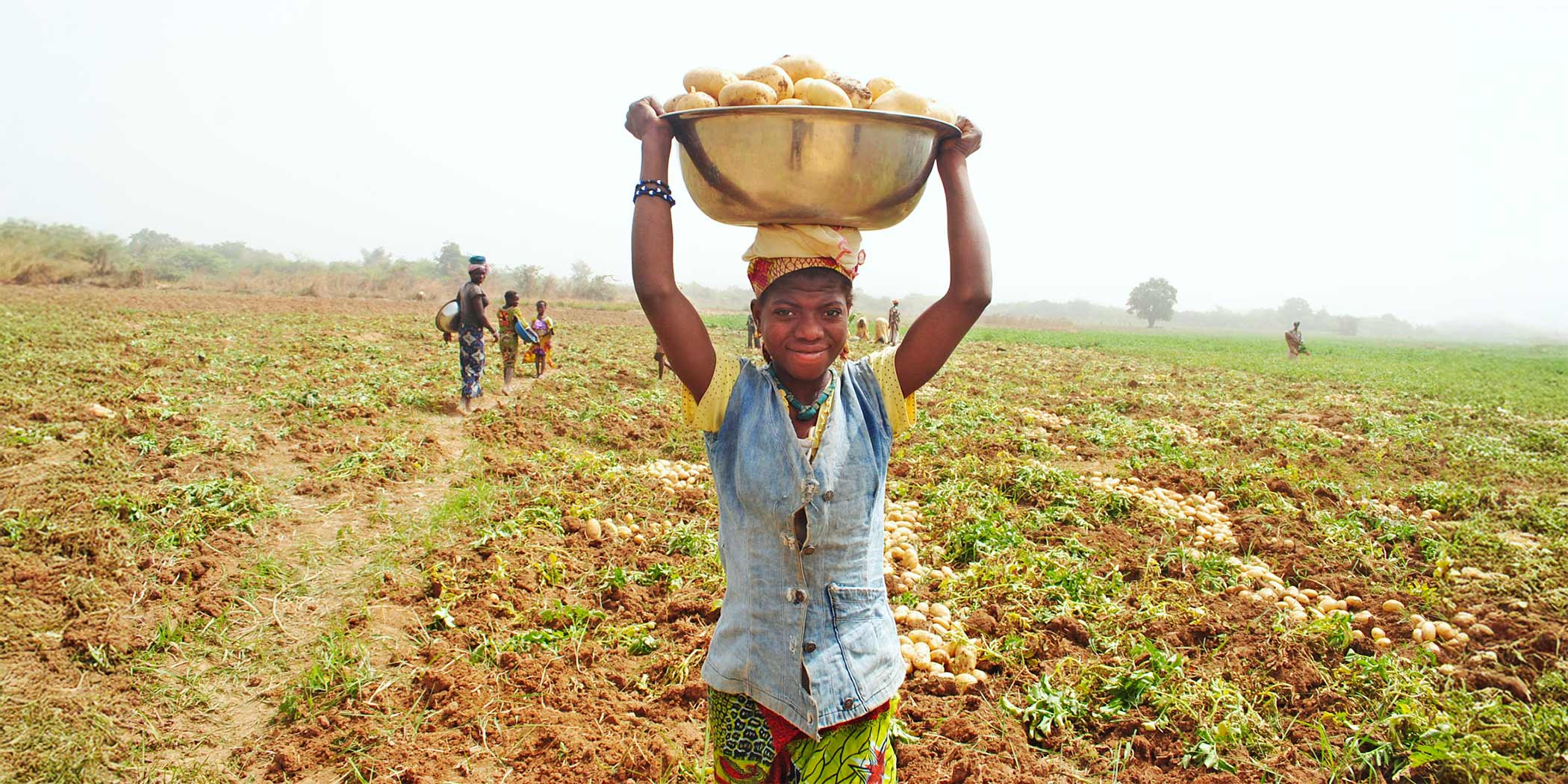
These efforts are particularly significant as West Africa enters its peak planting season, with annual fertilizer demand estimated at 3.8 million metric tons.
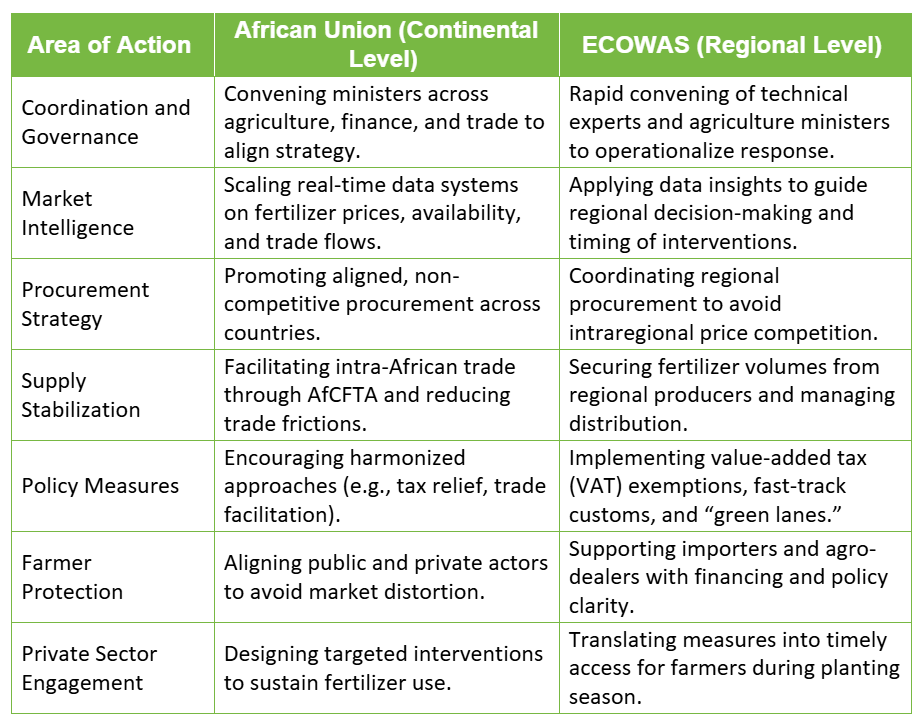
The table below summarizes how continental leadership and regional execution are reinforcing each other in real time:
Call to Action
The current crisis, greater than any single national event, is a continental systemic shock requiring a coordinated political and market response.
IFDC, Sustain Africa, and AfricaFertilizer call for the following priority actions:
- Strengthen AU-led coordination mechanisms with dedicated technical support.
- Scale real-time data systems across all countries.
- Support RECs to implement synchronized procurement and trade measures with strong private leadership.
- Deploy financing instruments to stabilize supply chains.
- Invest in long-term resilience through local production and nutrient systems.