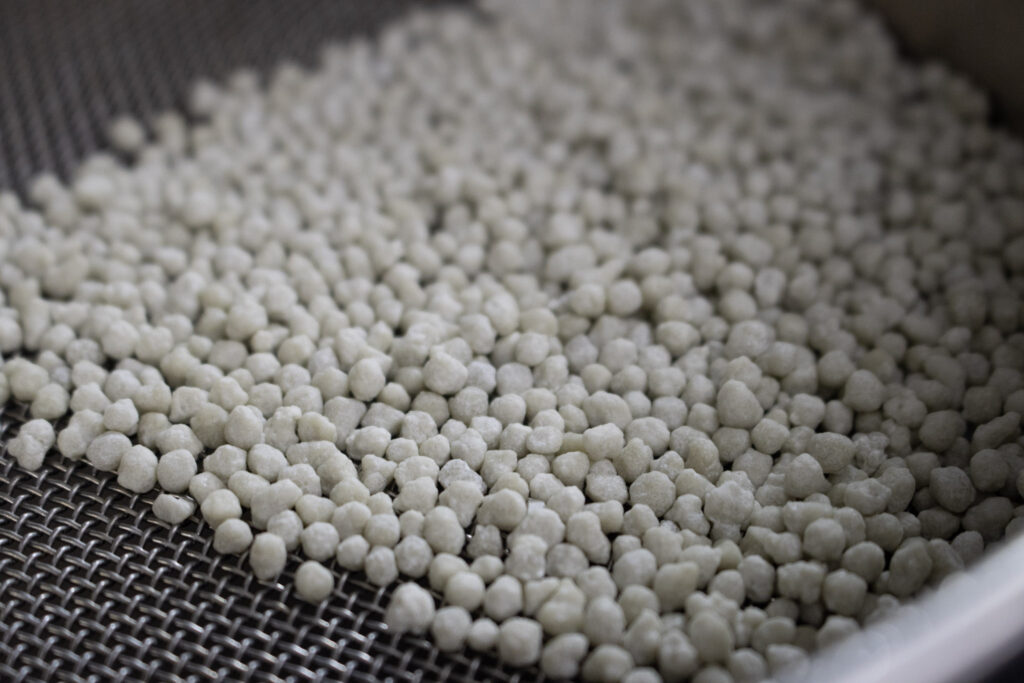
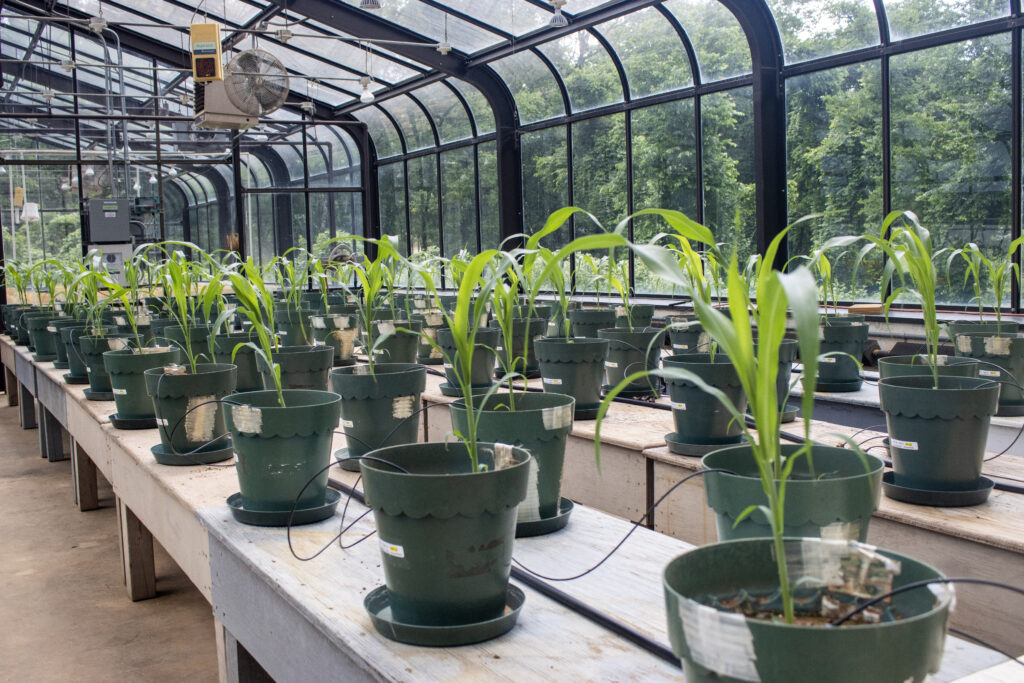
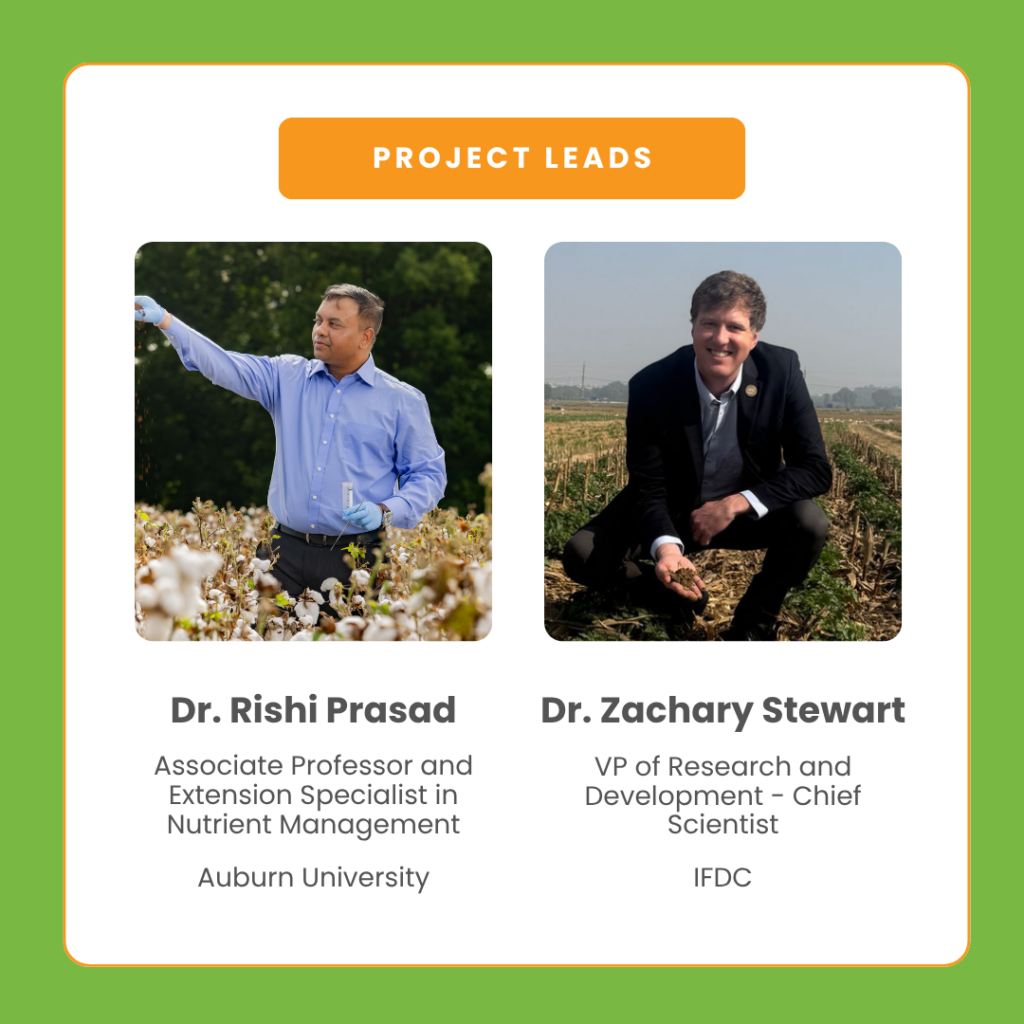
The Feed the Future Fertilizer and Soil Health Innovation Lab (FSHIL) (2026-2031) is a five-year initiative funded by the U.S. Department of State and led by Auburn University in partnership with IFDC. The project is designed to improve soil health, increase fertilizer efficiency, and strengthen agricultural input systems in low- and middle-income countries.
The FSHIL addresses interconnected challenges that limit agricultural productivity and food security: declining soil health, inefficient fertilizer use, and concentrated fertilizer supply chains that are vulnerable to disruption.
As a vital response to these challenges, the initiative aims to translate fertilizer and soil health research into scalable solutions that improve crop yields, nutrient use efficiency, and farmer incomes while reducing vulnerability to fertilizer supply shocks.
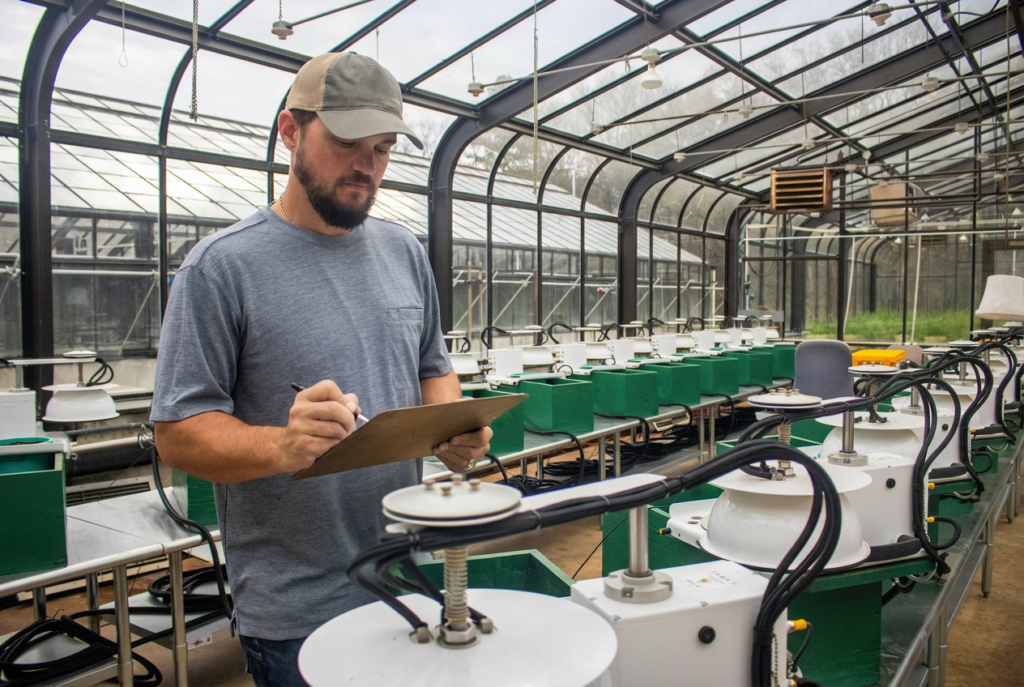
Systems-Based Approach
The FSHIL takes an integrated, systems-based approach organized around four core workstreams:
- Modernizing fertilizer production systems to improve efficiency and resilience.
- Developing next-generation fertilizer products and precision application technologies.
- Strengthening soil health systems to improve nutrient use efficiency and farm productivity.
- Accelerating scaling through market development, private sector engagement, and policy alignment.
Two cross-cutting components reinforce these efforts: artificial intelligence-enabled decision support systems and human and institutional capacity development.
Through these components, research findings inform the development of context-specific recommendations while building the expertise and needed to sustain innovation beyond the life of the project.
From Research to Impact
A defining feature of the FSHIL is its emphasis on moving promising technologies from the lab to the field to the market. The project combines targeted “quick-win” investments with competitive sub-awards to develop, adapt, validate, and scale technologies across diverse agricultural systems.
Initial activities involve innovations such as locally sourced phosphate fertilizers, organo-mineral fertilizers produced from agricultural waste, mechanized fertilizer deep placement, and site-specific fertilizer recommendations. Five initial quick-win activities are planned for Bangladesh, Guatemala, Senegal, Sri Lanka, and Zambia, while the broader project targets research and scaling opportunities in Kenya and other countries through regional spillover and competitive investments.
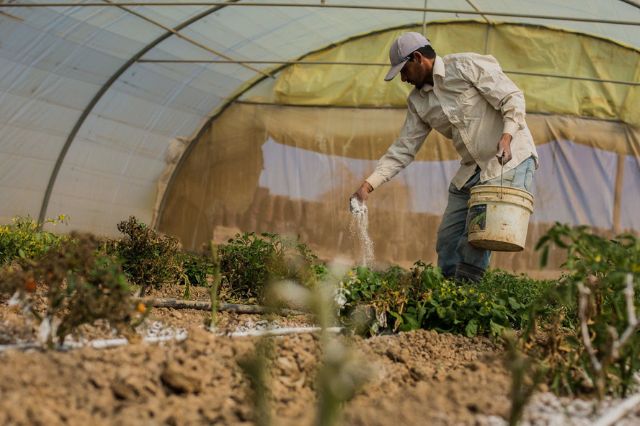
The FSHIL undertakes a regional approach to scaling innovations. Hubs serving South Asia, sub-Saharan Africa, and Central America connect universities, international research organizations, the private sector, and policy institutions to ensure that innovations move efficiently from lab to field to market at scale. These regional hubs are linked to IFDC’s Laboratory of Innovation for Fertilizers in the United States (LIFe-US) in Muscle Shoals, Alabama – the U.S.-based research and innovation engine established to deliver next-generation fertilizer and soil health innovations and mobilize U.S. private sector partners to deliver results.
IFDC leads integration across the initiative, leveraging global datasets and decision support platforms to generate location-specific recommendations and system-level insights.
The project takes field-tested U.S. fertilizers and soil health innovations to participating countries, tests them under local conditions, and helps residents identify the most reliable options. Recommendations are tailored to each participating country’s crops and landscapes, while improved soil health practices help restore and sustain healthy soils worldwide.
The FSHIL is designed to create mutual benefits for American agriculture and farmers worldwide. For U.S. producers, advances in fertilizer efficiency, soil health, precision agriculture, and fertilizer production can help address rising input costs and supply chain vulnerabilities. The initiative will also open new pathways for U.S. fertilizer technologies, equipment, and digital agriculture solutions to reach growing international markets.
Expected Outcomes
The FSHIL is expected to:
- Improve crop yields, nutrient use efficiency, and farmer incomes.
- Advance fertilizer production, products, and application technologies that strengthen the efficiency and resilience of agricultural input systems.
- Improve soil health and fertility through context-specific nutrient management solutions.
- Expand pathways for the adoption and commercialization of research-based innovations.
- Strengthen the capacity of partner institutions to develop, adapt, and scale fertilizer and soil health solutions.
- Reduce vulnerability to fertilizer supply shocks and strengthen national agricultural systems.