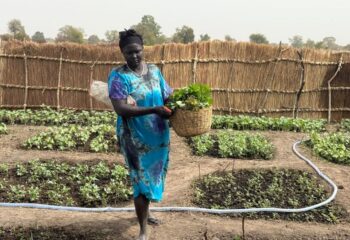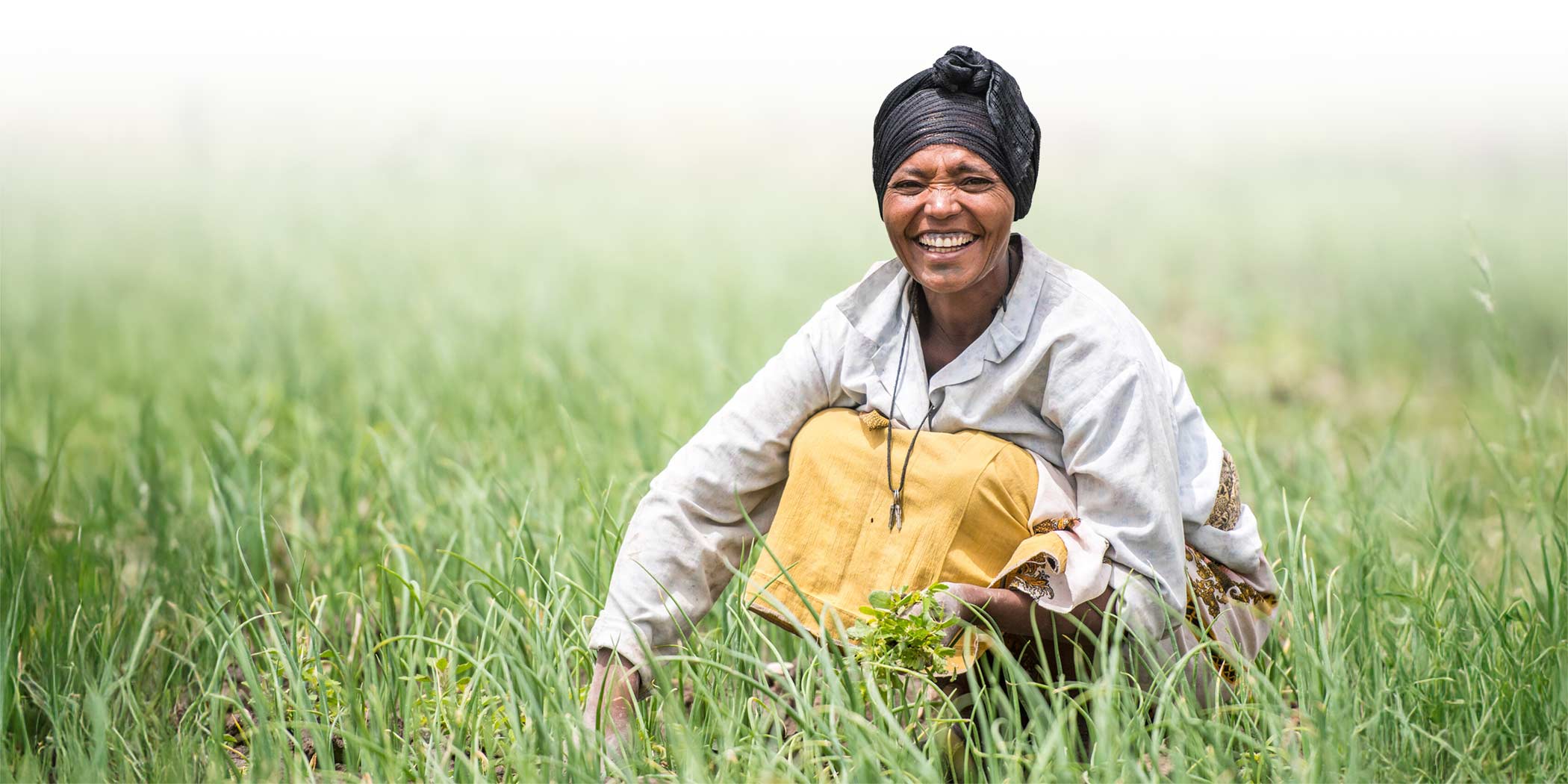
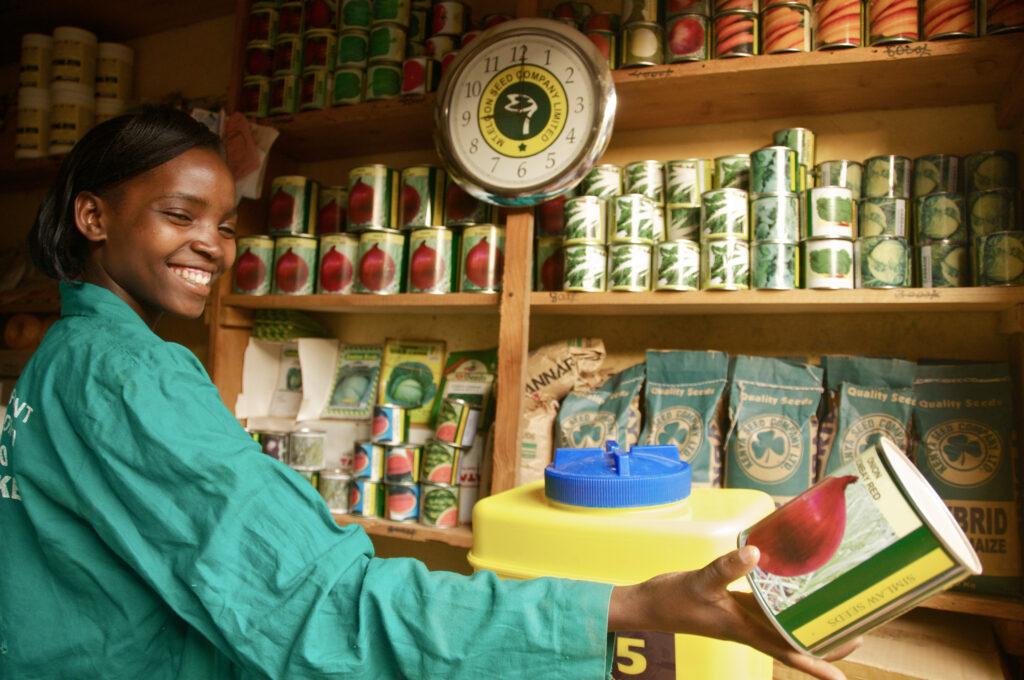
The Green Resilient Business Incubator (GREBI) project (2026-2029), funded by the European Union, aims to drive inclusive economic growth in South Sudan by building more competitive, sustainable, and modern agriculture value chains and enterprises with empowered women and youth acting as agents of transformation in the sector.
By promoting this modernization within agriculture value chains, the GREBI project will reduce reliance on costly food imports and create more resilient food systems.
This approach will directly contribute to food security by increasing the availability and accessibility of nutritious food, improving livelihoods, and building economic stability within communities.
Driving Inclusive Agricultural Growth in South Sudan
Project Objectives
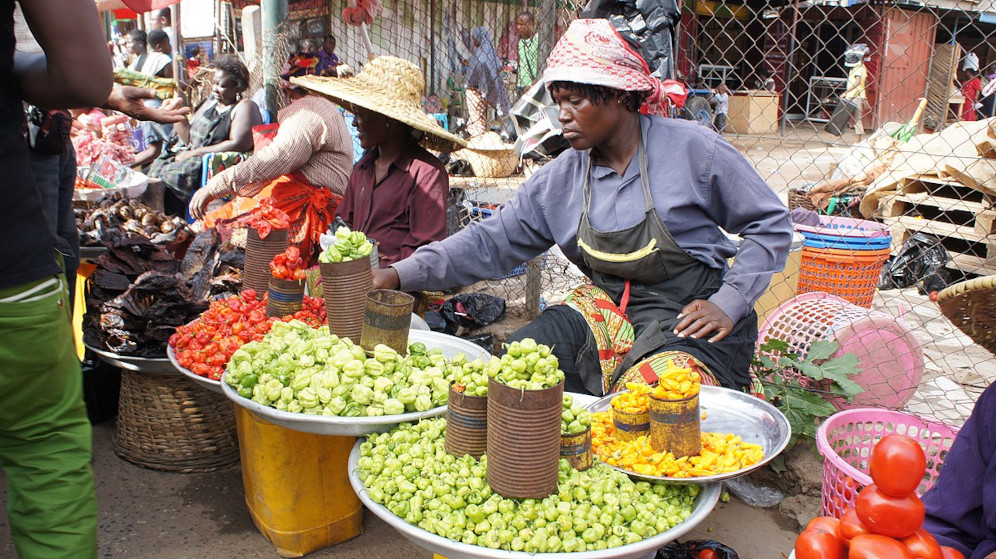
GREBI will bolster entrepreneurship ecosystems by promoting access to sustainable finance and credit for private sector operators.
The project will also improve the investment environment for micro, small, and medium enterprises (MSMEs) operating across agriculture value chains.
Expected Results
The GREBI project will create a more enabling environment for private sector-led agricultural development by strengthening incubation services, facilitating business linkages, and improving access to finance for MSMEs, particularly those led by women and youth.
Result 1: Incubation and Acceleration Services
Incubation services will reinforce early-stage enterprises through tailored coaching, training, access to finance and inputs, and connections to key market actors. Acceleration will support viable, high-potential businesses to scale, improve product quality, expand market access, and attract investment.
Result 2: Business Linkage Programs
GREBI will embed linkage programs to connect enterprises with farmers, offtakers, processors, and other partners, helping unlock synergies and drive sustainable, competitive, and modern agriculture value chains in the fragile and emerging markets of South Sudan.
Result 3: Improved Investment Environment
The GREBI project will establish agribusiness hubs, enabling smallholder farmers and other value chain actors to develop collective strategies on access to inputs and services and to gain better understanding of markets and alternative channel options. To help strengthen the investment environment, these hubs will champion interventions that help bridge the persistent finance gap that MSMEs face in underserved settings.