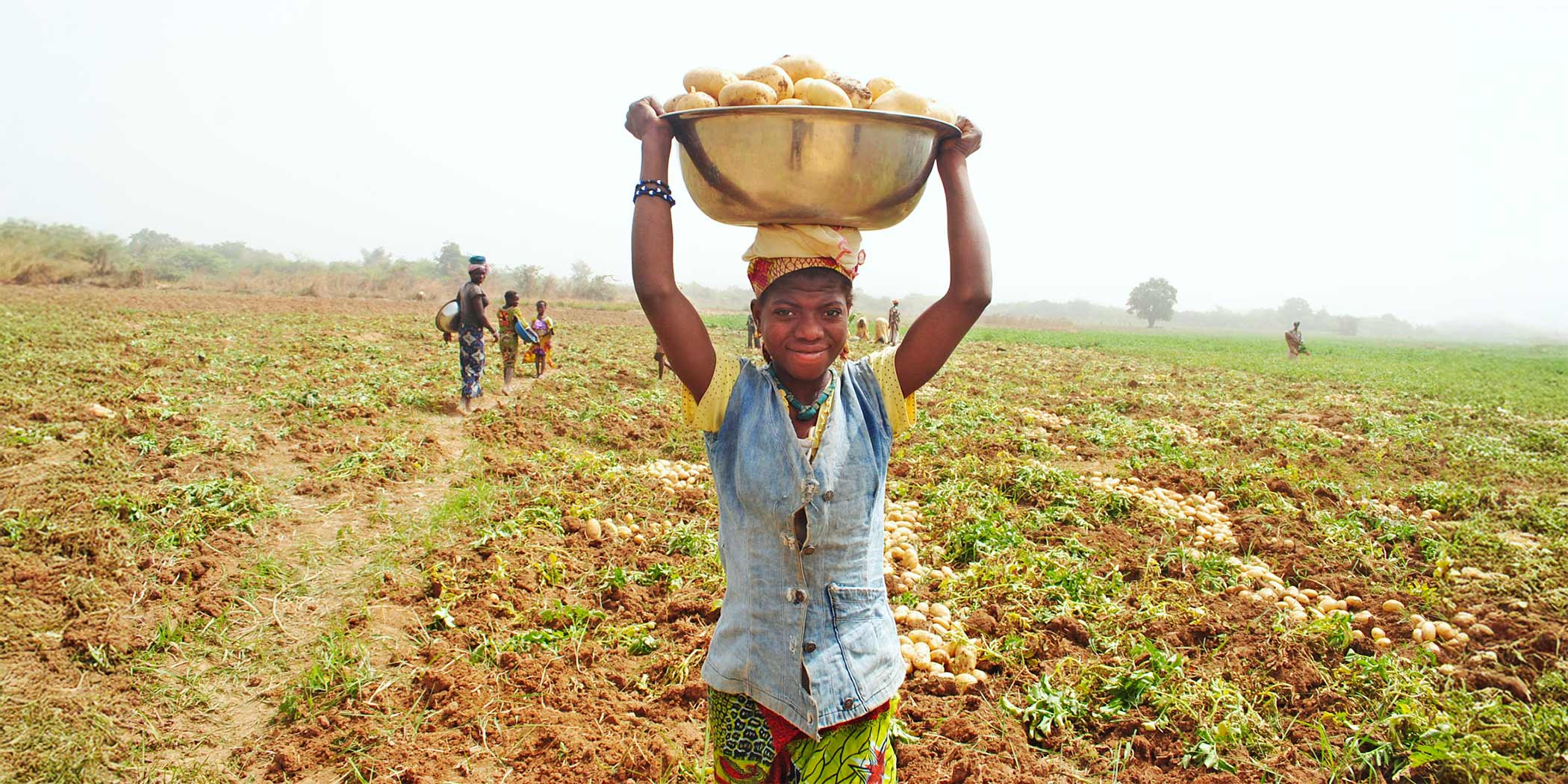
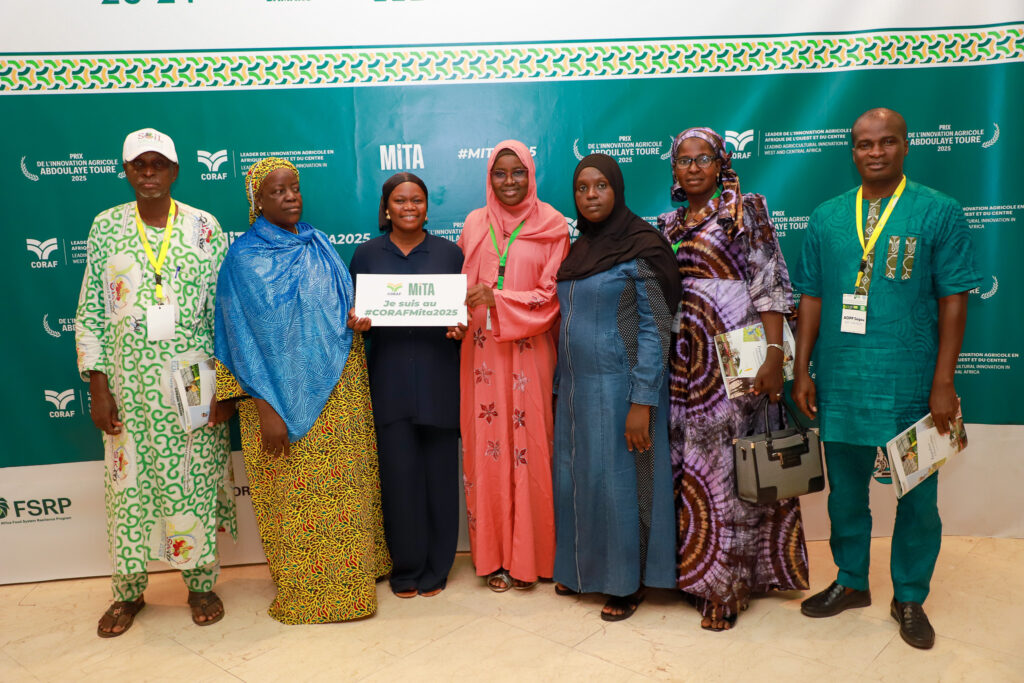
The West and Central African Council for Agricultural Research and Development (CORAF), a major partner of the Soil Values program, recently held the fifth edition of the Agricultural Innovations and Technologies Market (MITA) in Mali’s capital, Bamako, on October 20-24.
A key event for both the public and private sectors, the event brought together more than 200 researchers, innovators, agricultural producers, investors, and public decision-makers from the Alliance of Sahel States (AES) and several other African countries.
“We work to facilitate access to inputs and technologies to make land more fertile. Soil is the primary factor in agricultural production, yet it is often overlooked. When it is healthy and fertile, productivity is assured.”
Sanogo Niamoye Traoré, Soil Values Country Coordinator in Mali
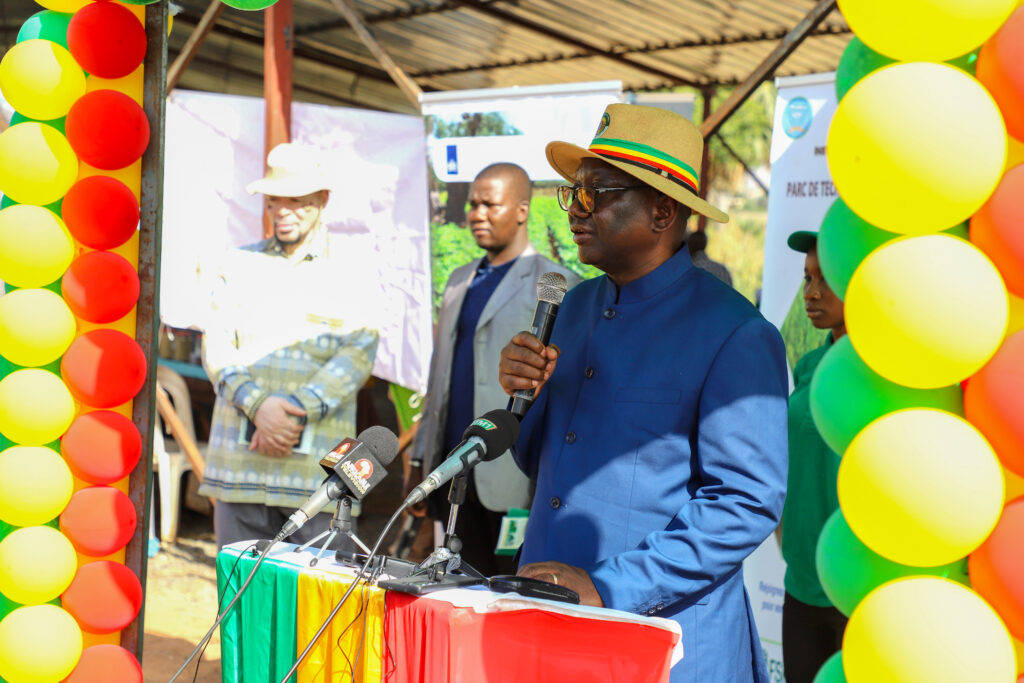
Highlighting the significance of the event, Daniel Siméon Kéléma, Mali’s Minister of Agriculture, said, “MITA offers a unique space where proven agricultural technologies are presented to potential users and investors.”
Together, participants discussed technological solutions capable of improving the productivity and sustainability of African agriculture through conferences, panels, presentations, and business-to-business meetings.
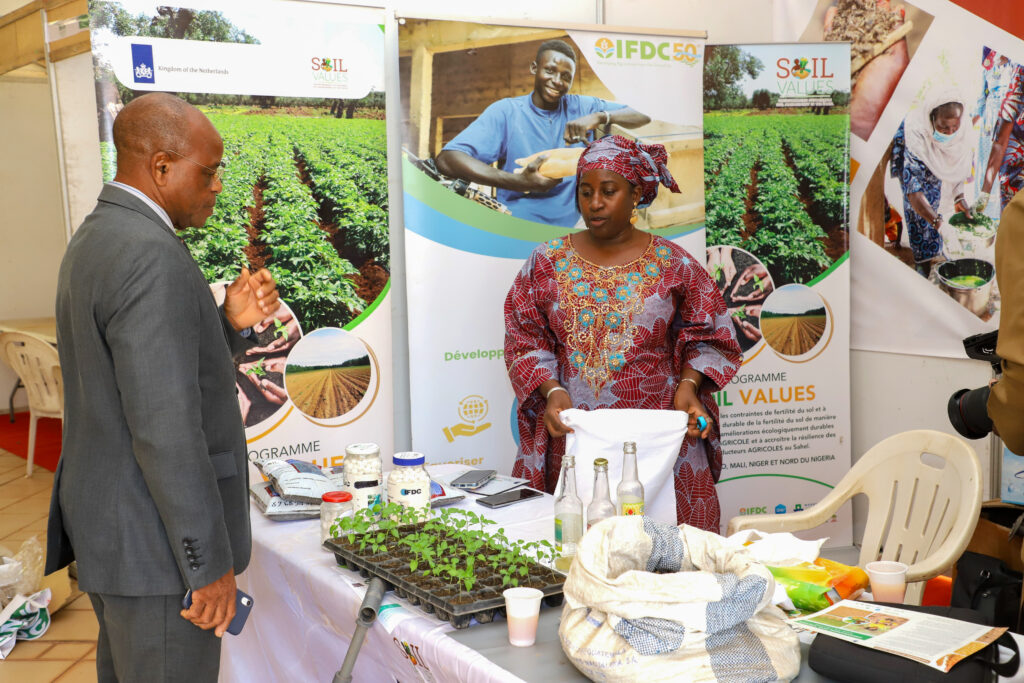
Among the most active participants at this year’s event was the Soil Values program, a regional program for sustainable soil fertility and health management funded by the Kingdom of the Netherlands. Implemented by IFDC and its partners, the program primarily covers four countries – Burkina Faso, Mali, Niger, and Northern Nigeria – along with strategic participation from Ghana and Côte d’Ivoire.
Sanogo Niamoye Traoré, Soil Values Country Coordinator in Mali, explained the program’s role in MITA as an official partner and indicated that this year’s theme, “Facilitating access to agricultural technologies and innovations for integrated soil management,” is at the very heart of Soil Values.
“We work to facilitate access to inputs and technologies to make land more fertile. Soil is the primary factor in agricultural production, yet it is often overlooked. When it is healthy and fertile, productivity is assured,” Traoré observed.
At MITA 2025, the Soil Values program presented technologies developed through its interventions during a session dedicated to soil health and fertility initiatives and at its booth.
Dr. Mariama Boubou Diallo, the program’s Head of Technology Aggregation, described several proven technologies and practices that Soil Values promotes, including zaï1, compost, biodigesters2, bokashi3, Barbary Plante (a biofertilizer and water retainer), biopesticides made from fresh neem leaves, and assisted natural regeneration.
Dr. Diallo underscored the effectiveness of these technologies and methods: “These practices, already adopted on a large scale, have restored several hectares of degraded land and created sustainable economic models.”
Moussa Dionou, IFDC Country Director of Burkina Faso, Mali, and Niger, reiterated this approach, illustrating the program’s successful combination of science and action in the field.
He related IFDC’s history of international research and development and explained the organization’s commitment to Mali: “Present in Mali since 2001, we work with smallholder farmers to strengthen their capacities, promote agricultural technologies, facilitate access to inputs, and create an environment conducive to productivity and market access.”
Soil Values has already implemented several structural actions in Mali, including a participatory assessment of watersheds to identify the real needs of producers, cascade training of agricultural producers on integrated soil fertility management, and the launch of agricultural land fertility mapping.
For Traoré, “MITA is an opportunity to build on these achievements and advocate for increased support for producers by public authorities and technical partners.”
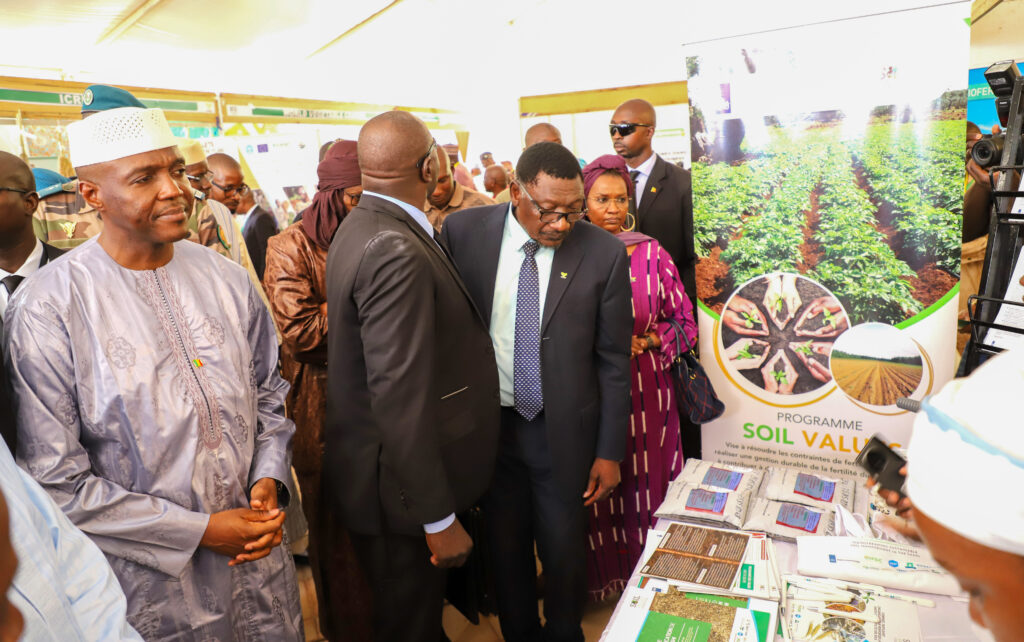
Soil Values is also notable for its inclusive approach, placing producers at the heart of its interventions.
Aminata Keïta, an agricultural producer from the Soil Values program who attended the event, said, “We have learned how to produce compost and to utilize organic techniques that improve our yields without resorting to expensive chemical fertilizer. Today, our products are healthier, and our incomes have increased.”
Bakary Diarra, another agricultural producer, emphasized training: “The Soil Values program has trained agricultural producers in our association in the development of market gardening areas, which has promoted our economic autonomy in Sikasso.”
Testimonials like Keïta’s and Diarra’s reflect the concrete impact of Soil Values on the ground and its contribution to the economic empowerment of agricultural producers in rural areas.
During MITA, October 23 was dedicated to the country of Mali. This special day’s events included visits to demonstration plots and technology booths at the Agricultural Technology Park of the Institute of Rural Economics (IER) in Sotuba.
CORAF Director Moumini Savadogo praised the relevance of these initiatives, noting that they are fully in line with the concept of agricultural innovation and technology parks, which is developing in several countries.
“The idea is to create a veritable ‘supermarket’ of agricultural technologies and innovations, a unique space where research, users, and the private sector can come together,” Savadogo stated.
Building on this momentum from MITA, Soil Values is continuing to establish itself as a key player in sustainable agricultural transformation in the Sahel. Drawing on science, innovation, respect for natural resources, and inclusion, it is actively contributing to the development of a resilient, competitive African agriculture sector.
Funded by the Dutch Directorate-General for International Cooperation (DGIS), the Soil Values program is being implemented over 10 years (2024-2033), led by the International Fertilizer Development Center (IFDC), in consortium with SNV and Wageningen University and Research (WUR), as well as knowledge partners such as AGRA, the Center for International Forestry Research and World Agroforestry (CIFOR-ICRAF), the International Institute of Tropical Agriculture (IITA), ISRIC – World Soil Information, and the International Water Management Institute (IWMI).
- Zaï is a farming technique of digging pits in less permeable soil to catch water and concentrate compost. ↩︎
- A biodigester is a device that converts organic waste into biogas and natural fertilizer through anaerobic digestion. ↩︎
- Bokashi is a process that converts food waste and similar organic matter into a soil amendment which adds nutrients and improves soil texture. ↩︎