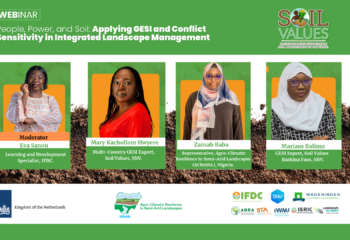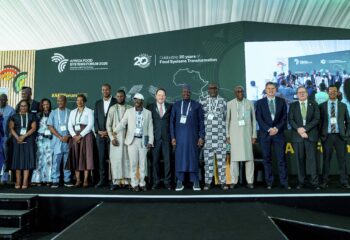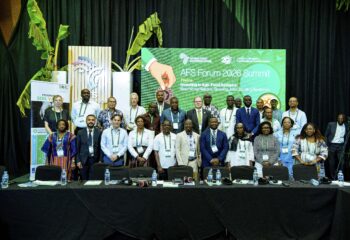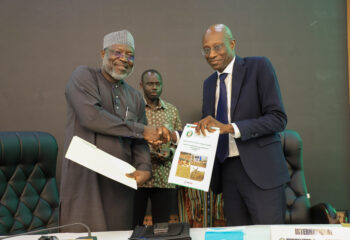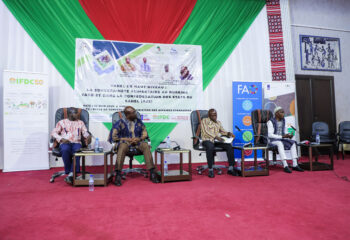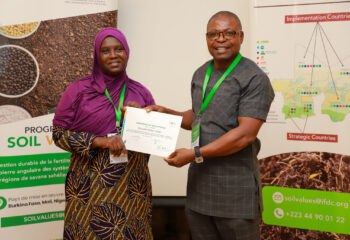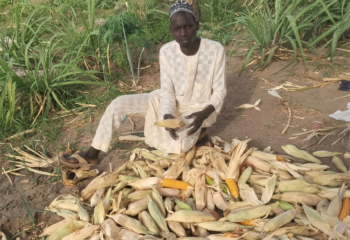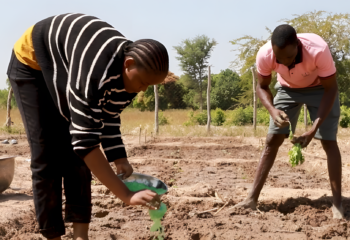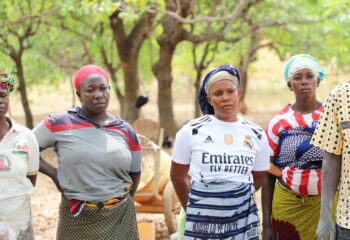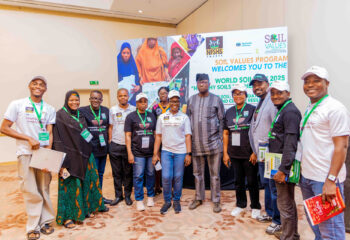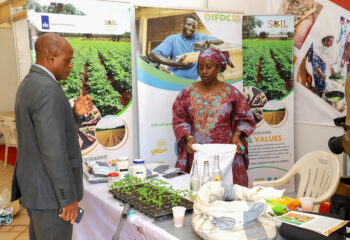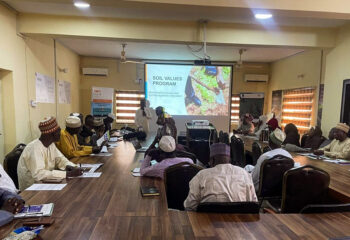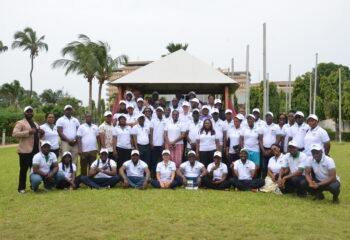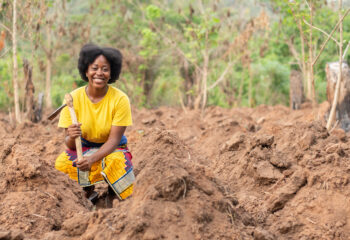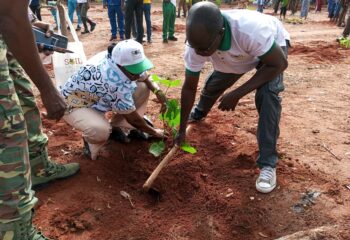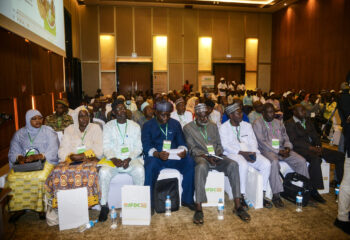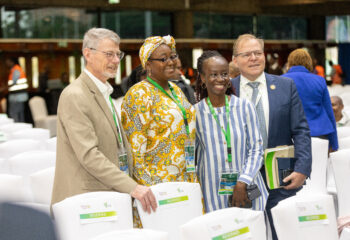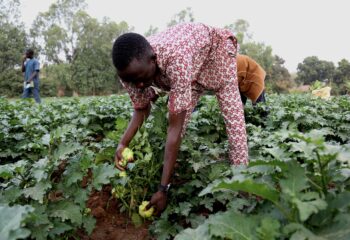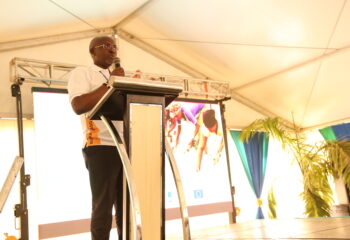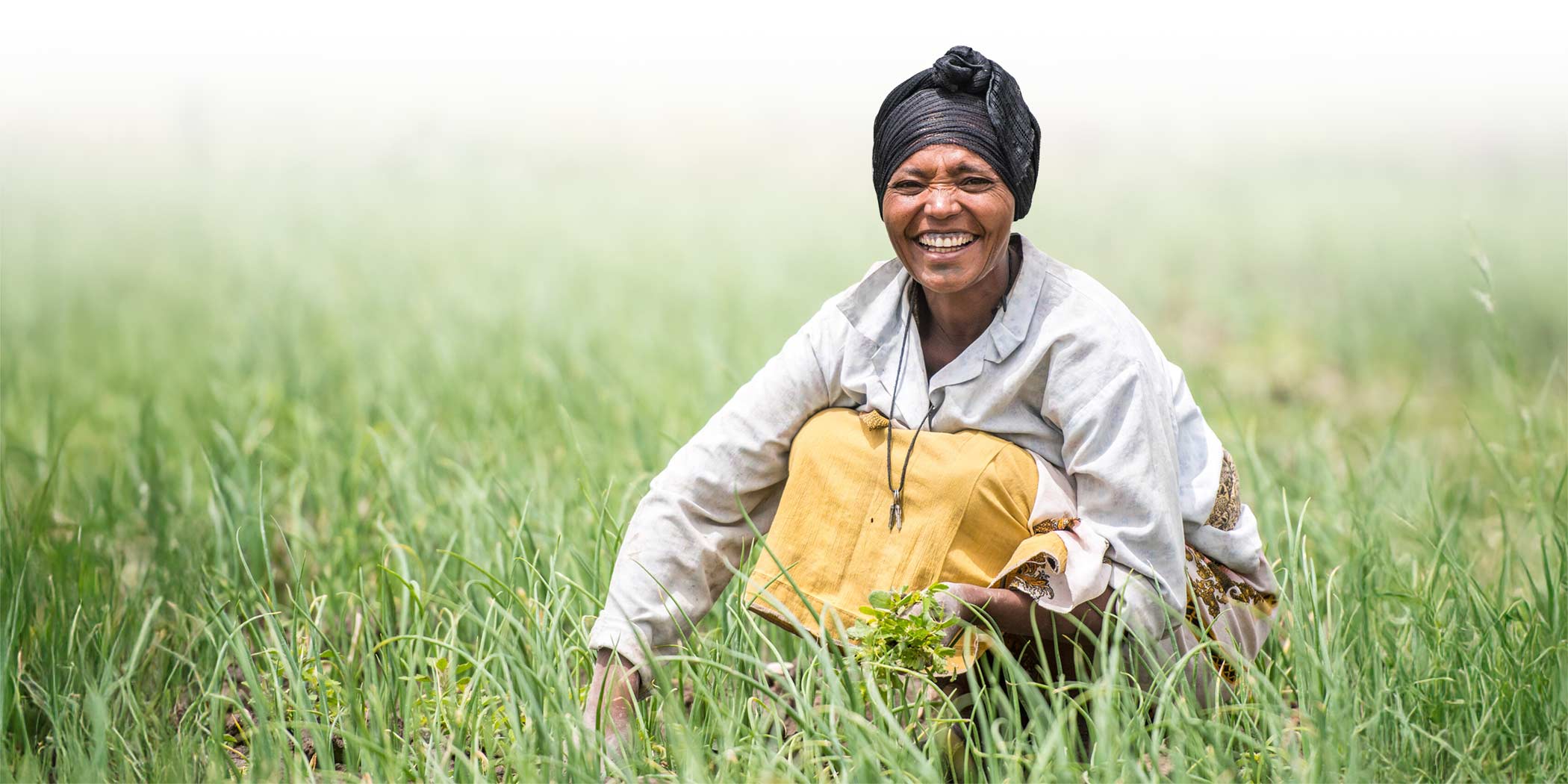
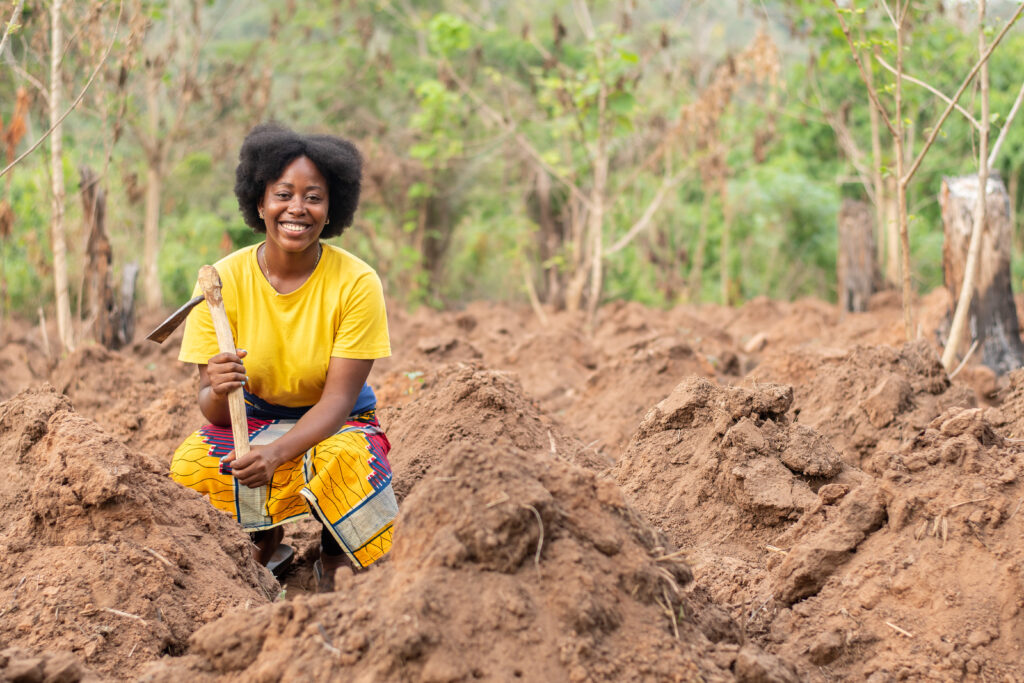
Soil Values, a 10-year program (2024-2033) financed by the Netherlands Directorate-General for International Cooperation (DGIS), is a transformative initiative unfolding across Burkina Faso, Mali, Northern Nigeria, and Niger, where the primary objective is to establish sustainable soil fertility management as a cornerstone within the farming systems of the Sahelian and Guinea Savanna regions.
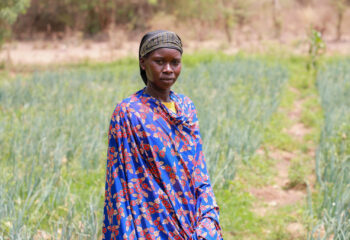
Soil Values aims to improve the soil fertility and productive capacity of 2 million hectares of farmland in the Sahel, fostering resilience and well-being among 1.5 million farmers, with an emphasis on women.
The program’s approach focuses on Integrated Soil Fertility Management (ISFM) in the context of participatory landscape management to catalyze viable business cases and incentivize adoption by farmers, market actors, and policymakers.
Expected Outcomes
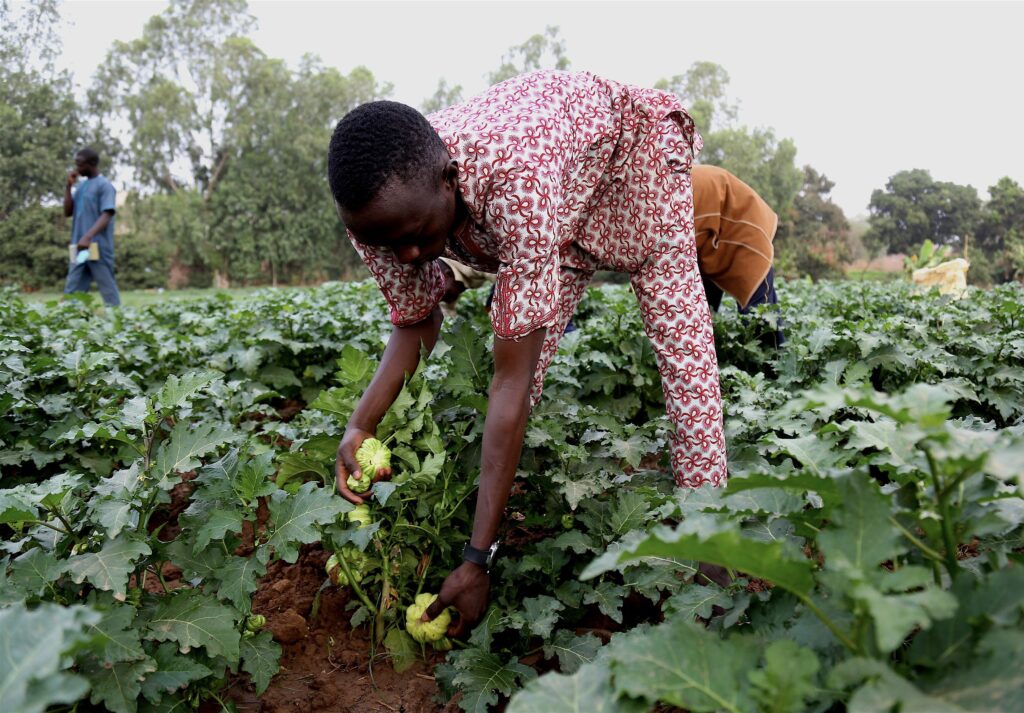
- 1.5 million smallholder farmers, 800,000 of whom are women, reduce the yield gap and become more resilient to climate shocks.
- 40-plus river basins and landscapes, covering 2 million hectares of farmland, are managed sustainably and with equitable use of water.
- Soil fertility is prioritized within agricultural development programs, regional policies, and the initiatives of governments and civil society organizations in implementing nations.
To ensure regional coherence, the neighboring corridor countries of Ghana and Côte d’Ivoire will actively participate in dialogues concerning the south-north trade of fertilizers and regional food security.
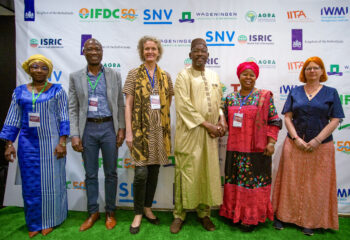
Soil Values is being implemented by IFDC in collaboration with core partners SNV and Wageningen University and Research (WUR) and various knowledge partners, such as AGRA, the The Center for International Forestry Research and World Agroforestry (CIFOR-ICRAF), the International Institute for Tropical Agriculture (IITA), ISRIC – World Soil Information, and the International Water Management Institute (IWMI), and works through existing national projects, programs, policies, and organizations, such as World Bank’s Food Systems Resilience Program (FSRP).

Newsletters
Knowledge Products
Technical Fact Sheets on Soil Health and Fertility Technologies
English
French
Gender Equality and Social Inclusion (GESI)
Policy Briefs
Project Results
2024
- Formalized strategic partnerships with coalition members and national stakeholders.
- Developed mechanisms to ensure the correct economic and fertility valuation of soils, addressing spatial-temporal and stakeholder gaps in technical approaches, capacity, and strategic and policy frameworks.
- Selected nine pilot watersheds based on agroecological, security, and partner presence criteria.
- Initiated baseline studies across all countries to inform targeted interventions.
- Identified 57 technological innovations and selected 501 agricultural service providers for bundled public-private partnership service delivery in Niger and Nigeria.
- Began consultations with financial institutions to design tailored products for smallholder farmers.
2025
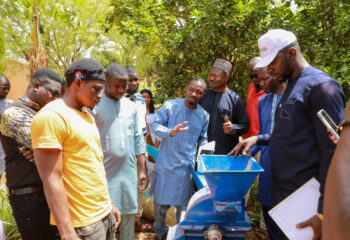
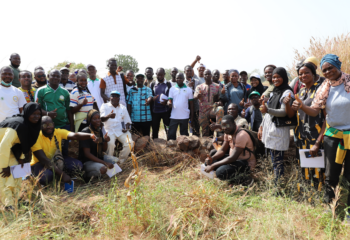
- Multi-level training on agroecological practices, sustainable soil management, and climate-resilient intensification reached 120,919 producers, including 46,849 women and 63,130 youth.
- Advanced analytical activities, such as gender and social inclusion studies, soil mapping, strategy development, and mapping of key services and actors.
- Initiated six doctoral research projects with most underway and one candidate already conducting field work in Nigeria.
- Strengthened digital systems through continued development of the Geoportal, the LandScale platform, and the monitoring and evaluation dashboard.
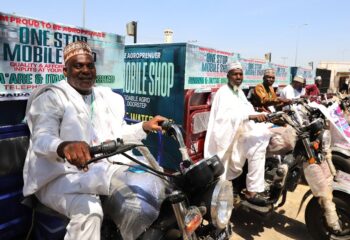
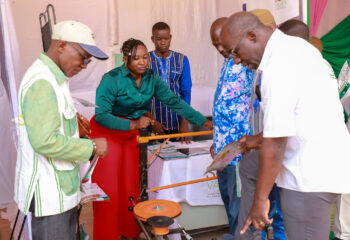
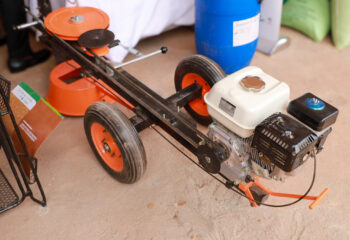
- Reinforced entrepreneurial foundations through innovative business models, including Zainer service provision in Burkina Faso and mobile agro-input services in Mali and Nigeria, supporting sustainable adoption and scaling.