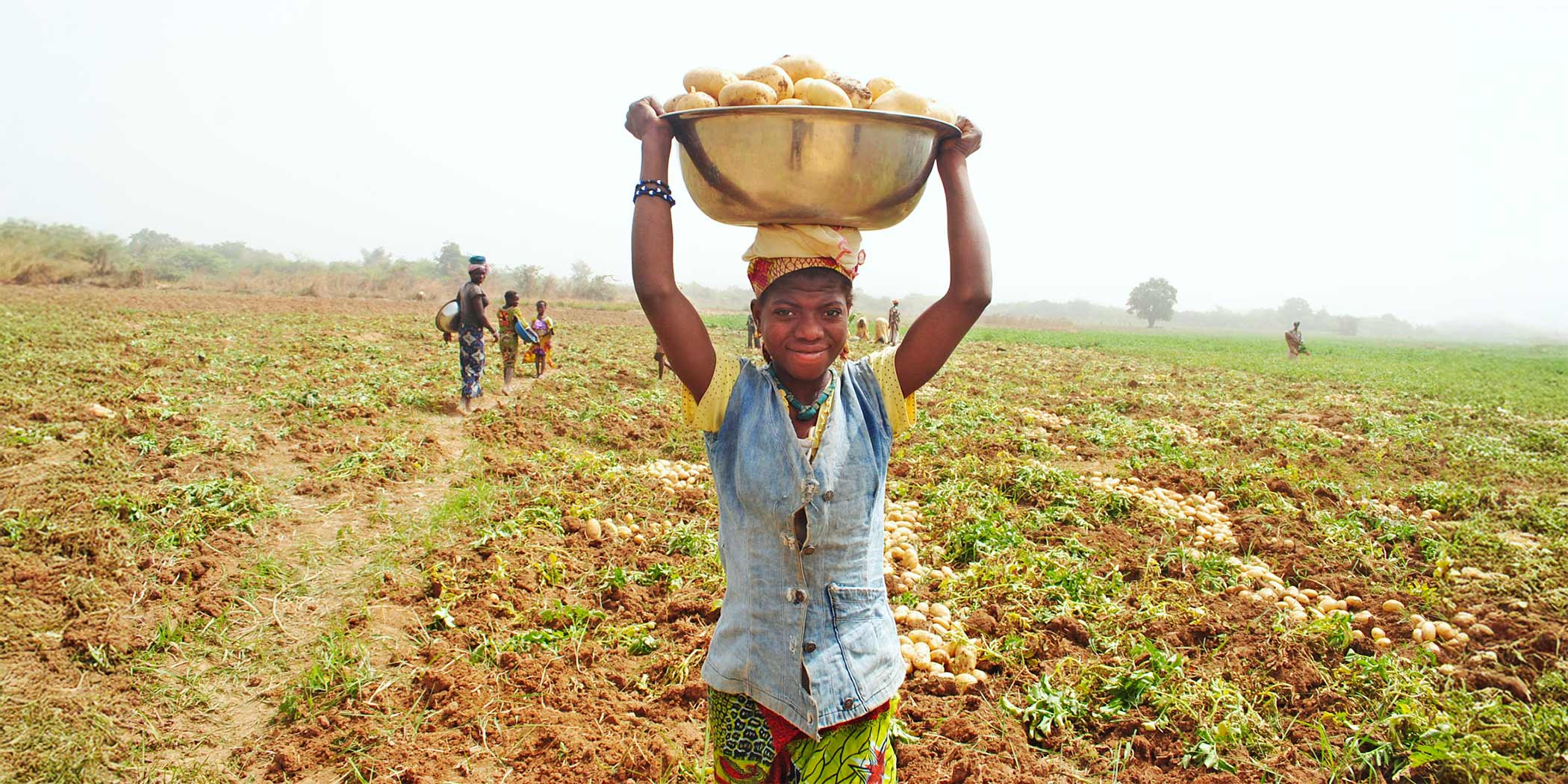
Land degradation remains a major challenge across the Sahel and West Africa, where declining soil fertility, limited water retention, and pressure on agricultural land continue to affect productivity and rural livelihoods. In this context, technologies that are adapted to farmers’ realities can play an important role in restoring degraded fields and strengthening the resilience of agricultural systems.
This is why the Soil Values program is helping expand access to practical restoration solutions that farmers can adopt at scale.
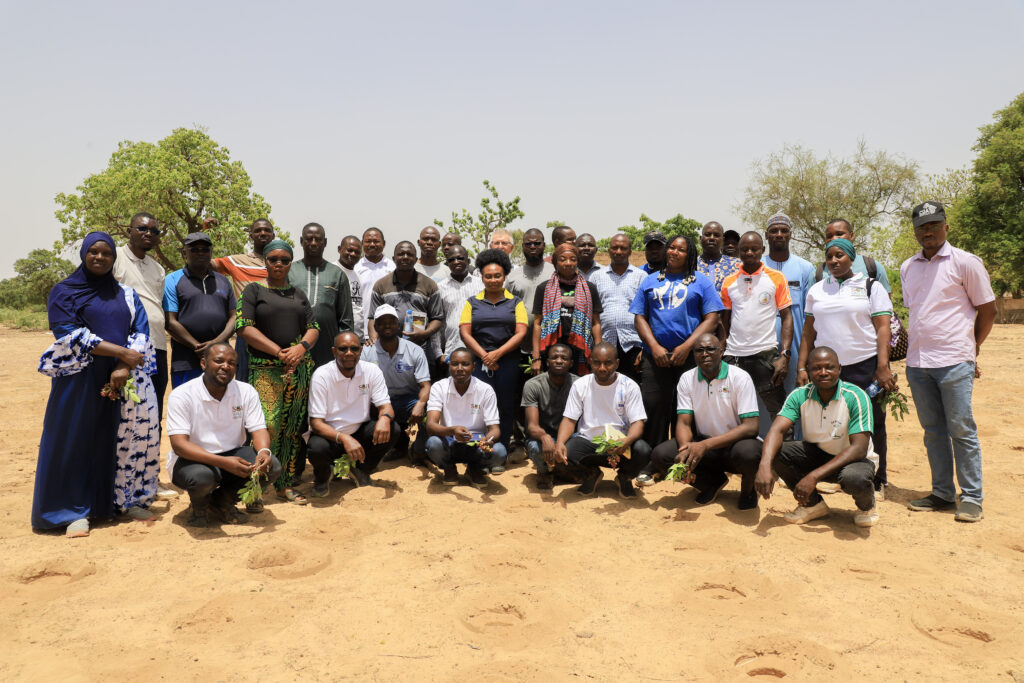
As part of this effort, the program hosted a regional training event in Burkina Faso on June 24‑26, bringing together partners from Burkina Faso, Mali, Niger, Nigeria, and Togo.
“[The Zainer] is fully mechanical and easy to operate and maintain, making it particularly well suited to the realities of farmers in the Sahel.”
Abdourahamane Nourou, local implementing partner from Niger.
The training equipped local implementation partners (LIP) supporting the program as well as agents from the Togolese Ministry of Agriculture with the technical skills required to operate, maintain, and troubleshoot the Zainer, ensuring they can provide effective support to implement the machine in their respective countries.
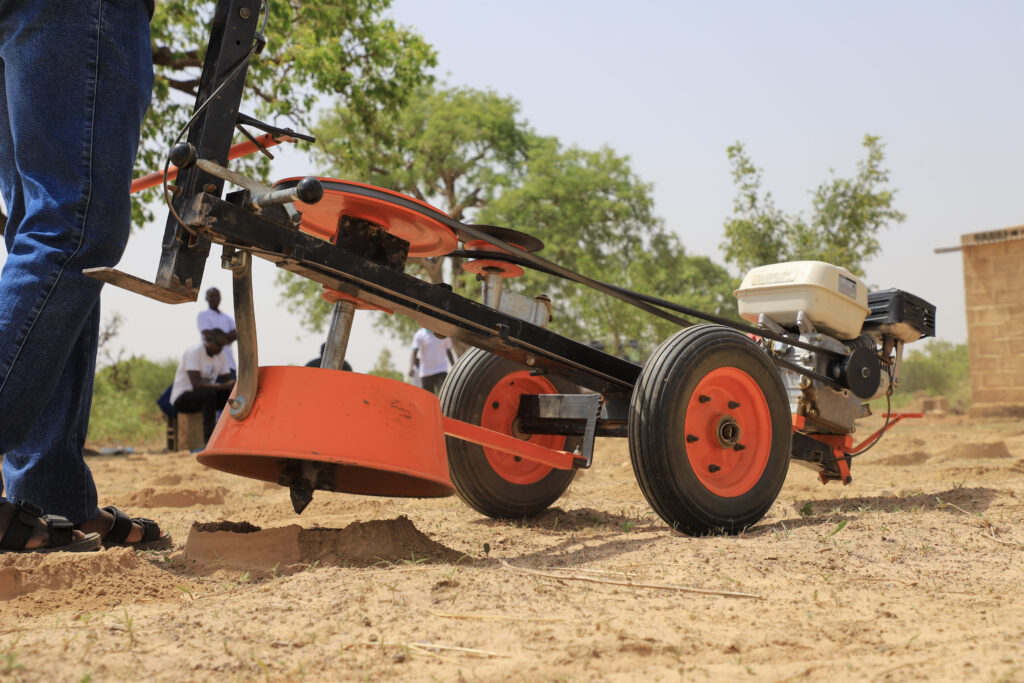
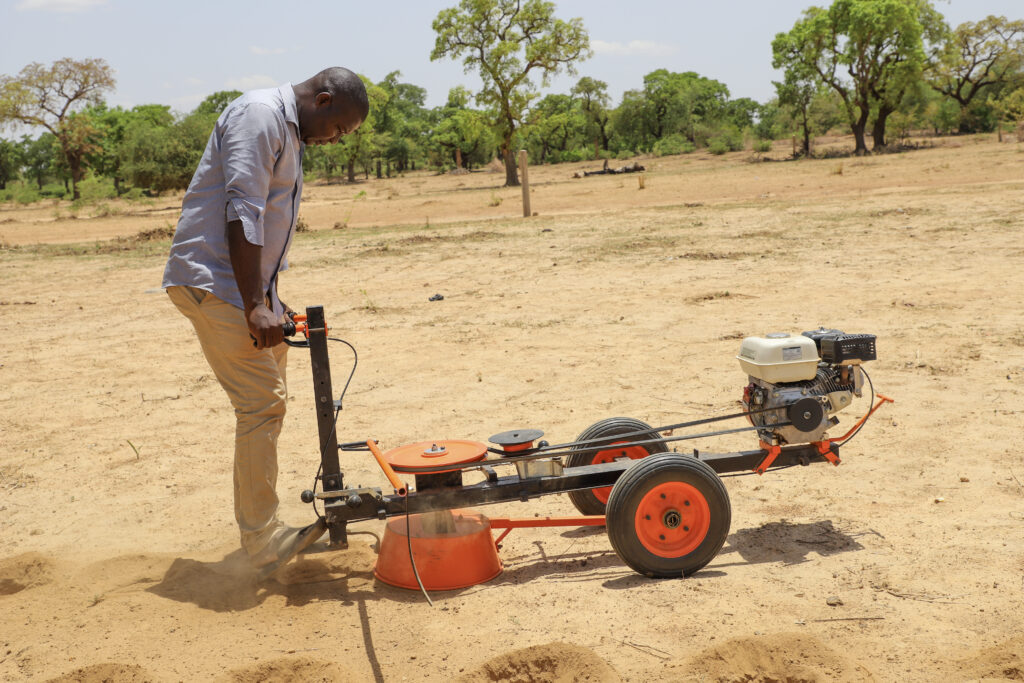
The Zainer is a mechanical implement with a rotating auger beneath a set of handles designed to facilitate the practice of zaï, a traditional land restoration technique originating in the Sahel that uses pits to rehabilitate degraded land.
These pits stabilize soil structure and promote deep root systems, improving water filtration, controlling runoff, and enhancing agricultural productivity. By reducing the labor required to dig zaï pits, the Zainer has the potential to support wider use of this practice in areas where land restoration is urgently needed.
“The machine significantly facilitates the construction of zaï pits in degraded fields. It is fully mechanical and easy to operate and maintain, making it particularly well suited to the realities of farmers in the Sahel,” said Abdourahamane Nourou, a local implementing partner from Niger.
Throughout the training, participants gained hands-on experience with the Zainer and discussed how best to support farmers during its introduction and long-term use. Partners familiarized themselves with the machine, ensuring that each country has the technical capacity required to provide local support once the technology is deployed.
These discussions led to the next key outcome of the training event: the development of country-specific implementation strategies.
These strategies will serve to guide coordinated deployment, clarify next steps, and support effective use of the technology across participating countries.
This approach, with its purposeful training and planning, reflects Soil Values’ broader commitment to strengthening the institutional and technical foundations needed to scale sustainable soil management practices across the region.
By investing in partner capacity, the program is helping ensure that the deployment of the Zainer is supported by local expertise, practical guidance, and continued technical assistance.
Beyond the training, Soil Values will continue to support partners as they introduce and operate the Zainer in different country contexts. This support will include remote technical assistance and follow-up to help address operational challenges and promote effective use of the machine.
“We remain available through WhatsApp, phone calls, and email to continue supporting the Soil Values program and its partners in operating and handling the machine,” said Edmond Rouamba, a trainer at the event.
Through this training initiative, the Soil Values program is laying the groundwork for the sustainable deployment of the Zainer across West Africa.
By combining practical technology, local technical capacity, and country-level planning, the program is contributing to broader efforts to restore degraded lands, improve soil health, and build more resilient agricultural systems in Burkina Faso, Mali, Niger, Nigeria, and Togo.
Funded by the Dutch Directorate-General for International Cooperation (DGIS), the Soil Values program is being implemented over 10 years (2024-2033), led by the International Fertilizer Development Center (IFDC), in consortium with SNV and Wageningen University and Research (WUR), as well as knowledge partners such as AGRA, the Center for International Forestry Research and World Agroforestry (CIFOR-ICRAF), the International Institute of Tropical Agriculture (IITA), ISRIC – World Soil Information, and the International Water Management Institute (IWMI).