Access the Full Paper
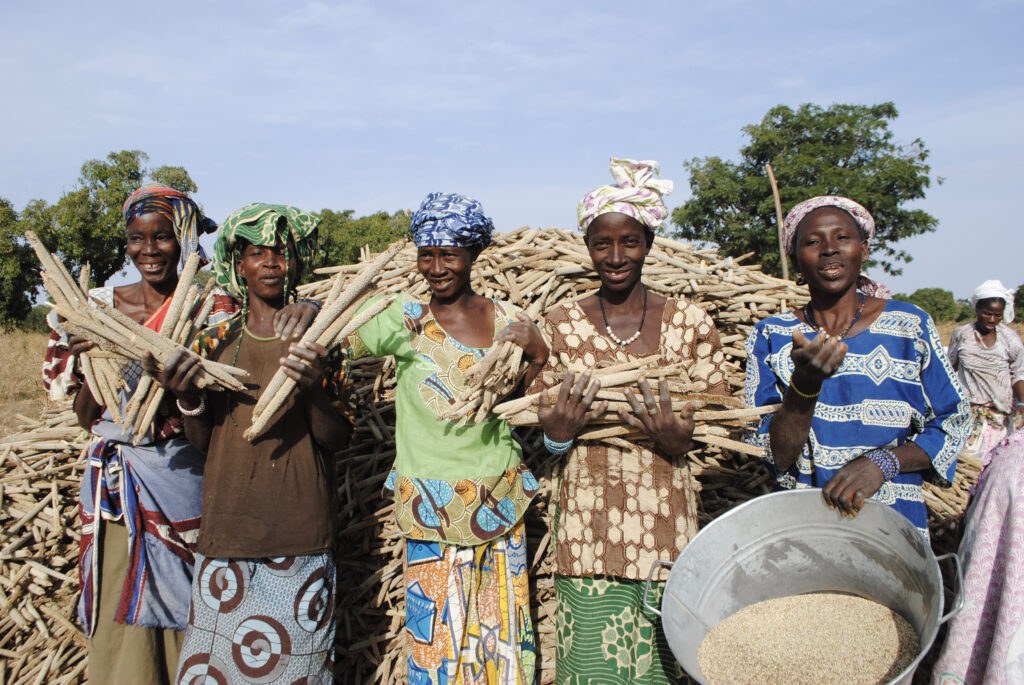
Certain soil fertility improvement technologies have been widely adopted by farmers while others remain underused.
To help answer why, a systematic review conducted within the framework of the Soil Values program by researchers from Wageningen University and Research (WUR) and IFDC in Burkina Faso provides insights based on their analysis of 114 scientific publications covering eight countries: Benin, Burkina Faso, Ghana, Mali, Niger, Nigeria, Senegal, and Togo.
Economic and Institutional Barriers Remain the Main Challenges
The review identifies 23 categories of barriers to adoption. The most common include low farmer incomes, labor shortages, high input costs, insecure land tenure, and limited access to credit, agricultural inputs, and advisory services.
Conversely, access to agricultural extension services, reliable input supply systems, financing, secure land tenure, and supportive public policies are shown to encourage adoption. Farmer organizations also play an important role by facilitating access to resources and knowledge.
Sustainable Adoption Requires Appropriate Support
The review also highlights a significant gap in research on gender inequalities: only three of the 114 analyzed publications explicitly address this dimension. The authors recommend greater consideration of the constraints women face in accessing land, inputs, information, and training.
The authors further emphasize the need to monitor adoption over time, particularly for at least five years after project completion. Such monitoring would help determine whether practices continue once project support mechanisms come to an end.
These findings show that making a technology available is not enough to ensure its adoption. Achieving lasting change requires interventions that address known barriers to adoption, combining technical solutions with access to resources and services, farmer participation, and long-term monitoring.
Funded by the Dutch Directorate-General for International Cooperation (DGIS), the Soil Values program is being implemented over 10 years (2024-2033), led by the International Fertilizer Development Center (IFDC), in consortium with SNV and Wageningen University and Research (WUR), as well as knowledge partners such as AGRA, the Landscape Alliance (CIFOR-ICRAF), the International Institute of Tropical Agriculture (IITA), ISRIC – World Soil Information, and the International Water Management Institute (IWMI).