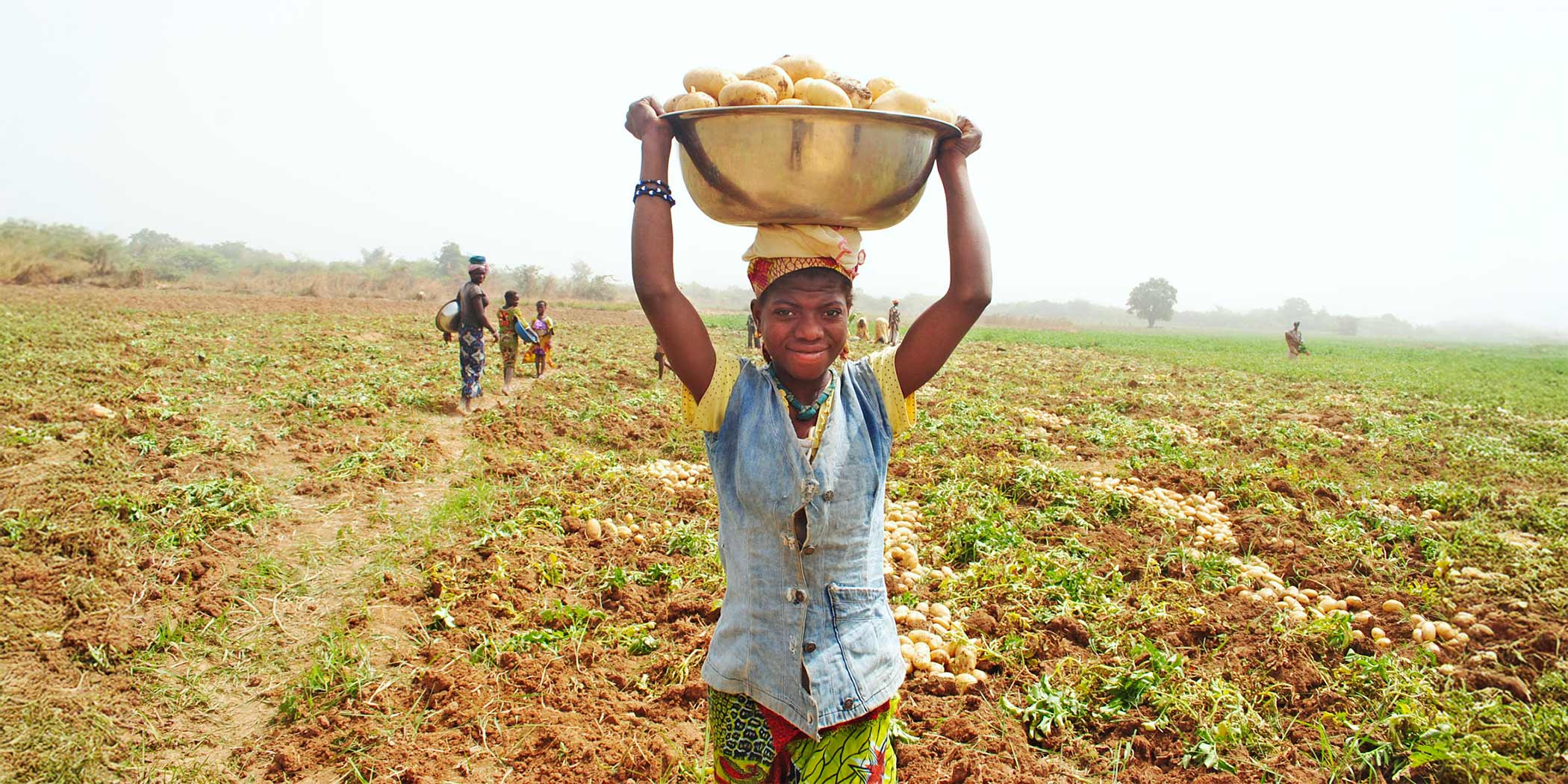
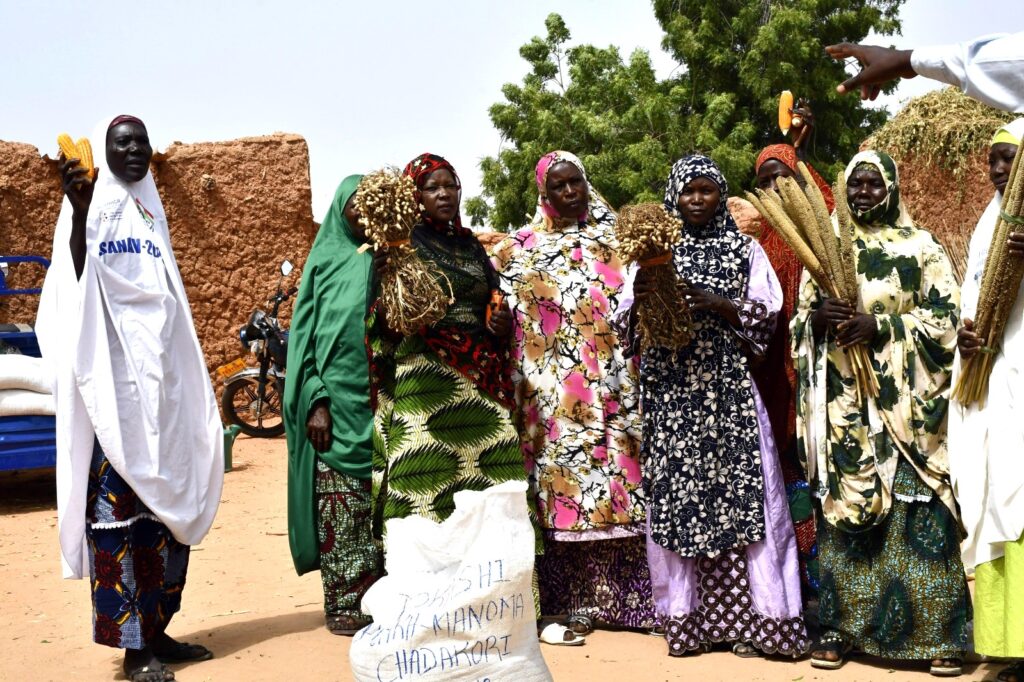
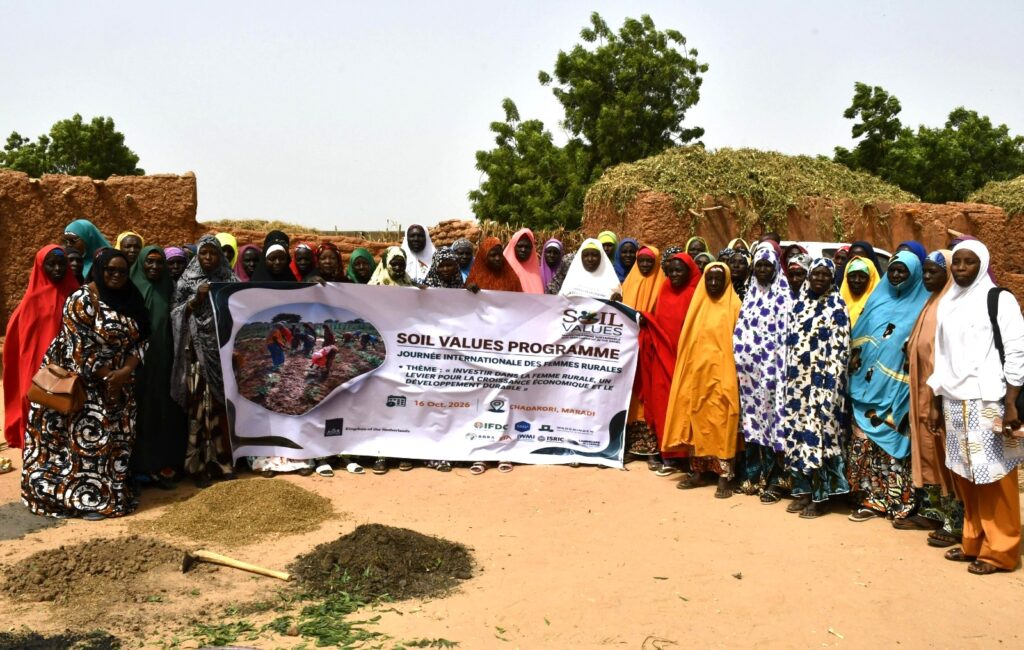
The Soil Values program held a celebration and learning event on October 16 in the village of Chadakori, in Niger’s Maradi Region, to mark the International Day of Rural Women. The event was planned and implemented in cooperation with government technical services and other local actors, bringing together producers from women’s cooperatives, municipal authorities, women’s institutions, agricultural services, and community leaders.
The broader purpose of the event was to support rural women in learning about sustainable soil management, including testing, adapting, and applying practices that respond to the challenges they face. Through Soil Values and its partners, the event connected practical experience with peer learning, local institutions, and discussions about the conditions needed for wider adoption.
Transforming soil health sustainably in the Sahel requires women’s involvement to be more than secondary: they are among those driving change on the ground.
Nafissatou Hassane Alfari
Seeing Soil Solutions in Practice
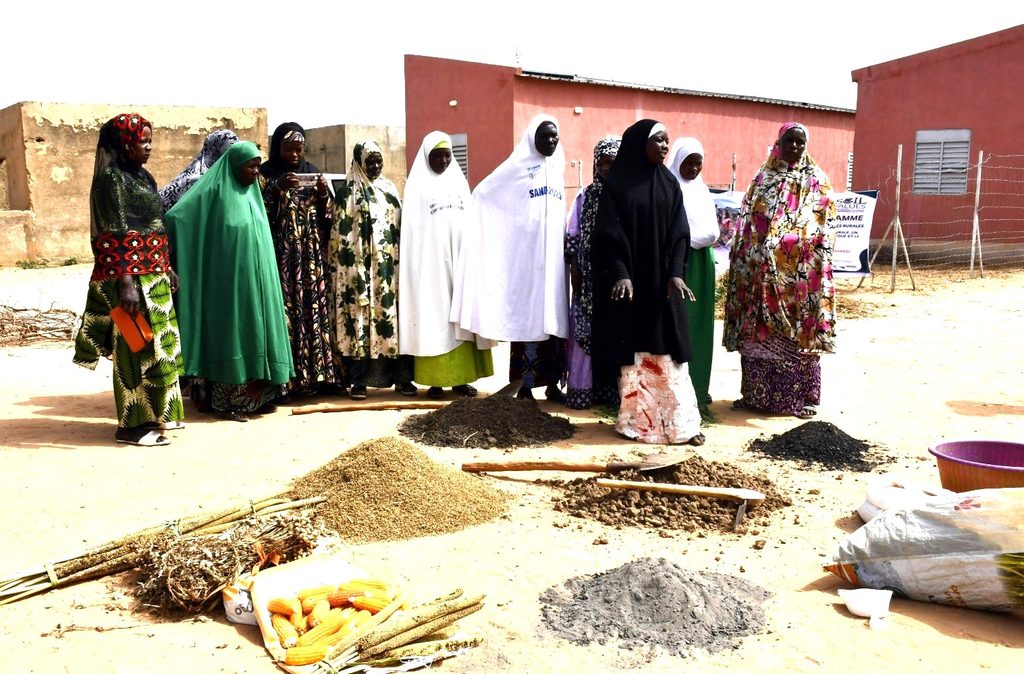
Event participants visited demonstration plots and Farmer Field Schools, where host producers shared the practices being tested. These fields allow a comparison of the use of compost, biochar, and combinations of the two alongside conventional practices, creating an opportunity to evaluate the different methods and determine their suitability for local farming conditions.
Farmers have also been able to explore bokashi as an approach to soil fertility management. Practical bokashi production illustrates how knowledge can be translated into soil fertility solutions and alternatives to purchased inputs.
Exhibiting farmer Djamila Souley, for example, learned to produce bokashi through Soil Values training and now produces organic fertilizer herself, providing an alternative to costly chemical fertilizers.
“Thanks to this training, we now produce our own organic fertilizer, and we are even able to sell it,” Djamila said, noting the on-farm benefits as well as the economic opportunity bokashi production has presented.
Through this practical learning approach, Soil Values and its partners have helped farmers see soil management practices in use, assess their relevance under local conditions, and engage directly with other producers. And as the crop season progresses, farmers can continue to observe the effectiveness of the practices in the field and discuss the factors that may affect their adoption.
Women’s Voices Shape the Conversation
But access to technical knowledge alone does not mean women can put these practices into use. Event discussions highlighted the constraints rural women face in agriculture.
During a thematic discussion on women’s access to opportunities and innovations, participants formulated recommendations for addressing the social and economic barriers that can limit women’s access to land, agricultural inputs, training, and decision-making spaces. These recommendations include strengthening program-supported training and facilitating women’s access to the tools and technologies needed to apply and scale their learning.
“Transforming soil health sustainably in the Sahel requires women’s involvement to be more than secondary: they are among those driving change on the ground,” said Nafissatou Hassane Alfari, Gender Equality and Social Inclusion (GESI) Adviser for the Soil Values program.
Expanding access to soil management practices therefore also means addressing the conditions that determine whether women can use them.
From Celebration to Continued Action
The International Day of Rural Women served as a prime occasion to recognize rural women’s contributions to agriculture, and Chadakori offered an ideal setting in which to connect farmers’ experience, actionable strategies, and institutional support.
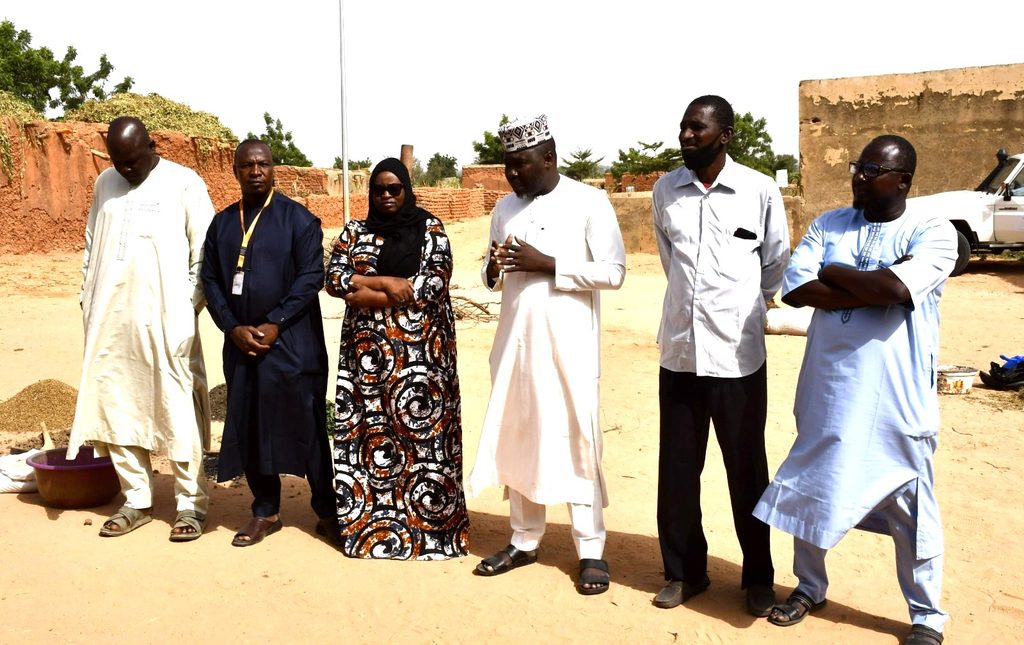
“This day has provided an important opportunity to recognize the efforts of rural women, value their knowledge, and strengthen their participation in efforts to improve soil fertility and promote sustainable agriculture,” said Soumaila Souley, Administrator-Delegate of the commune of Chadakori.
Building on the lessons of the day, Soil Values and its partners will continue strengthening women’s access to practical soil management solutions, peer learning, and the partnerships that can support wider adoption.
In Chadakori, the International Day of Rural Women event created space for rural women to turn soil restoration knowledge into action, benefiting not only their own livelihoods, but those of their communities.
Funded by the Dutch Directorate-General for International Cooperation (DGIS), the Soil Values program is being implemented over 10 years (2024-2033), led by the International Fertilizer Development Center (IFDC), in consortium with SNV and Wageningen University and Research (WUR), as well as knowledge partners such as AGRA, the Landscape Alliance (CIFOR-ICRAF), the International Institute of Tropical Agriculture (IITA), ISRIC – World Soil Information, and the International Water Management Institute (IWMI).