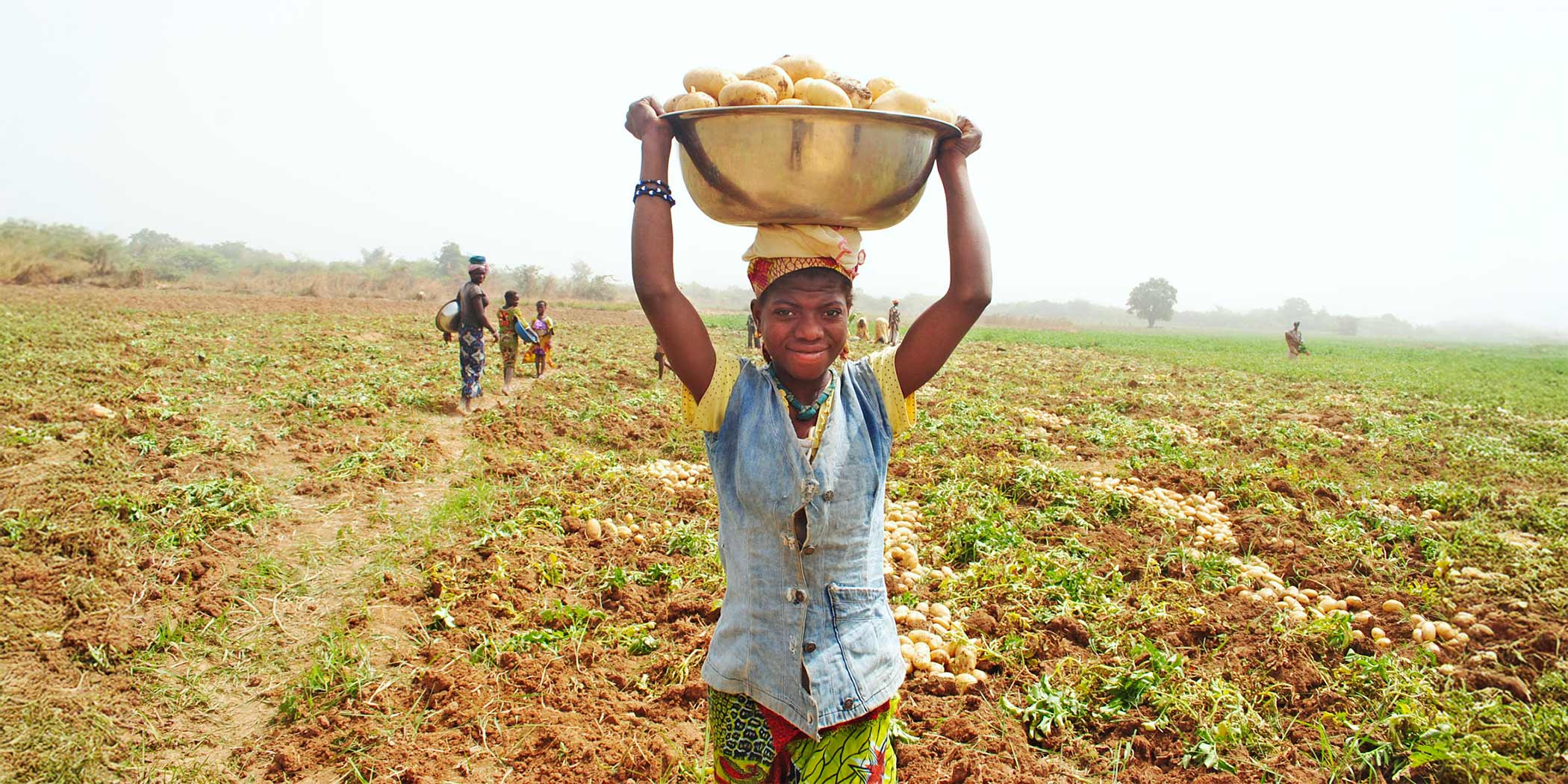
Declining soil fertility and increasingly erratic rainfall are putting growing pressure on farming systems across Burkina Faso. Addressing these challenges requires more than a single technology or input; farmers need specific combinations of improved seeds, organic amendments, mineral fertilizers, and crop management practices such as diversified cropping systems that respond to their soils, production systems, and local conditions.
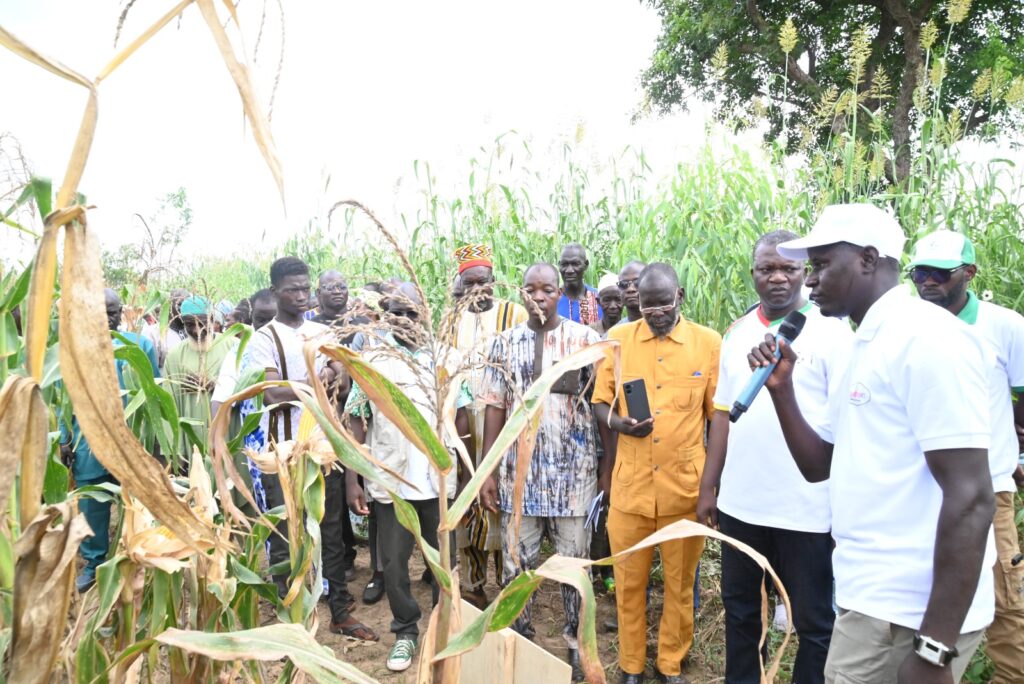
Now, farmers are getting a firsthand look at how these components can work together successfully under increasingly challenging growing conditions. Demonstration plots in the communes of Samendéni, Yako, Boromo, and others, established through collaboration between Soil Values and the Agro-Input Wholesalers and Retailers Association (AGRODIA) of Burkina Faso, are creating practical learning spaces where farmers can compare options and identify solutions suited to their own fields.
“The guided visit allows other farmers to draw inspiration from the demonstration plots and the techniques put in place.”
Samuel Tibi, Provincial Director in charge of Agriculture from Burkina Faso’s Ministry of Agriculture
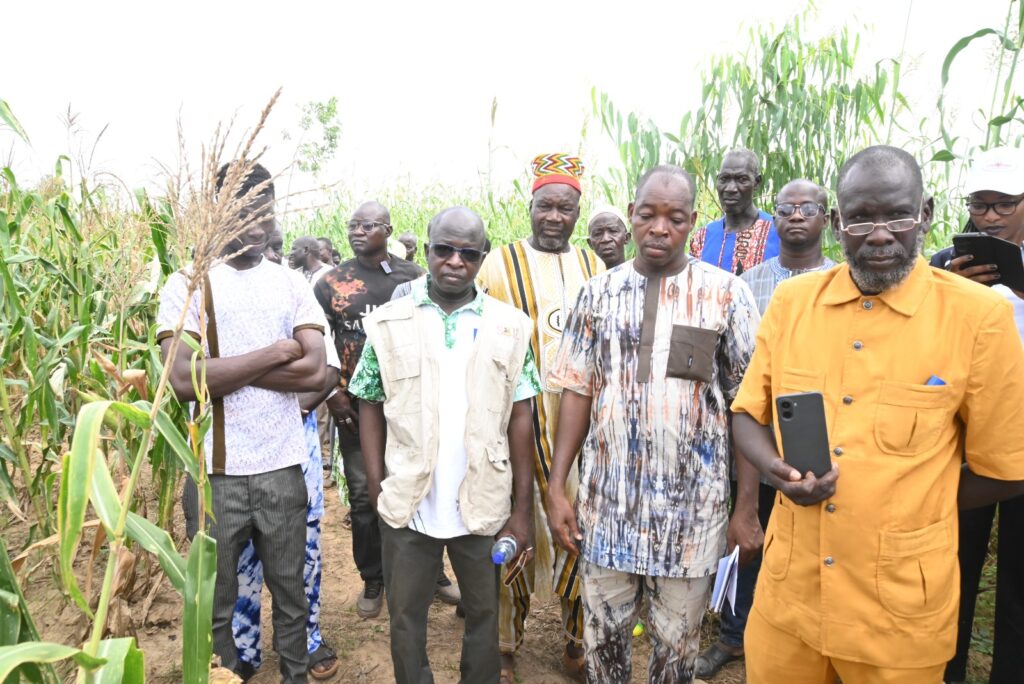
Demonstration plots provide a practical way to explore these options. Rather than learning about technologies in isolation, farmers can see how different practices perform under field conditions, observe approaches, exchange experiences, and consider which combinations could be adapted to their own farms.
Seeing Soil Solutions under Local Conditions
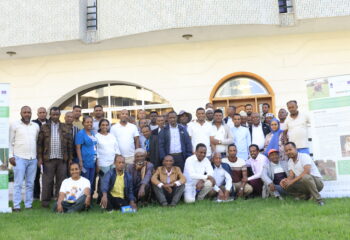
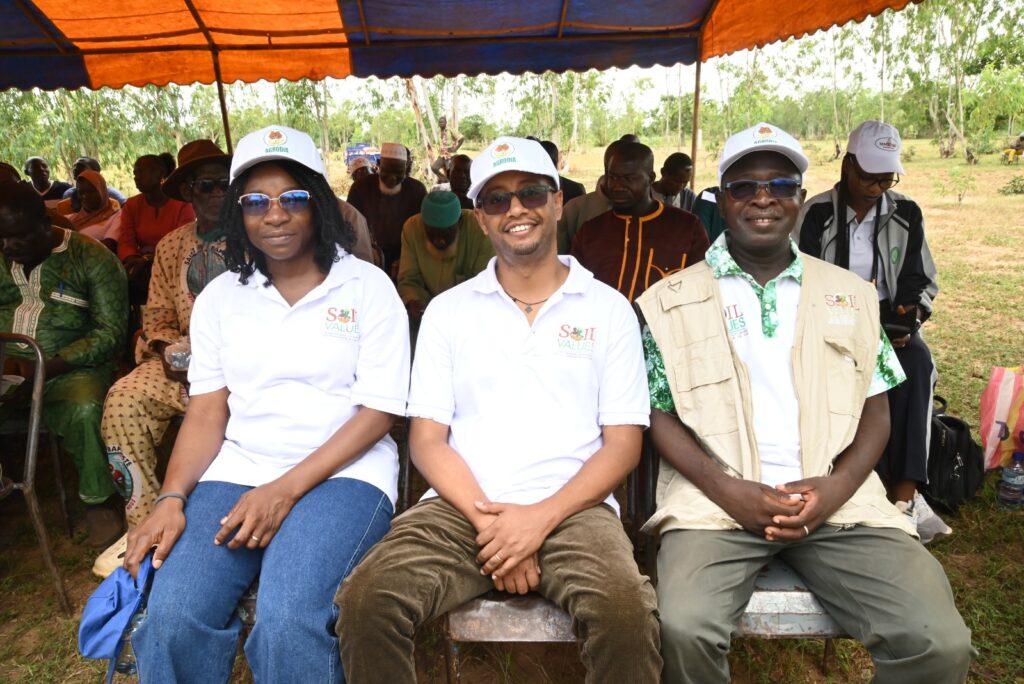
Soil Values and AGRODIA recently brought farmers and other agricultural stakeholders together at the demonstration plots in Samendéni and Yako, and later, Boromo.
Farmers, partners, local authorities, and representatives of technical services, farmer organizations, and the agricultural input sector gathered on September 17 at the Agricultural Technology Transfer Center (CTTA) demonstration plot in Samendéni to examine adapted seed varieties, organic and mineral fertilization options, and maize-cowpea intercropping.
The learning experience continued on September 29 at the Yako demonstration plot, which featured multiple improved and high-yielding crop varieties, including maize, cowpea, sorghum, and millet, giving farmers an opportunity to compare a range of options under the same conditions. Maize-cowpea and maize-groundnut intercropping demonstrated how crop diversification can be combined with soil fertility management.
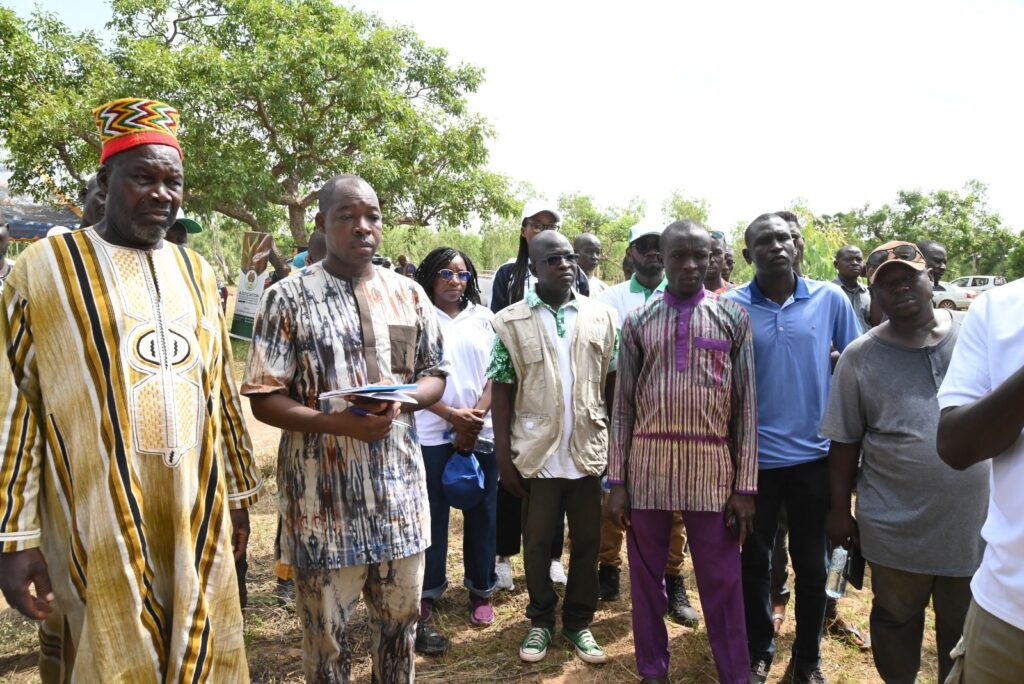
For Léon Zongo, Soil Values Country Coordinator for Burkina Faso, positioning these options where farmers can observe and analyze them is an important step toward encouraging their use beyond the demonstration sites. “The results we have just seen are very encouraging,” he said.
Combining Practices for Healthier, More Resilient Soils
No single input can address declining soil fertility. The demonstration plots therefore show how improved seed varieties, organic matter, appropriate mineral fertilizers, and sound crop management practices can be combined as integrated soil fertility management (ISFM).
Alidou Ouédraogo, a senior agricultural technician at AGRODIA, explained that improved seed varieties, such as those shown at the Yako site, need to be accompanied by adequate soil nutrition. Appropriate practices can address complementary aspects of soil and crop management, and organic amendments can improve soil structure and water-holding capacity, helping crops cope with periods of water stress. Legumes such as cowpea and groundnut diversify production while supporting soil fertility through biological nitrogen fixation.
Together, these ISFM practices give farmers an opportunity to assess how different combinations could help them manage soil fertility, support crop productivity, and strengthen the resilience of their own production systems.
Using Local Networks to Extend Learning
The activities in Samendéni and Yako are part of broader efforts by Soil Values and AGRODIA to promote ISFM in Burkina Faso, with demonstration activities also extending into areas such as Boromo, where AGRODIA organized a guided visit to additional plots on October 8, showcasing improved maize, sorghum, and millet varieties, alongside good soil fertilization practices.
“The message we want to convey is the importance of using high-yielding, high-performance seeds, as well as maize-specific fertilizers,” emphasized Adama Ouédraogo, President of AGRODIA.
Samuel Tibi, Provincial Director in charge of Agriculture from Burkina Faso’s Ministry of Agriculture, welcomed the initiative, noting, “The guided visit allows other farmers to draw inspiration from the demonstration plots and the techniques put in place.”
The collaboration between Soil Values and AGRODIA reflects the program’s approach of working through local actors and existing agricultural networks to expand access to sustainable soil management knowledge and solutions. AGRODIA’s connections with farmers and the agricultural input sector provide a platform for linking technical knowledge and agricultural technologies with the people who can assess and apply them in their own farming systems.
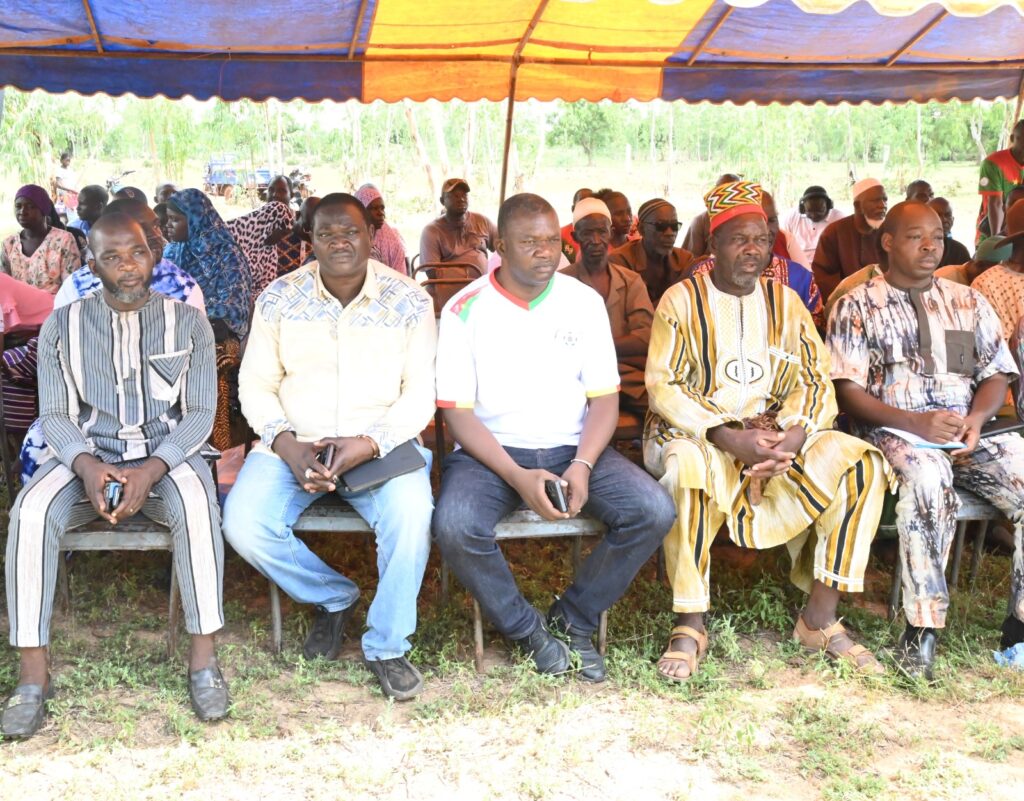
By bringing together farmers, agricultural input suppliers, technical services, farmer organizations, local authorities, and other stakeholders, the partnership also creates opportunities for knowledge to move among actors who influence farmers’ access to information, technologies, and inputs.
This strategy matters because seeing technologies at a demonstration site is only one step; the longer-term value of these demonstrations will be measured beyond the plots themselves. Moving from demonstration to wider use depends on farmers being able to access, adapt, and apply appropriate practices in their own fields.
By working with local partners such as AGRODIA, Soil Values is helping create pathways for farmers to make use of practical soil management knowledge and solutions beyond individual demonstration sites, right in the agricultural systems they already rely on.
Funded by the Dutch Directorate-General for International Cooperation (DGIS), the Soil Values program is being implemented over 10 years (2024-2033), led by the International Fertilizer Development Center (IFDC), in consortium with SNV and Wageningen University and Research (WUR), as well as knowledge partners such as AGRA, the Landscape Alliance (CIFOR-ICRAF), the International Institute of Tropical Agriculture (IITA), ISRIC – World Soil Information, and the International Water Management Institute (IWMI).