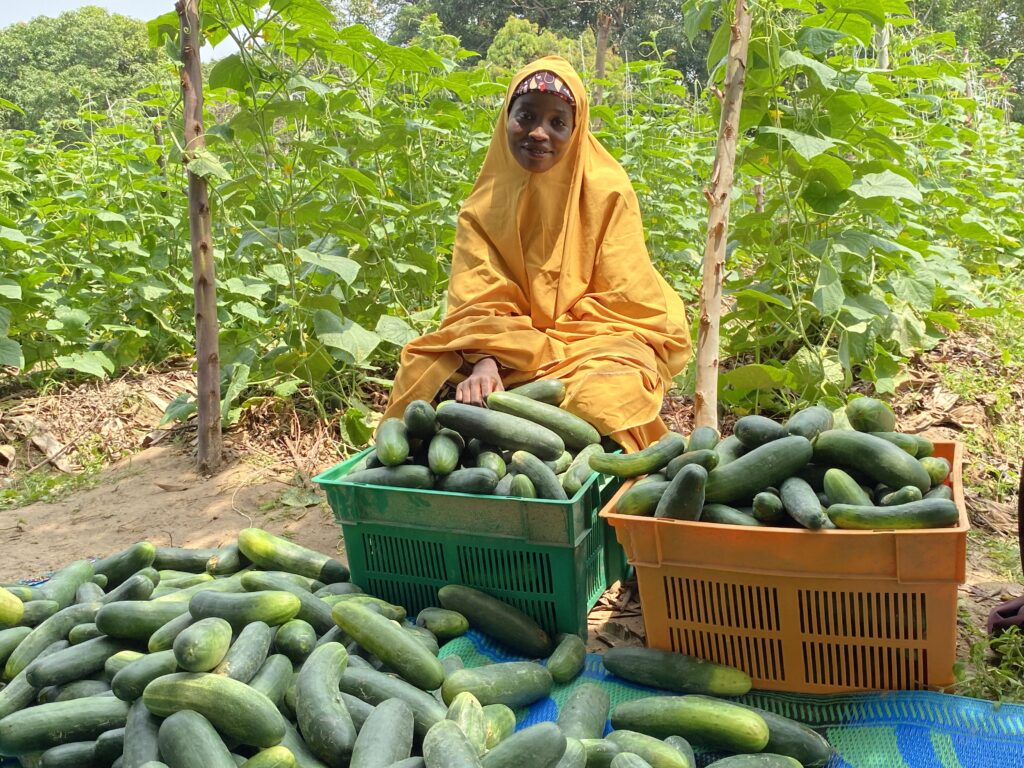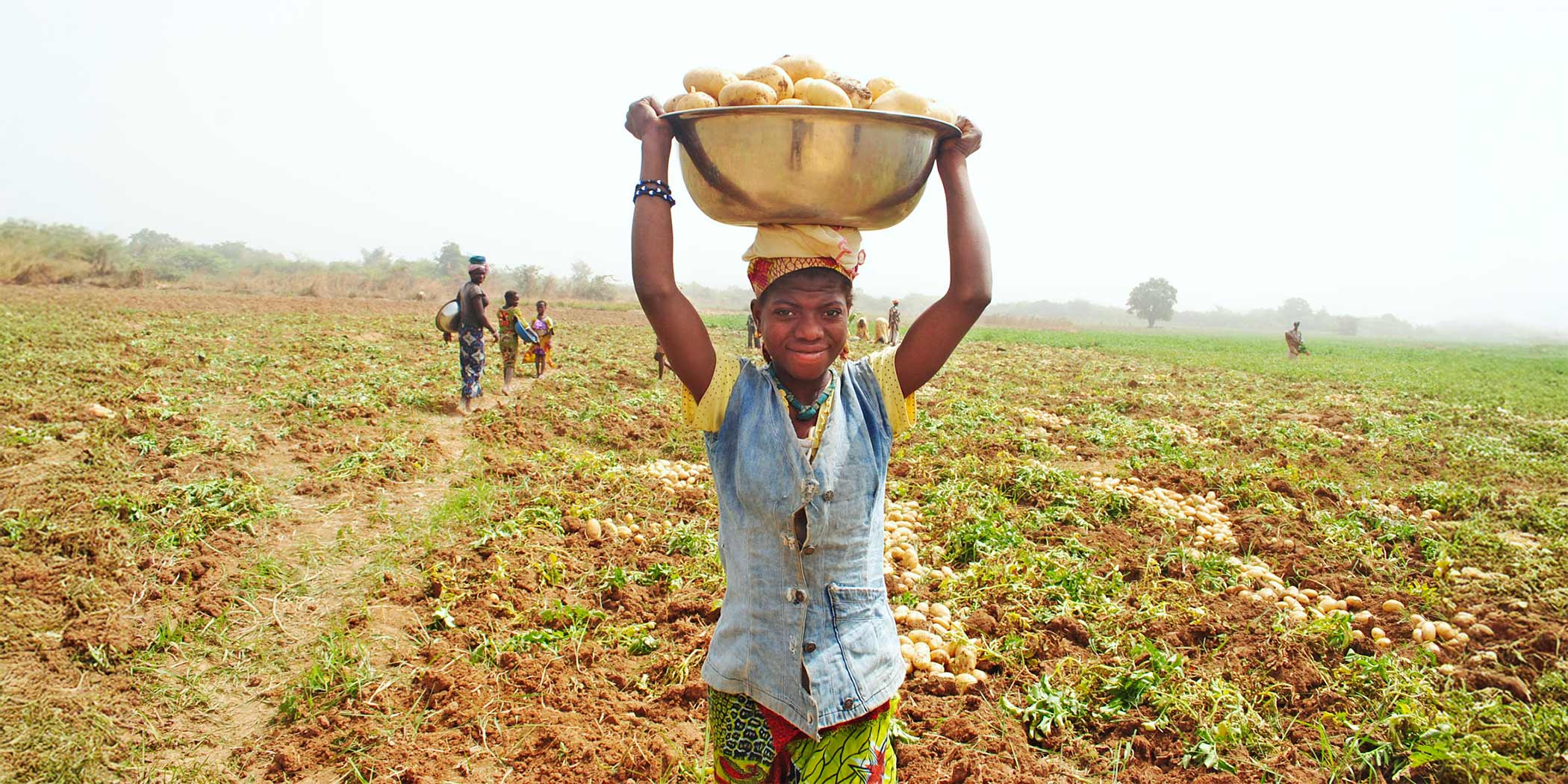
Many farmers in Ethiopia have already seen the benefits of sustainable soil management strategies. After participating in training supported by the Transform Soil Fertility Management in Ethiopia (TRANSFORM), with topics such as vermicompost production and use, they applied strategies they learned to their fields and observed improved crop performance.
Such success highlights the importance of pairing innovative products with practical training and farmer demonstrations.
“TRANSFORM has created a unique space where all actors across the biofertilizer value chain can sit together, openly discuss the bottlenecks, and jointly identify solutions that ultimately benefit farmers.”
Tilahun Zegeye, Production and Laboratory Manager at Menagesha Integrated Organic Farm PLC
However, not all farmers have access to fertilizers or other products that these farmers found through TRANSFORM. “In Omonada, the cost of chemical fertilizer is very high, and many farmers have had to sell livestock to cover fertilizer expenses,” said Nura Abagidi, a participating farmer from the Omonada woreda in Oromia.
This is the reality facing many Ethiopian farmers. They are seeking affordable and effective ways to improve soil fertility and sustain productivity.
In response to these challenges, TRANSFORM is using its market systems approach to bring together businesses, farmers, cooperatives, researchers, agro-dealers, and public institutions to address barriers that prevent successful soil fertility innovations from reaching more farmers.
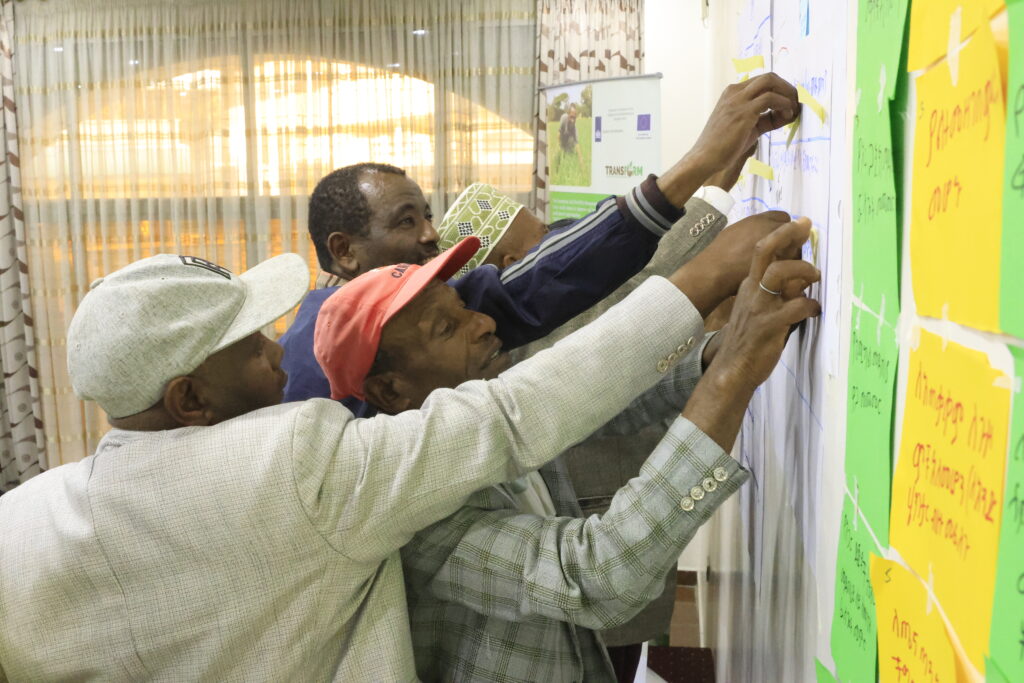
In recent weeks, TRANSFORM has established four partnerships with private sector businesses to expand access to their innovative and sustainable soil fertility solutions, including Menagesha Integrated Organic Farm PLC (MIOF) for biofertilizers, Dashen Cement Factory PLC for granulated agricultural lime, Mela Organics for liquid fertilizers, and Melkam Endale Dairy Farm and Milk Processing PLC for bio-slurry soil health products.
Together, these partners aim to diversify Ethiopia’s soil input market and expand farmers’ access to sustainable soil health solutions.
Bringing Market Actors Together to Unlock Opportunities
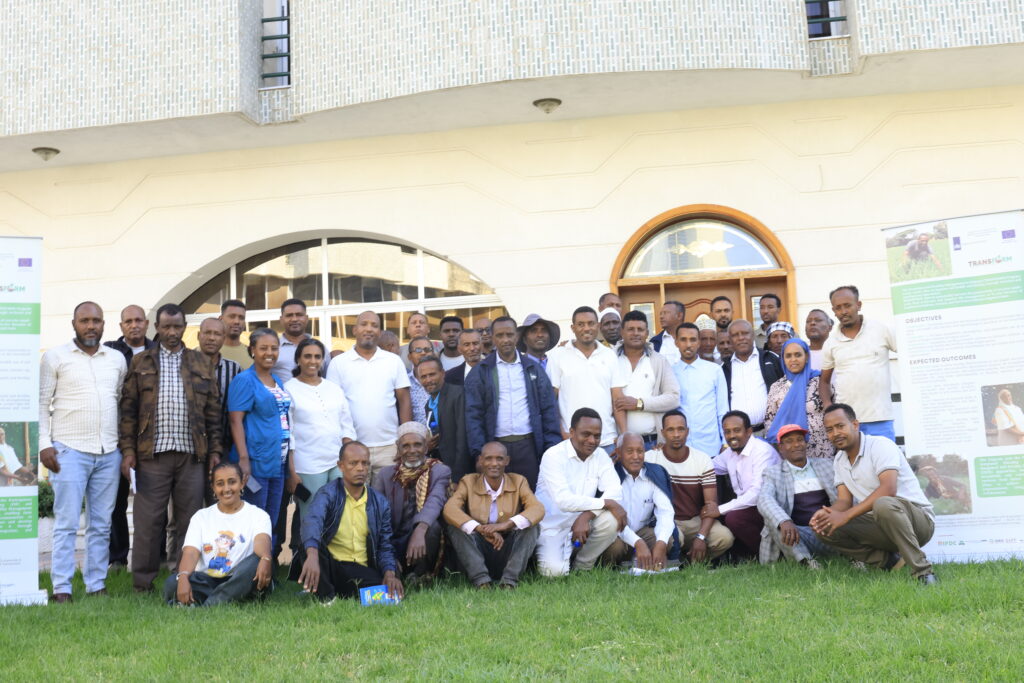
Co-creation workshops have provided the partner companies with a platform to engage stakeholders across their respective value chains and address constraints affecting production, quality assurance, regulation, distribution, and adoption.
For MIOF, this engagement creates an opportunity to address challenges that individual companies may struggle to resolve independently.
“As a private company, it would have been extremely difficult for us to bring together such a diverse group of stakeholders,” said Tilahun Zegeye, Production and Laboratory Manager at MIOF. He continued, “TRANSFORM has created a unique space where all actors across the biofertilizer value chain can sit together, openly discuss the bottlenecks, and jointly identify solutions that ultimately benefit farmers.”
Similar opportunities are opening up for the other partners. Mahlet Tadese, Owner and Deputy Manager at Mela Organics, remarked that the partnership offers a pathway to overcome business constraints while advancing the company’s mission to serve more farmers: “This partnership with TRANSFORM comes at a critical time, helping us address challenges such as financing and regulatory requirements that are difficult to overcome on our own. By strengthening supply chains and expanding market access, the partnership will enable us to reach more farmers and deliver solutions that improve soil health and agricultural productivity.”
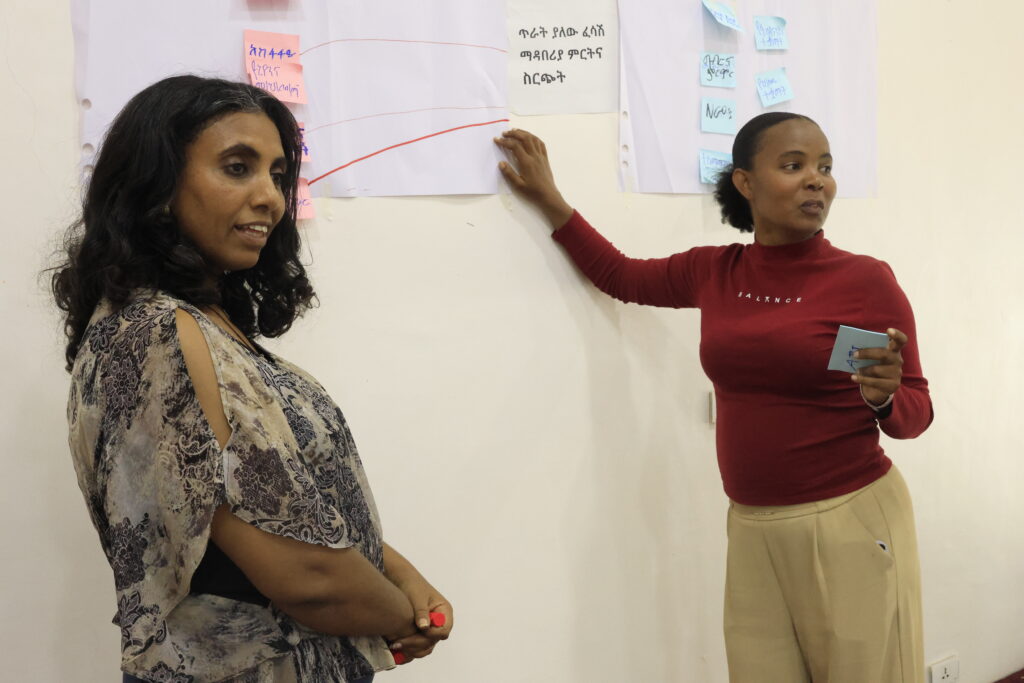
Beyond improving market coordination, the partnerships are expected to create opportunities for participating companies to strengthen their production capacities, improve product quality, and expand their market reach, which will also lead to employment and entrepreneurship opportunities, especially for women and youth, across the agricultural input value chain.
Making Soil Fertility Innovations More Accessible to Farmers
For farmers, the value of these partnerships will ultimately depend on whether the innovations are accessible, affordable, and practical to use. Access to lime, for example, can be improved through TRANSFORM’s partnerships.
“Until now, farmers have largely relied on powdered agricultural lime, which can be difficult to handle, transport, store, and apply uniformly in the field,” said Fentahun Getachew, Production and Quality Control Manager at Dashen Cement Factory. “Through this partnership, we are working to introduce granulated agricultural lime, an innovative product that is easier to transport, store, and apply.”
The combination of Dashen Cement’s production capacity and TRANSFORM’s market systems approach will strengthen access to quality agricultural lime and support efforts to improve soil health and agricultural productivity.
Laying the Foundation for Sustainable Agricultural Transformation
While these innovations offer significant potential, participants identified several barriers to wider adoption, including low farmer awareness, limited technical validation, weak distribution systems, quality assurance concerns, and regulatory constraints. Recommended solutions include stronger farmer demonstrations, closer collaboration with research institutions, improved standards and certification systems, and stronger market linkages.
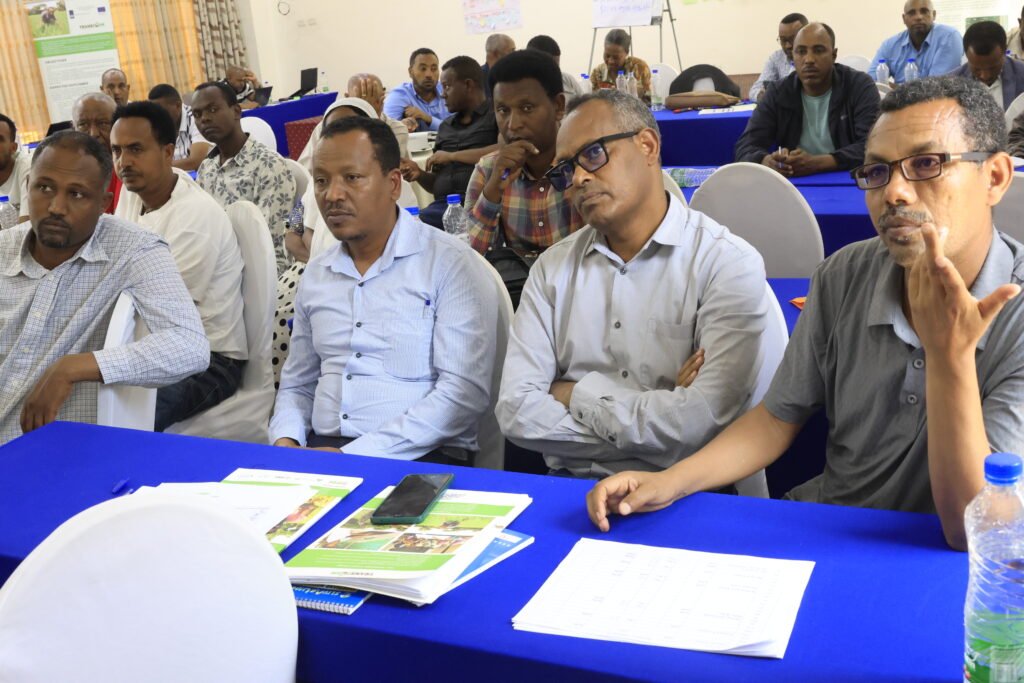
These partnerships are doing more than introducing new products; they are demonstrating the power of collaboration to accelerate agricultural innovation. By connecting private companies with other stakeholders, TRANSFORM is helping create the right conditions for sustainable soil fertility solutions to reach more farmers and deliver lasting impact.
From biofertilizers and liquid fertilizers to granulated lime and bio-slurry products, TRANSFORM’s partnership initiative is laying the foundation for a more diverse, resilient, and farmer-centered soil input market in Ethiopia, one that enables farmers to improve productivity through affordable and accessible soil fertility solutions.
The TRANSFORM project (2025-2028) is funded by the Embassy of the Kingdom of the Netherlands and the European Union and is implemented by a consortium comprising the International Fertilizer Development Center (IFDC), Wageningen University & Research/Wageningen Environmental Research, ISRIC – World Soil information, Environment and Coffee Forest Forum (ECFF), and SOS Sahel Ethiopia.
TRANSFORM is made possible by the support from the Dutch Ministry of Foreign Affairs.