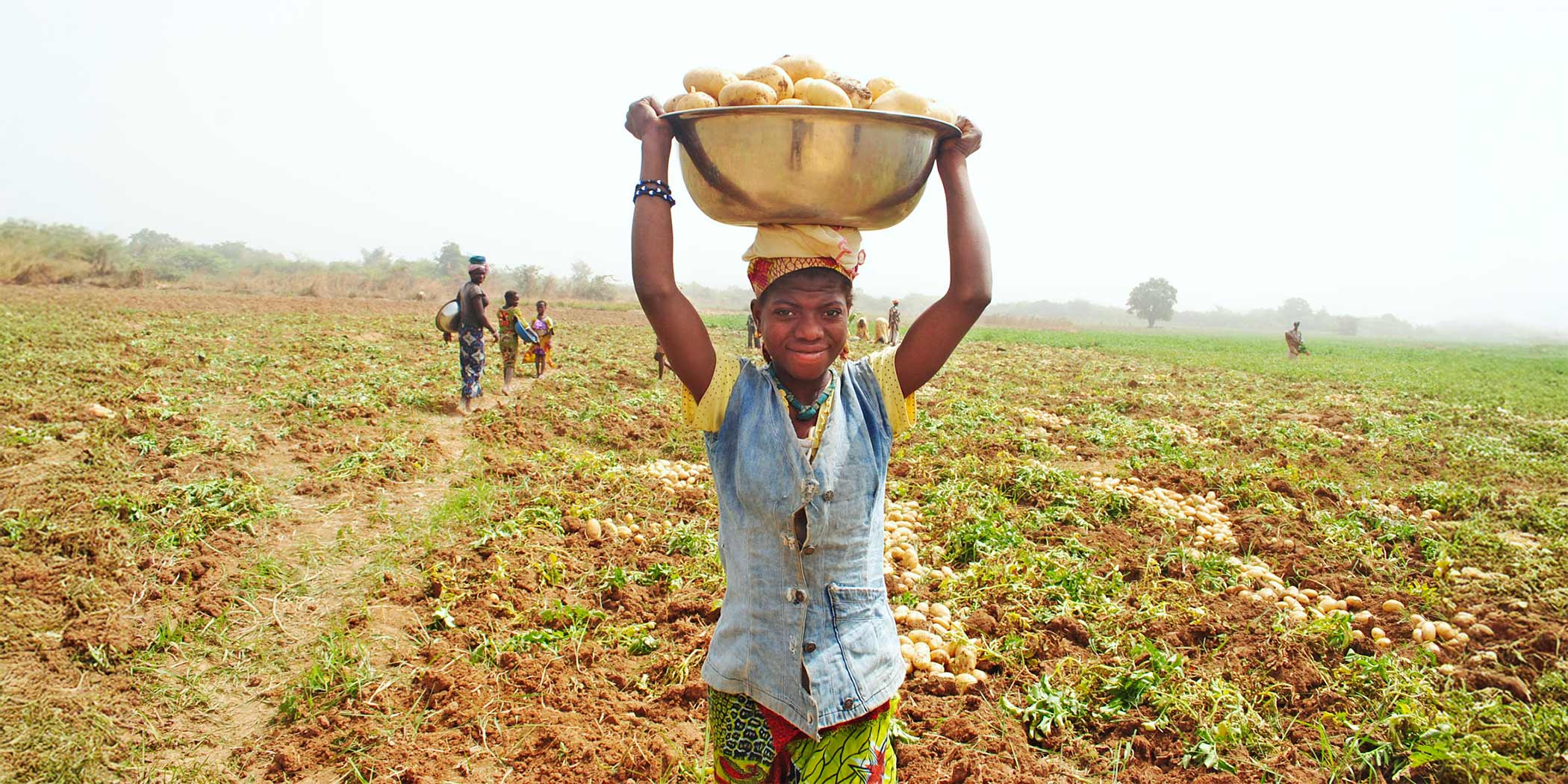
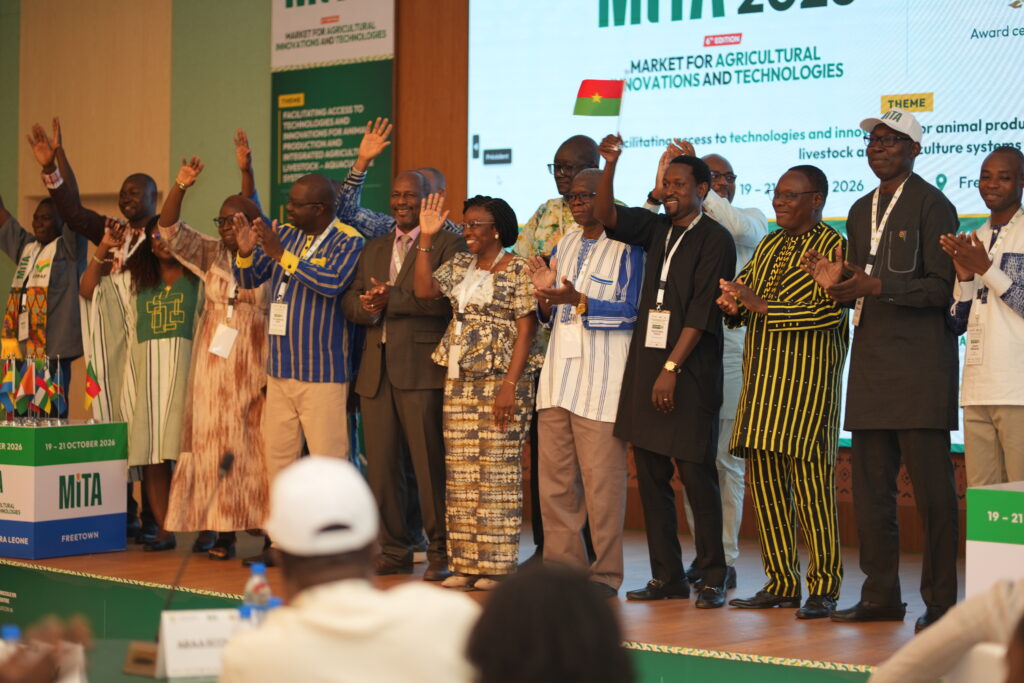
At the Agricultural Innovations and Technologies Marketplace (MITA) 2026 event, the Soil Values program positioned soil health and soil fertility at the center of agricultural innovation.
Organized by the West and Central African Council for Agricultural Research and Development (CORAF) and held October 19‑21 in Freetown, Sierra Leone, MITA 2026 brought together policymakers, researchers, entrepreneurs, development partners, and agricultural innovators from across the region. More than a visibility opportunity, the event was a strategic forum where Soil Values demonstrated that healthy soils are fundamental to productive farms, resilient livelihoods, climate adaptation, and sustainable food systems.
Through technical exchanges, high-level engagement, innovation showcases, new partnerships, and the launch of the first-ever Soil Values Special Prize, the program advanced a clear message, expressed when Soil Values Deputy Director of Partnerships Nassourou Diallo remarked, “As MITA 2026 highlights the power of technology and innovation, your work reminds us of a fundamental truth: every innovation ultimately depends on the health of the soil beneath our feet.”
“We are developing technologies. We are developing innovations for people. So receiving the award is an acknowledgment that what we are doing is very, very much in the right direction.”
Mohamed Samu, Founder of EntoTech Innovations
Reframing Innovation through the Lens of Soil Health
MITA 2026 focused on technologies and innovations for animal production and integrated agriculture-livestock-aquaculture systems while promoting climate-smart, gender-responsive, and scalable solutions.
In this context, Soil Values brought a complementary perspective. While technologies, business models, and farming practices continue to evolve, their long-term success ultimately depends on the fertility and health of the soils that sustain agricultural production.
Throughout the event, the program stressed that improved soil management supports higher productivity, more efficient use of resources, greater resilience to climate shocks, and stronger farming systems. Whether discussions centered on integrated crop-livestock systems, agribusiness development, entrepreneurship, or technology adoption, Soil Values consistently demonstrated that healthy soils underpin sustainable agricultural growth.
Women and Youth in Soil Health and Agriculture
The program also emphasized gender-responsiveness and the critical role of youth and women in transforming research and innovation into practical services, market opportunities, and scalable business models.
Mary Kachollom Hwyere, Multi-Country Gender Equality and Social Inclusion (GESI) Expert for the Soil Values program, remarked on women and young people as active contributors: “Women and youth are not merely beneficiaries of agricultural development; they are innovators, entrepreneurs, and important drivers of agricultural transformation.”
By ensuring that diverse voices are part of the innovation ecosystem, Soil Values seeks to promote solutions that are not only technically sound, but also accessible, relevant, and scalable across different agricultural contexts.
Soil Health Gains Visibility in Regional Innovation Conversations
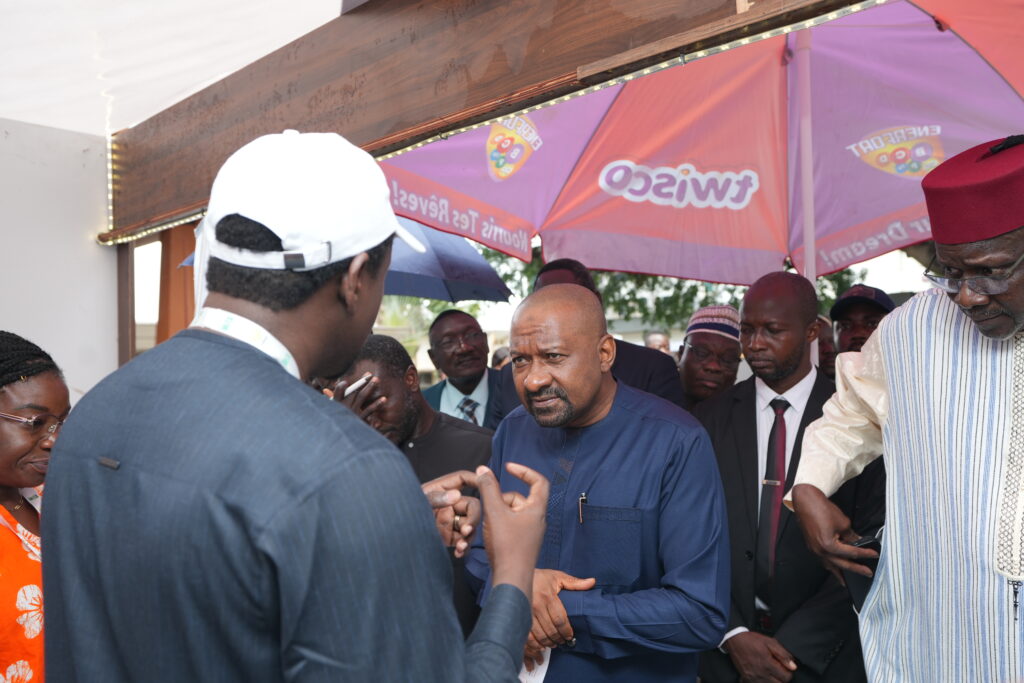
MITA provided Soil Values with an important platform to engage governments, research institutions, development partners, private sector actors, and farmer organizations from across the region.
Dr. Komla Kyky Ganyo, a researcher at CORAF, noted Soil Values’ contributions to the broader agricultural agenda: “By bringing technologies that help improve soil health and consequently, food systems and productivity, Soil Values is providing valuable support. It helps us take a more inclusive approach to our work and address all value chains and all areas of agricultural development.”
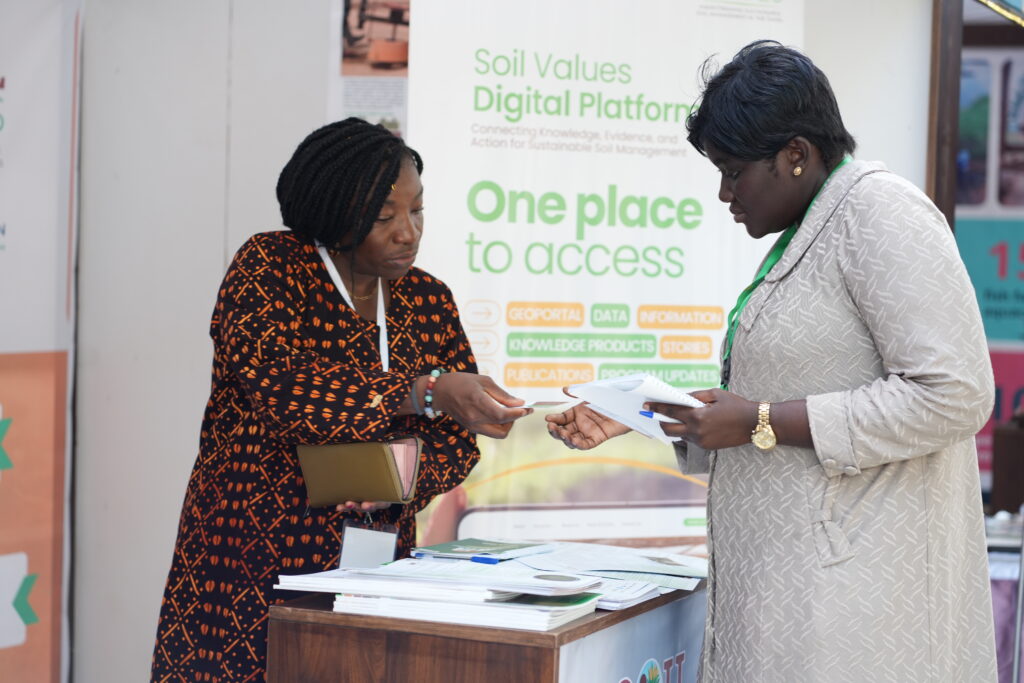
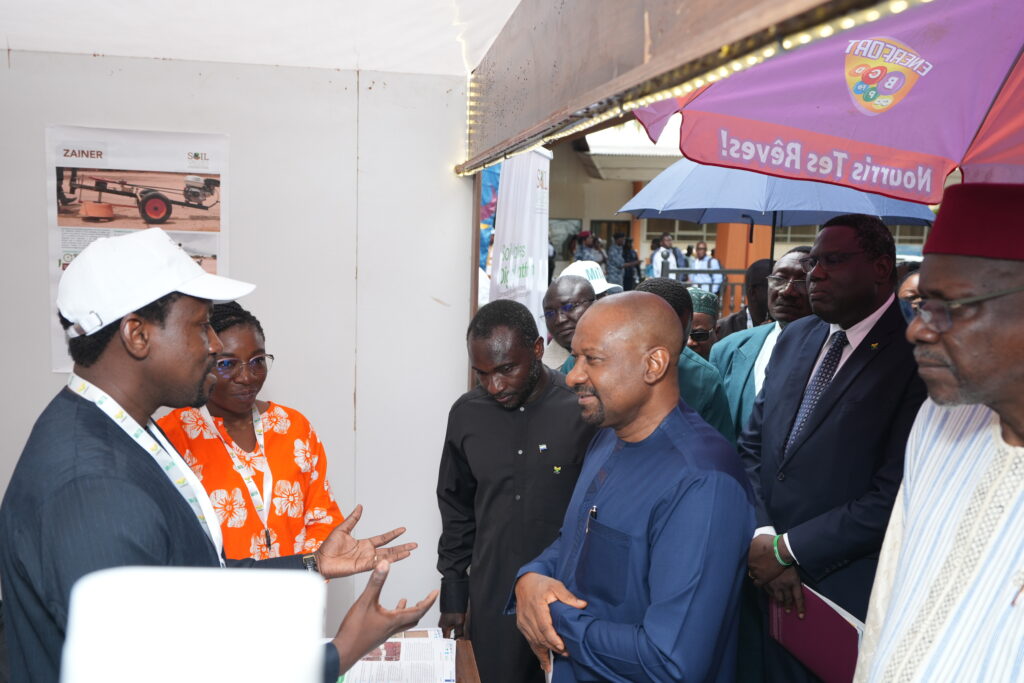
Building on this recognition, Soil Values showcased practical solutions, exchanged knowledge with innovation actors, and explored new opportunities for collaboration. Discussions focused on strengthening partnerships, scaling proven approaches, and ensuring that sustainable soil management remains a core component of agricultural development strategies.
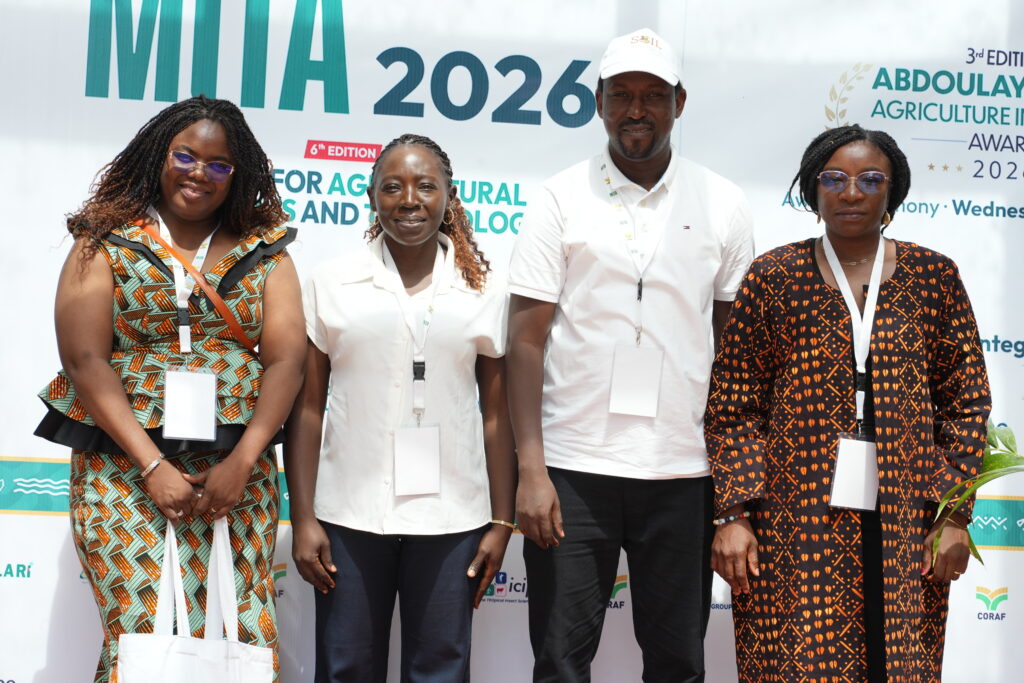
These talks reflected a growing recognition that investments in agricultural innovation, climate resilience, and food security must be accompanied by efforts to restore and maintain the natural resource base that sustains agricultural production, and they created opportunities to advance collaboration around such efforts.
Soil Values Deputy Director – Technical Dr. Alimata Arzouma Bandaogo underscored the importance of these collaborations and partnerships: “Soil Values is based on partnership and the scaling of evidence-based solutions for farmers and agro-pastoralists. MITA provides an opportunity to work with partners, explore opportunities, and scale these technologies to farmers.”
Recognizing Innovation That Starts from the Ground Up
A notable highlight for Soil Values at MITA 2026 was the launch of the Soil Values Special Prize. Presented for the first time at the event, the prize was created to recognize innovators whose work contributes to healthier soils, more sustainable farming practices, and stronger rural livelihoods, and to identify solutions with strong potential for wider adoption, learning, and scaling.
At the heart of the Soil Values Special Prize is the core belief that innovation does not emerge only from research institutions and laboratories; it also comes from farmers, entrepreneurs, and members of community organizations who are developing local solutions under real-world conditions.
With this belief in mind, Soil Values recognized six agricultural innovators from youth- and women-led initiatives and the private sector who are developing locally adapted solutions for sustainable land management and improved soil fertility. Winners were selected by the relevance of their innovation to Soil Values priorities, along with its practicality, scalability, sustainability, and climate and environmental contribution.
In addition to recognition and financial support, recipients gained visibility and the opportunity to connect with a wider network of partners, investors, researchers, policymakers, and development organizations.
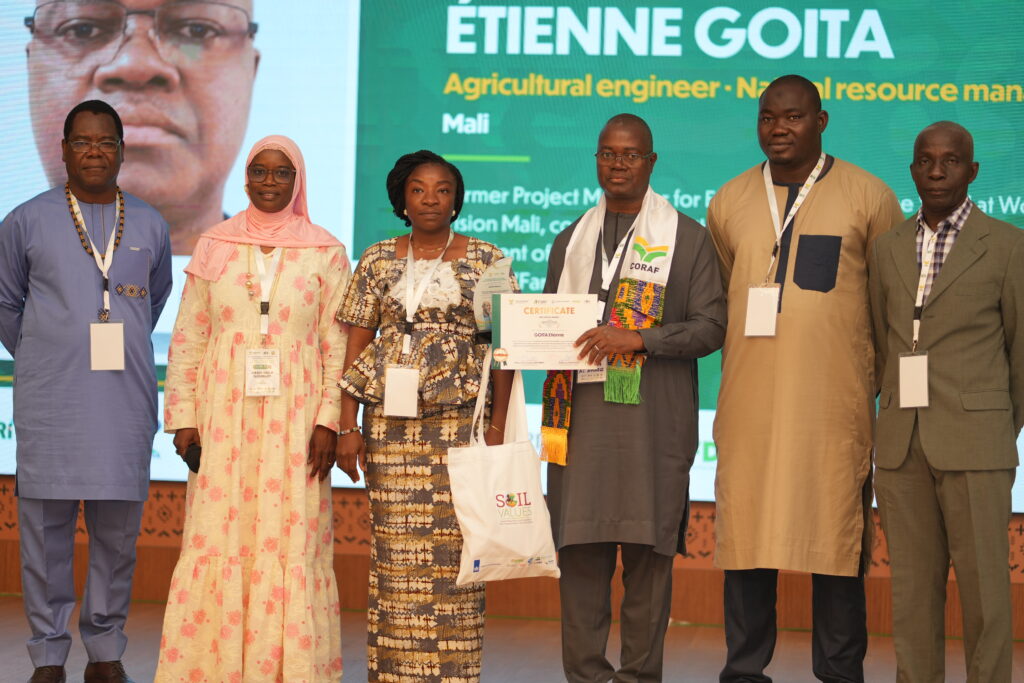
Unlike many innovation competitions that end at recognition, the Soil Values Special Prize is designed as an entry point for continued engagement with innovators whose technologies and approaches can contribute to agricultural transformation across the region. Soil Values views these innovators as critical partners in advancing solutions that can improve productivity and strengthen resilience throughout West Africa.
One winner was Mohamed Samu, Founder of EntoTech Innovations in Sierra Leone. The prize recognized his work on Black Soldier Fly technology, an innovation aligned with Soil Values’ interest in circular agriculture and resource efficiency.
Receiving the Soil Values Special Prize affirmed the value of Samu’s work and its potential to contribute to positive change. He commented, “We are developing technologies. We are developing innovations for people. So receiving the award is an acknowledgment that what we are doing is very, very much in the right direction.”
Diallo described the awards as investments, both in innovators and the future of sustainable agriculture, and referred to them as seeds to be planted: “We encourage those recipients to use these seeds to create far greater impact on soil health and soil fertility in the coming years.”
The Soil Values Special Prize creates opportunities to document successful practices, encourage peer learning, and connect innovators with organizations that can help accelerate the adoption and scaling of their solutions. Soil Values will continue to present the prize at future editions of MITA, and more importantly, the program will continue to work hand in hand with prize recipients beyond the ceremony.
From Recognition to Scaling
MITA 2026 was the beginning of a longer-term effort for Soil Values to identify, support, and scale promising innovations across the region.
The event strengthened partnerships, created new opportunities for collaboration, and helped identify and support innovators whose solutions have the potential to benefit more farmers. More importantly, it reinforced the value of bringing together researchers, innovators, policymakers, development partners, and the private sector around a shared goal: accelerating the adoption of solutions that improve agricultural productivity while strengthening the resource base on which farming depends – healthy and productive soils.
Successful farming systems, profitable agricultural enterprises, and resilient rural livelihoods are built on this foundation.
As West Africa continues to invest in agricultural transformation, Soil Values remains committed to ensuring that healthy soils remain central to these efforts. By moving from recognition and discussion to action, Soil Values aims to help promising local innovations generate lasting impact. Continued collaboration with innovators and partners will enable the program to transform these solutions into scalable approaches that contribute to healthier soils, stronger livelihoods, and more resilient food systems across West Africa.
Through its participation at MITA 2026, Soil Values helped connect innovation, investment, gender-responsiveness, and sustainability, demonstrating that soil health is an environmental objective requiring strategic investment for the future of agriculture.
Funded by the Dutch Directorate-General for International Cooperation (DGIS), the Soil Values program is being implemented over 10 years (2024-2033), led by the International Fertilizer Development Center (IFDC), in consortium with SNV and Wageningen University and Research (WUR), as well as knowledge partners such as AGRA, the Landscape Alliance (CIFOR-ICRAF), the International Institute of Tropical Agriculture (IITA), ISRIC – World Soil Information, and the International Water Management Institute (IWMI).