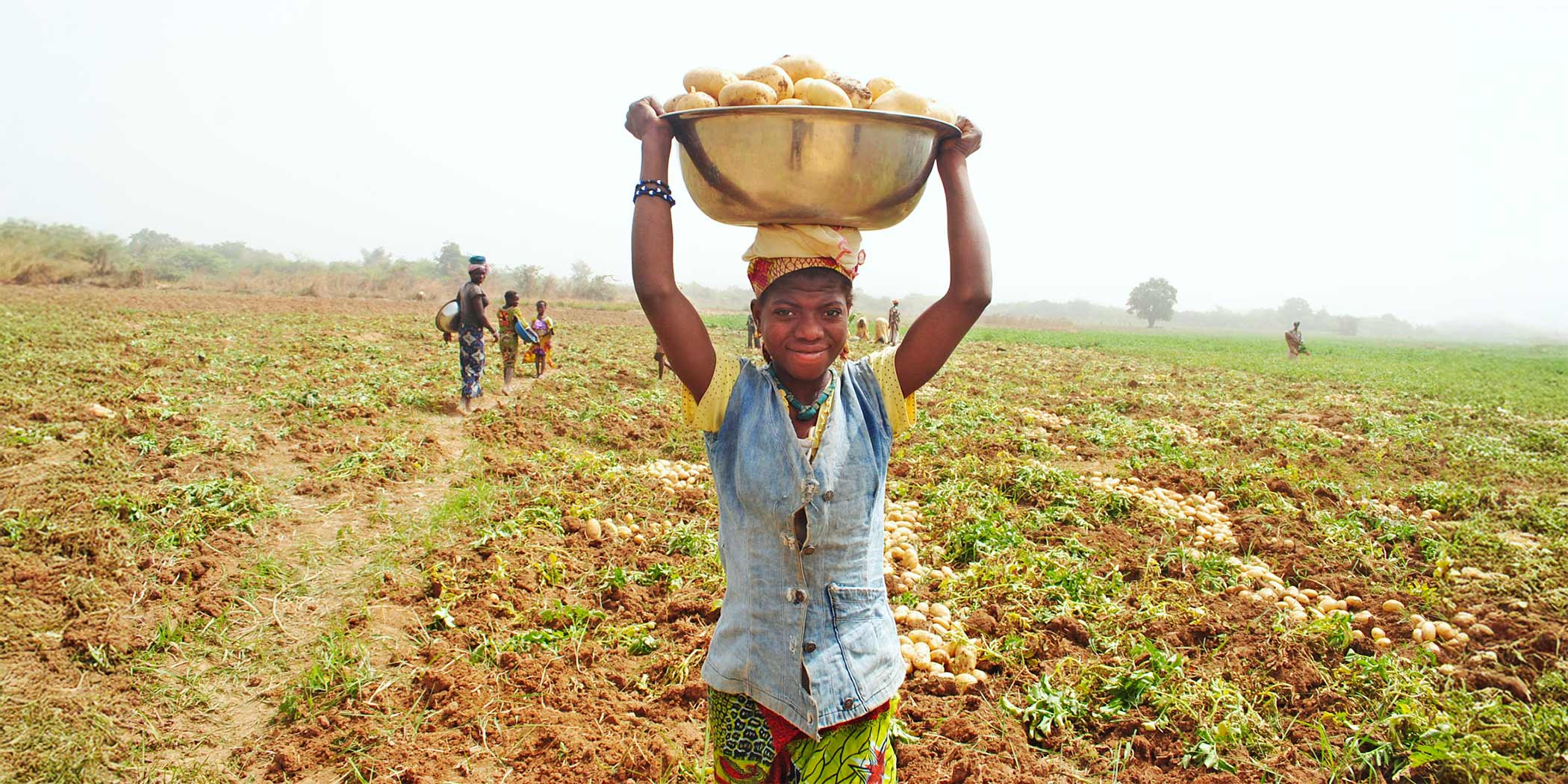
IFDC and the Economic Community of West African States (ECOWAS) Commission are strengthening the foundations of food security, climate resilience, and sustainable economic development across West Africa and the Sahel through a recently renewed partnership that places soil health at the center of their efforts to transform agricultural systems in the region.
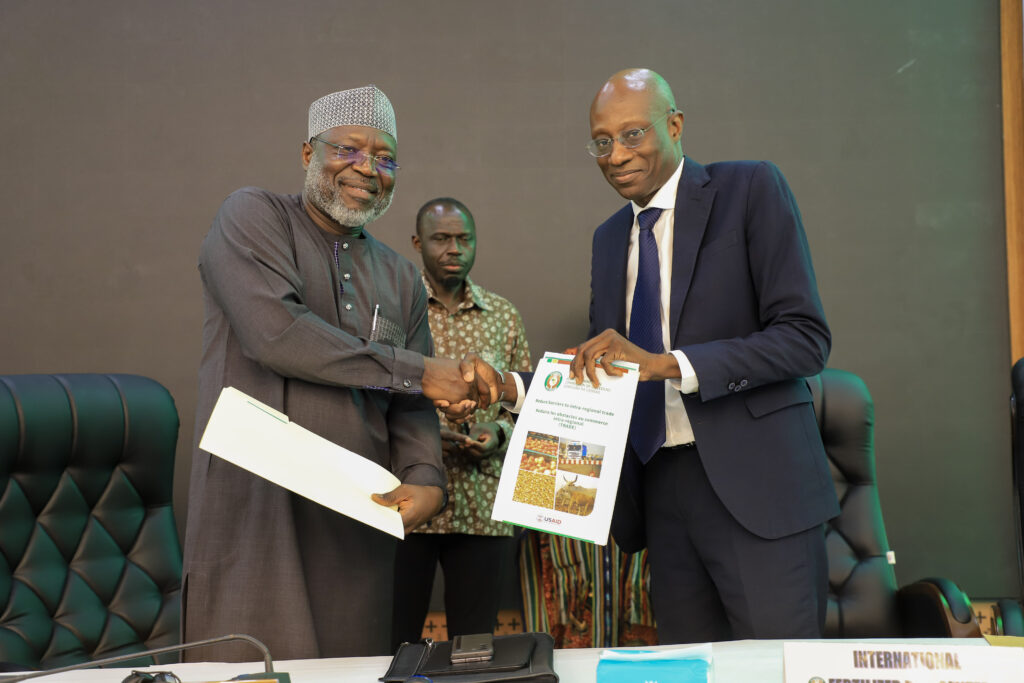
To formalize the agreement, IFDC and the ECOWAS Commission signed a Memorandum of Understanding (MoU) on July 17 in Freetown, Sierra Leone, on the sidelines of the 69th Ordinary Session of the ECOWAS Authority of Heads of State and Government.
“This agreement is essential to aligning the efforts of regional institutions and technical partners to strengthen food security, food sovereignty, and the prosperity of our people.”
Bayella Thiam, IFDC Chief Operating Officer (COO)
The agreement marks an important milestone in the longstanding collaboration between the two institutions and provides a framework for advancing shared priorities. By strengthening cooperation between regional policymakers and technical partners, the partnership aims to support the implementation of policies, such as the Economic Community of West Africa Agricultural Policy (ECOWAP), the Lomé Declaration on Fertilizers and Soil Health, and ECOWAS Vision 2050, while contributing to broader efforts in food and agriculture systems across West Africa and the Sahel.
Through the agreement, IFDC and ECOWAS will promote regional coordination and knowledge exchange, improve institutional capacities, and share innovations that improve soil fertility and agricultural productivity.
The partnership will also provide an enabling framework for implementing strategic initiatives such as IFDC’s Soil Values program, a major regional initiative supported by the Government of the Netherlands that prioritizes soil health to build more productive, resilient, and sustainable food systems across the region. Running from 2024 to 2033, the program is promoting sustainable soil fertility management, strengthening agricultural value chains, and supporting greater regional market integration across several West African countries.
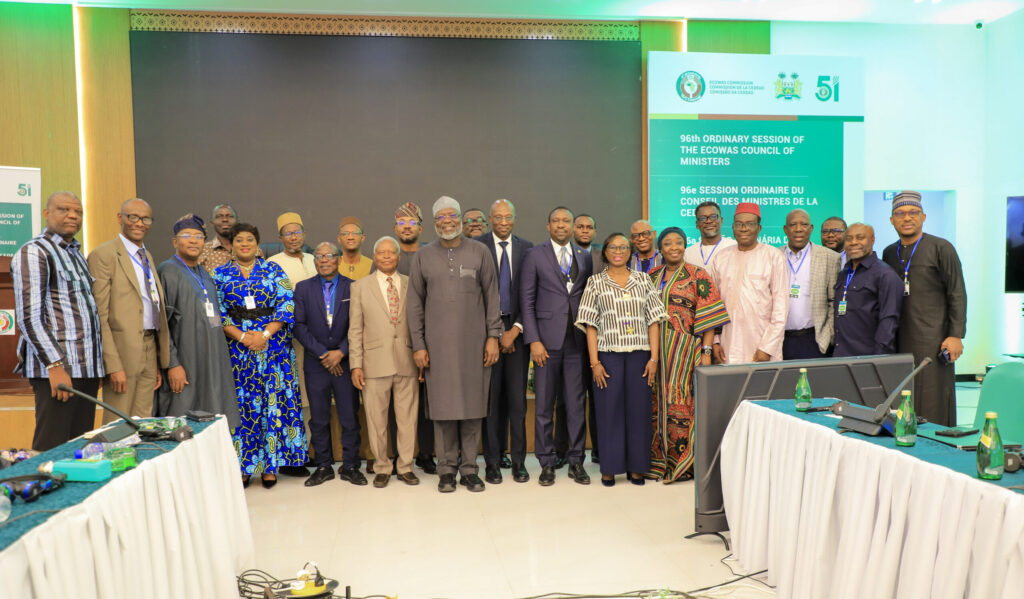
The MoU will create opportunities to accelerate action on soil health, fertilizer systems, and agricultural resilience by encouraging stronger collaboration among regional institutions and development partners – collaboration that is critical to delivering sustainable solutions capable of addressing West Africa’s interconnected challenges of land degradation, climate change, and food insecurity.
The signing ceremony highlighted a growing recognition among regional actors that healthy soils are fundamental to achieving long-term food security and agricultural transformation.
Participants agreed that restoring and maintaining soil fertility is essential not only for increasing productivity but also for strengthening resilience to climate shocks, protecting natural resources, and improving rural livelihoods.
Speaking during the signing ceremony, IFDC Chief Operating Officer (COO) Bayella Thiam emphasized the strategic importance of the partnership. “This agreement is essential to aligning the efforts of regional institutions and technical partners to strengthen food security, food sovereignty, and the prosperity of our people,” he said.
Thiam also discussed the Soil Values program, underscoring the critical role of soil health in increasing agricultural productivity. He concluded by reaffirming IFDC’s commitment to working alongside regional institutions, governments, and development partners to promote evidence-based, farmer-centered solutions that contribute to sustainable agricultural growth.
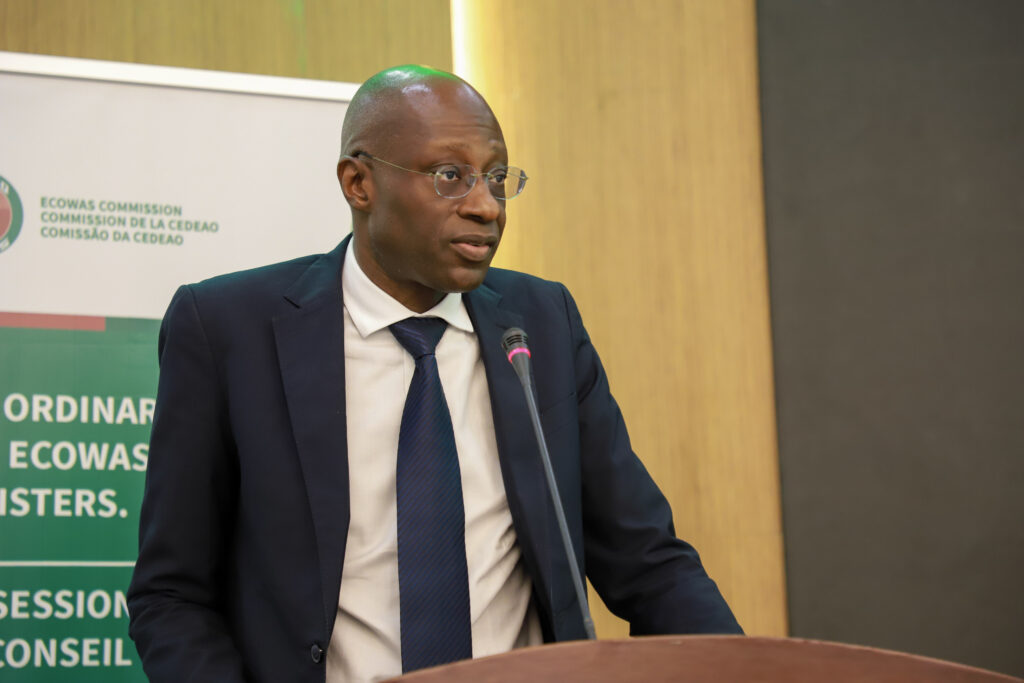
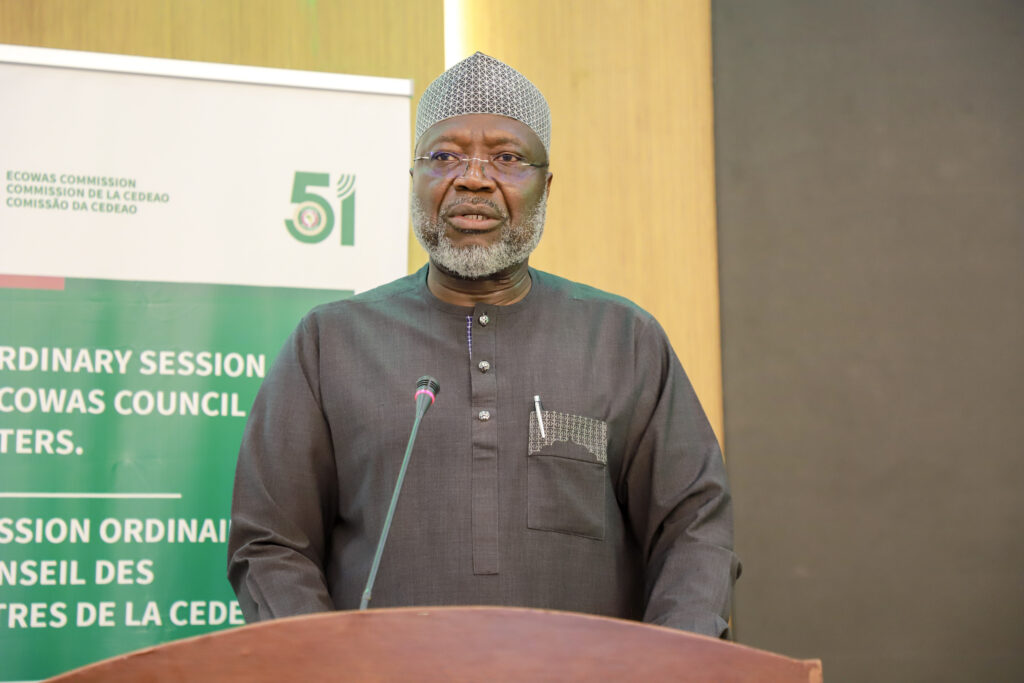
Dr. Kalilou Sylla, ECOWAS Commissioner for Economic Affairs and Agriculture, also noted the importance of collaborative action in addressing the region’s agricultural and environmental challenges.
“The agreements we are formalizing today reflect our collective determination to strengthen cooperation in areas that are essential to the future of our region,” he said, stressing that lasting, meaningful progress can only be achieved through coordinated action among stakeholders.
Additional remarks were delivered by Dr. Omar Alieu Touray, President of the ECOWAS Commission. Like Thiam and Dr. Sylla, Dr. Touray noted the importance of strategic partnerships in achieving tangible development outcomes.
“The success of these partnerships will be measured not by the number of agreements signed, but by the opportunities created, the livelihoods improved, and the lasting impact achieved for the people of West Africa,” he said.
Discussions among other participants at the event also confirmed the importance of translating regional commitments into practical solutions that improve the lives of farmers and rural communities. Strengthening food systems requires an integrated approach that combines sound policies, technical innovation, capacity development, and investments that support sustainable land management and agricultural growth – goals that the partnership will address.
For IFDC, the MoU reinforces a shared commitment to supporting regional priorities through technical expertise, strategic partnerships, and evidence-based solutions that place soil health at the heart of agricultural transformation.
By aligning technical knowledge with regional policy priorities, the partnership demonstrates the growing importance of collaborative approaches in addressing the interconnected challenges of soil degradation, food insecurity, climate change, and declining agricultural productivity.
Both IFDC and ECOWAS aim to accelerate progress toward healthier soils, stronger food systems, and improved livelihoods for millions of farmers and rural households. The agreement reflects a shared vision of agricultural transformation that delivers lasting benefits for people, economies, and ecosystems throughout the region.
Funded by the Dutch Directorate-General for International Cooperation (DGIS), the Soil Values program is being implemented over 10 years (2024-2033), led by the International Fertilizer Development Center (IFDC), in consortium with SNV and Wageningen University and Research (WUR), as well as knowledge partners such as AGRA, the Center for International Forestry Research and World Agroforestry (CIFOR-ICRAF), the International Institute of Tropical Agriculture (IITA), ISRIC – World Soil Information, and the International Water Management Institute (IWMI).