October 16 marked World Food Day, an occasion to highlight the importance of food security and to promote sustainable agricultural systems. In Burundi, official celebrations took place at Amahoro Stadium in Kigamba, under the patronage of the President of the Republic of Burundi, His Excellency Évariste Ndayishimiye.
With its theme of “Innovate Today to Feed Tomorrow,” the celebration featured a call by Ndayishimiye to step up efforts to combat hunger, increase agricultural production, protect the environment, promote the use of organic manure, and encourage farmers to work through cooperatives.
“This celebration is a wonderful opportunity to showcase my activities and take my work as a seed producer to the next level.”
Pontien Nyandwi, seed entrepreneur
Achieving this vision of innovative, productive, and sustainable agriculture also depends on strong technical and financial partnerships. As a key player in agricultural development, IFDC took part in the celebrations in Kigamba, showcasing the success of its field interventions.
PSSD2 and PAGRIS: Delivering Tangible Results for Farmers
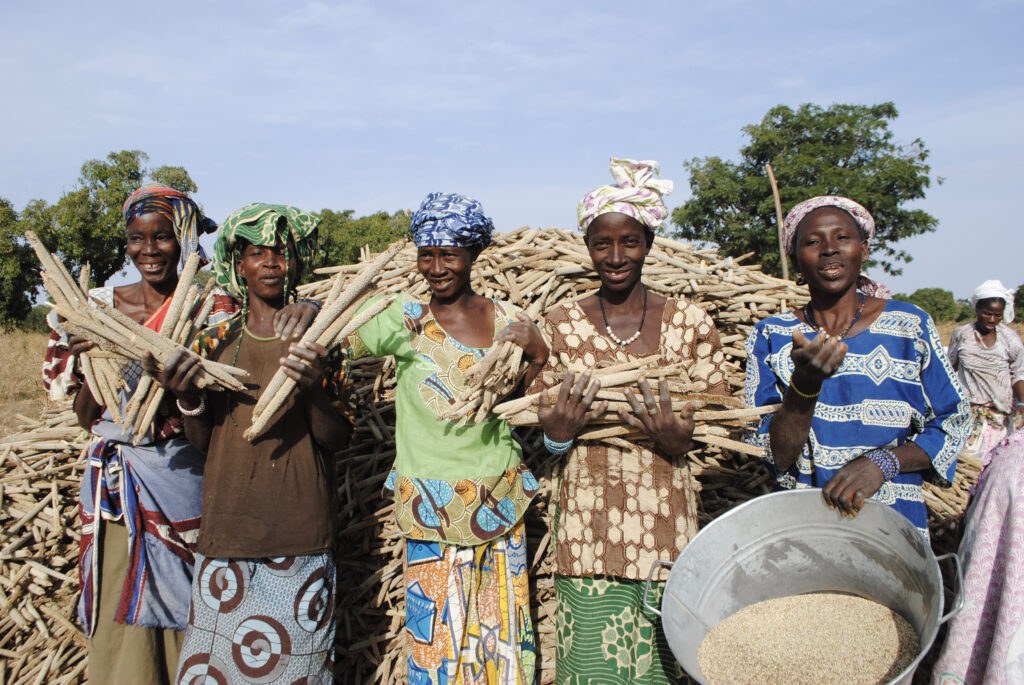
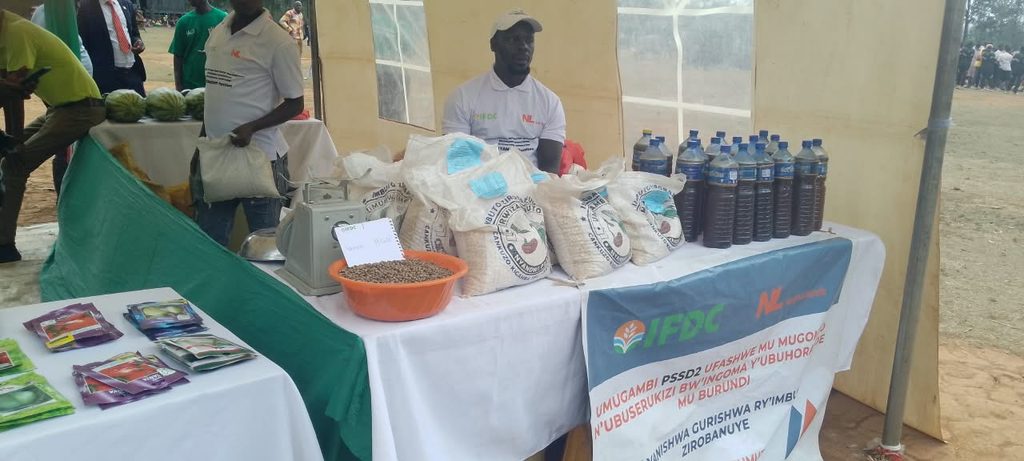
IFDC shared achievements and results of its Private Seed Sector Development – Phase 2 (PSSD2) project and the Soil Fertility Stewardship Project (PAGRIS), both funded by the Embassy of the Kingdom of the Netherlands in Burundi, and how these projects are contributing to the transformation of Burundi’s agriculture sector.
The PSSD2 project supports participating seed entrepreneurs in the production and marketing of quality seeds, enabling them to expand their businesses and reach new markets. Co-financing assists participants in acquiring modern agricultural machinery and equipment to improve production capacity, and technical training on seed production methods and the business management of seed enterprises builds their knowledge and skills in relevant areas.
PAGRIS co-creates and implements strategies for improved yields and soil health, supports improvement in land management through collective action based on Participatory Integrated Planning (PIP), and works with institutions to improve the availability, access, and utilization of context-specific fertilizer products and techniques.
The interventions of both projects help strengthen local stakeholders’ capacities, improve the availability of quality seeds, and support the development of a more competitive private seed sector in Burundi.
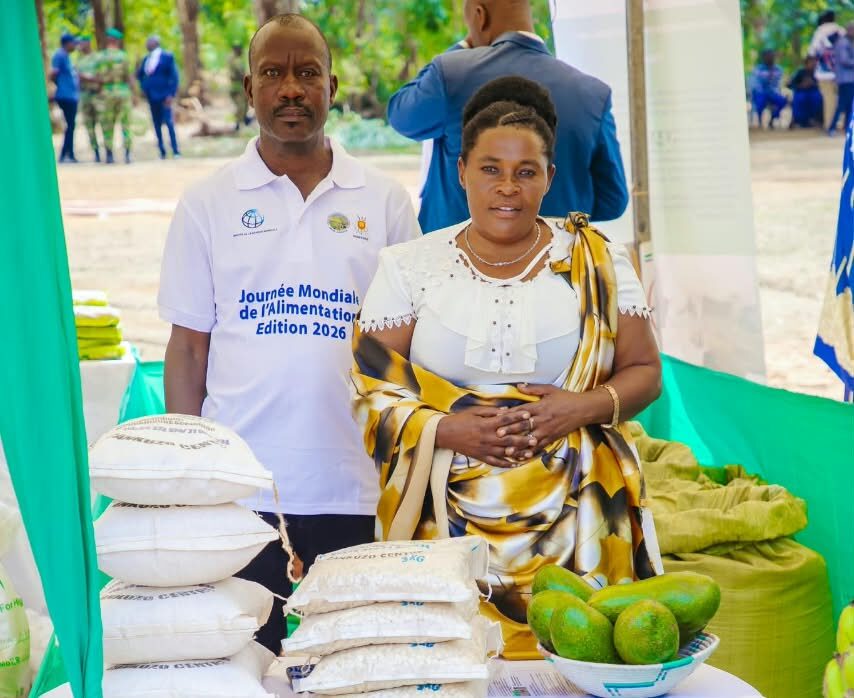
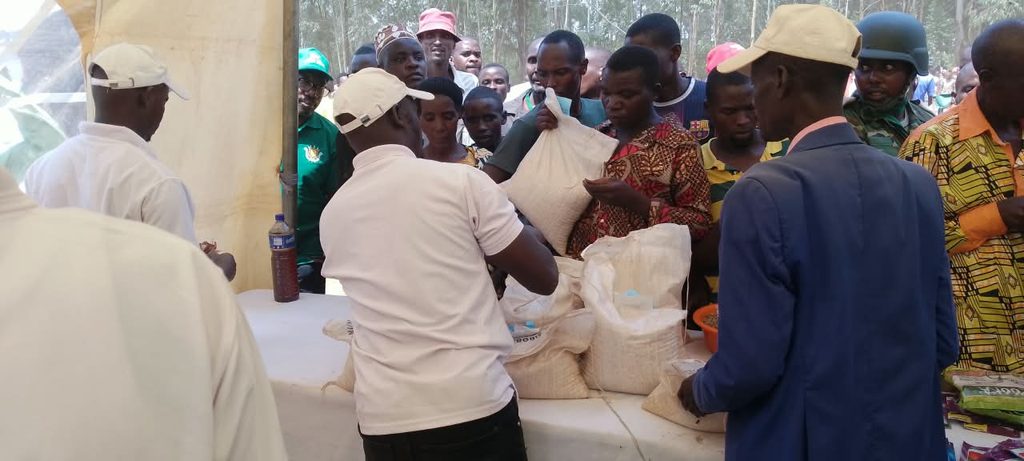
Among the project participants attending the World Food Day celebration was Pontien Nyandwi, a seed entrepreneur who received support from PSSD2 to develop his seed marketing activities.
He shared how the project’s assistance has transformed his business: “Thanks to the PSSD2 project, I have been able to increase my production and expand the areas devoted to seed multiplication. Today, I can market my products even in the most remote regions. This celebration is a wonderful opportunity to showcase my activities and take my work as a seed producer to the next level.”
Pontien’s remarks illustrate the importance of providing seed entrepreneurs with technical and financial support to increase production, expand market opportunities, and improve the availability of quality seeds in Burundi.
School Textbooks to Sustain Project Achievements
The World Food Day celebration also featured the official handover of school textbooks developed under PSSD2 and PAGRIS. This initiative aims to enable government institutions to take ownership of the projects’ achievements while promoting the integration of this knowledge into general and university education curricula.
Ndayishimiye commended IFDC Burundi for this approach, which seeks to sustainably embed agricultural skills and knowledge within the country’s national education and training systems. Emphasizing the importance of this initiative for the future of Burundi’s agriculture sector, he encouraged other development organizations to follow this example of strengthening intervention sustainability to ensure that project achievements endure.
World Food Day and Beyond
Through its participation in World Food Day 2026, IFDC Burundi reaffirmed its commitment to productive, innovative, and sustainable agriculture. By supporting seed entrepreneurs, strengthening local stakeholders’ capacities, and facilitating the transfer of knowledge to national institutions, IFDC is contributing to more productive agricultural systems to serve Burundi’s development and food security for years to come.
About PSSD2:
The Private Seed Sector Development, Phase II (PSSD2) (2018-2026), funded by the Dutch Ministry of Foreign Affairs and implemented by the International Fertilizer Development Center (IFDC), aims to increase the production and incomes of 178,000 farmer households in Burundi. The project works with private and public sector partners to promote the development of a private sector-led seed industry that is able to provide farmers with sustainable access to high-quality seed and agricultural advisory services.
About PAGRIS:
The Soil Fertility Stewardship Project (PAGRIS) is funded by the Embassy of the Kingdom of the Netherlands in Burundi and implemented by IFDC, together with Wageningen Environmental Research and national partner Twitezimbere. PAGRIS aims to reach 100,000 family farms and establish ecologically sustainable management on 14,000 ha of land by scaling the Integrated Farming Plan (PIP) approach. The project is set to continue its activities in improving Burundian soil through December 2026.