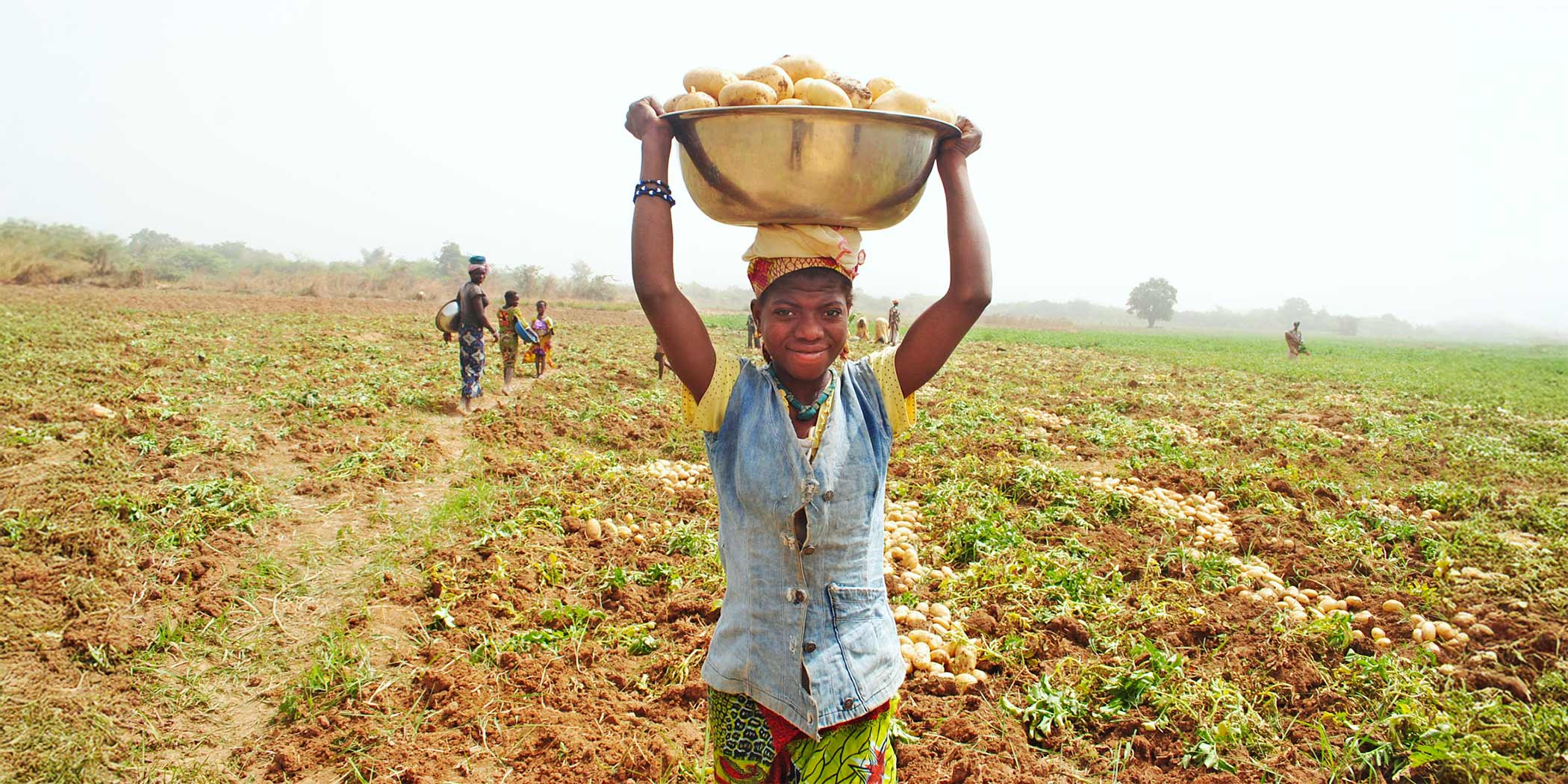
Burkina Faso is strengthening its efforts to restore degraded lands, improve soil health, and build more resilient agricultural systems.
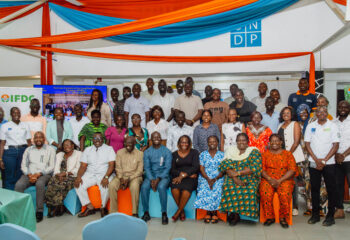
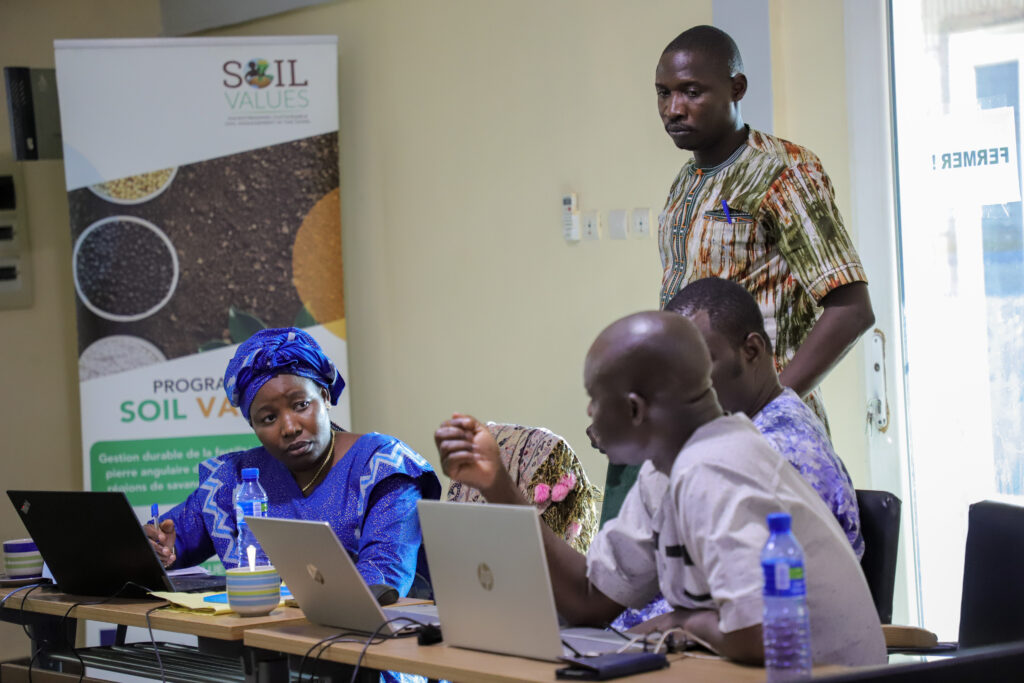
With the support of the Soil Values program, the General Directorate for Agro-Pastoral Development and Irrigation (DGADI) organized a workshop, held June 8‑12 in Koudougou, to develop the action plan for Burkina Faso’s National Strategy for Soil Restoration, Conservation, and Rehabilitation (SNRCRS).
Developed collaboratively, the new action plan builds on revisions made to the strategy after an evaluation late in 2024 to address emerging challenges facing the sector and ensure that implementation efforts remain aligned with evolving national priorities. The action plan will provide a roadmap for implementing the strategy while accelerating progress toward sustainable agricultural development and climate resilience.
“Given the current decline in soil productivity, compounded by the effects of climate change, it is essential to develop [an action plan] capable of limiting further degradation while promoting the sustainable management of our land.”
said Tamani Soharé, soil scientist at the National Soil Office of Burkina Faso (BUNASOLS)
The workshop represented an important step in moving from strategy toward concrete action. Over five days, members of the technical working group, which includes various agencies of the Ministry of Agriculture, Water, Animal Resources and Fisheries (MAERAH) and the Ministry of Economy and Finance, turned SNRCRS priorities into a set of practical interventions designed to guide its implementation through 2030, in accordance with the strategy’s terms of reference.
The resulting action plan is expected to support restoration of degraded soils, promote sustainable soil management nationwide, and strengthen coordination among government institutions, technical partners, and development organizations.
The initiative comes at a critical time for Burkina Faso as land degradation, declining soil fertility, and climate change exert growing pressure on agricultural productivity and rural livelihoods. Restoring soil health has therefore become increasingly important not only for improving crop production but also for strengthening resilience, protecting natural resources, and supporting long-term economic development.
Throughout the workshop, participants worked to identify priority interventions capable of delivering measurable progress in soil restoration, conservation, and rehabilitation, with a strong focus on practical actions that deliver tangible benefits for farmers and communities. Discussions centered on strengthening coordination mechanisms, improving the management of land resources, sustained investment, and creating conditions for more sustainable and productive agricultural systems.
“Given the current decline in soil productivity, compounded by the effects of climate change, it is essential to develop [an action plan] capable of limiting further degradation while promoting the sustainable management of our land,” said Tamani Soharé, a soil scientist at the National Soil Office of Burkina Faso (BUNASOLS).
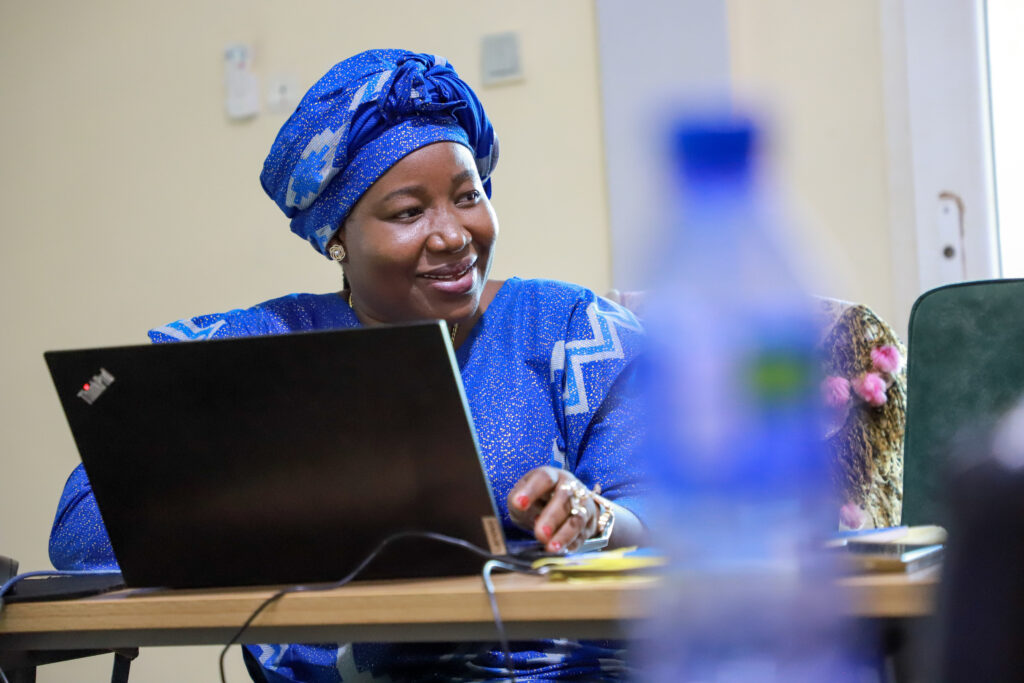
The workshop also demonstrated the strong collaboration between the Government of Burkina Faso and the Soil Values program in advancing national soil restoration priorities. By supporting the development of the action plan, Soil Values is helping strengthen the institutional and technical foundations needed to scale restoration efforts and improve soil health across the country.
“This initiative is being implemented in close collaboration with the ministry to strengthen and accelerate the restoration of degraded lands across Burkina Faso,” said Léon Zongo, Soil Values Country Coordinator for Burkina Faso.
This partnership reflects a shared commitment to promoting sustainable land management practices that increase agricultural productivity while enhancing the resilience of farming systems and rural communities. It also aligns with broader national efforts to address food insecurity, land degradation, and climate-related challenges through evidence-based and locally adapted solutions.
At the conclusion of the workshop, participants finalized an action plan that will serve as the roadmap for implementing the strategy through 2030. The document outlines priority actions for soil restoration, conservation, and rehabilitation while strengthening collaboration among institutions involved in sustainable land management.
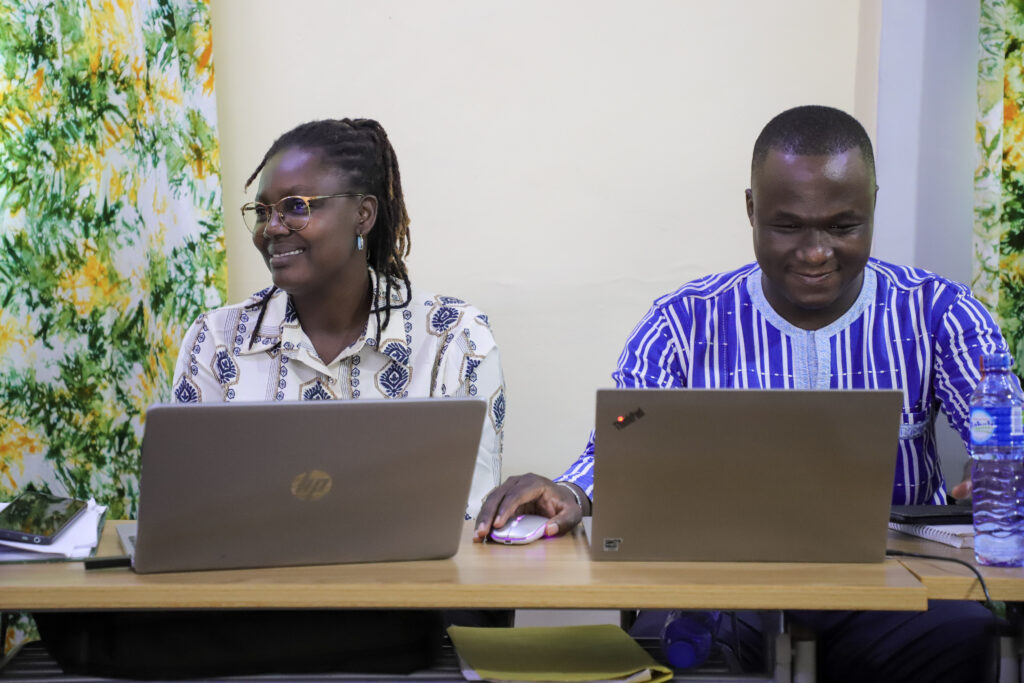
It is expected to serve as a tool for guiding investments, coordinating interventions, and ensuring that restoration efforts contribute to broader agricultural and environmental goals.
For Burkina Faso, the action plan provides a practical mechanism for translating national ambitions into coordinated action and measurable results. By establishing a clear path forward for restoring degraded lands and improving soil health, the country is taking another important step toward more productive agricultural systems, greater resilience to climate change, and sustainable livelihoods for rural communities.
With the action plan, Burkina Faso is reinforcing the role of healthy soils as a foundation for agricultural transformation, and Soil Values is demonstrating how coordinated action can help address the interconnected challenges of land degradation, food insecurity, and environmental sustainability.
Funded by the Dutch Directorate-General for International Cooperation (DGIS), the Soil Values program is being implemented over 10 years (2024-2033), led by the International Fertilizer Development Center (IFDC), in consortium with SNV and Wageningen University and Research (WUR), as well as knowledge partners such as AGRA, the Center for International Forestry Research and World Agroforestry (CIFOR-ICRAF), the International Institute of Tropical Agriculture (IITA), ISRIC – World Soil Information, and the International Water Management Institute (IWMI).