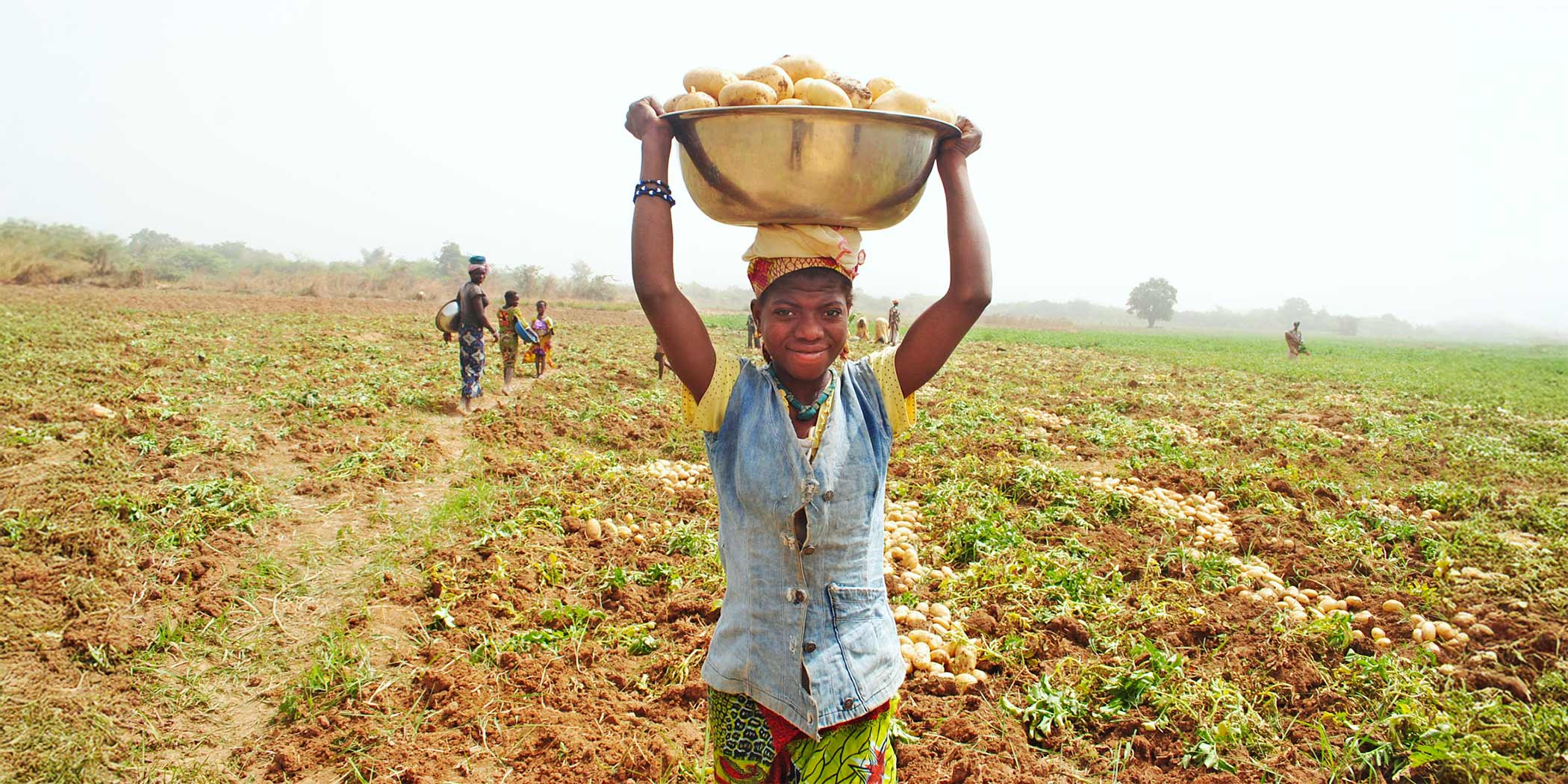
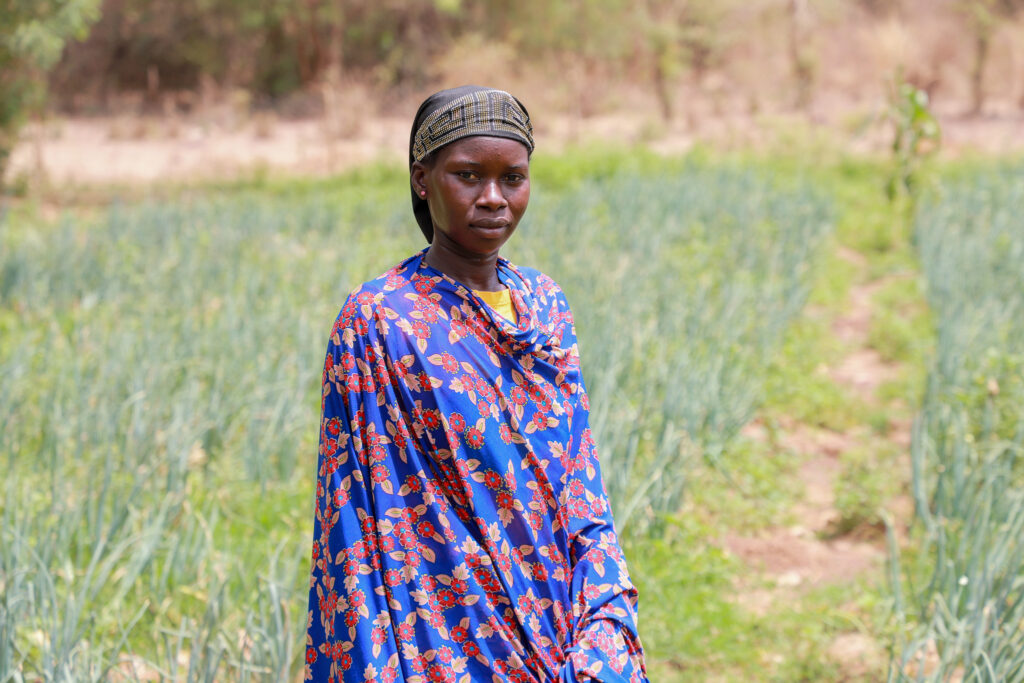
In Burkina Faso, farmers trained in integrated soil fertility management (ISFM) are already transforming their practices and perspectives. Thanks to training offered by the Soil Values program, these farmers are adopting appropriate solutions, improving soil health, and increasing yields. Some are even launching new economic initiatives to benefit their communities.
In 2024, Soil Values initiated a cascading capacity-building effort by training technical agents, in collaboration with partner programs such as the West Africa Food System Resilience Program (FSRP), the Agri-Food Program for Integrated Resilience and Economic Development in the Sahel (Pro-ARIDES), and the Ministries of Agriculture from Burkina Faso, Mali, Niger, and Northern Nigeria. The agents then trained intermediary producers in their communities, who in turn directly reached producers.
In March 2026, the Soil Values teams returned to several farming communities in Burkina Faso to observe the ongoing results of these trainings. Some areas illustrated profound transformation: producers are taking the initiative, innovating, investing, and bringing other local actors along with them. They are building a more resilient and inclusive agriculture sector in the face of economic and climate challenges.
From Field to Entrepreneurial Initiative
In Péni, a commune located 36 kilometers from Bobo-Dioulasso, local farmer Moussa Dao exemplifies this positive action.
“The training I received on ISFM really influenced me, and I decided to set up a small unit here in Péni to train my fellow farmers and produce bokashi.”
Moussa Dao
After his training, Moussa produced 5 tons of bokashi, a fertilizer composed of organic matter, which he used on his field. Given the yields he obtained compared to using only mineral fertilizers, Moussa decided to launch his own organic fertilizer production unit, both to nourish his fields and to share his knowledge with other farmers.
Owning the solution, Moussa purchased equipment with his own funds and began operations to train fellow farmers on producing bokashi and to produce enough bokashi to meet his own needs and surplus to sell locally.
Producing Bokashi and Serving the Local Market
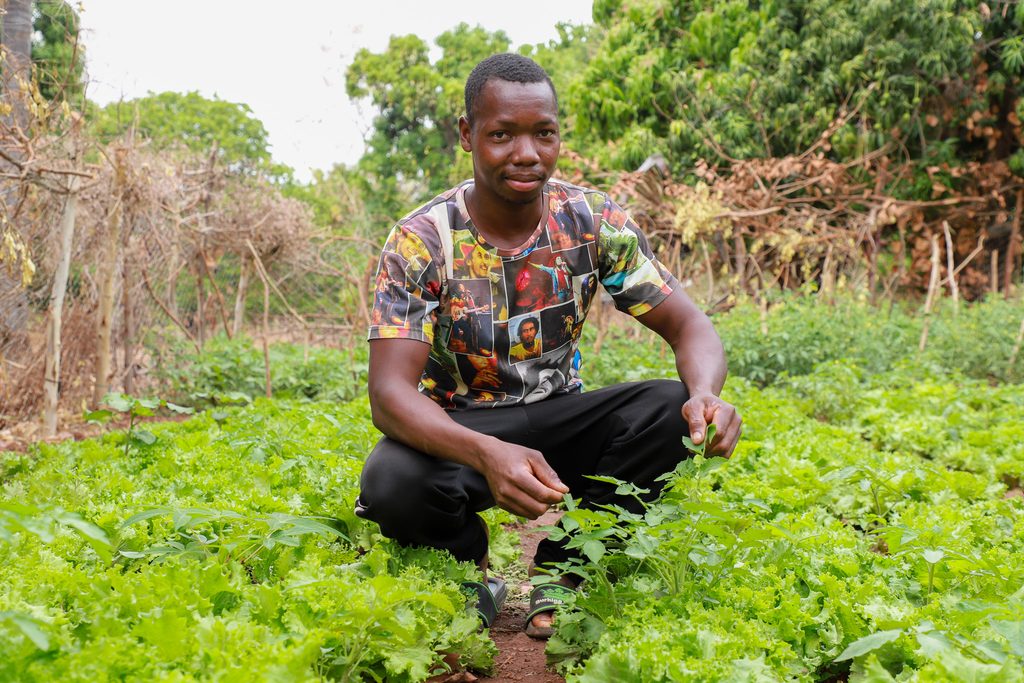
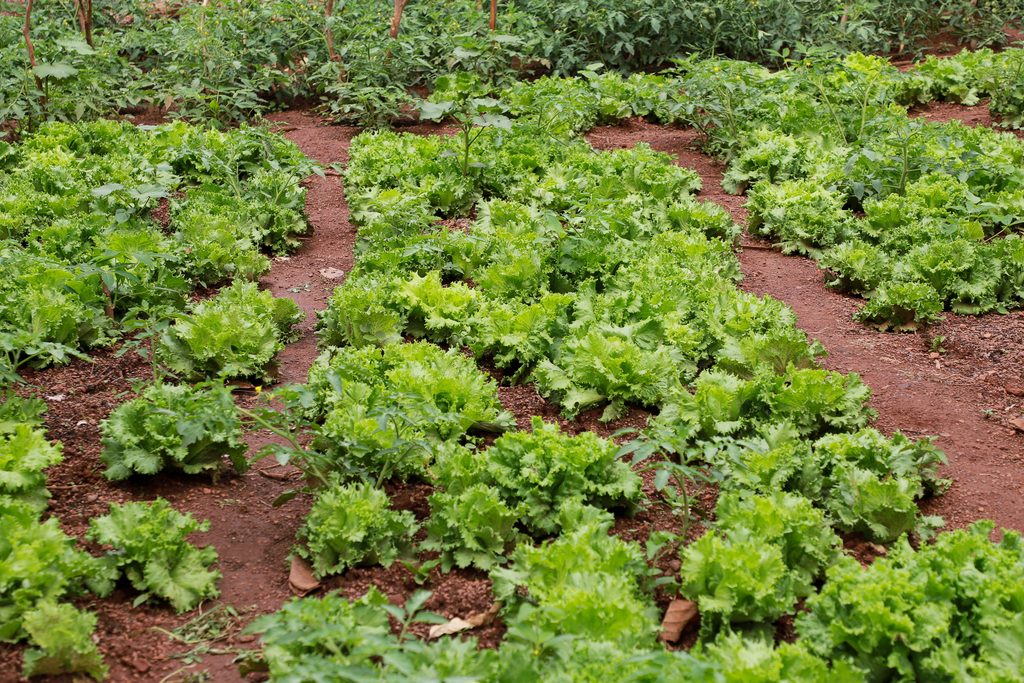
In Péni’s rural village of Finlandé, Ouattara Issa Jean Baptiste, a young local farmer, embodies the growing commitment of rural youth. In 2025, he received training from a mentor farmer and recognized the value of the practices he was learning. “I saw that it was a good thing. I decided to produce bokashi myself and set up a small garden with tomatoes and okra,” he stated.
Beyond simply adopting the right practices, Ouattara also emphasized the importance of producing locally, which facilitates easier access to healthy food for consumers and reduces the burden on women, who are most likely to attend markets to shop for their families. “Producing directly here allows women to access products without having to travel long distances, thus saving them money,” he said.
Access to water remains a major constraint. “My ambition is to expand the space and mobilize other young people from the village so that we can help each other. But with the difficulties related to water, I need a water tower to produce more and contribute to the country’s vision, particularly food self-sufficiency,” Ouattara stressed.
Nevertheless, he has invested in helpful equipment, including a pumping system for a 27‑meter well, to do what he can toward this challenge.
Women Beneficiaries Organize to Produce on a Larger Scale
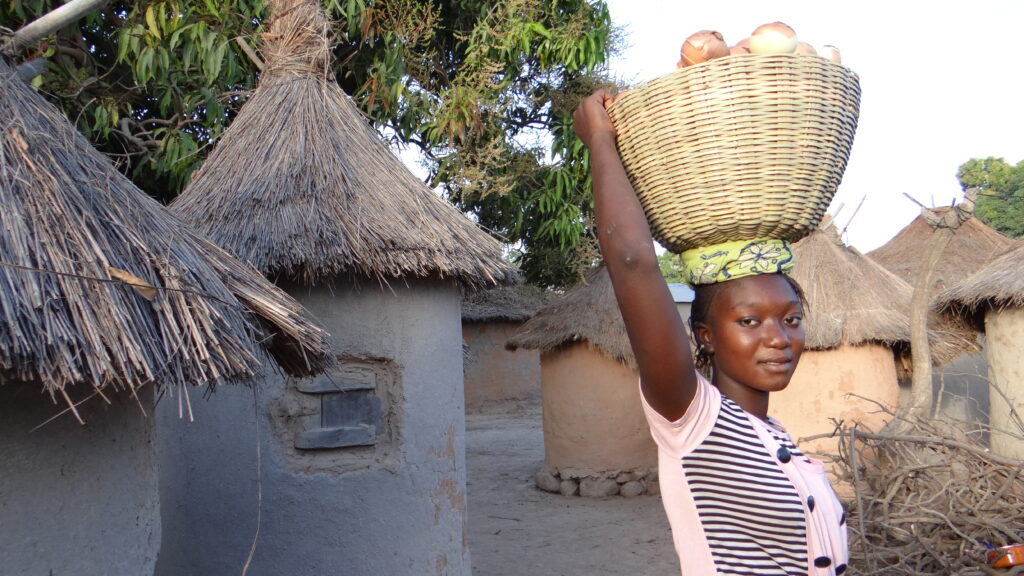
In Bama, 25 kilometers northwest of Bobo-Dioulasso, Aoua Guindo and other participants have benefited from cascade training as well, specifically on composting, bokashi, and the production of organic pesticides. Organized into a cooperative, they initially experimented with these practices on small plots and observed improved soil fertility and better plant growth.
“After seeing the results, we produced large quantities of bokashi for our onion fields,” Aoua noted. Before this training, the cooperative had never produced bokashi at all, but afterward, they produced approximately six cartloads, or about 3 tons, which they used to enrich their soil and improve their yields.
Now, on slightly less than half a hectare, the cooperative produces about six 50‑kilogram sacks of bokashi, and they experience no significant post-harvest losses, whereas in the past, such losses had cost them nearly half their production. Their collective organization allows them not only to stabilize production but also to progressively improve their working conditions and income. The sacks of onions, for example, are sold for between 10,000 and 12,000 CFA francs (approximately U.S. $17.92-$21.50), which strengthens their economic independence.
Thanks to ISFM, and the cascade training that introduced it to them, producers in Burkina Faso have a set of complementary practices they can combine to suit the specific needs of their plots and the characteristics of their soils.
Among the techniques being implemented in addition to bokashi and compost production are stone bunds, which reduce soil erosion, promote water infiltration, and trap sediment; the zaï technique, which involves filling small holes with compost or manure before sowing to concentrate water and nutrients around seedlings; and other methods chosen according to production objectives and soil type.
This flexibility enables farmers to optimize the fertility of their land while strengthening the resilience of their farms to climatic and environmental pressures. These techniques improve yields, restore degraded soils, and promote soil fertility.
As seen in the inspiring stories of Moussa, Ouattara, Aoua and her cooperative, and many others like them, the Soil Values program demonstrates that restoring soil fertility and health can become a major driver of economic and social transformation in rural Sahelian communities. By championing local ownership of innovations, agricultural entrepreneurship, and the engagement of young people and women, the program helps to foster a new generation of producers capable of building agricultural resilience.
In the Sahel, these successes show that when knowledge is put into action, soils regenerate and ambitions grow.
Funded by the Dutch Directorate-General for International Cooperation (DGIS), the Soil Values program is being implemented over 10 years (2024-2033), led by the International Fertilizer Development Center (IFDC), in consortium with SNV and Wageningen University and Research (WUR), as well as knowledge partners such as AGRA, the Center for International Forestry Research and World Agroforestry (CIFOR-ICRAF), the International Institute of Tropical Agriculture (IITA), ISRIC – World Soil Information, and the International Water Management Institute (IWMI).