Members of the Soil Values program, financed by the Netherlands Directorate-General for International Cooperation (DGIS) and implemented by IFDC and its partners, attended the 11th edition of the agrofood Nigeria International Trade Show March 24‑26 in Lagos, Nigeria, taking advantage of the high-impact platform to deepen partnerships, showcase practical innovations for sustainable agriculture, and open new opportunities for collaboration with Dutch and Nigerian private sector actors.
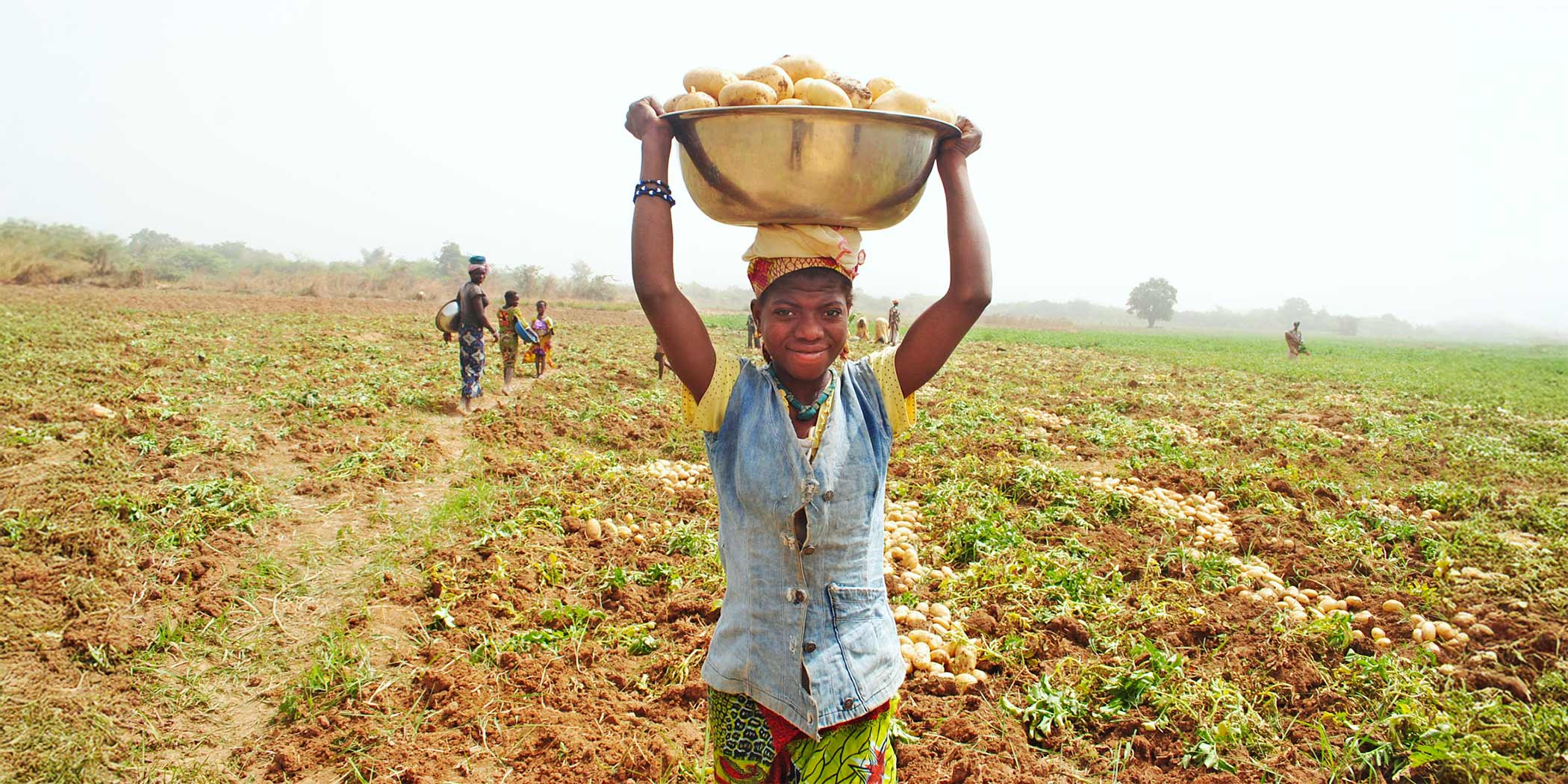
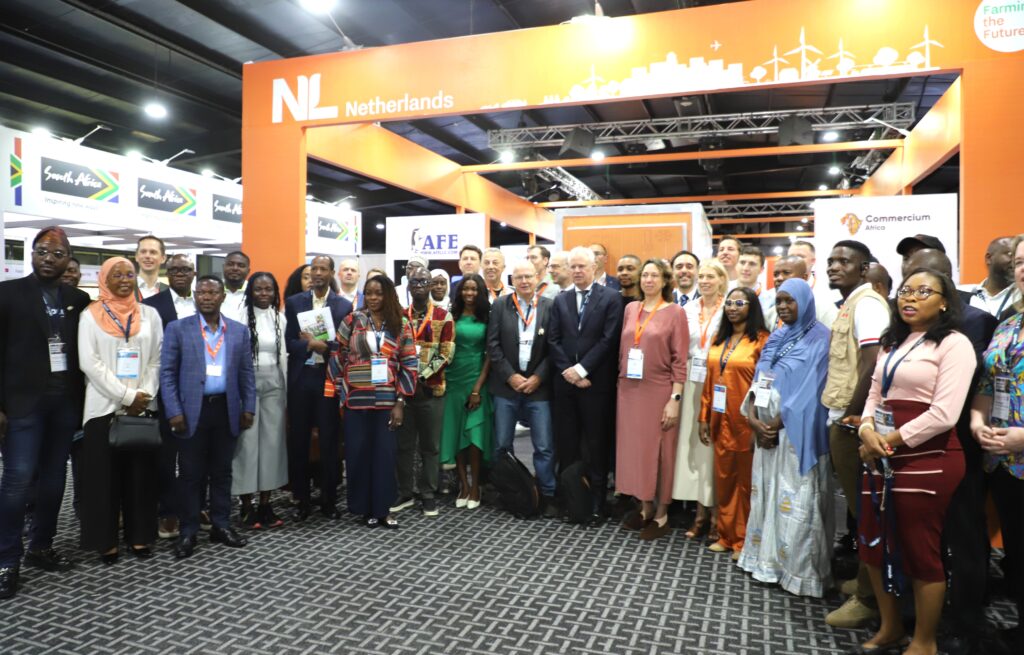
The three-day trade fair brought together 137 exhibitors from 17 countries. With the Kingdom of the Netherlands as the guest of honor, the event gave added visibility to Dutch innovations in agriculture, food processing, packaging, and technologies linked to horticulture and potato value chains. Alongside partners from Burkina Faso, Mali, Niger, and Nigeria, the Soil Values program connected international solutions with field realities and market needs across West Africa.
As part of the Dutch Trade Mission, the program also enabled business-to-business (B2B) connections for partners from implementing countries.
Results, Visibility, and Inclusion
Soil Values centered on three goals at agrofood Nigeria 2026: showcasing real-world results; strengthening visibility with key stakeholders, including small and medium enterprises, non-governmental organizations (NGOs), donors, processors, and technology providers; and reinforcing the program’s inclusive approach by supporting local partners to engage directly with international networks.
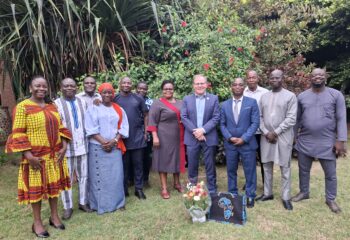
Partner organizations in attendance included Agro France Investissements Immobiliers Agricoles Solidaires (AFIIAS) from Burkina Faso, Agro Mali Sud from Mali, Agro Business Center from Niger, and Seed Pro Africa and East-West Seed Knowledge Transfer, both from Nigeria. They all seized this opportunity to strengthen peer exchange through B2B networking and engage in practical conversations with visitors and prospective partners.
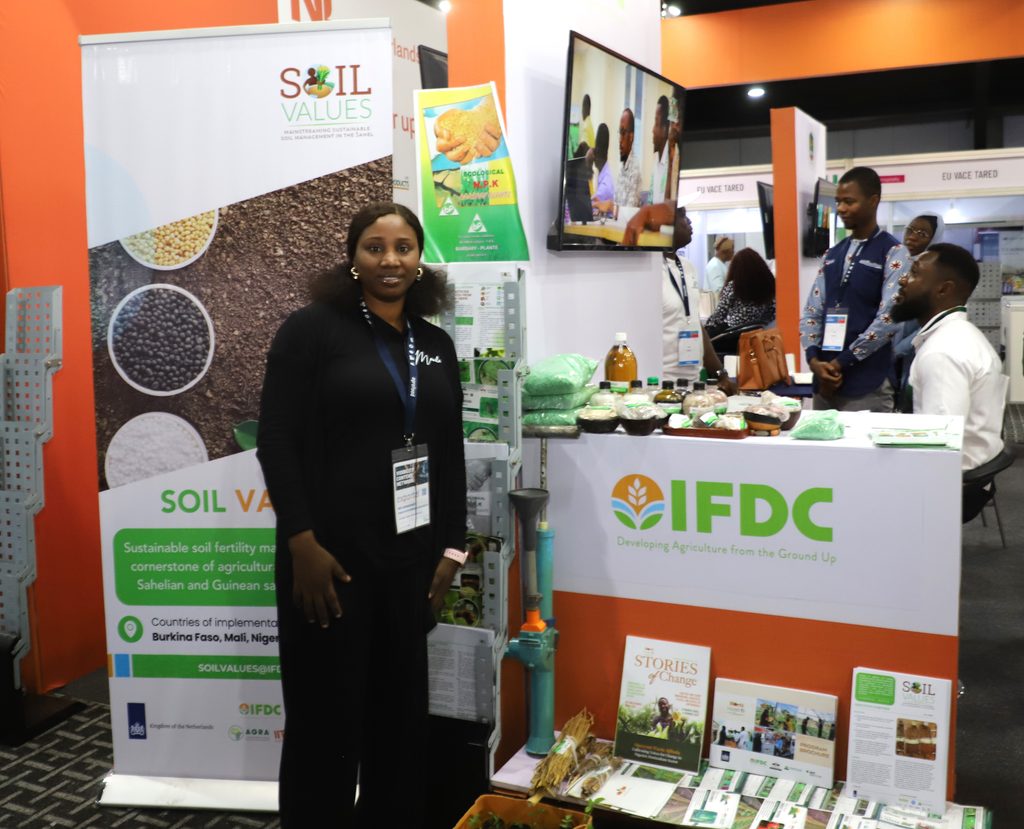
“This year’s event showcased cutting-edge technologies and practices, facilitating networking and partnerships among NGOs, government institutions, farmers, and other stakeholders. Overall, I am fulfilled to have attended this unique agro-fair, which strengthened my understanding of industry advancements and fostered valuable connections,” shared Ruth Saleh Ardzard, a representative of East-West Seed Knowledge Transfer in Nigeria who was sponsored and hosted by the Soil Values program during the event.
High-Level Engagement and Strong Audience Interest
The Soil Values booth received a visit from Bengt van Loosdrecht, Ambassador of the Kingdom of the Netherlands to Nigeria, who discussed the program’s work and commended its contribution to sustainable and inclusive agricultural development in Nigeria.
A representative of Helen Eno Obareki, the First Lady of Akwa Ibom State (Nigeria), also visited the booth, providing additional institutional visibility and interest in innovations linked to soil health, post-harvest loss reduction, and women’s empowerment.
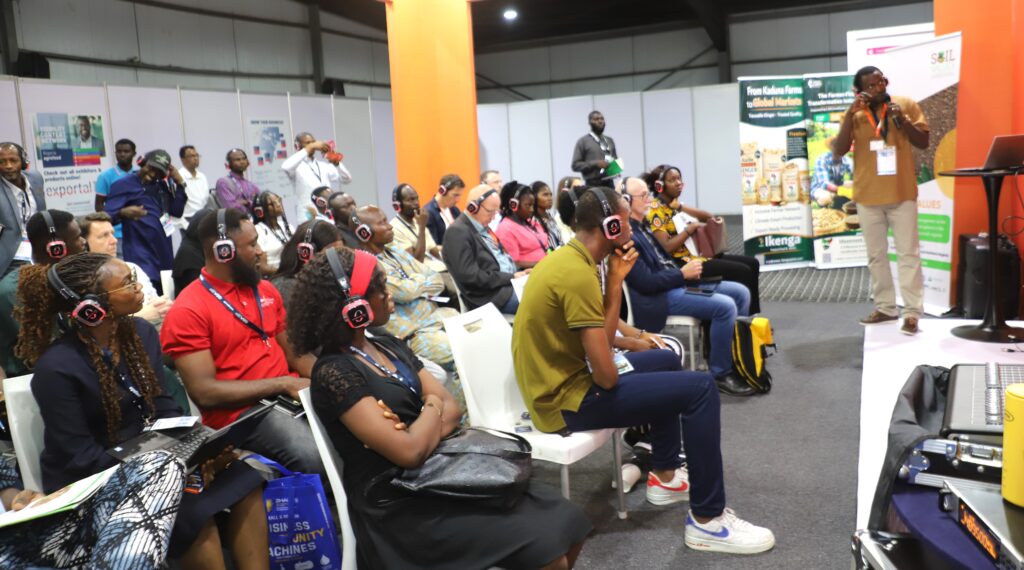
A standout moment that attracted audience interest was the presentation on integrated soil fertility management (ISFM) and integrated solutions that combine organic inputs, mineral fertilizers, biofertilizers, improved seeds, and sound agronomic practices. This approach resonated with visitors, generating particular enthusiasm for Barbary Plante, a biofertilizer product tested through the Soil Values program as part of these integrated soil health solutions.
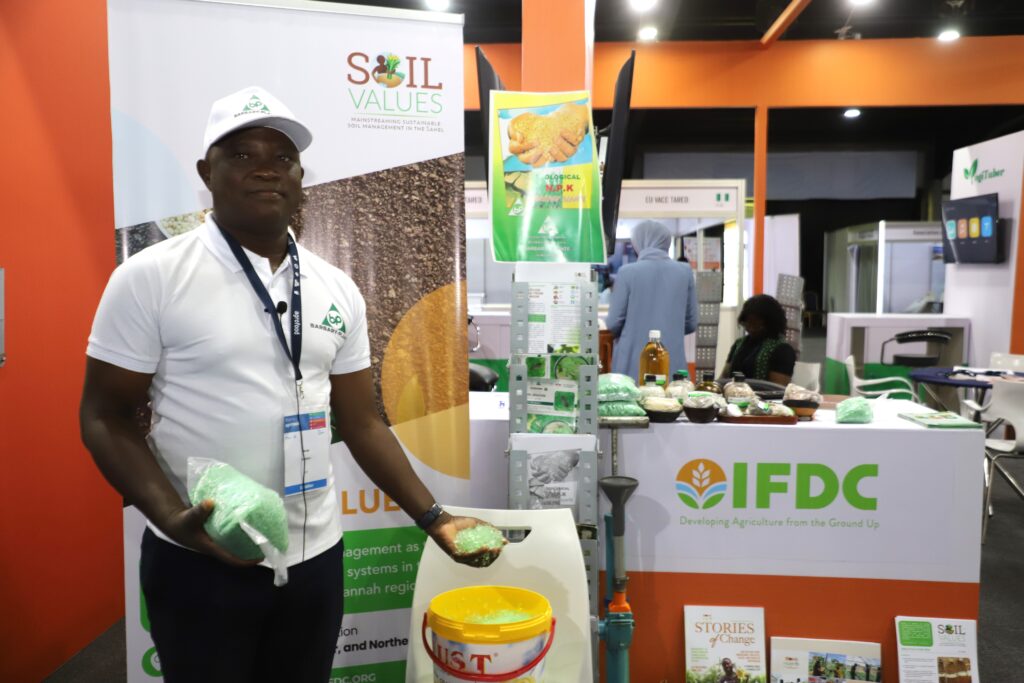
“Barbary Plante’s participation in the event was a great success, given the interest shown by visitors in purchasing the product. Visitors bought 10 kilograms of Barbary Plante, equivalent to 200 kilograms of finished product, to test it on their crops,” noted Serge Kambire, a representative of AFIIAS in Burkina Faso.
Results and Next Steps
Beyond visibility, the event produced actionable outcomes. More than 70 visitors were recorded in contact logs, expanding follow-up opportunities for after the fair. Partners also initiated new discussions, including a potential collaboration between AFIIAS and Seed Pro Africa to establish demonstration plots in Nigeria, with possible expansion to Mali and Niger.
Soil Values also explored pathways with other organizations and companies, while some partners reported direct commercial interest and on-site sales. Many lessons and opportunities were identified for the project as well, which include planning for stronger logistics, greater participation from national institutions, and structured follow-up to convert leads into partnerships.
Overall, agrofood Nigeria 2026 confirmed the value of trade fairs as strategic platforms for scaling collaboration, visibility, and sustainable innovation across the region.
Funded by the Dutch Directorate-General for International Cooperation (DGIS), the Soil Values program is being implemented over 10 years (2024-2033), led by the International Fertilizer Development Center (IFDC), in consortium with SNV and Wageningen University and Research (WUR), as well as knowledge partners such as AGRA, the Center for International Forestry Research and World Agroforestry (CIFOR-ICRAF), the International Institute of Tropical Agriculture (IITA), ISRIC – World Soil Information, and the International Water Management Institute (IWMI).