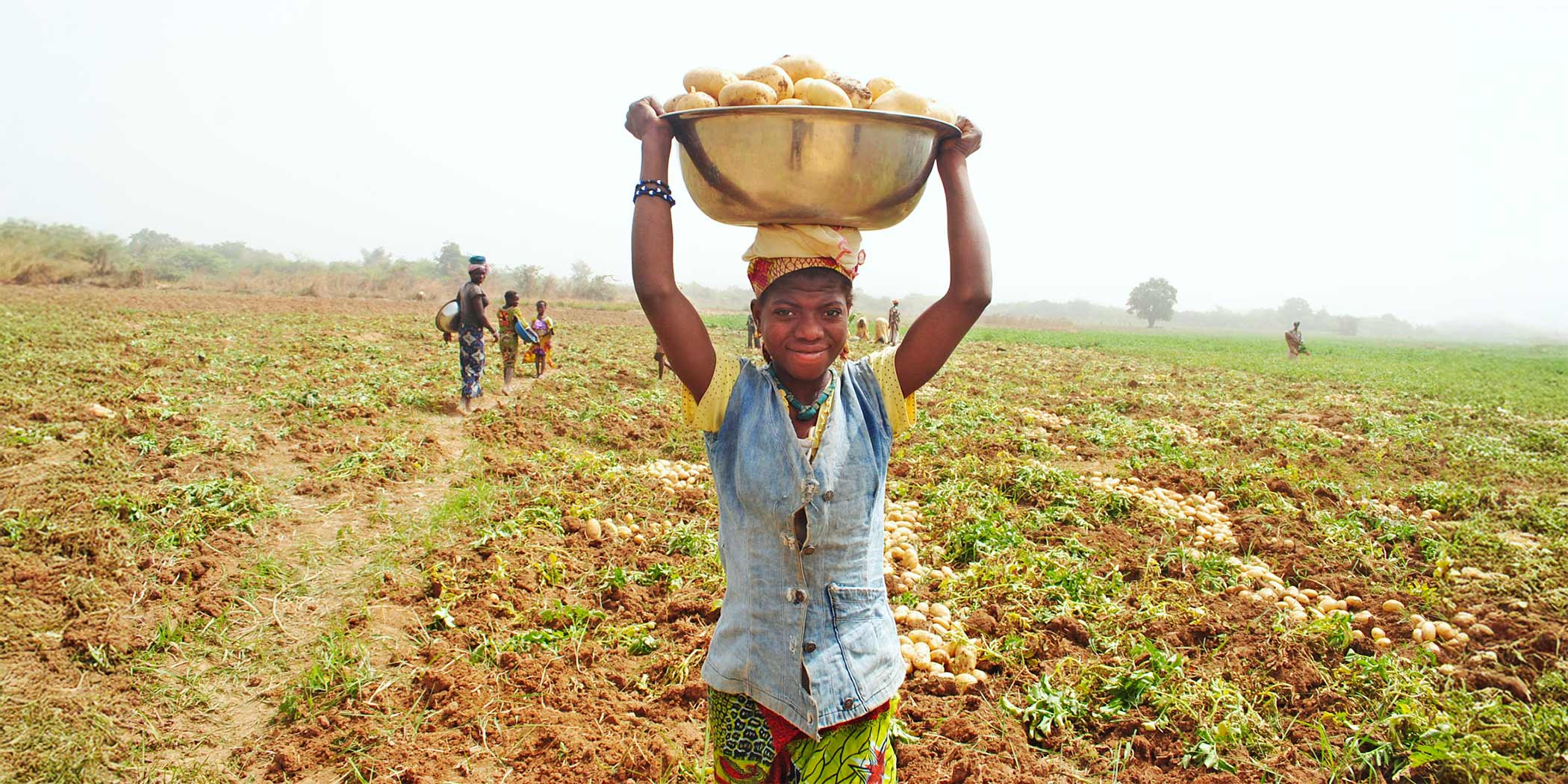
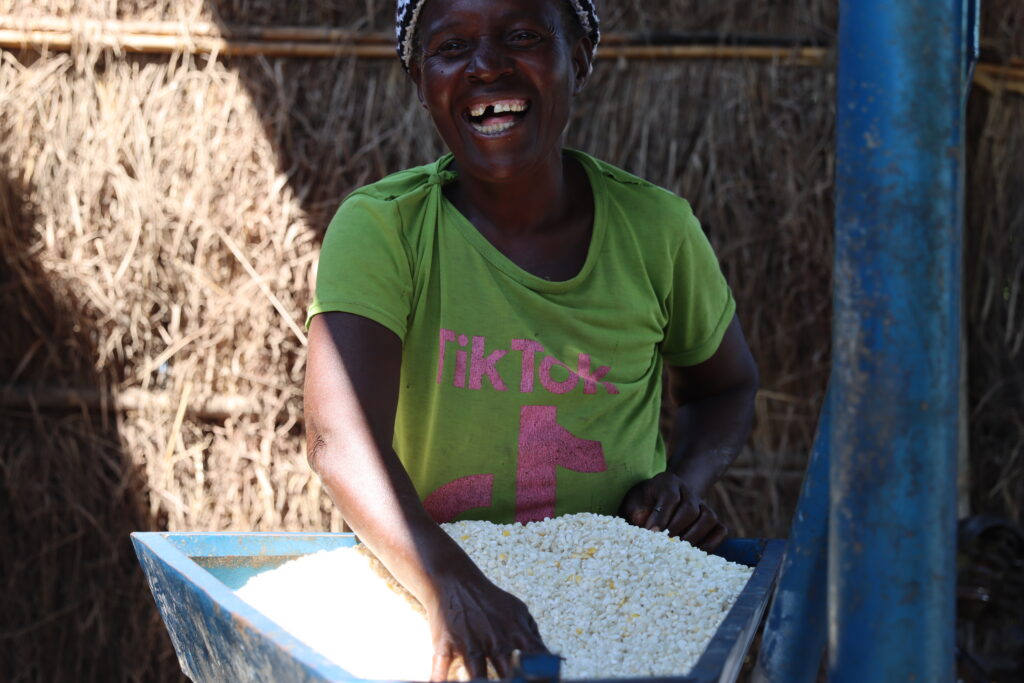
In the rural communities of Bale Ni Mandja in Mozambique, access to maize processing equipment was once a daily struggle for many farming families. Women walked more than 3 kilometers along difficult roads to other communities in search of milling services for their maize. The long distances consumed valuable time, increased physical labor, and affected household productivity and children’s education.
Today, that reality is changing through the support of the Triple Resilience (3R) program, which facilitated access to a community milling machine that is helping strengthen food security, improve livelihoods, and build economic resilience among local producer groups and farming families.
“This machine will benefit my group, my family, and the wider community.”
Patricia Mcudo
For Albertina Belarde Trinta, the milling machine represents opportunity and stability for her family. Before the intervention, Albertina and other women spent hours manually pounding maize or traveling long distances to process their harvests. Now, maize can be milled directly within the community, reducing labor and allowing families like hers to focus on farming, household activities, and income generation.
Like many farmers in the area, Albertina cultivates improved maize varieties introduced through agricultural support activities linked to 3R. Processing this maize locally allows her family to consume more nutritious food while also creating opportunities to sell flour within the community.
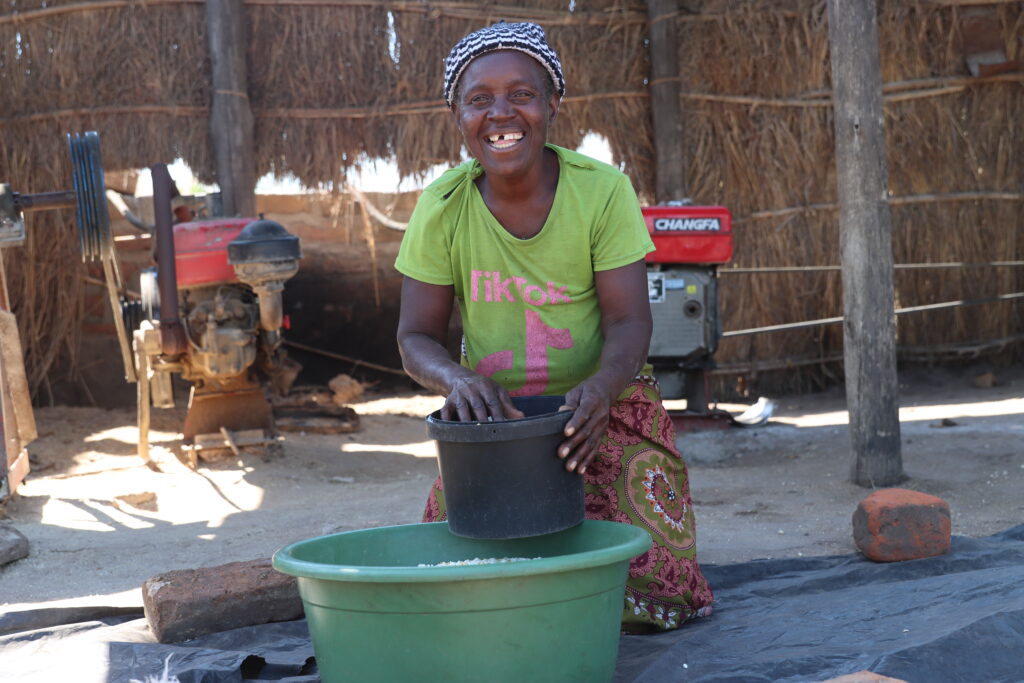
“With the processed maize, I managed to support my children’s education through the sale of maize flour. One of them has already completed studies and is now attending university,” Albertina said.
The milling machine’s impact extends even further. According to Malissane Joeferesse Moises, a lead farmer with the Bale Ni Mandja Association, the machine has significantly reduced the burden on women and improved daily life for families.
“Before we had the milling machine here, women suffered a lot because they had to walk long distances to grind maize. Now, in just a few minutes, they can process maize and return home,” Malissane observed.
For his own family, Malissane cultivates maize on a 1-hectare field, using part of his harvest for household consumption while selling the remaining produce to cover school expenses, healthcare, and other family needs. He believes the milling machine is also helping strengthen the association’s long-term vision for local economic development.
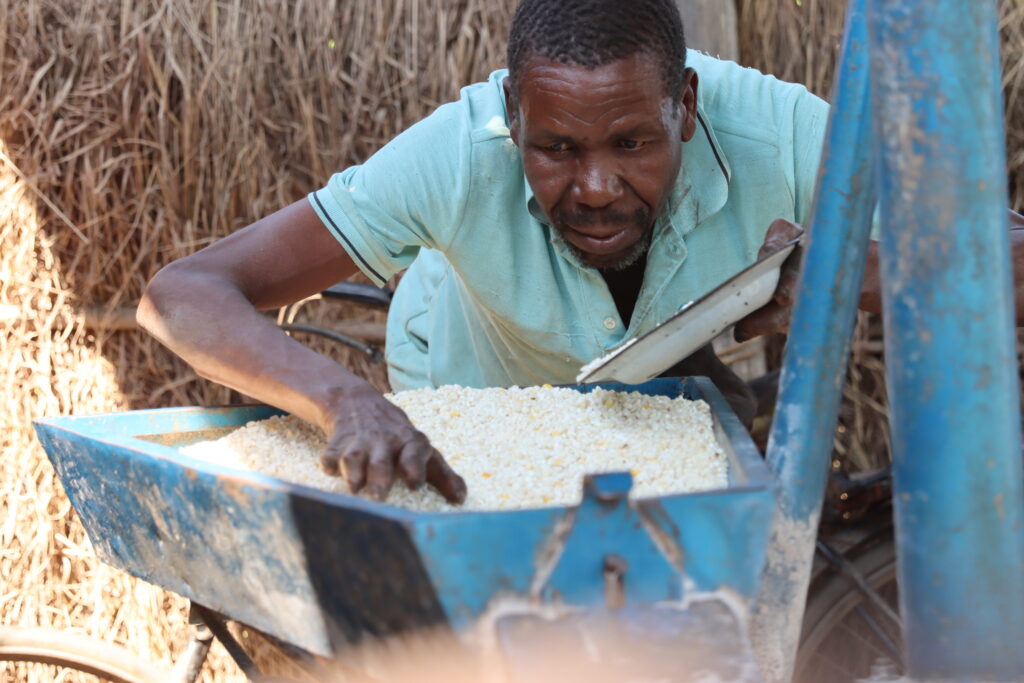
“We want to use the income generated through the association to eventually purchase another milling machine and support other communities that still face the same challenges,” Malissane added.
The initiative is also empowering local farmer groups and community promoters such as Patricia Mcudo, who works closely with producer associations in the area. Patricia, a horticulture producer herself, currently supports the Mhuri Yango farmer group, composed of eight members.
“Before the milling machine was available, we traveled around 3 kilometers to access milling services. Now we can process maize much closer to home. This machine will benefit my group, my family, and the wider community,” Patricia explained.
The experience of the Bale Ni Mandja community reflects the broader objectives of the 3R program, which aims to strengthen social, climate, and economic resilience among vulnerable rural communities in Mozambique. The program supports smallholder farmers through climate-smart agriculture, income diversification, post-harvest value addition, and strengthened community structures that improve long-term resilience and food security.
By reducing travel distances, saving time, and creating income opportunities, the community milling machine is contributing to a more resilient local economy for Bale Ni Mandja while improving the well-being of farming families. What was once a physically demanding and time-consuming task has now become an easier pathway toward economic security, education, and sustainable rural development in Bale Ni Mandja.
The Triple Resilience (3R) program (2023-2027) aims to build and strengthen social, climate, and economic resilience in Mozambique by accelerating the shift from humanitarian aid to long-term sustainable development. 3R is funded by the Embassy of Sweden and is implemented by IFDC in partnership with Norwegian People’s Aid (NPA), Associação Kwaedza Simukai Manica (AKSM), LevasFlor Foundation, União Provincial Dos Camponeses De Manica (UCAMA), União Provincial de Camponeses de Sofala (UPCS), and the International Economic Cooperation Institute (ICEI).