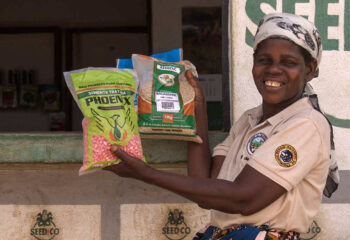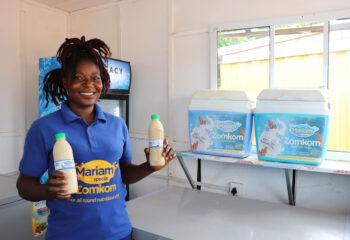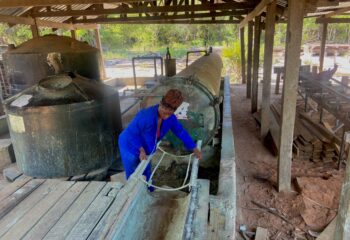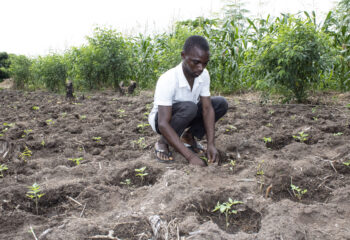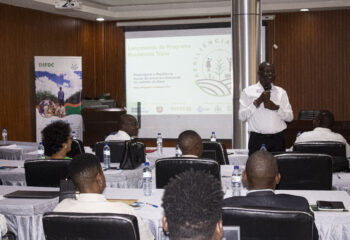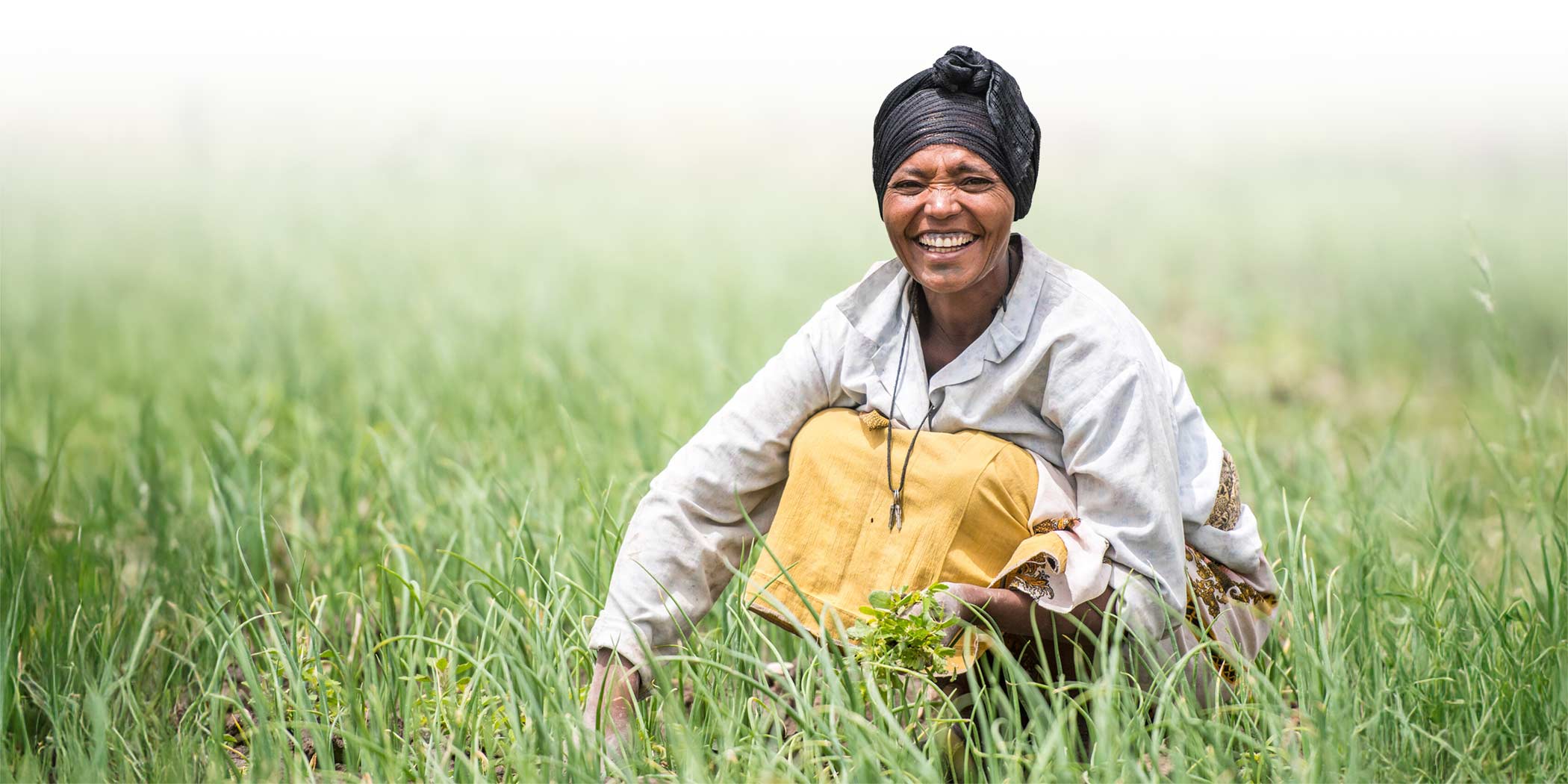
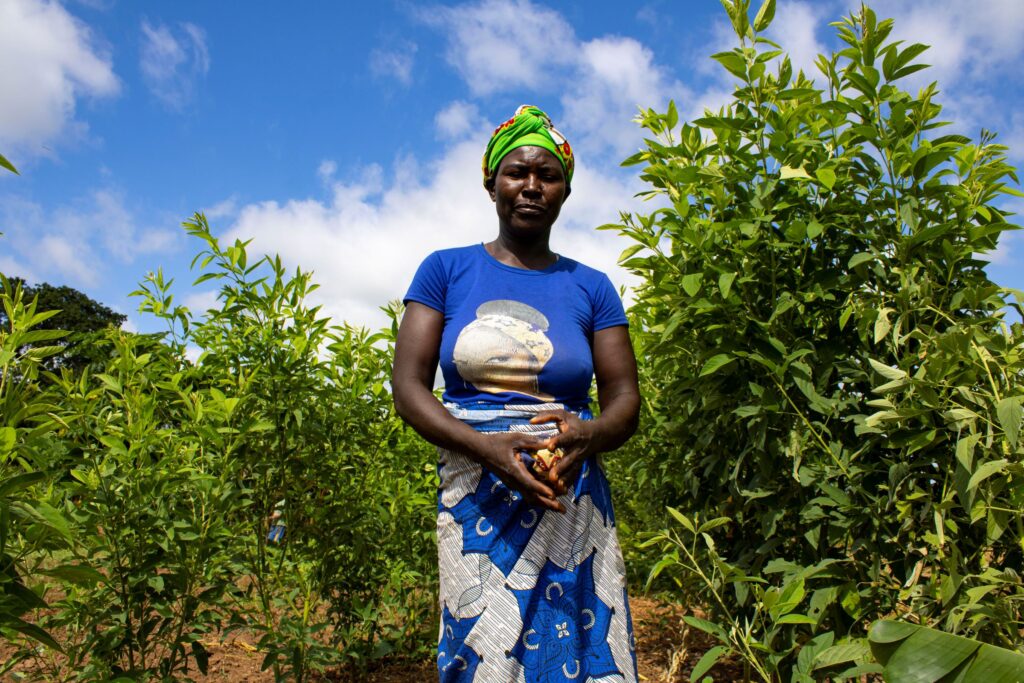
The Triple Resilience (3R) program (2023-2026) aims to build and strengthen social, climate, and economic resilience in Mozambique by accelerating the shift from humanitarian aid to long-term sustainable development. As a result, communities will increase their ability to absorb, adapt, and transform in the face of recurrent climate shocks and stresses.
3R is funded by the Embassy of Sweden, and IFDC is implementing the program in partnership with Norwegian People’s Aid (NPA), Associação Kwaedza Simukai Manica (AKSM), LevasFlor Foundation, and the International Economic Cooperation Institute (ICEI).
3R aims to reach an estimated 42,000 farmers (including women and youth), leveraging partnerships with key private sector entities and collaboration with the Government of Mozambique.
Strategic Objectives
3R utilizes strategic objectives to provide a clear framework of implementation that collectively contributes to the desired outcome of the program.
Strategic Objective 1
Social integration, sustainable and resilient livelihoods, and improved management of natural resources for communities throughout the Beira Corridor, ensuring the full economic and social participation of systemically excluded groups, such as women, youth, internally displaced people, and individuals participating in the Disarmament, Demobilization, and Reintegration (DDR) process, while reducing vulnerability.
Strategic Objective 2
Food-secure, climate-resilient, and environmentally sustainable households and ecosystems as a result of widespread access and adoption of climate-smart agriculture and implementation of sustainable on-farm, off-farm, and non-agricultural activities, combined with the conservation of natural resources.
Strategic Objective 3
Households and communities, particularly marginalized communities, in the face of climate and economic shocks, benefit from self-employment and livelihood opportunities linked to supporting markets and services as a result of capacity building, training, and financial support.
Newsletters
Newsletter Issue #1
Project Results
2024
- Created 509 jobs across the value chain.
- Established seven partnerships with private sector actors.
- Engaged 1,657 entrepreneurs in production and processing activities.
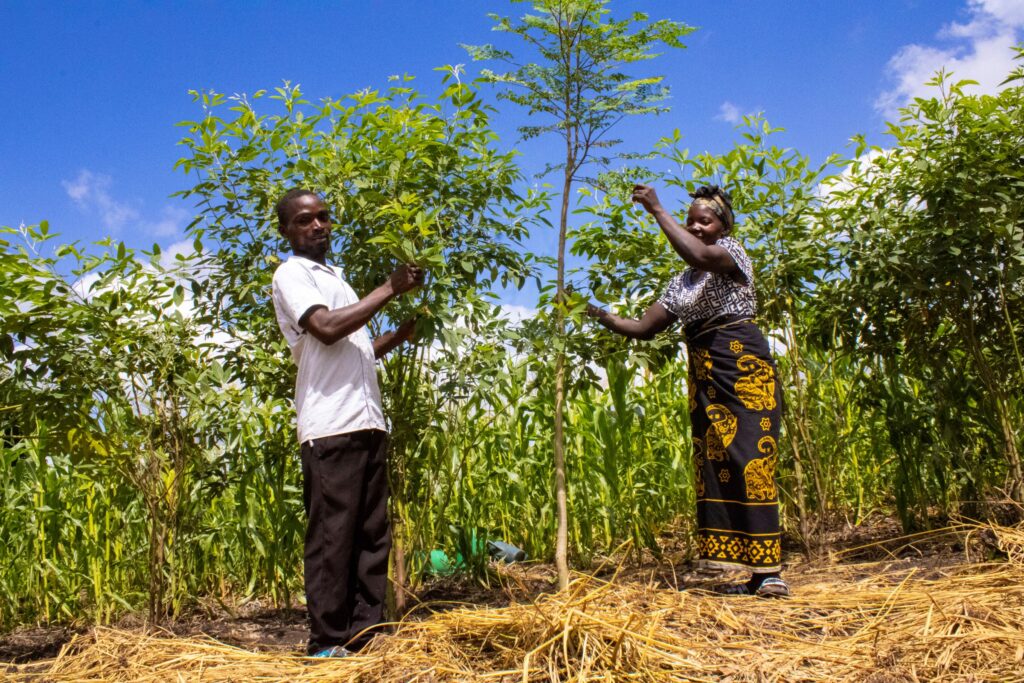
- Set up 50 tree nurseries to support reforestation and sustainable land management efforts, contributing to both environmental restoration and economic resilience.
2025
- Integrated 1,888 internally displaced people and 217 participants (71% women and 38% youth) in the Disarmament, Demobilization, and Reintegration process into savings groups, farmer associations, and income-generating activities.
- Trained more than 16,000 farmers (69% women) on climate-smart agricultural practices through demonstration plots and community gardens, which contributed to increased productivity, 23 Applying fertilizer briquettes at 80% of the recommended rate produced yields equal to or higher than the conventional dose, improving nutrient use efficiency by 20%, lowering input costs, and reducing labor through one-time application.
- Empowered over 300 farmers, agro-dealers, extension agents, and stakeholders from the public and private sectors, delivering measurable agronomic, economic, and livelihood gains. sustainable natural resource management, and improved resilience.
- In response to El Niño’s effects, 2,215 families received improved seeds to support productive recovery and food security.
- Supported 204 VSLAs, enabling farmers to plan for seasonal investments and strengthen financial management.