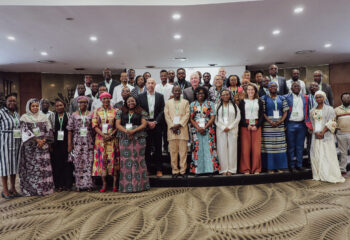
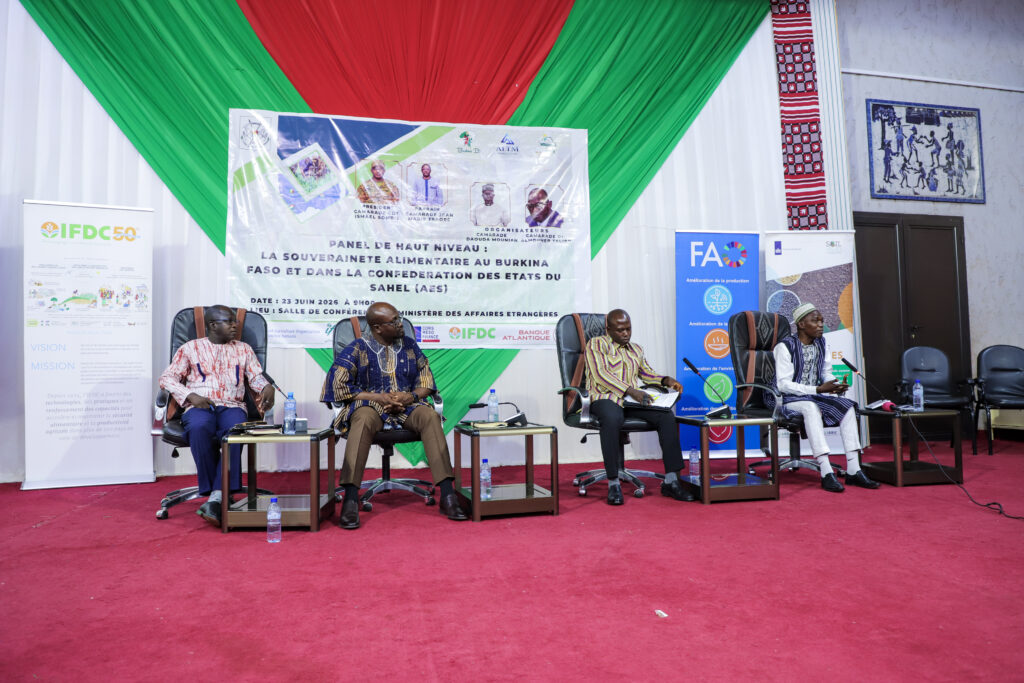
Food sovereignty took center stage during a high-level panel held June 23 in Ouagadougou, Burkina Faso, bringing together a wide range of stakeholders, including government officials, technical and financial partners, the private sector, farmer organizations, researchers, and civil society organizations.
Organized by Burkine Bi SARL, ALTM Holding S.A.S, and Sini Gnassigui Afrique NGO Association, with the sponsorship of the Ministries of Agriculture and Foreign Affairs, the panel explored strategies to accelerate the sustainable transformation of Burkina Faso’s agricultural, forestry, livestock, and fishery systems.
“Healthy soils increase agricultural productivity, improve the nutritional quality of food, and strengthen farmers’ resilience to the impacts of climate change.”
Léon Zongo, Soil Values Country Coordinator for Burkina Faso
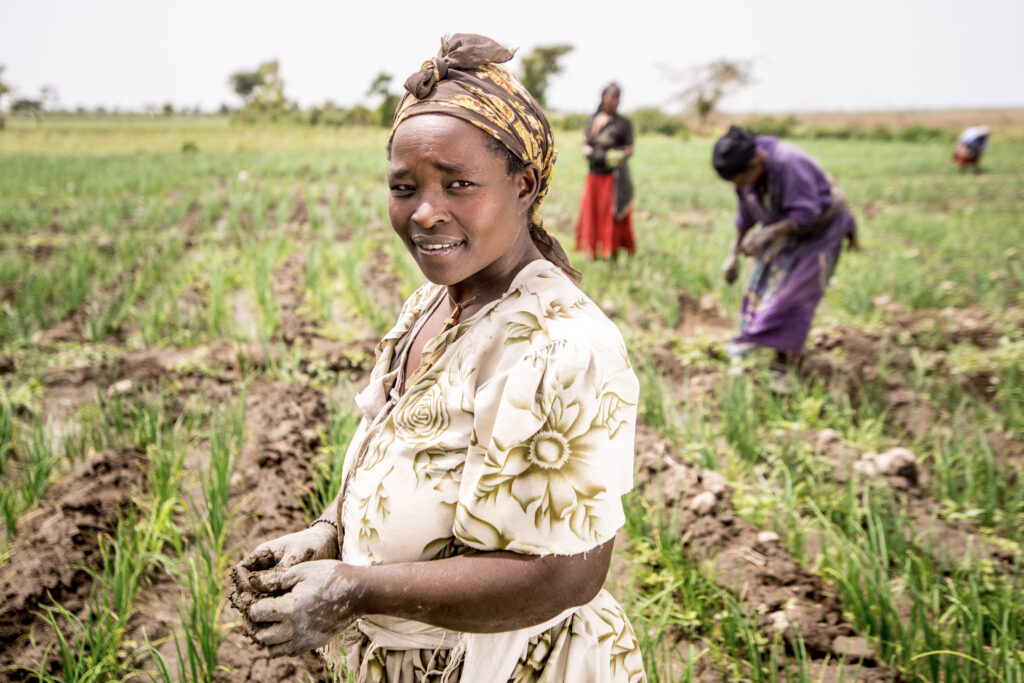
Achieving food sovereignty in Burkina Faso requires more than increasing production. Panel participants emphasized the need to sustainably manage natural resources, improve access to finance and agricultural services, strengthen value chains, and expand opportunities for agricultural entrepreneurship. Soil health emerged as a cross-cutting issue that influences productivity, environmental sustainability, resilience to climate shocks, and long-term food security.
By bringing soil health and sustainable soil fertility management into a national dialogue on food sovereignty, IFDC and the Soil Values program helped reinforce the critical role of healthy soils in Burkina Faso’s agricultural transformation.
The event provided an opportunity to engage national stakeholders, strengthen ownership of sustainable soil management approaches, and identify pathways for future collaboration that can support the country’s food sovereignty ambitions.
As a contributor to the event through Soil Values, IFDC offered expertise on soil fertility, agricultural innovation, and sustainable natural resource management, positioning soil health as a vital component of Burkina Faso’s food sovereignty agenda while fostering relevant exchanges.
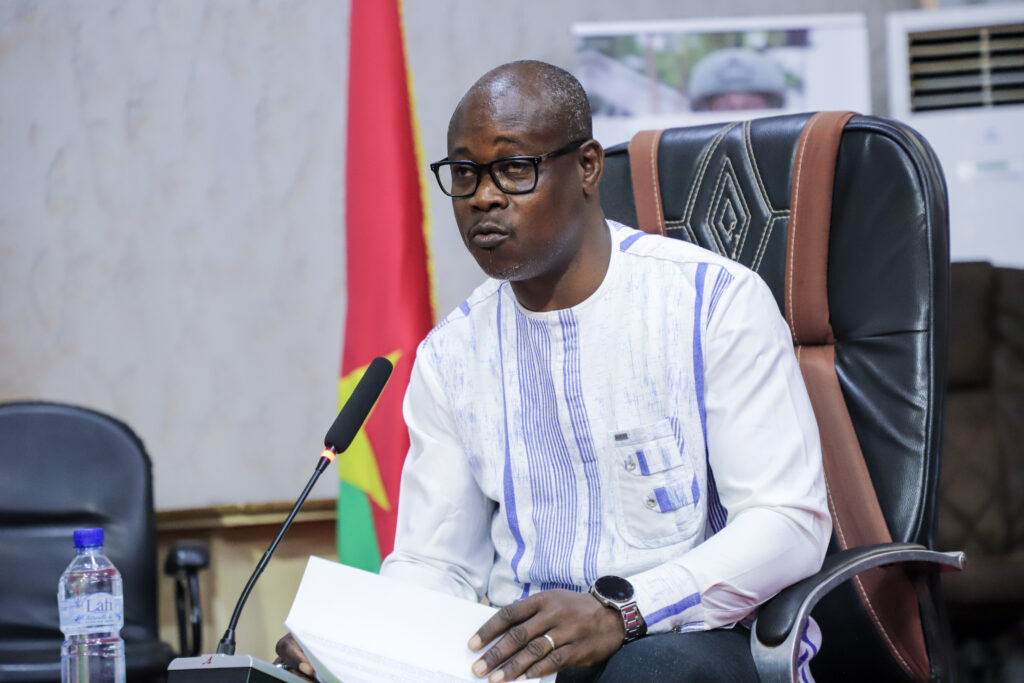
IFDC and Soil Values played a prominent role throughout the event. Moussa Dionou, IFDC’s Director of Growth and Partnerships in the Sahel/West Africa, served as moderator of the technical panel, guiding discussions on agricultural support mechanisms, financing opportunities, and strategies to strengthen youth and women’s engagement in agricultural entrepreneurship.
His facilitation helped connect diverse stakeholder perspectives around the shared objective of transforming Burkina Faso’s agriculture sector. “We have developed strong recommendations for the various stakeholders in Burkina Faso. We believe that the next step will be to work with these stakeholders to provide concrete solutions to the different recommendations that were highlighted during the panels,” he stated.
As a panelist in the session on food sovereignty accelerators, financing opportunities, and support mechanisms, Léon Zongo, Soil Values Country Coordinator for Burkina Faso, shared the program’s perspective on the central role of soil health in achieving food sovereignty and building resilient agricultural systems.
Calling attention to the importance of sustainable soil fertility management, Zongo underscored the need for increased investment in land restoration, the dissemination of farmer-centered technologies, and the adoption of practices that improve resource use efficiency while boosting productivity.
“Healthy soils increase agricultural productivity, improve the nutritional quality of food, and strengthen farmers’ resilience to the impacts of climate change,” he said.
Zongo further explained that Soil Values promotes innovative solutions that support better water and nutrient management while sustainably enhancing agricultural productivity. He noted that investments in soil health are not only essential for increasing yields but also for securing the long-term sustainability of food systems and the livelihoods of farming communities.
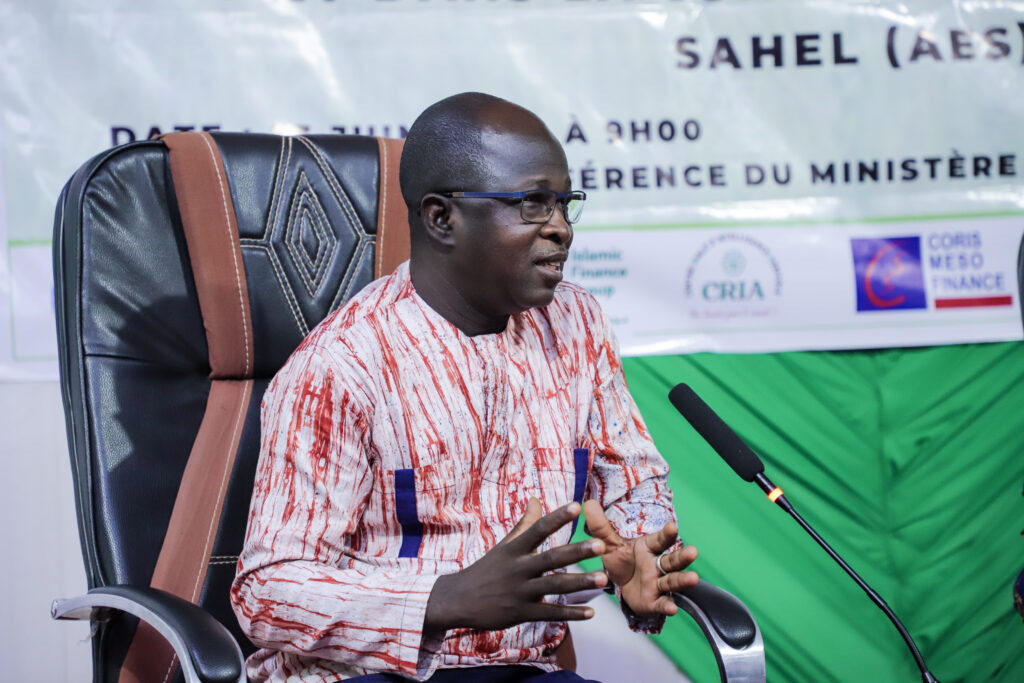
Panel discussions reflected strong alignment between Burkina Faso’s food sovereignty ambitions and the objectives advanced by the Soil Values program. Stakeholders highlighted the importance of sustainable intensification, value addition, climate-smart agriculture, and stronger support systems for producers as critical drivers of agricultural transformation.
The Government of Burkina Faso maintained its support for advancing these priorities through strengthened partnerships and collaboration. During the event, Minister of Foreign Affairs Karamoko Jean-Marie Traoré underscored the importance of cooperation in supporting the country’s agricultural ambitions.
“International relations play a key role in mobilizing both domestic and external support – including the Burkinabe diaspora – facilitating trade, and creating new opportunities for agribusiness stakeholders,” he said.
The Minister’s remarks echoed a broader message that emerged throughout the discussions: achieving food sovereignty will require coordinated action among the various groups represented at the panel, including government institutions, development partners, research organizations, and financial institutions.
Representatives from multiple sectors stressed the importance of building the capacities of producers, promoting practical agricultural training, and ensuring that young people and women have greater access to economic opportunities within the agriculture sector. They expressed a need for innovative financing approaches tailored to agricultural realities, especially for young entrepreneurs seeking to invest in production, processing, and agribusiness development.
Participants identified several priority actions to accelerate progress toward food sovereignty, including expanding access to finance, strengthening farm schools and practical training centers, promoting climate-smart innovations, investing in land restoration, and improving agricultural infrastructure. Participants also concurred with Traoré, calling for stronger coordination among stakeholders to maximize the impact of ongoing initiatives and future investments.
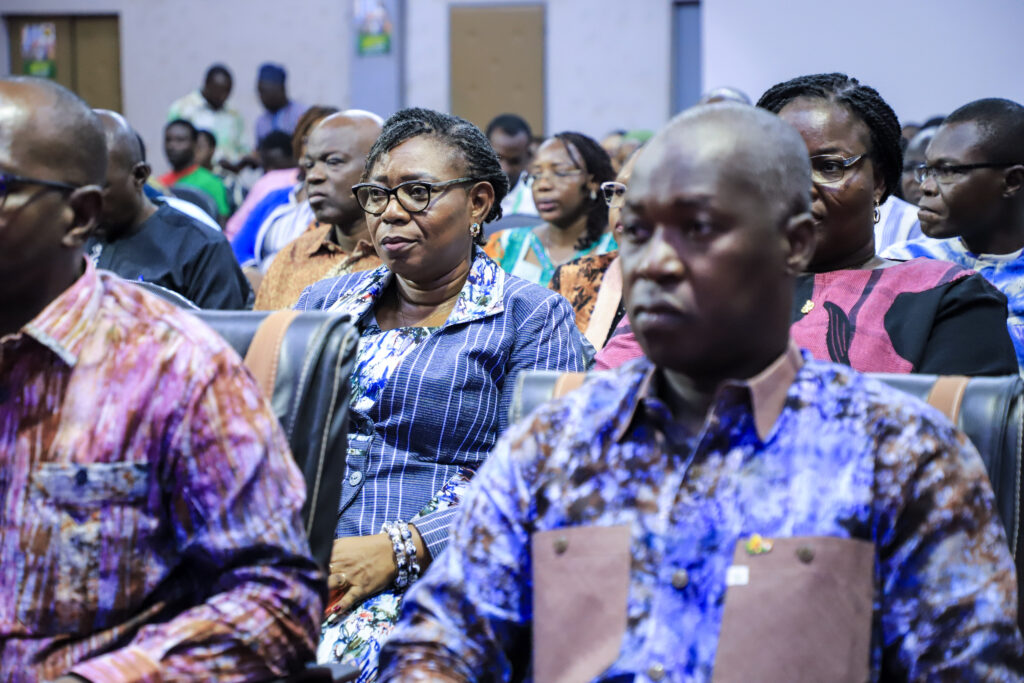
For IFDC and the Soil Values program, the event represented an opportunity to share technical expertise, but more importantly, it provided a valuable platform to engage directly with policymakers and other stakeholders, deepen understanding of national priorities, and strengthen relationships that can support future interventions in Burkina Faso.
Such engagement is essential for fostering national ownership of sustainable soil management approaches and ensuring that future investments are aligned with the country’s development objectives.
The event also demonstrated the growing recognition that sustainable soil management must be part of broader efforts to transform food systems. By providing evidence-based solutions and practical field experience, IFDC and Soil Values helped elevate soil health as a crucial element of Burkina Faso’s national discussions on food sovereignty.
Through their active participation in the high-level panel, IFDC and the Soil Values program reaffirmed their commitment to supporting Burkina Faso’s efforts to build more productive, resilient, and sustainable food systems.
The event strengthened dialogue among stakeholders, increased awareness of the importance of soil health, and laid the groundwork for future collaboration aimed at addressing the interconnected challenges of food security, land degradation, climate resilience, and agricultural growth.
By positioning healthy soils as a cornerstone of food sovereignty, Soil Values continues to contribute to a shared vision of agricultural transformation that delivers lasting benefits for farmers, communities, and Burkina Faso as a whole.
Funded by the Dutch Directorate-General for International Cooperation (DGIS), the Soil Values program is being implemented over 10 years (2024-2033), led by the International Fertilizer Development Center (IFDC), in consortium with SNV and Wageningen University and Research (WUR), as well as knowledge partners such as AGRA, the Center for International Forestry Research and World Agroforestry (CIFOR-ICRAF), the International Institute of Tropical Agriculture (IITA), ISRIC – World Soil Information, and the International Water Management Institute (IWMI).