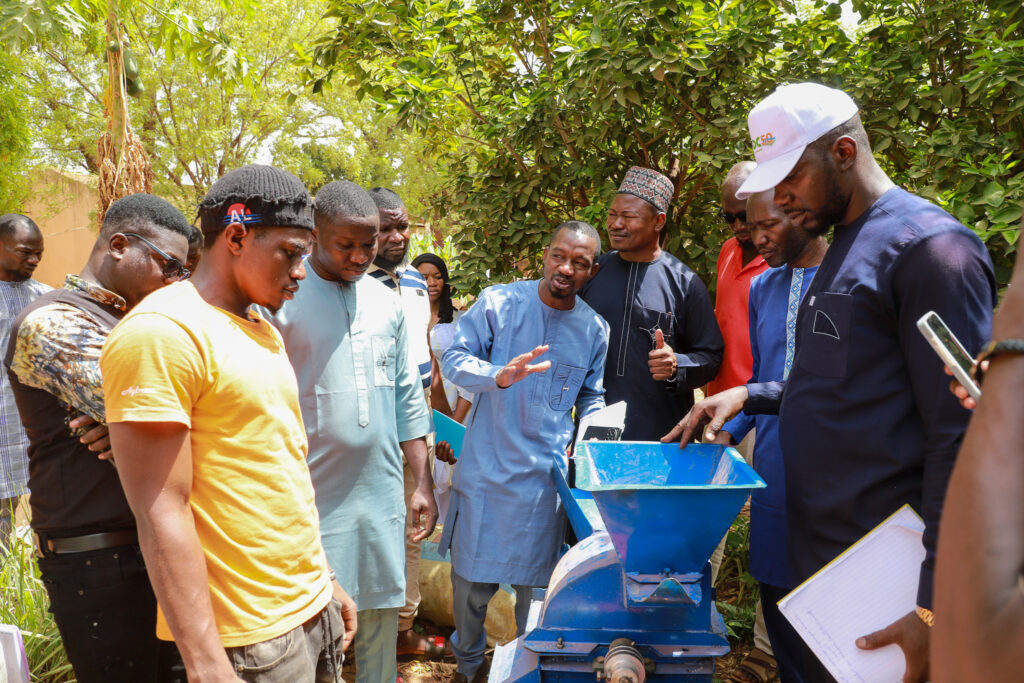
On April 8‑11 in Sikasso, Mali, the Soil Values program held a youth training event that drew 22 young people from the country’s Ségou, San, and Sikasso regions.
The training program helped equip these young people with practical agribusiness and organic fertilizer production skills to strengthen their livelihoods through income-generating activities while supporting soil health and restoration in key production areas.
“This training is very beneficial for farmers in Mali and the sub-region. Our soil has become depleted. The techniques participants learned are therefore very useful.”
Boubacar Traoré, Soil Values focal point at the Sikasso Regional Directorate of Agriculture
Hands-On Learning in Agribusiness and Soil Management
Over the four-day program, participants worked through several practical and classroom-based modules on topics such as seedling production, plant production, grafting techniques, and many others. In the agricultural entrepreneurship modules, for example, they learned about building and managing profitable businesses.
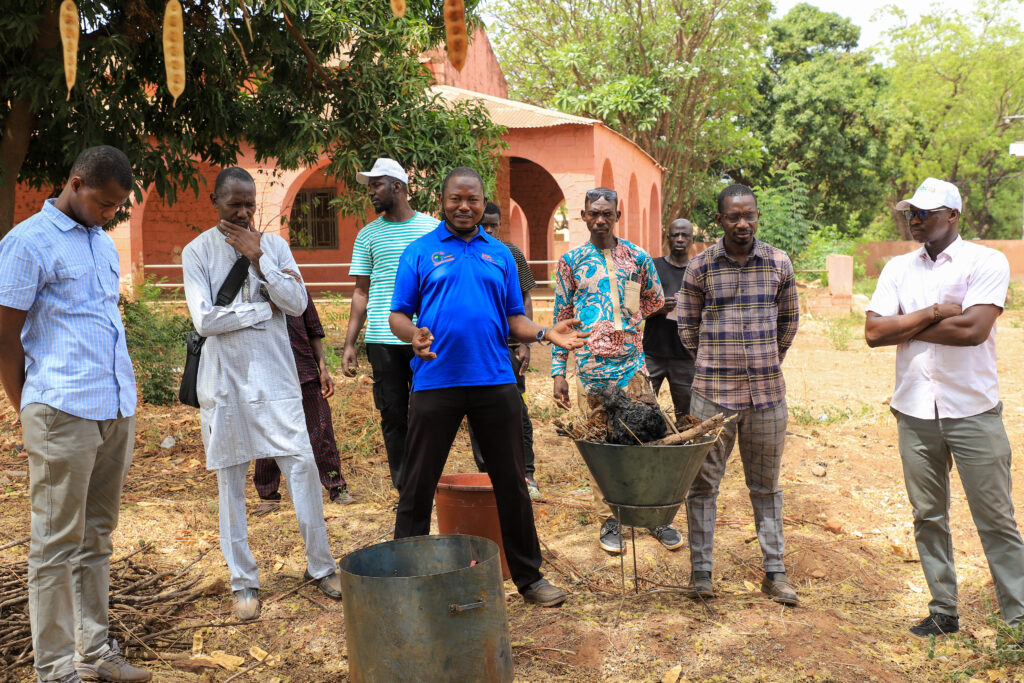
Attendees also learned and practiced step-by-step techniques for producing organic fertilizers and inputs, such as bokashi1, compost, and biochar2, suited to local conditions – an approach promoting more sustainable agriculture and encouraging youth self-employment.
Participants said the sessions helped make entrepreneurship more concrete and easier to apply. As Aminata Dissa, a farmer from Sikasso, explained, “The group work we did was aimed at gaining a better understanding of entrepreneurship. It helped explain its benefits and how to put it into practice in order to reap those benefits.”
Another farmer, Kadidia Traoré, commented that the entrepreneurial training enlightened her most “regarding income, its proper management, bank deposits, profits.”
Some trainees also observed that the sessions filled gaps for them. For example, farmer Daouda Dissa remarked, “There were indirect factors I wasn’t taking into account in my operations.”
The Soil Values training helped Daouda and other farmers like him better understand management, work organization, access to raw materials, and other factors influencing the smooth running of their businesses.
Training to Address Soil Fertility Challenges
This training initiative also provides a timely response to a widely recognized need for practical soil fertility solutions. Boubacar Traoré, the Soil Values focal point at the Sikasso Regional Directorate of Agriculture, emphasized the urgency: “This training is very beneficial for farmers in Mali and the sub-region. Our soil has become depleted. The techniques participants learned are therefore very useful.”
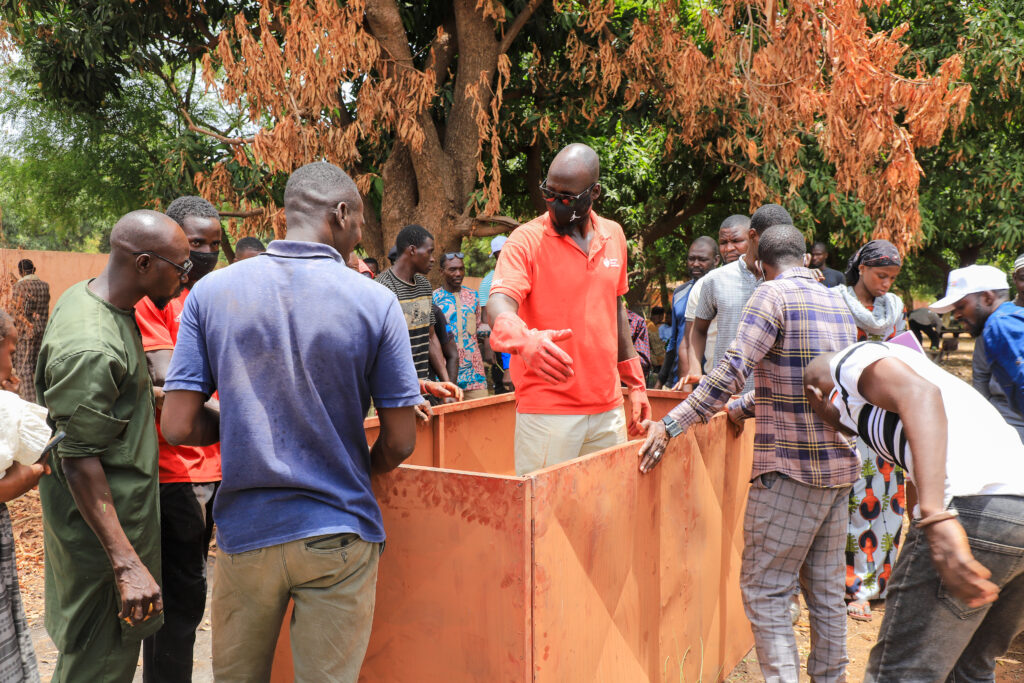
To support real-world adoption after the training, partner organizations including the Free Association for the Promotion of Housing and Accommodation (ALPHALOG) and FITINE Consult are expected to provide follow-up, determine whether techniques are being appropriately applied in the field, and support ongoing mentoring for the trainees.
The initiative was designed to encourage peer-to-peer learning through participatory approaches, including group work, discussions, practical exercises, reviews, and debriefings. This strategy promotes post-training spillover learning once trainees share what they learned with peers from their local associations and cooperatives.
By equipping youth with skills in entrepreneurship and organic fertilizer production, and reinforcing these through post-training support, the Soil Values program is cultivating a new generation of agricultural entrepreneurs poised to strengthen local production systems and advance sustainable practices in Mali.
Funded by the Dutch Directorate-General for International Cooperation (DGIS), the Soil Values program is being implemented over 10 years (2024-2033), led by the International Fertilizer Development Center (IFDC), in consortium with SNV and Wageningen University and Research (WUR), as well as knowledge partners such as AGRA, the Center for International Forestry Research and World Agroforestry (CIFOR-ICRAF), the International Institute of Tropical Agriculture (IITA), ISRIC – World Soil Information, and the International Water Management Institute (IWMI).

- Bokashi is a process that converts food waste and similar organic matter into a soil amendment which adds nutrients and improves soil texture. ↩︎
- Biochar is a carbon-rich material produced from the thermochemical conversion of biomass in an oxygen-limited environment. It is made from agricultural residues, wood waste, and other organic materials, and is applied to improve soil health and fertility. ↩︎