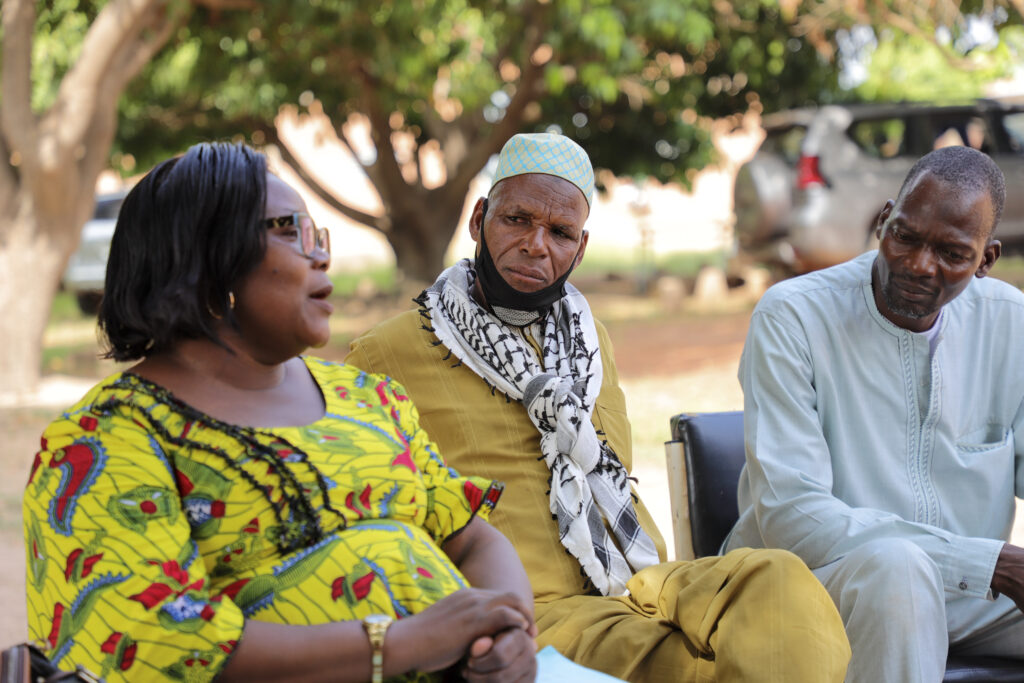
A new community-level partnership is providing a framework for stakeholders in Burkina Faso’s Kou watershed to work toward a shared vision for sustainable development through 2033. By bringing together multiple organizations and groups, the partnership aims to strengthen coordination, align investments, and support resilient livelihoods while addressing the interconnected environmental and economic challenges affecting the landscape, such as soil degradation, pressure on natural resources, limited access to finance, and constraints on agricultural and livestock productivity.
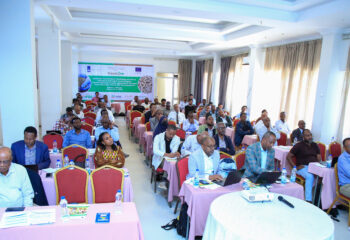
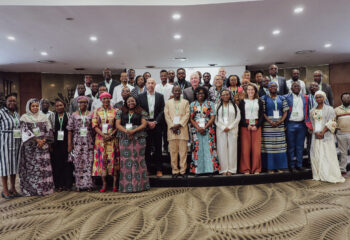
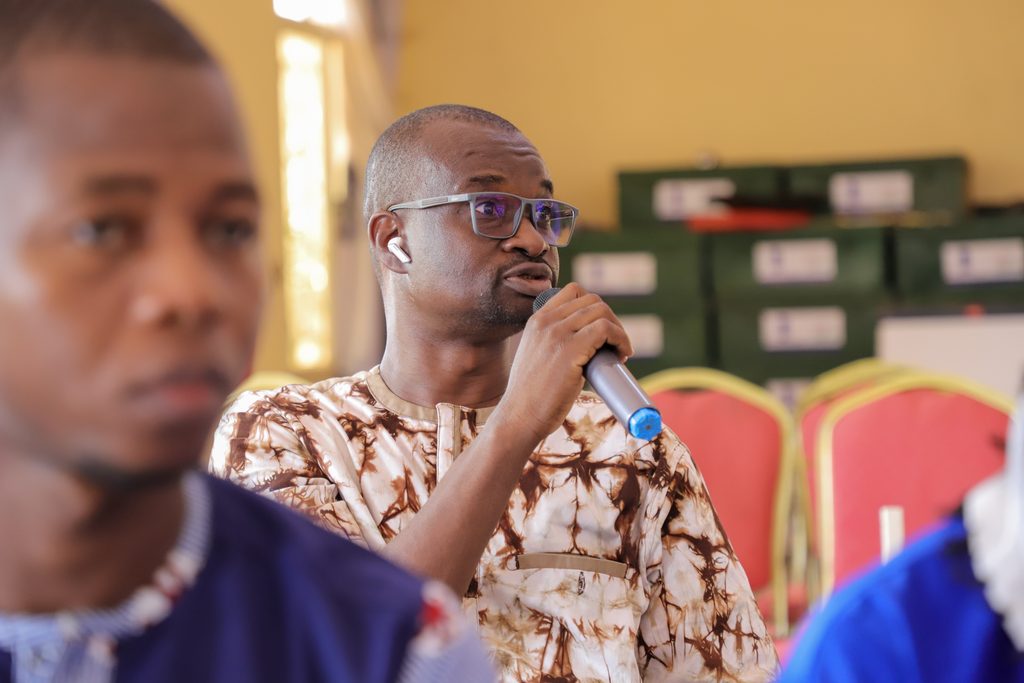
On June 1-5, the Soil Values program facilitated a five-day workshop in the commune of Bama to establish the partnership for the Kou watershed. The workshop brought together representatives of local authorities, members of farmers and breeders’ organizations, traditional leaders, researchers, financial institutions, development partners, and representatives of women and youth organizations to collectively analyze the landscape, identify key challenges, and define the partnership’s shared vision. Participants took an approach that balances agricultural development, environmental sustainability, and local economic opportunities.
We came together to discuss the future of Bama and reflect on the vision we have for the commune over the next seven to ten years.
Hassane Sangaré
The workshop operated through a participatory and inclusive process, actively involving local farmers and livestock keepers along with women and youth to ensure that priorities reflect local realities and respond to the needs of communities across the municipality. Participants developed a common vision for the territory through 2033 and agreed on the foundations needed to guide future action. This process resulted in a clear theory of change, priority actions, stakeholder roles, and monitoring indicators to measure progress over time. Together, these elements provide a roadmap for implementing integrated landscape management activities across the watershed.
A Collective Vision for Sustainable Landscape Management
Local farmers and breeders actively contributed to shaping the partnership’s priorities by sharing their experiences and challenges. For local breeder Hassane Sangaré, the workshop provided an opportunity for participants to jointly plan the future of Bama. “We came together to discuss the future of Bama and reflect on the vision we have for the commune over the next seven to ten years,” he affirmed.
Breeders emphasized the importance of improving access to animal feed and securing grazing areas to reduce conflicts and support sustainable livestock production, while farmers also highlighted the need for better access to agricultural inputs, knowledge, and financing to increase productivity and strengthen resilience.
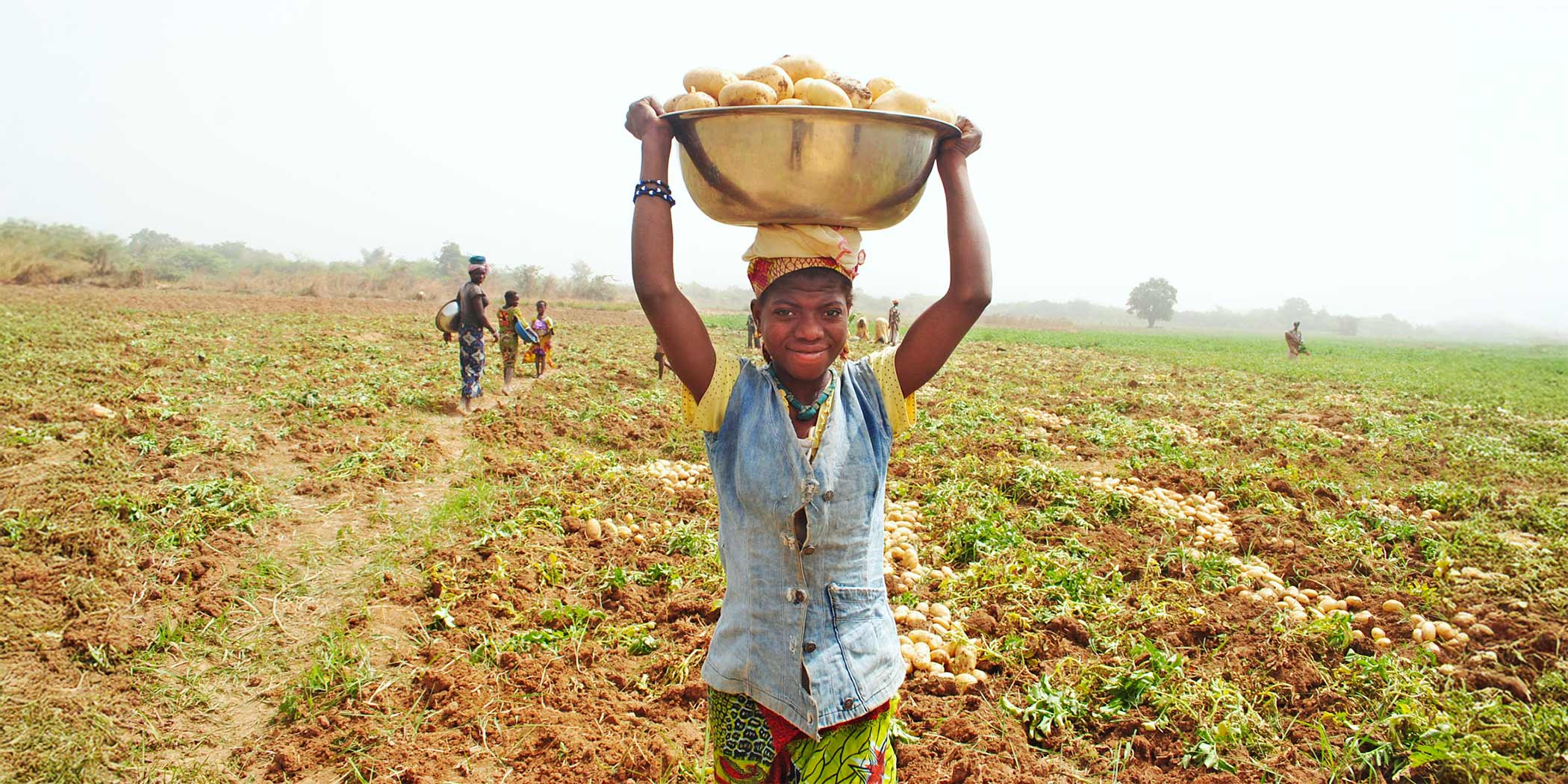
Women and youth promoted more inclusive development opportunities and solutions that recognize the important role these two groups play in building resilient and sustainable food systems. Local farmer Fatimata Zonou and other women contributed to workshop results, noting that strengthening agricultural development is essential to improving food security and local livelihoods. “We discussed agricultural development to improve production and strengthen food self-sufficiency,” she said.
Aboubacar Okana Lougue, Executive Director of the National Youth Coordination for the Environment and Climate (CONAJEC), remarked of the workshop, “We commend the work that has been done to involve all segments of the population, especially women and young people.”
Beyond local actors, development partners and research institutions reaffirmed their commitment to contributing technical expertise and aligning their interventions to support the shared vision developed through the partnership. Their engagement reflects growing recognition that sustainable landscape management requires collaboration across sectors and institutions.
A Commitment for Long-Term Impact
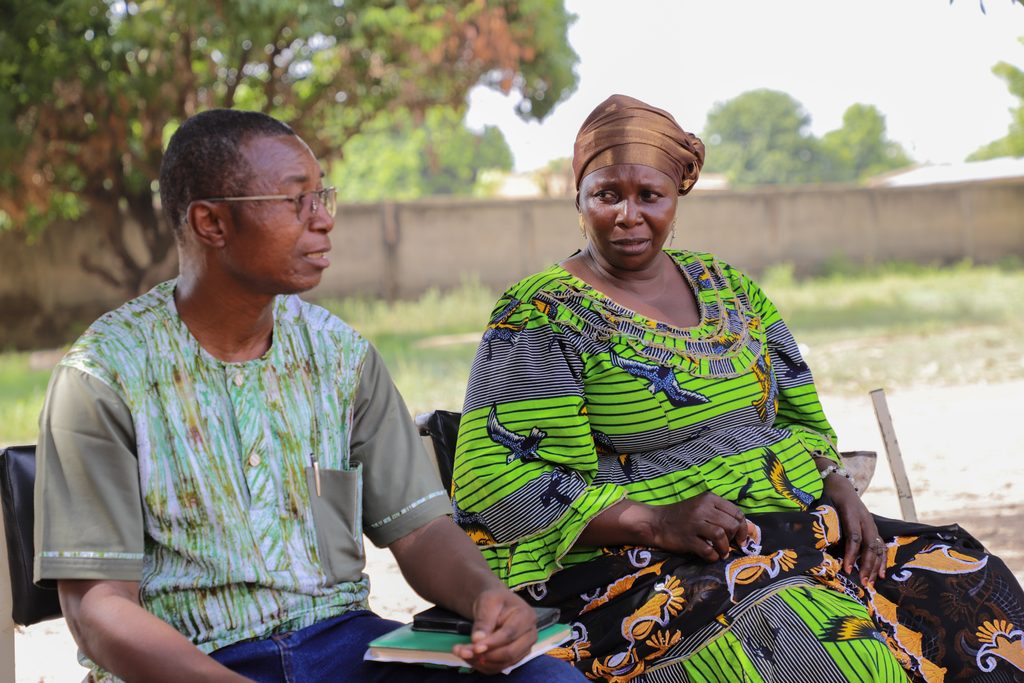
The establishment of this community-level partnership reflects the Soil Values program’s implementation strategy: bringing together diverse stakeholders around a common goal. Partnerships are central to its watershed-based approach, through which the program supports stakeholders in developing coordinated solutions that combine scientific knowledge, local expertise, and partner contributions to address complex landscape challenges.
This commitment to collaboration aligns with Bama’s priorities. Felix Bayé, President of the Special Delegation (PDS) of the commune of Bama, encouraged all stakeholders to remain dedicated to the process, emphasizing that Bama and its communities are the primary beneficiaries of these efforts. “We must give our best to live up to the trust placed in us. … When an initiative concerns the municipality, it is important that we commit ourselves and approach it with the utmost seriousness,” he said.
Looking ahead, stakeholders are committed to maintaining collaboration over the long term and advancing the priorities they identified during the workshop, such as restoring degraded land, improving access to necessary materials and services, and promoting inclusive natural resource management. With locally defined indicators of success and a shared framework for action, the partnership lays the groundwork for more sustainable management of the Kou watershed, improved livelihoods, and greater resilience for communities across Bama through 2033.
Funded by the Dutch Directorate-General for International Cooperation (DGIS), the Soil Values program is being implemented over 10 years (2024-2033), led by the International Fertilizer Development Center (IFDC), in consortium with SNV and Wageningen University and Research (WUR), as well as knowledge partners such as AGRA, the Center for International Forestry Research and World Agroforestry (CIFOR-ICRAF), the International Institute of Tropical Agriculture (IITA), ISRIC – World Soil Information, and the International Water Management Institute (IWMI).