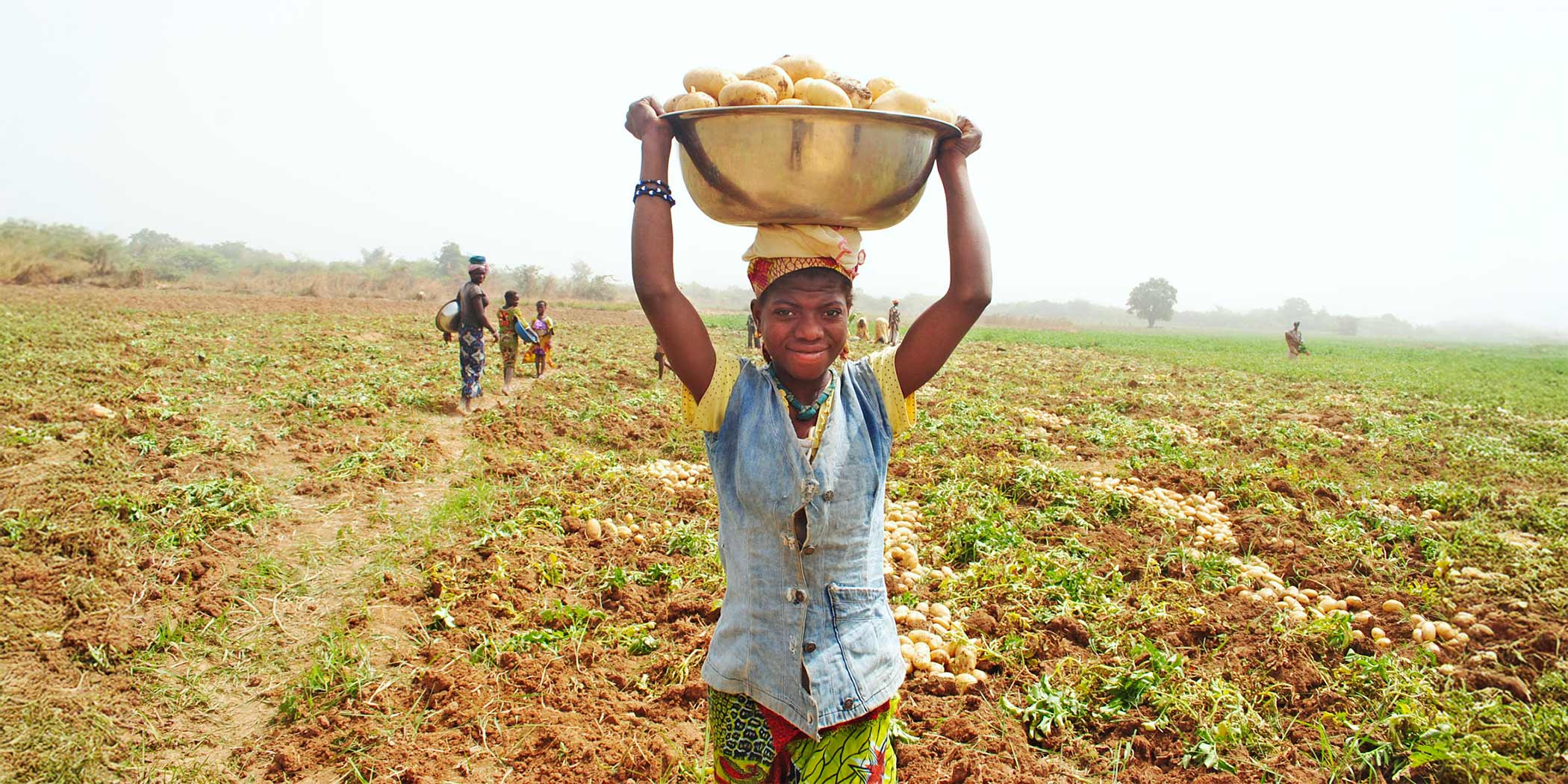
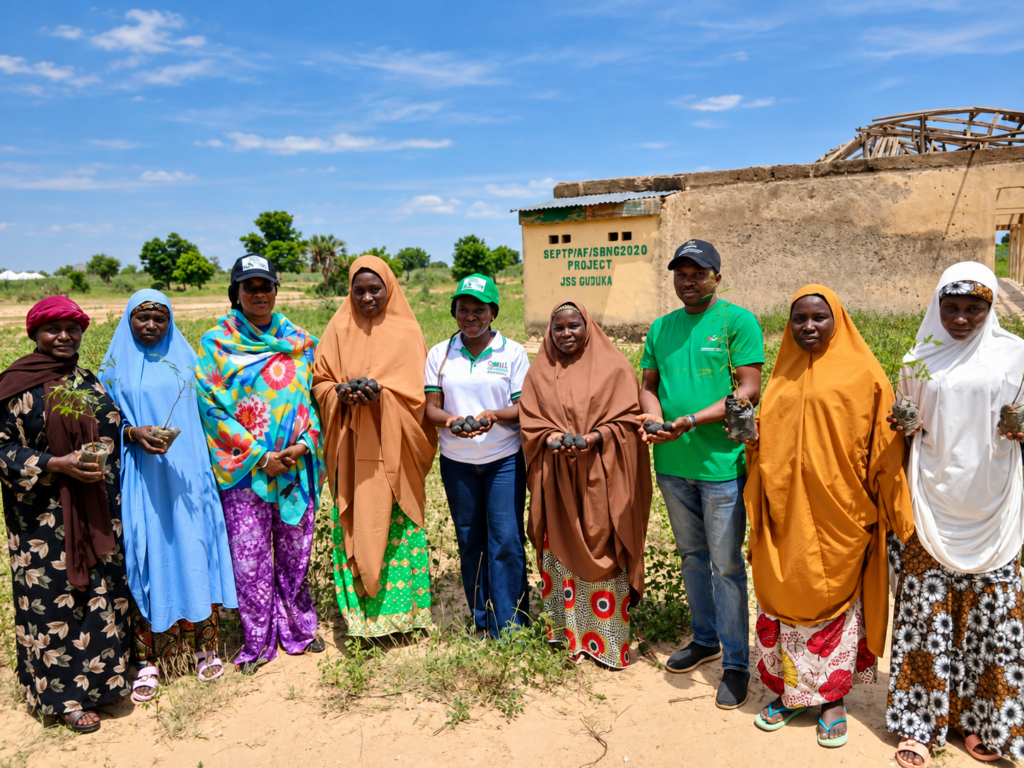
Across Nigeria’s Kano and Bauchi states, communities are taking action toward sustainable soil and land management by adopting practices that contribute to healthier soils, more resilient landscapes, and new livelihood opportunities.
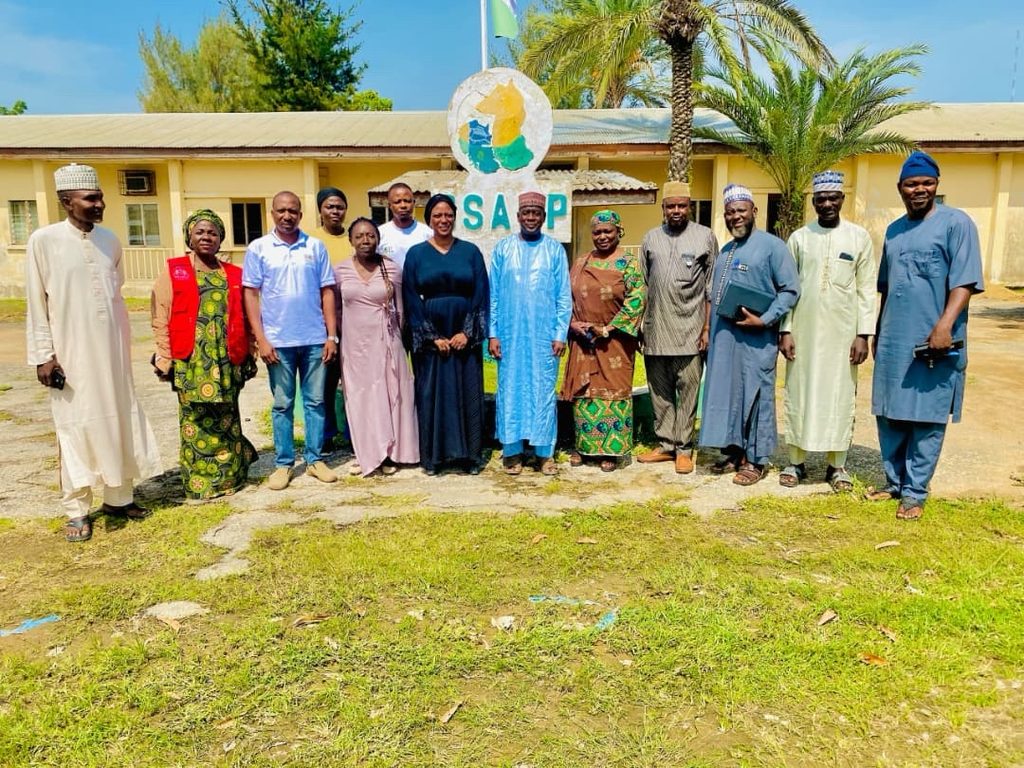
A Soil Values field mission to Nigeria, held September 14‑18, clearly revealed the achievements these communities have made. Led by representatives from SNV, including Multi-Country Program Manager Diane Saran, Multi-Country Gender Equality and Social Inclusion (GESI) Expert Mary Kachollom Hwyere, and Field Lead David Stanley, the mission combined technical engagement, field monitoring, and learning to review progress, strengthen collaboration among partners, and identify priorities for expanding impact.
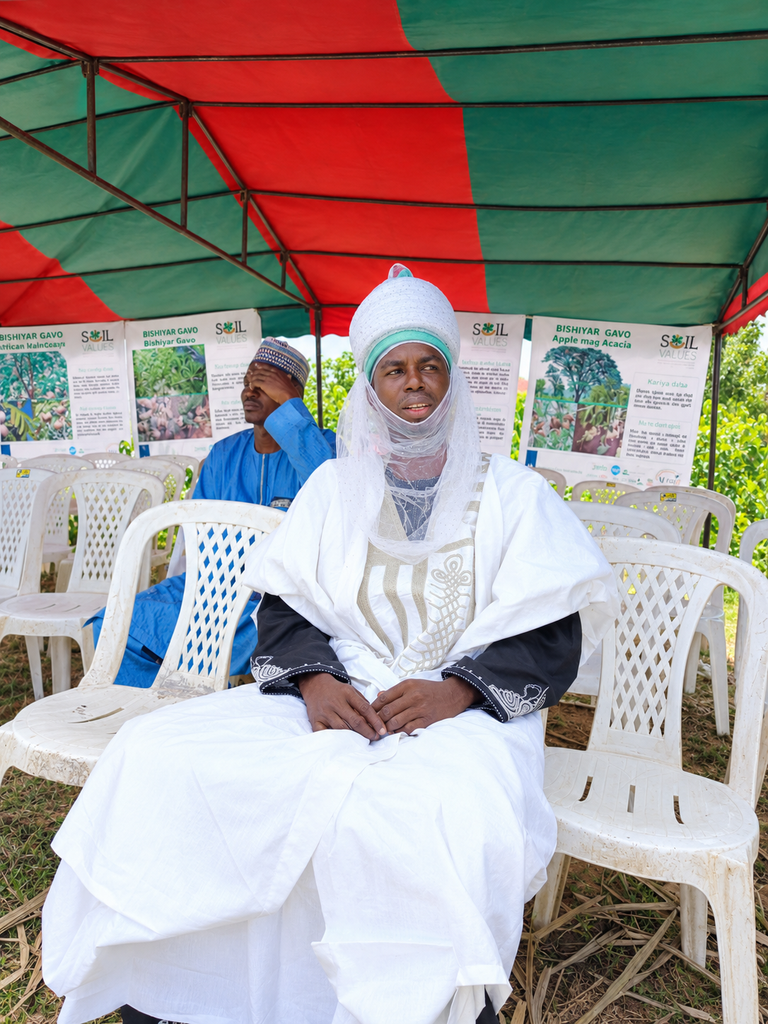
“We appreciate the restoration efforts and welcome further action.”
Ahmad Bashir Abdulkadir
Putting Partnerships into Action
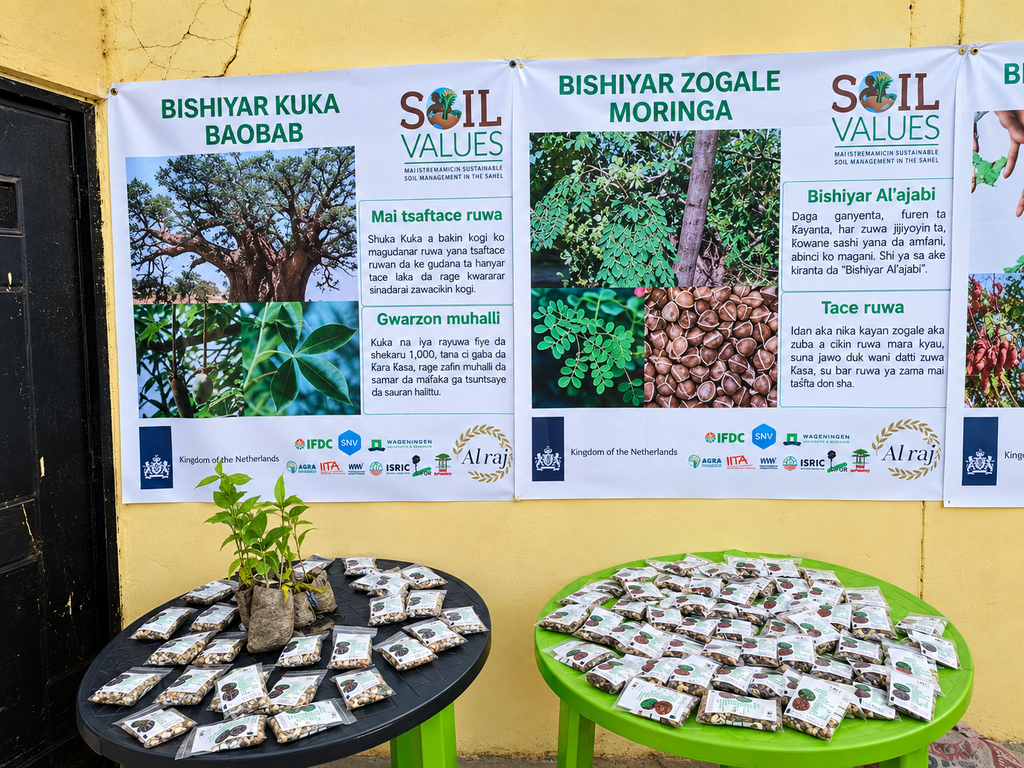
During the mission, the team met with key partners, including the Agro-Climatic Resilience in Semi-Arid Landscapes (ACReSAL) project, the Livestock Productivity and Resilience Support Project (L-PRES), the Bauchi State Agricultural Development Program (BSADP), and the International Institute of Tropical Agriculture (IITA), as well as local implementing organizations such as Al-Raj Agro-Enterprise Limited, the Women Empowerment Initiative (WEIN), and Community Advocate for Rural Development (CARD).
Discussions focused on the progress made thus far, implementation challenges, opportunities for collaboration, and priorities for strengthening community-level interventions. Together, these partnerships help connect technical expertise, local knowledge, and community action to advance sustainable soil and landscape management across intervention areas.
Making Changes Where It Matters Most
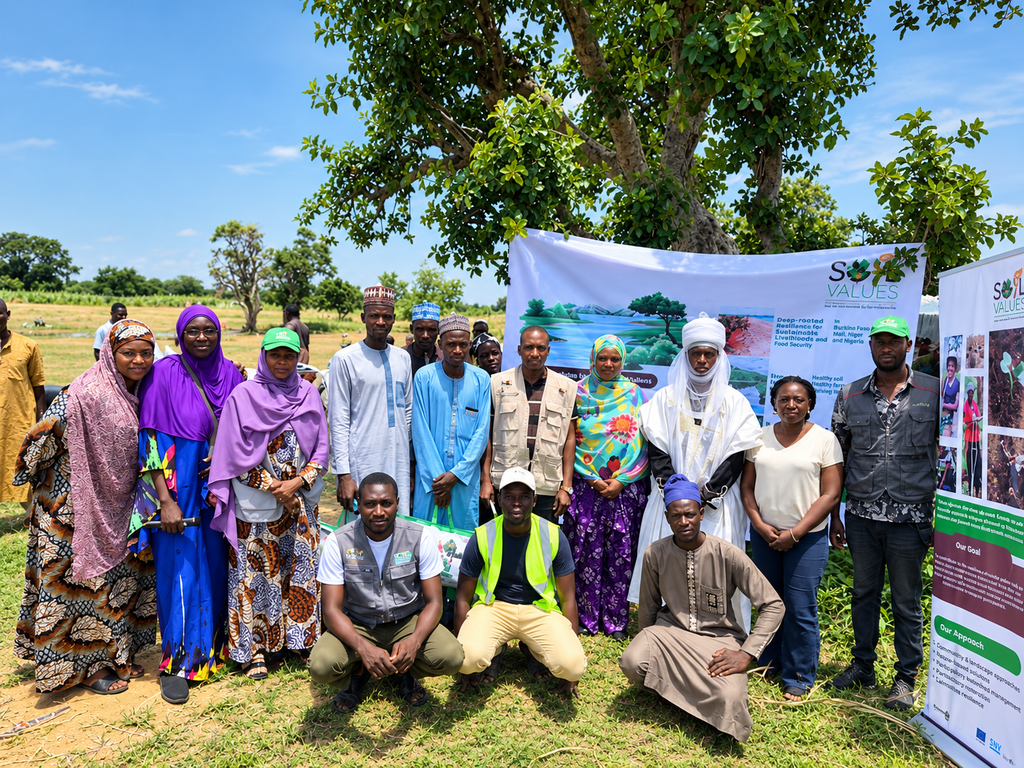
At the three selected intervention sites, the team met with extension agents, lead farmers, women, youth, and other community members, observing activities focused on sustainable land management.
In Kano’s Gogori Community, local leaders highlighted the impact of erosion on agricultural land and the importance of the restoration efforts supported by Al-Raj Agro-Enterprise. “This is what we have been longing for. Erosion has been encroaching on our farms, and areas that once had more than 100 mango trees are now bare. We appreciate the restoration efforts and welcome further action,” said Bagwai District Head Ahmad Bashir Abdulkadir. His statement underscores the urgency of restoring degraded landscapes and protecting the productive land and natural resources on which rural livelihoods depend.
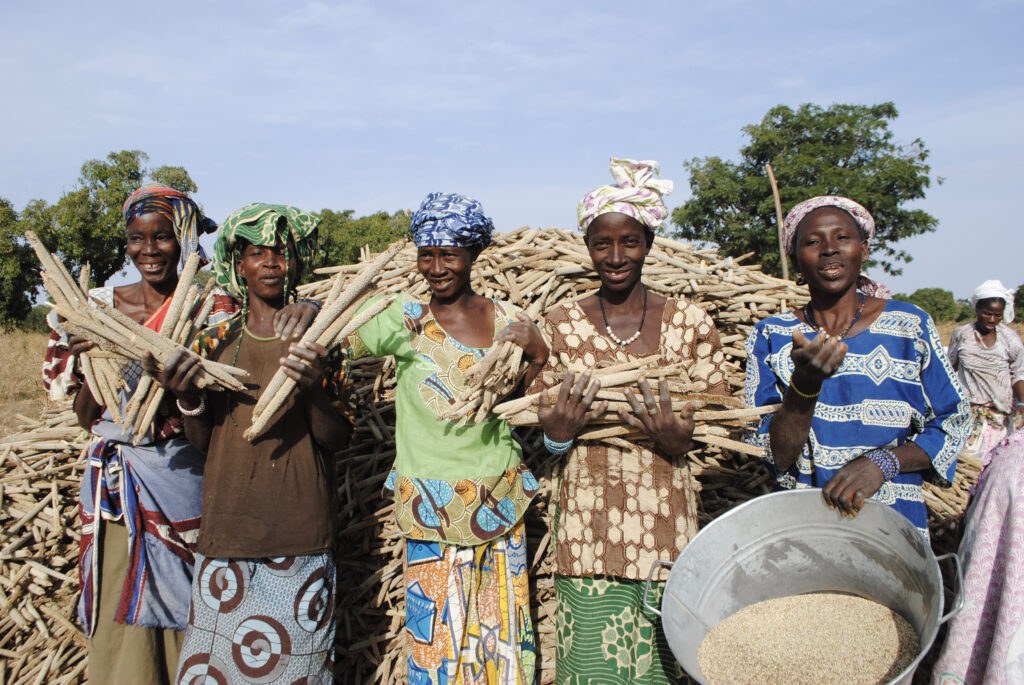
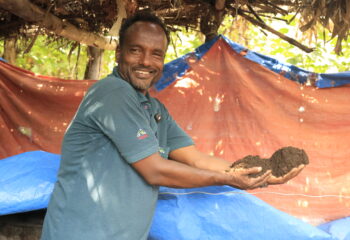
Across the intervention sites, extension agents and lead farmers reported having gained increased knowledge and awareness of sustainable landscape management practices, including afforestation, composting, briquette making, and biochar production and use. These efforts are helping members of the community, especially women and youth, explore practical approaches to improving soil health while creating opportunities for local enterprise and income generation.
For example, 1,050 people across six local government areas (LGAs) in Bauchi State have been trained in briquette production, which is already providing livelihood opportunities. “We produce and sell [briquettes] within our community and in other communities and LGAs. We also teach other women how to make briquettes because we understand their importance,” said training participant Sa’adatu Musa Abdullahi. Her experience illustrates how sustainable land management interventions can generate benefits beyond environmental restoration by creating income opportunities, strengthening local skills, and encouraging peer-to-peer learning among women.
Moving from Participation to Influence
The field mission also highlighted shifting perceptions around women’s participation in natural resource management. Some male community members acknowledged that women had previously been less involved in interventions, but they increasingly recognize the value of women’s participation in Soil Values-supported activities.
Support and training on topics such as briquette production demonstrate that access to knowledge, skills, and economic opportunities can facilitate greater participation while creating pathways for women to play an even more active role in decision-making.
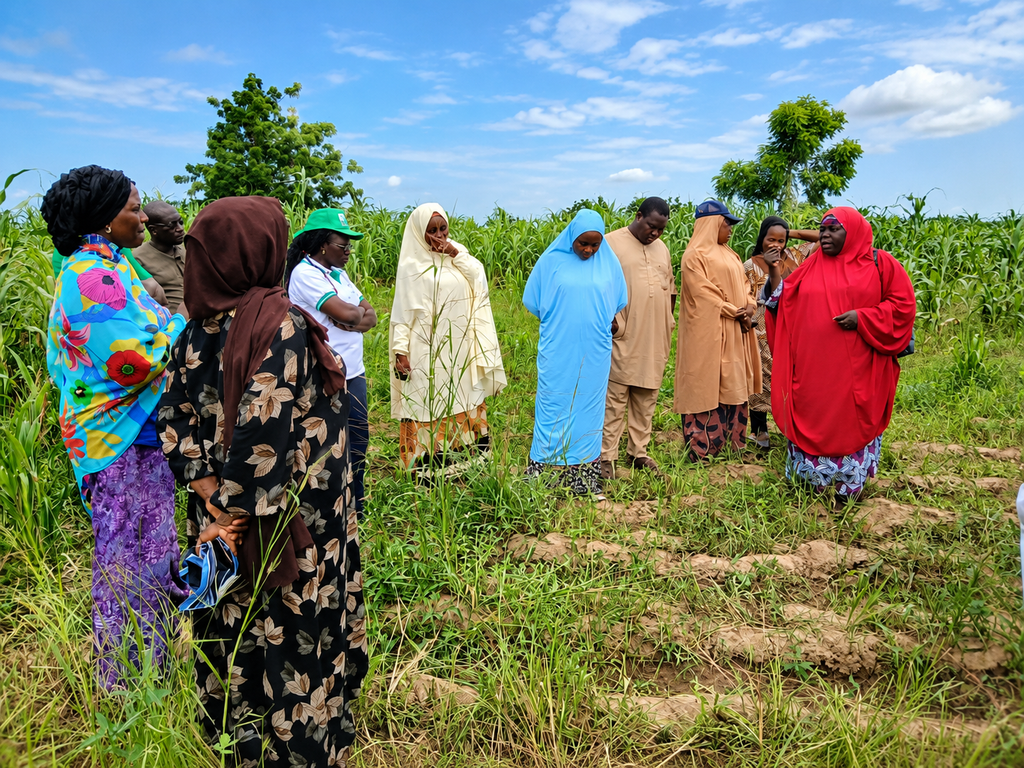
This strategy provides a foundation for women to exercise greater voice and influence, gain access to opportunities, and be more meaningfully involved in natural resource management and landscape restoration.
For Soil Values, inclusion of women and youth in sustainable soil and landscape management activities is not only about ensuring their participation; it is about creating opportunities for them to contribute to, benefit from, and increasingly influence actions that affect their communities and natural resources.
Building on the Momentum
The field mission confirmed the value of combining strong partnerships, community engagement, practical restoration solutions, and deliberate integration of women and young people to advance sustainable landscape management in Nigeria.
It also helped identify priorities for the next phase of Soil Values: strengthening implementation, documenting emerging good practices, expanding opportunities for women and young people, and facilitating knowledge exchange across countries participating in the program.
As communities continue restoring degraded landscapes, adopting sustainable soil management practices, and creating new livelihood opportunities, the experiences from Kano and Bauchi demonstrate the potential of locally driven solutions supported by strategic partnerships. By building on these lessons and strengthening collaboration among partners and communities, Soil Values aims to scale approaches that contribute to healthier soils, more resilient landscapes, and improved livelihoods across Nigeria and beyond.
Funded by the Dutch Directorate-General for International Cooperation (DGIS), the Soil Values program is being implemented over 10 years (2024-2033), led by the International Fertilizer Development Center (IFDC), in consortium with SNV and Wageningen University and Research (WUR), as well as knowledge partners such as AGRA, the Landscape Alliance (CIFOR-ICRAF), the International Institute of Tropical Agriculture (IITA), ISRIC – World Soil Information, and the International Water Management Institute (IWMI).