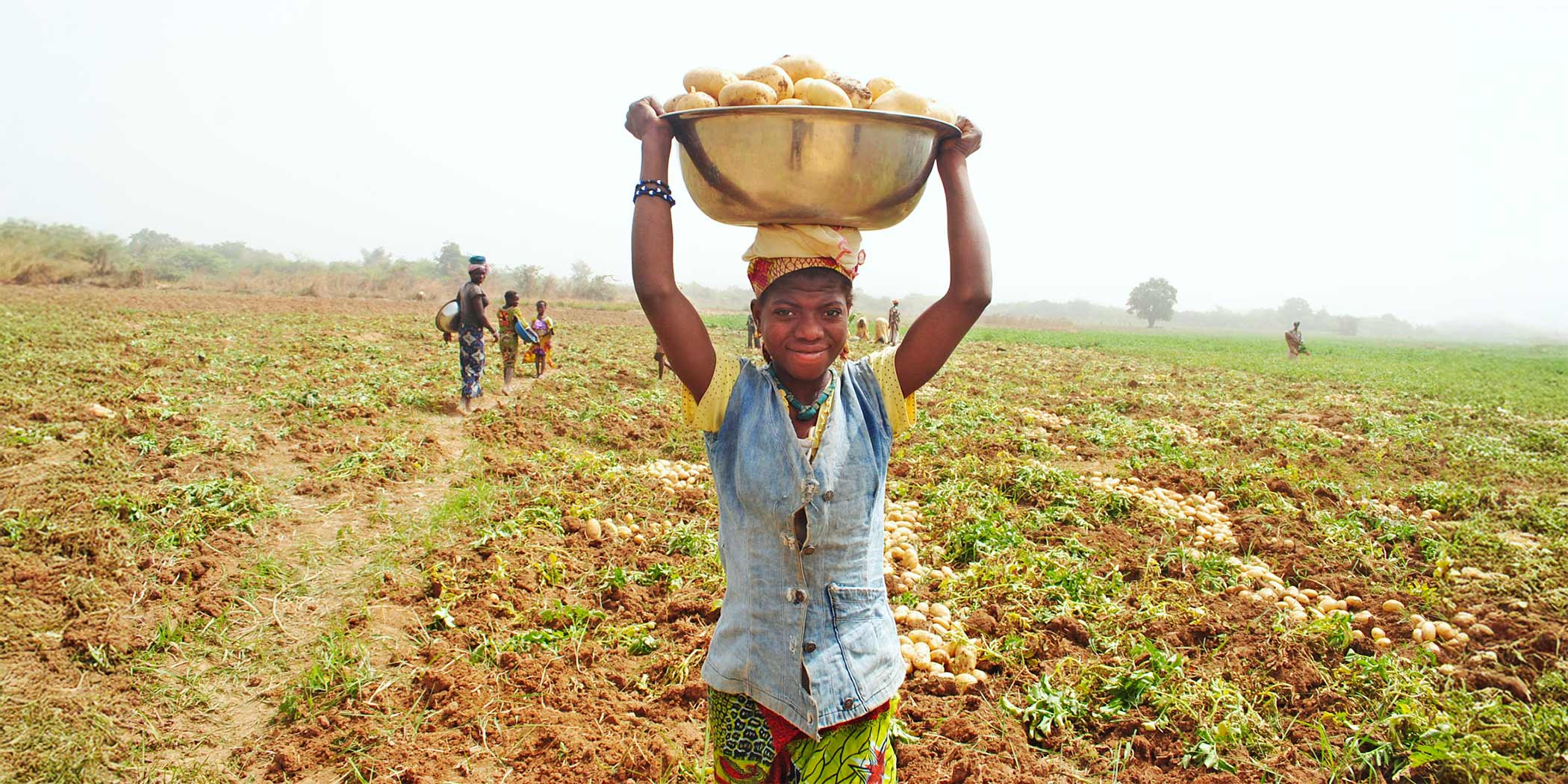
Soil Values, a 10-year program funded by the Netherlands Directorate-General for International Cooperation (DGIS), aims to improve soil fertility, reduce yield disparities, and strengthen the resilience of smallholder farmers to climate shocks in Burkina Faso, Mali, Niger, and northern Nigeria.
The program recently equipped young entrepreneurs in northern Nigeria to launch compost and tree nursery businesses that can rebuild depleted soils, expand access to organic inputs, and strengthen climate resilience at the community level.
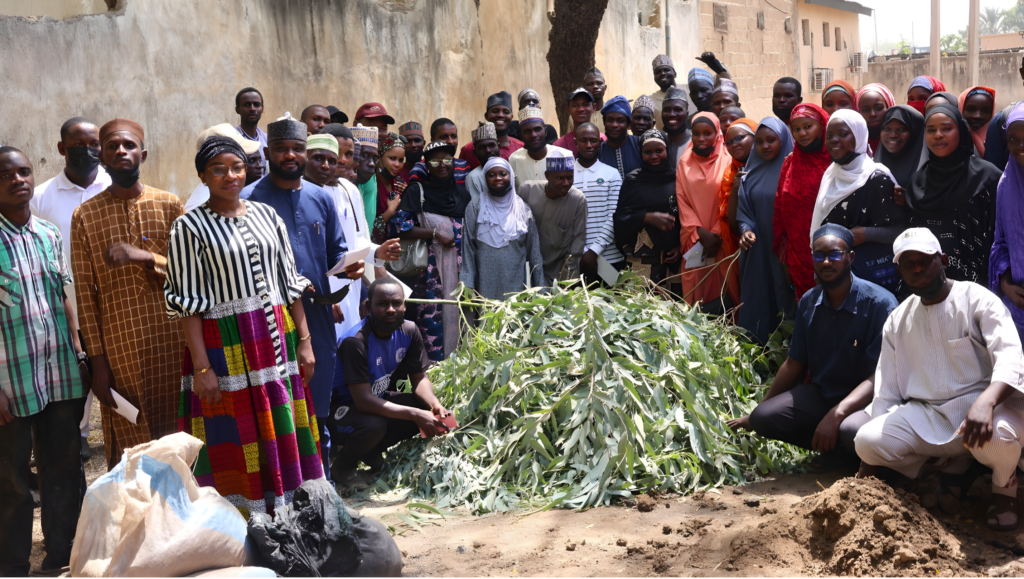
On March 10‑13, in Kano State, Nigeria, the program trained youth community interest groups in entrepreneurship, compost production, and nursery management, pairing skills with basic resources to help groups start local production units and nurseries.
“The goal is to support environmentally sustainable improvements in food production while strengthening the resilience of small-scale food producers across the Sahel.”
Dr. Alimata Bandaogo, Soil Values Deputy Program Director, Technical
Delivered in collaboration with the World Bank-funded Agro-Climatic Resilience in Semi-Arid Landscapes (ACReSAL) and Livestock Productivity and Resilience Support Project (L-PRES), this training reflects a deliberate shift from simple information transfer toward youth-led enterprise development of localized production systems.
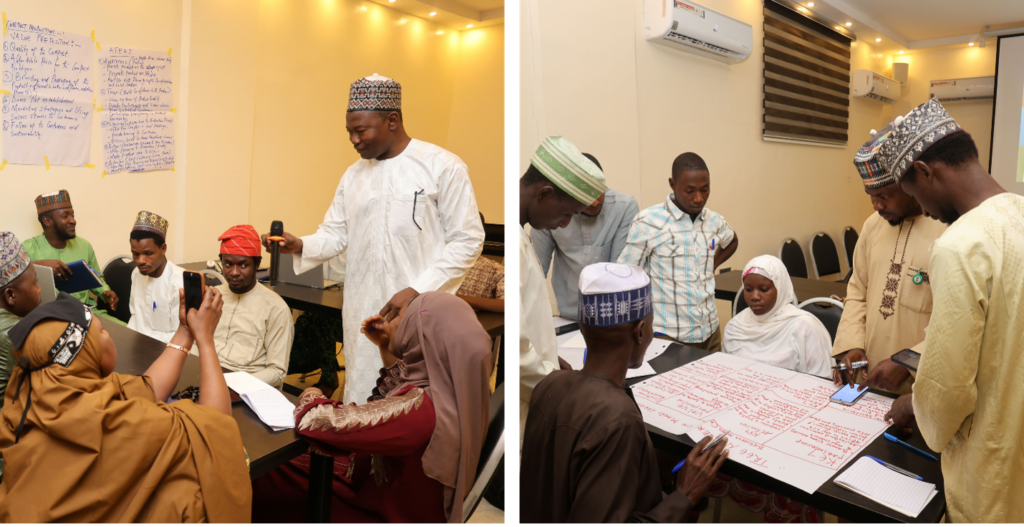
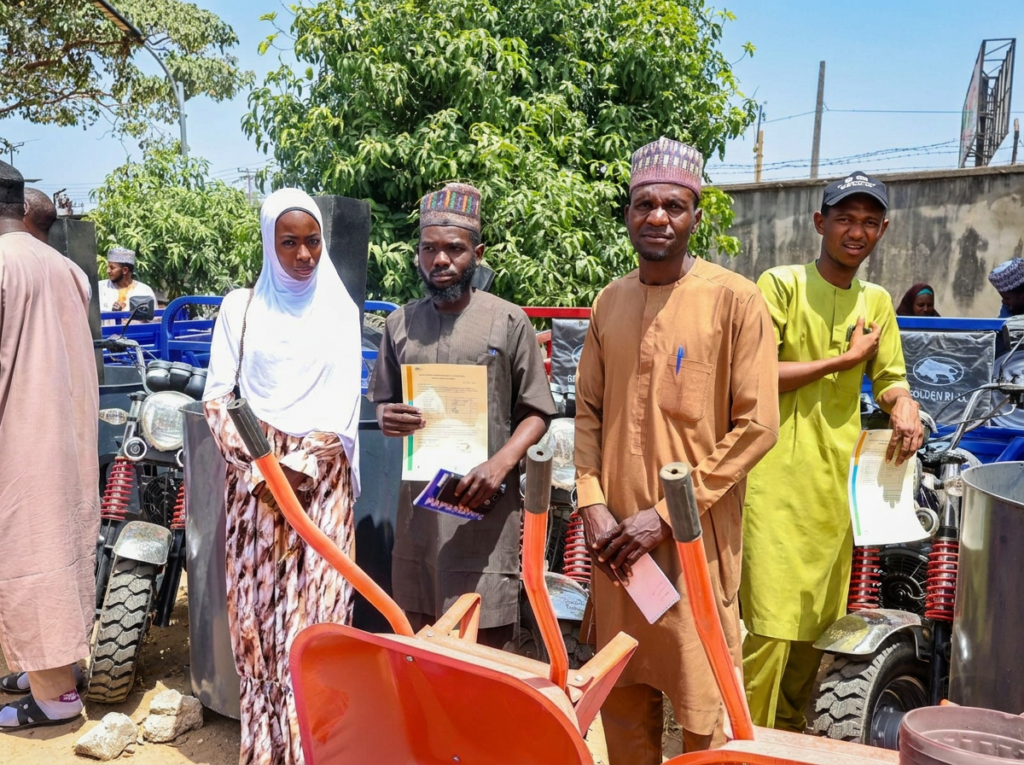
The sessions therefore empowered participants not only with knowledge but also with practical equipment, including wheelbarrows, watering cans, and other tools needed to establish organic fertilizer production and nursery businesses.
A total of 48 participants representing 16 community interest groups from Nigeria’s Kano, Jigawa, and Bauchi states took part in the training initiative. These groups included 10 compost production groups and six tree nursery groups, whose businesses, once operational, will provide smallholder farmers with easier access to organic manure and other fertility inputs needed to boost agricultural productivity.
The equipment granted to the trainees will help enable their success as they earn income for themselves while supporting local farmers.
In addition to its economic benefits and improved resource access, the training was also designed to address soil degradation and promote sustainable soil fertility management. After all, healthy soils help retain nutrients and water, improve crop yields, and act as a significant carbon sink that can mitigate climate change.
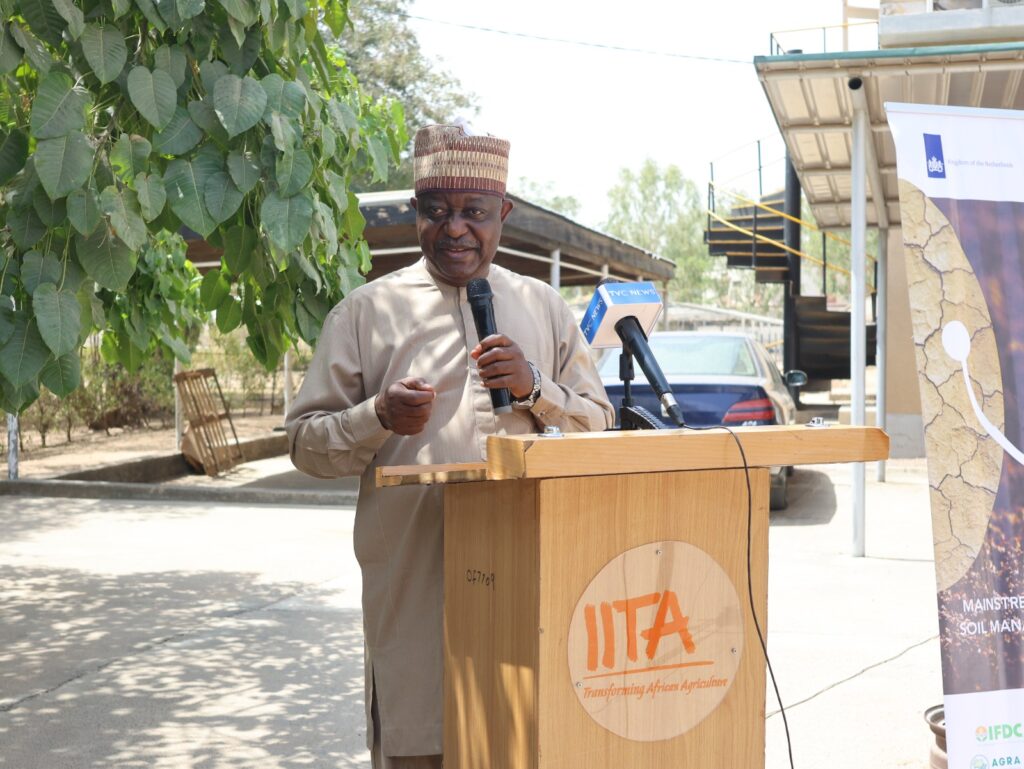
“The goal is to support environmentally sustainable improvements in food production while strengthening the resilience of small-scale food producers across the Sahel. Healthy soil is the foundation of productive and resilience agriculture,” said Dr. Alimata Bandaogo, Soil Values Deputy Program Director, Technical.
One important training topic was entrepreneurship. Participants were introduced to business development tools and frameworks, and through practical exercises, they developed business ideas, identified target markets, explored customer engagement strategies, and learned how to diversify revenue streams beyond the sale of organic manure and seedlings.
Another important training component focused on plant nursery establishment and management. Participants learned nursery site selection, seedling production, irrigation, and pest management.
The trainees also completed sessions on compost production to improve soil health and agricultural productivity, including material selection, temperature control, and moisture management.
They learned conventional composting methods and rapid composting using the bokashi method, and they discovered how biochar can improve soil organic matter. The sessions also covered application rates, storage methods, and best practices for sustainable soil fertility management.
Firdausi Aminu Sambo, a trainee from Jigawa State who represented the Alkalawa Rice Farmers Association, said, “The training equipped us with the knowledge we needed to transform agricultural waste into valuable products.” She indicated that the skills they acquired in compost production, nursery establishment, and food processing would help them generate income and support agricultural activities in their communities.
Sabiu Alhassan, a trainee from Bauchi State, remarked, “The initiative provided us with practical knowledge on soil restoration and sustainable agriculture. We are now prepared to contribute to both environmental sustainability and improved agricultural productivity.”
Once these dedicated young entrepreneurs open their businesses, they will not only improve their own economic situation by earning income, but they will also directly increase local smallholders’ access to the vital products they will be supplying.
Use of the nursery products and fertilizers provided by the new businesses will enhance soil health and support climate change mitigation. All these benefits begin with the Soil Values training initiative, through which the program worked toward its primary objective: to establish sustainable soil fertility management as a cornerstone within regional farming systems.
Funded by the Dutch Directorate-General for International Cooperation (DGIS), the Soil Values program is being implemented over 10 years (2024-2033), led by the International Fertilizer Development Center (IFDC), in consortium with SNV and Wageningen University and Research (WUR), as well as knowledge partners such as AGRA, the Center for International Forestry Research and World Agroforestry (CIFOR-ICRAF), the International Institute of Tropical Agriculture (IITA), ISRIC – World Soil Information, and the International Water Management Institute (IWMI).