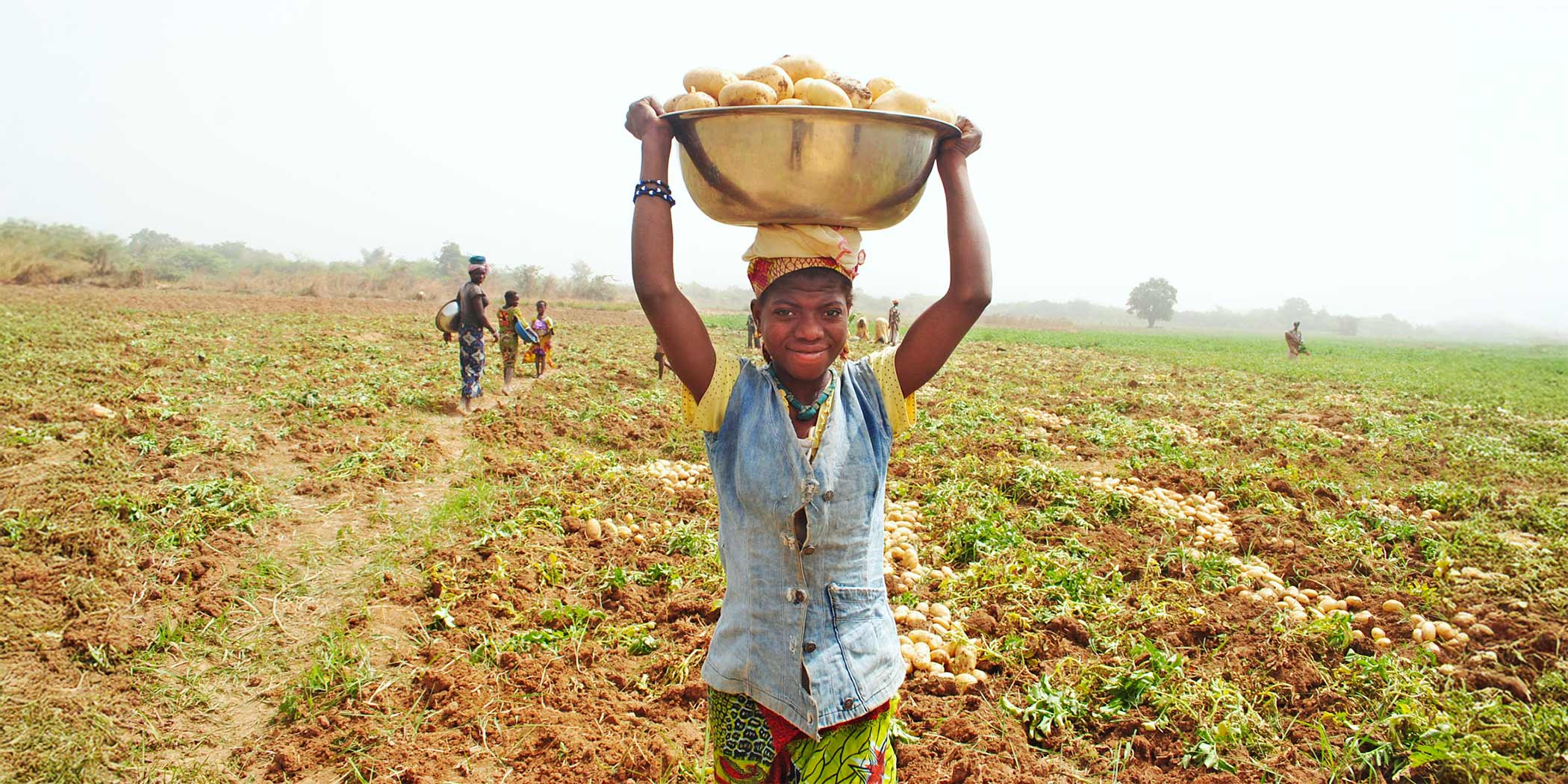
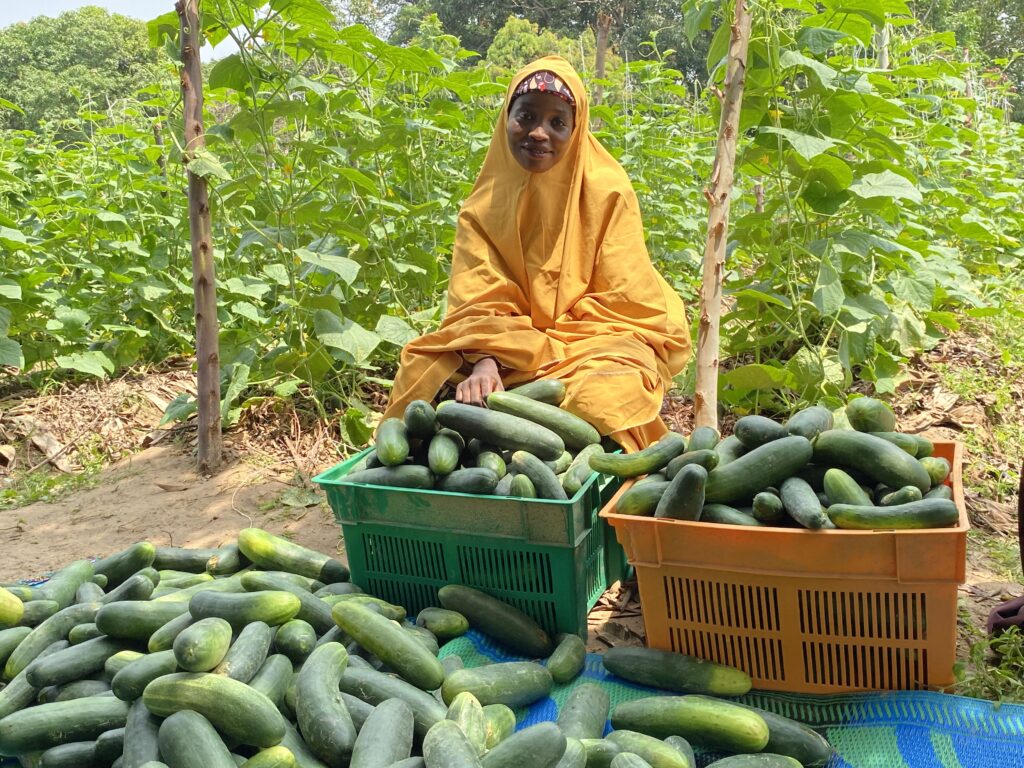
In Nigeria’s South-West, vegetable farmers once worked in isolation, scattered across the region with little representation. Without a collective platform, they paid full price for inputs, struggled to access reliable labor, and saw cheaper imports undercut their produce.
Even when support programs reached them, promised inputs often failed to materialize. As one farmer reflected after nearly a decade in the sector, the problem was never effort—it was the absence of organization and voice.
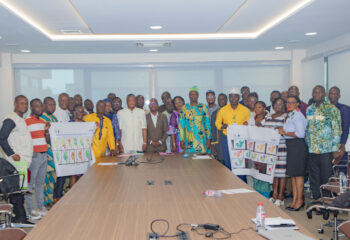
To change this, HortiNigeria supported farmers and sellers in forming the South-West Association of Vegetable Farmers and Sellers (SWAVFS)—a unified platform to bring together previously fragmented farming efforts.
“HortiNigeria has been a transformation to the vegetable farmers’ culture in the South West.”
Abdul-Azeez Awaliya, president of the South-West Association of Vegetable Farmers and Sellers (SWAVFS)
The program convened early meetings, provided governance, finance, and business model training in Ogun and Oyo, and helped scale the initiative virtually across the other South-West states.
By 2025, SWAVFS had grown to around 3,000 members across six states, led by its new president, 35-year-old Abdul-Azeez Awaliya. The association began with a simple first-year rule: no dues or fees—just deliver value.
Monthly meetings sustained momentum, while a digital membership portal began onboarding farmers and positioning the association to credibly engage with both state and federal institutions. “HortiNigeria has been a transformation to the vegetable farmers’ culture in the South West,” Awaliya affirmed.
Backed by HortiNigeria, SWAVFS has created structured access to agronomic knowledge, amplified farmer voices through events, dialogues, and radio, and demonstrated its impact in 2024 by leading region-wide awareness campaigns on the tomato pest Tuta absoluta. This effort protected yields and livelihoods across the South-West.
Momentum grew in 2025 when the Office of the First Lady recognized SWAVFS as a credible channel for delivering farm inputs, signaling the association’s growing influence. To further empower members, SWAVFS signed memorandums of understanding with private aggregators to secure fairer prices and transparent dispute resolution.
It also worked with state governments to establish farmer-run markets, where members now sell directly at farmer-set prices.
Beyond markets, SWAVFS is addressing the pressing challenge of farm labor. By advancing light mechanization and brokering subsidized or installment-based access to equipment through governments, NGOs, and private partners, the association is helping farmers increase efficiency while reducing costs.
Looking ahead, SWAVFS aims to cement its position as the recognized channel for reaching South-West vegetable farmers. Priorities include completing its membership database, expanding installment-based input and equipment schemes, securing more state-backed market spaces, and turning partnership discussions into signed, farmer-centered programs.
From isolation to organization, and from one-off support to structured access, SWAVFS is transforming solitary farming into a unified movement—building a stronger, fairer horticulture economy for the South-West.
HortiNigeria (2021-2025) was funded by the Embassy of the Kingdom of the Netherlands in Nigeria and implemented by IFDC, together with KIT Institute and East-West Seed Knowledge Transfer Foundation (EWS-KT). The program promoted sustainable, inclusive, and profitable horticulture value chains that empower farmers — especially women and youth — to thrive in a modern, resilient agricultural economy.