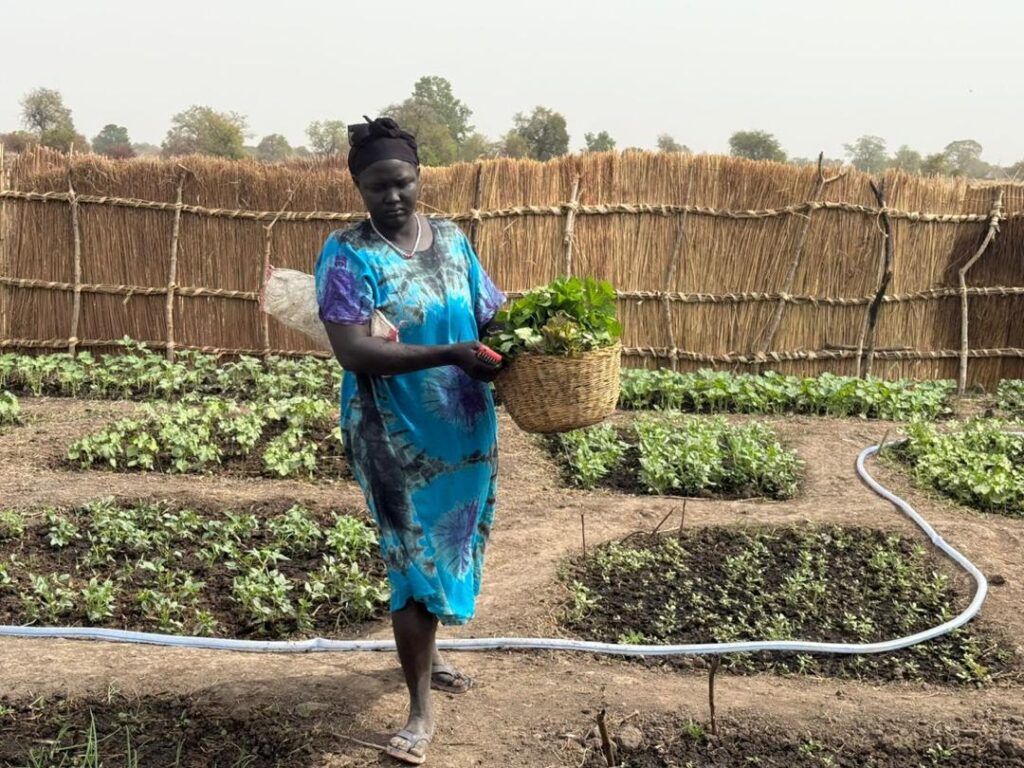
Women play essential roles in agrifood systems by producing, processing, and marketing food that sustains families, communities, and economies. Yet their contributions often go unrecognized, and persistent inequalities continue to limit their access to land, finance, technology, education, and decision-making spaces. These constraints reduce their productivity and limit their income potential, leaving them and their households vulnerable.
Recognizing these gaps, the United Nations (UN) General Assembly designated 2026 as the International Year of the Woman Farmer to raise global awareness and advance gender equality, empower women, and build more resilient agrifood systems.
As the International Fertilizer Development Center (IFDC) commemorates International Women’s Day 2026 with the UN’s theme “Rights. Justice. Action. For All Women and Girls,” the Green Resilient Business Incubator (GREBI) program, a four-year initiative funded by the European Union, acts as a timely and practical response to this global call within the context of South Sudan.
By closing gender gaps in access to productive resources and decision-making, the program will contribute to improved household incomes, greater food security, enhanced resilience to climate change, and stronger local economies.
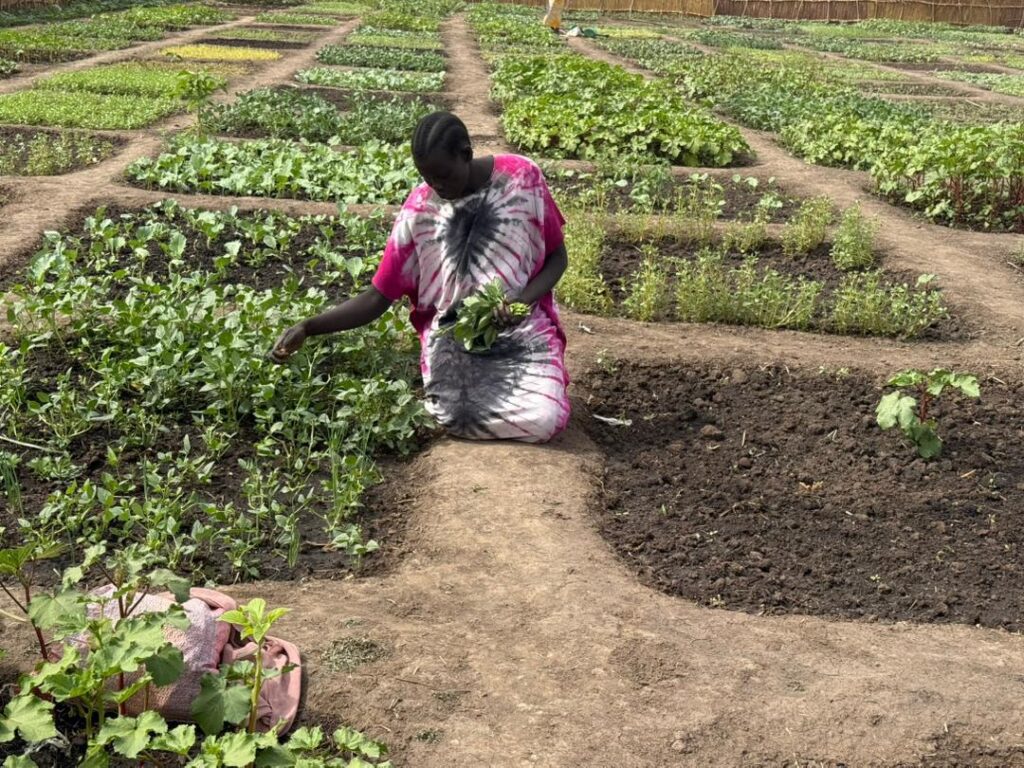
The GREBI program addresses the structural barriers that prevent women and youth from fully participating in agriculture value chains. Through business incubation, technical training, mentorship, and improved access to finance and markets, GREBI will strengthen women’s operational, technical, and entrepreneurial capacities. Promoting green and climate-resilient business models will also enable the program to address the disproportionate burden women carry in the wake of extreme weather conditions, such as drought.
The expected outcomes of GREBI reinforce the broader goals of gender equality and sustainable development. By closing gender gaps in access to productive resources and decision-making, the program will contribute to improved household incomes, greater food security, enhanced resilience to climate change, and stronger local economies. These results will advance progress toward the UN’s Sustainable Development Goals, particularly those related to gender equality, poverty reduction, decent work, climate action, and zero hunger.
This International Women’s Day, IFDC celebrates women in agriculture and works to continue empowering them. South Sudan’s journey toward peace, stability, and sustainable development depends on unlocking the full potential of women and youth. By aligning national gender priorities with initiatives such as GREBI, South Sudan can translate global commitments into tangible impact, building a more inclusive, equitable, and climate-resilient agrifood system.