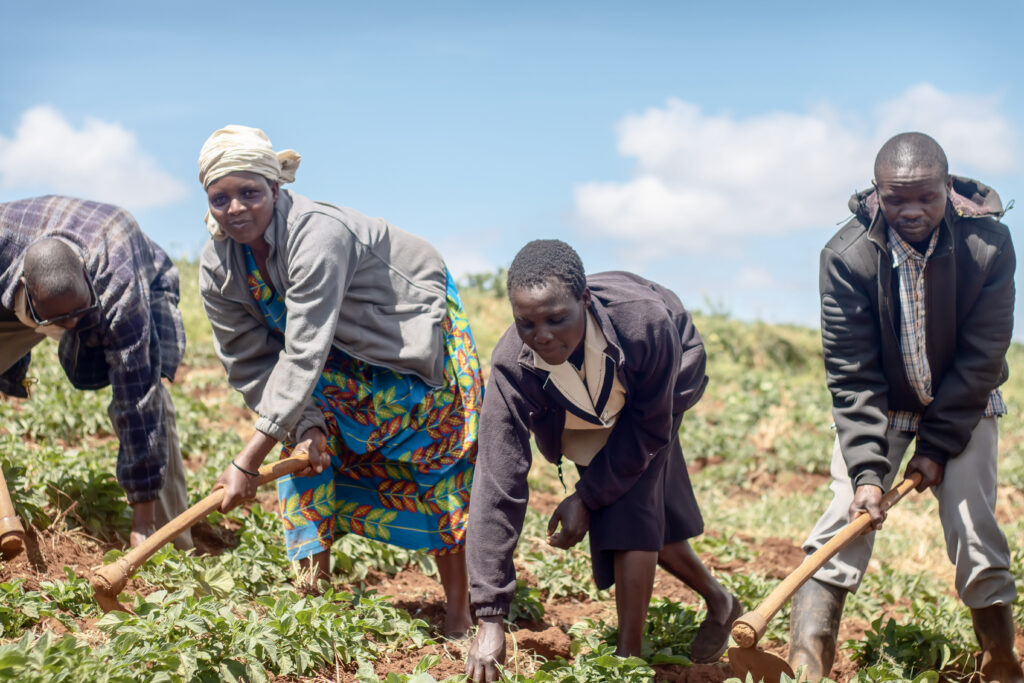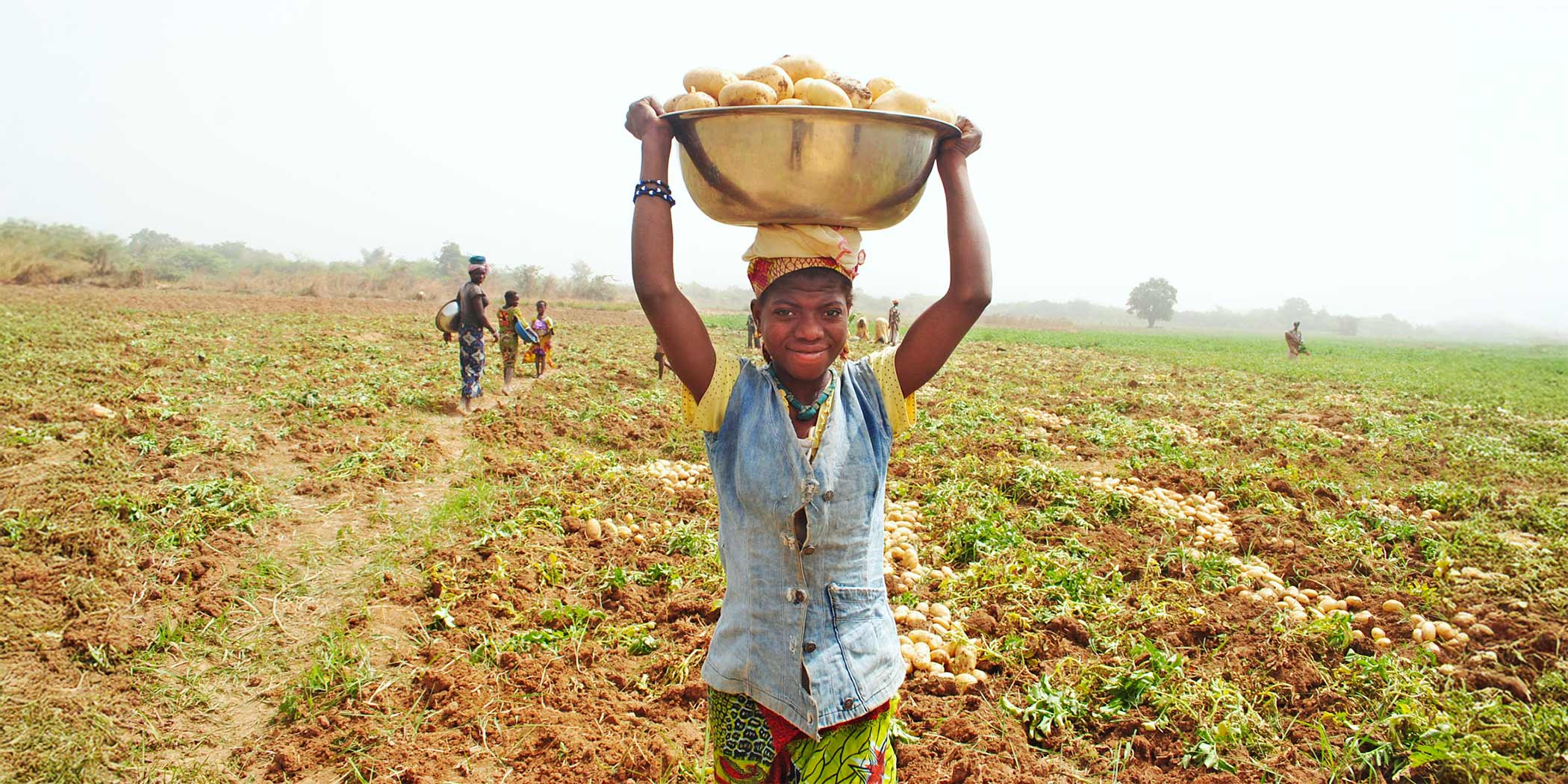
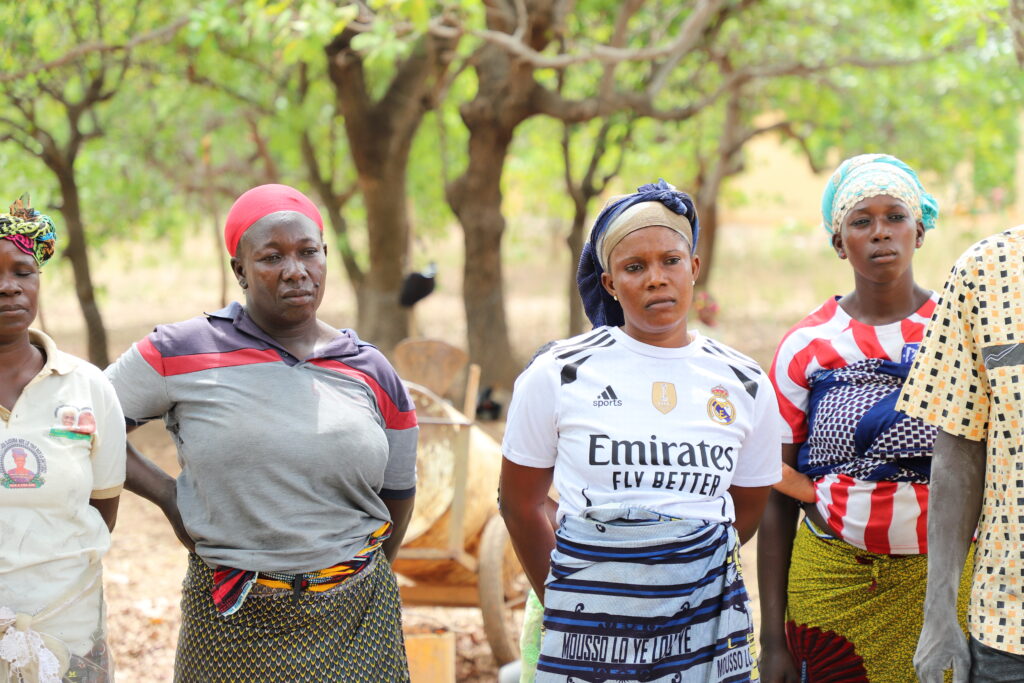
This International Women’s Month, IFDC celebrates the voices, leadership, and resilience of rural women across West Africa – women who are driving sustainable agriculture and inclusive development through knowledge, solidarity, and action.
Across Burkina Faso, Mali, Niger, and Northern Nigeria, these women are strengthening their leadership skills, improving agricultural practices, and building more resilient livelihoods with the support of the Soil Values program.
Through practical participatory training, women farmers, cooperative leaders, and entrepreneurs are gaining skills that go beyond production, advancing gender equality and women’s empowerment in agriculture, in line with Sustainable Development Goal 5: Gender Equality.
“We have seen great improvement in our agricultural activities.”
Aissa Koubra Seydou, farmer Participant from Niger
Empowering Rural Women to Lead Sustainable Agriculture in the Sahel
Soil Values organizes these training sessions in its active countries in collaboration with existing projects and programs in the Sahel, such as the Agri-Food Program for Integrated Resilience and Economic Development in the Sahel (Pro-ARIDES), the Food Systems Resilience Program (FSRP), and others.
From leadership and organizational governance to sustainable soil management and climate-smart agriculture, Soil Values is equipping women with knowledge they can apply right away within their communities.
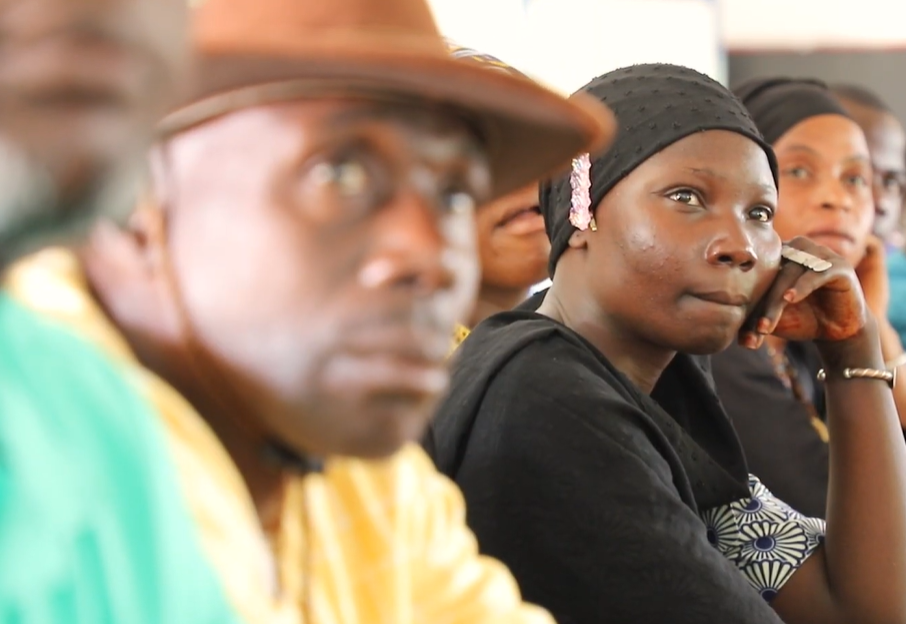
Women trained by Soil Values are adopting innovative practices, such as organic soil inputs, natural pest management solutions, and collective approaches to savings and income generation. These practices contribute to improved productivity, better quality produce, and stronger household incomes while protecting natural resources in increasingly fragile environments.
With Soil Values, women play an active role in soil restoration. As key actors in agricultural development, they strengthen their skills and adopt innovative and sustainable practices, making concrete contributions to soil restoration and preservation.
Advancing Gender Equality Through Agricultural Training
Participants in the program’s multi-day training sessions exchange information on fertilizer use, with a specific focus on the production of organic fertilizers. The first few days are generally devoted to theory, while the following days are dedicated to practical application, notably the production of bokashi, an organic fertilizer composed of several elements.
Rosalie Dabiré, a farmer in Burkina Faso, found bokashi production to be one of the main benefits of the training. Yacine Sanou Ouattara, also from Burkina Faso, remarked on post-training experiments on tomato cultivation using Barbary Plante technology, which showed very encouraging results with visible progress in nurseries and faster plant development.
Aissa Koubra Seydou, a farmer from Niger, described her experience from the knowledge she received, saying, “We have seen great improvement in our agricultural activities.”
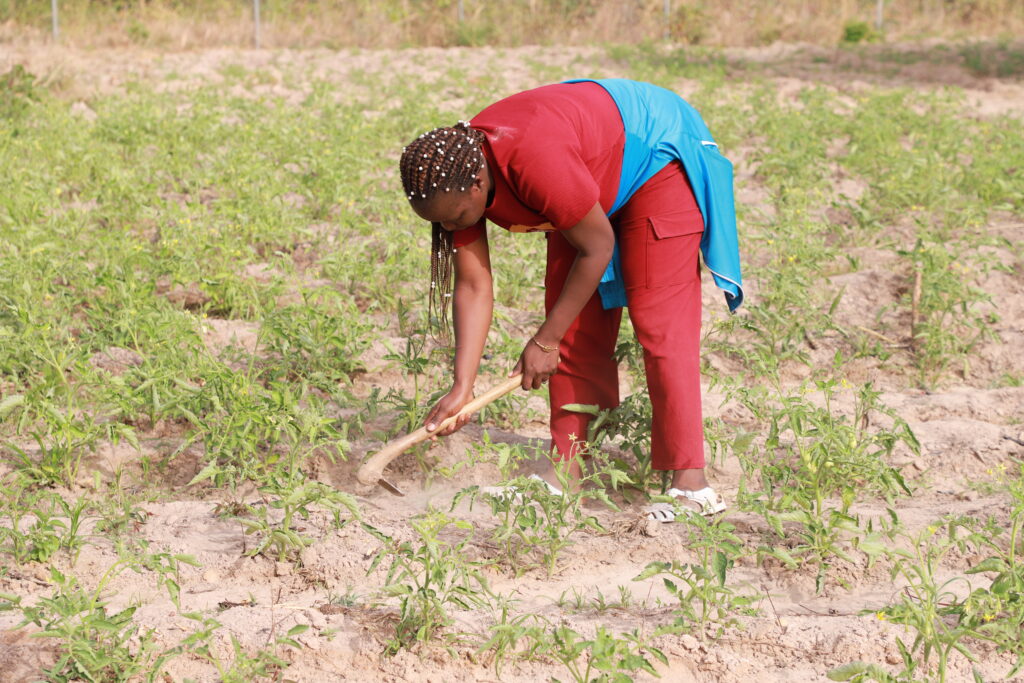
“Compared to previous years when we did not use bokashi, this year we have applied it, and the difference is clear: our crops have yielded well, and the harvest is greater than in previous years. We believe that with this innovation, we can double or even triple our yields,” added Seydou.
Sophie Dembélé, a farmer in Mali, observed how the training helped farmers like her improve their agricultural practices and find solutions to soil degradation. Sophie also feels enabled to better cope with the challenges facing her land, especially in a context of increasingly depleted soils.
Strengthening Leadership in Local Communities
Beyond technical skills, the impact of Soil Values is both personal and collective. Women speak of renewed confidence, stronger collaboration, and a shared commitment to passing on what they have learned so that others can benefit.
Diao Kadiatou Tall, President of the Professional Association of Rural Women (ASPROFER) in Mali, reflected, “We have learned a lot from the Soil Values program, particularly in terms of leadership. Although we are active in organizations and cooperatives, sometimes we think we know everything, whereas being a good leader requires real learning.”
By fostering leadership development among rural women, the program is helping ensure that women not only participate in agricultural value chains but also play a central role in guiding decisions, managing organizations, and driving community development.
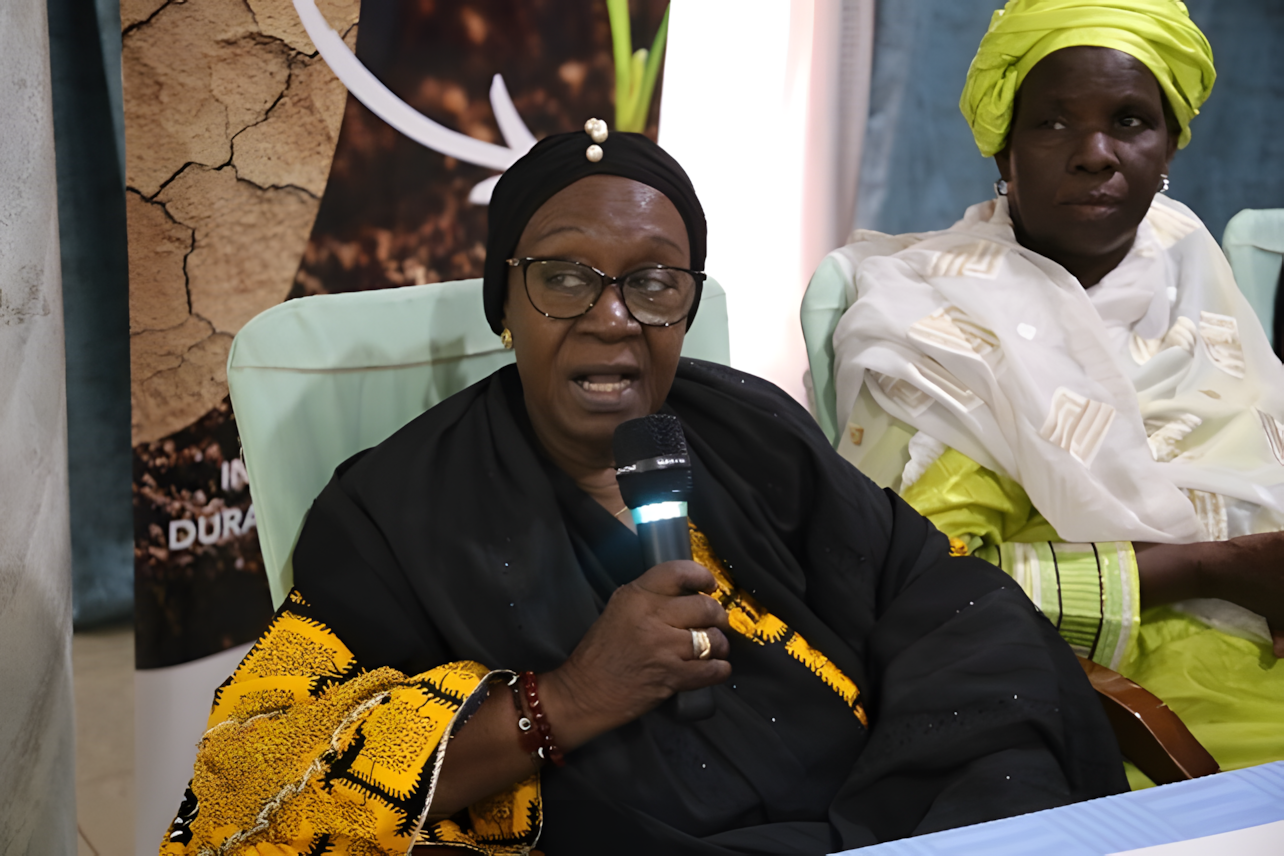
“This training allowed me to do a real introspection on my role within my association. It helped me to get to know myself better, to strengthen my self-confidence, and to improve the management of our structure to progress collectively,” shared Tall.
Ogechi Okebugwu, Program Coordinator at the Small-Scale Women Farmers Organization in Nigeria, pointed out that the Soil Values program’s inclusive approach is essential so that women, the main actors in agricultural production in many African countries, can make their voices heard, express their needs, and actively contribute to solutions to address the challenges related to agriculture and sustainable soil management.
Supporting Women Leaders Across the Agriculture Sector
During International Women’s Month, IFDC celebrate the achievements of women like Rosalie, Yacine, Aissa, Sophie, Diao, and, Ogechi, whose stories prove that empowering women with knowledge, confidence, and leadership opportunities strengthens entire communities and moves everyone closer to more inclusive and resilient agricultural systems.
When we foster leadership development among rural women, it ensures that women not only participate in agricultural value chains but play central roles in guiding decisions, managing organizations, and driving community development.
Funded by the Dutch Directorate-General for International Cooperation (DGIS), the Soil Values program is being implemented over 10 years (2024-2033), led by the International Fertilizer Development Center (IFDC), in consortium with SNV and Wageningen University and Research (WUR), as well as knowledge partners such as AGRA, the Center for International Forestry Research and World Agroforestry (CIFOR-ICRAF), the International Institute of Tropical Agriculture (IITA), ISRIC – World Soil Information, and the International Water Management Institute (IWMI).