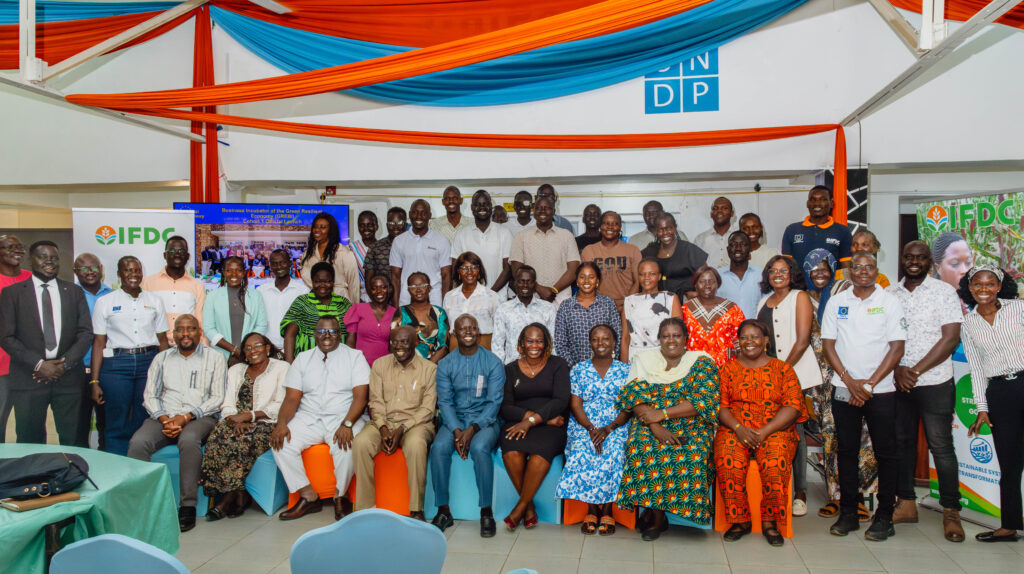
On September 30, the Green and Resilient Economy Business Incubator (GREBI) project welcomed the first cohort of its incubation and acceleration program. The cohort comprises 22 micro, small, and medium enterprises (MSMEs) from Juba and Terekeka, South Sudan.
The launch of the incubation and acceleration program took place at the University of Juba Agribusiness Hub. Here, the MSMEs will engage in training, receive coaching, and access support over the coming nine months.
The incubation stage will support startups and early-stage enterprises to build their businesses, while the acceleration stage will help operational MSMEs to grow their businesses. Each participant will receive an integrated package of support covering business development, technology, finance readiness, formalization, market access, and networking. Access to finance will depend on eligibility, business readiness, and achievement of agreed-upon milestones.
“Your businesses can drive growth and development in this country. I urge you to invent, to innovate, and to build enterprises that others will want to learn from.”
Alana Sebit Owot, IFDC Country Representative and GREBI Project Leader
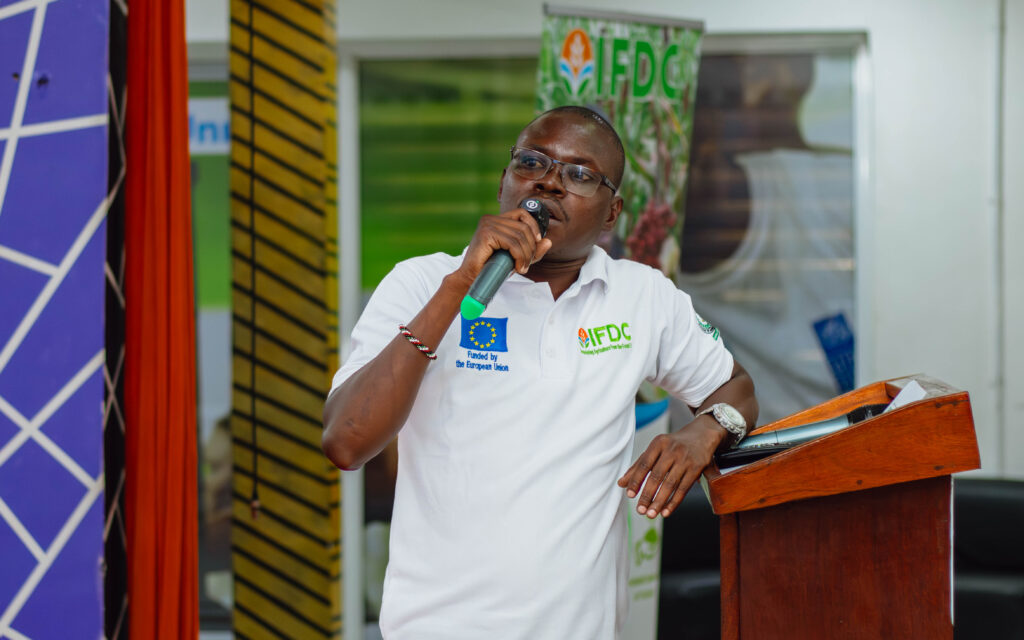
During the launch, MSMEs learned about the services the Agribusiness Hub offers as well as program expectations. They were also able to meet representatives of government agencies, the private sector, civil society, development organizations, and the community who will support them during the program.
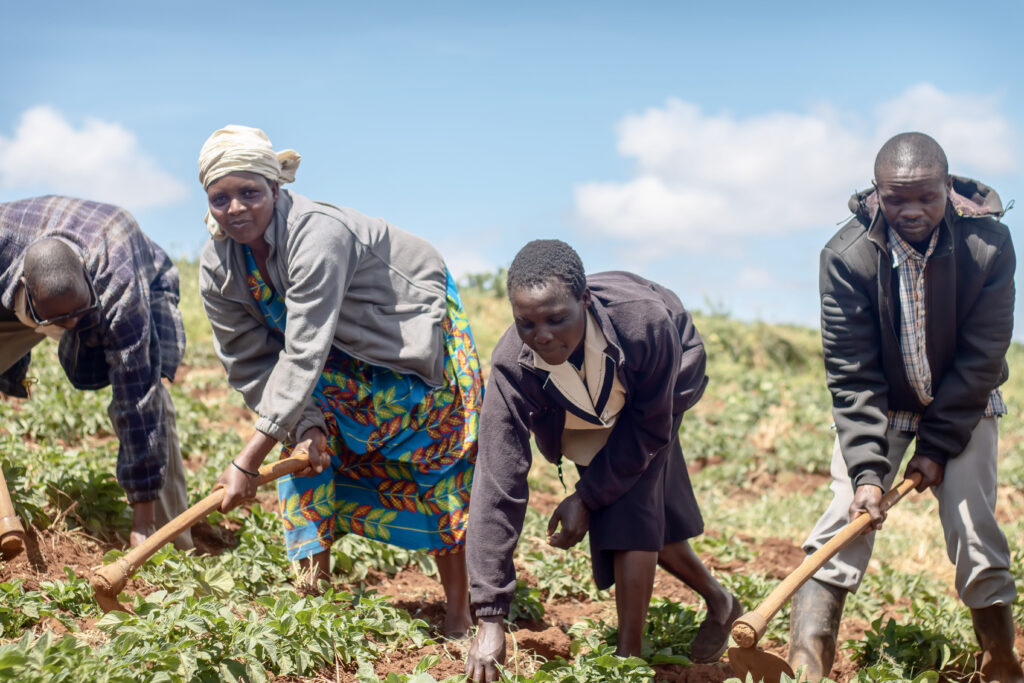
The MSMEs, many of which are led by women and youth, operate in the value chains of maize, sorghum, groundnut, vegetables, fruit juices, honey, shea butter, recycling and waste management, and tree nurseries.
IFDC Country Representative and GREBI Project Leader Alana Sebit Owot described the incubation and acceleration program as a significant step in putting South Sudan’s MSMEs to work for the country.
Addressing the MSMEs, Owot said, “Your selection and your presence here today tells us that you are among the most promising business people in this country. South Sudan needs you. A large share of the food we consume still comes from outside our borders, and every product you process and sell here keeps value, jobs, and income in our own communities. Your businesses can drive growth and development in this country. I urge you to invent, to innovate, and to build enterprises that others will want to learn from.”
Owot continued, noting, “Your selection is the beginning of the work, not the end of it. IFDC will walk with you through training, coaching, and mentoring, and we will work alongside financial institutions to open the doors to the financing that growing businesses need.”
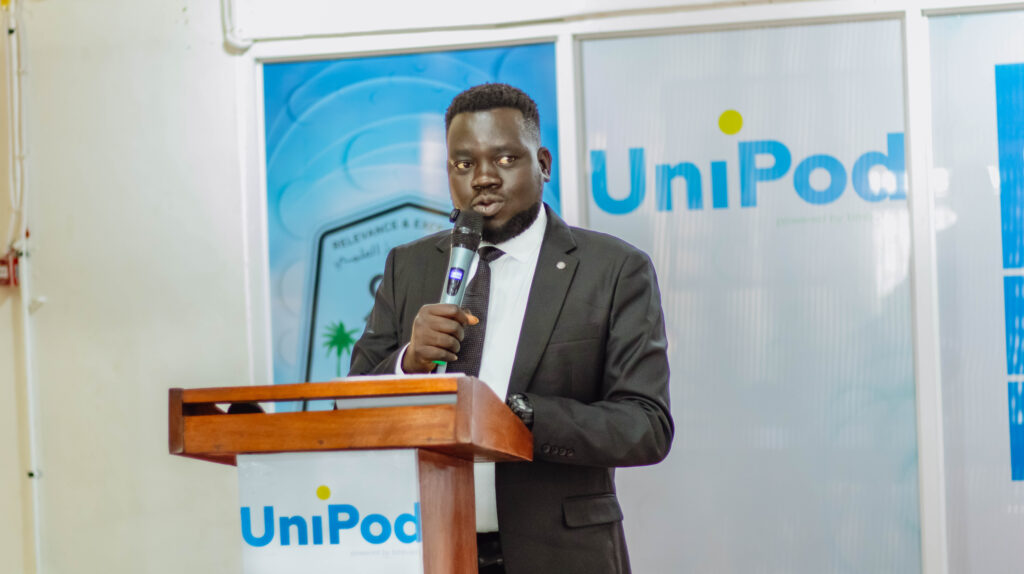
Gideon Samuel Jubara, First Director General of the Central Equatoria State Ministry of Agriculture, Environment and Forestry, called the launch the beginning of a transformative journey for Juba and Terekeka. He assured participants of the Ministry’s commitment to working closely with the project.
The 22 MSMEs participating in the incubation and acceleration program will soon begin practical work at the University of Juba Agribusiness Hub. More than a training center, the hub is a local one-stop platform that brings the wider business ecosystem closer to the entrepreneurs through six service areas:
- Business development.
- Market access.
- Technical support.
- Innovation and technology.
- Financial services.
- Networking with government, academia, the private sector, and financial institutions.
The enterprises participating in the incubation and acceleration program will follow a structured nine-month journey consisting of:
- Onboarding and diagnostics at the start of the program.
- Structured business development for six months.
- Mentorship and advanced guidance for three months.
- Final assessment and Demo Day at the end of the program.
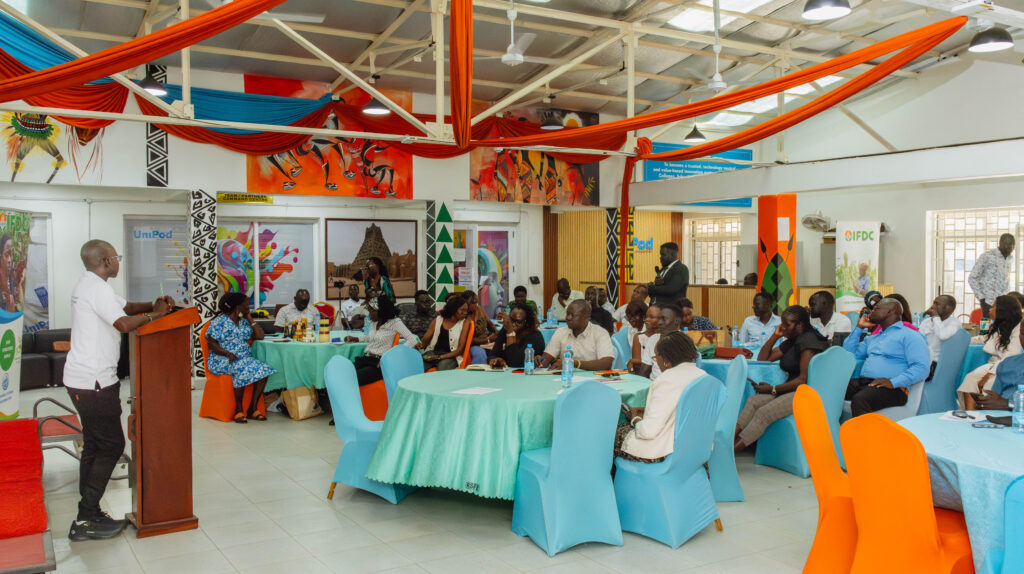
Participants will attend sessions at the Agribusiness Hub twice a week for two to three hours each, for a total of 16-24 hours per month. Each month follows a cycle of training, applying learnings, reviewing developments, and ultimately improving, with sessions including training, coaching, business clinics, technical sessions, market and finance sessions, and a progress review. Success will be measured by business improvement rather than attendance alone.
Concluding the program, Professor John Akec, Vice Chancellor of the University of Juba, thanked the MSMEs for attending and challenged them to “go resilient and go green.” He urged entrepreneurs to prioritize innovation and keep exploring new opportunities, especially in securing water, electricity, and food storage. He encouraged them to look beyond common products and develop specialty items while also striving to meet industry standards.
The Green and Resilient Economy Business Incubator (GREBI) project (2026-2029), funded by the European Union, aims to drive inclusive economic growth in South Sudan by building more competitive, sustainable, and modern agriculture value chains and enterprises with empowered women and youth acting as agents of transformation in the sector.