
The next fertilizer crisis is inevitable.
Whether it becomes a food crisis depends on what we invest in now.
Contact Us Today
Fertilizer markets are currently in a holding pattern. With urea steady, gas prices stinging in Europe and Egypt, and Russian export logistics under strain, buyers and sellers are awaiting developments in India and the Middle East as well as outcomes emerging from the U.S. midterm elections before making their next move.
Key Happenings and Details
- Urea prices have been generally stable since last month’s correction, with another Indian tender expected next week.
- Dutch Title Transfer Facility (TTF) gas topped €100/megawatt-hour (MWh) in late October, prompting nitrogen cutbacks in Europe and deeper urea curtailments in Egypt.
- Diammonium phosphate (DAP) prices are softening on weaker sulfur, though India has raised its rabi season DAP subsidy.
- Russian Railways has cut fertilizer shipments to Baltic ports by 30‑35% in November, but global trade has not yet been affected.
- Any Middle East resolution would likely trigger a sharp downward correction across nitrogen, phosphate, sulfur, and ammonia markets.
Nitrogen: Urea Steady as the Market Waits on India
After a short but sharp correction last month following the latest India tender, urea prices have generally remained stable, although most recently, the market has taken a more bearish tone as sentiment continues to lag. Indian Potash Limited (IPL) secured only 410,000 metric tons (mt) of urea under its October 7 tender, after Chinese urea producers refused to support the low netbacks from the tender.
Another Indian urea tender is widely expected next week, ahead of the Fertilizer Association of India (FAI) conference in the last week of November, but it has yet to be announced. Some free-on-board (FOB) business emerged out of Egypt this week, with at least 19,000 mt of granular urea sold at U.S. $500/mt FOB Egypt in three separate deals.
Most market participants are now waiting for further clarity in the Middle East and in India before deciding their next move.
Gas Prices Force Output Cuts in Europe and Egypt
Gas prices have come into focus once again after front-month prices at the Dutch TTF gas hub in Europe crossed the €100/MWh mark in late October. The high prices prompted a series of ammonia and nitrogen fertilizer cutbacks across Europe.
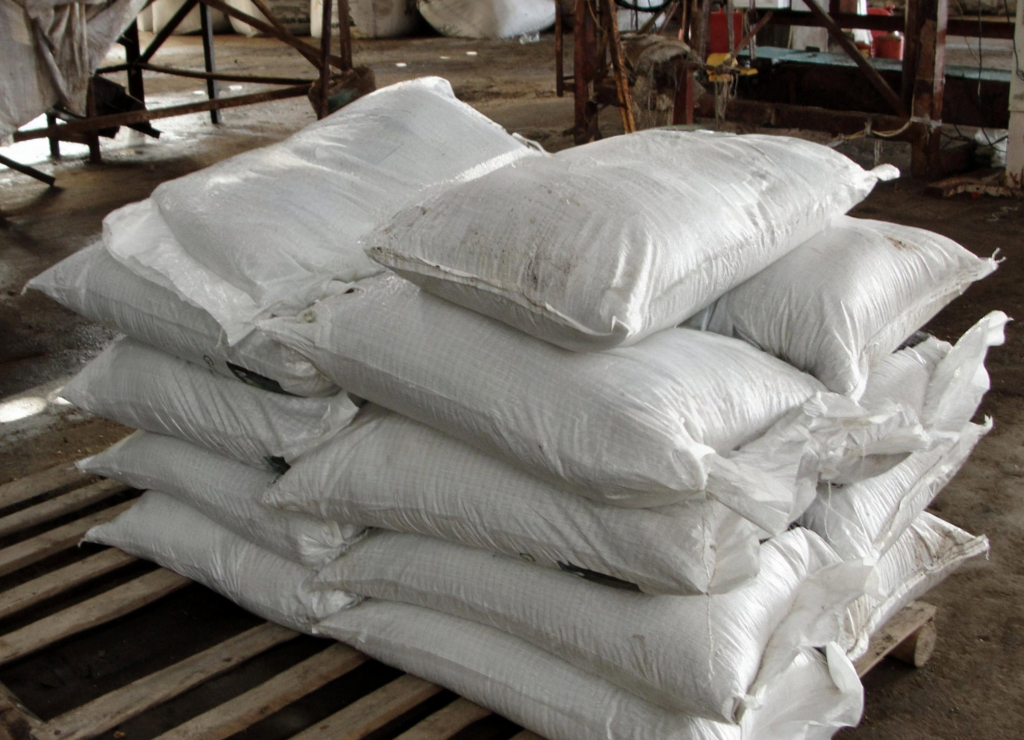
In Egypt, urea output has more recently been curtailed due to gas shortages. At least five producers reduced their operating rates by 20% on November 1, and at least three of them deepened cuts from 20% to 33% following a government request issued on November 8. The duration of the cuts remains unclear. No FOB business was reported in North Africa following the announcement, as European demand remains limited.
Phosphates: Slow Season, Lower Price Expectations
Phosphate demand has been seasonally slow and largely reliant on sulfur for direction. Weaker sulfur prices have prompted both buyers and sellers of DAP to lower their price expectations.
India and Ethiopia have recently bought DAP at lower prices, helping producers place volumes in the fourth quarter:
- The Ethiopian Agricultural Businesses Corporation (EABC) bought 295,000 mt of Russian DAP at a price equivalent to U.S. $850/mt cost and freight (CFR) Djibouti and 60,000 mt of Saudi DAP at U.S. $890/mt CFR Djibouti.
- In India, 120,000 mt of Saudi DAP was sold at U.S. $892‑894/mt CFR sight for loading in late November to early December.
- Another trading firm sold 40,000 mt of Jordanian DAP in India at U.S. $887.30/mt CFR sight equivalent.
DAP stocks are healthy in India and Pakistan, as both countries built inventory through September. Neither needs to re-enter the market for meaningful volumes, and with their import seasons ending, attention will turn to other markets for potential buying interest over the coming months.
India, however, has announced higher fertilizer subsidies for the rabi season. The DAP subsidy has risen to 47,368 Indian rupees (INR)/mt for rabi 2026‑27, from INR 33,305/mt in the 2025‑26 rabi season and INR 32,787/mt in the April-September 2026 kharif season. The maximum retail price for DAP is set to remain at INR 27,000/mt. A higher sulfur subsidy is also expected to support sulfur-bearing fertilizers, falling to INR 0.42/kg of nutrient from INR 3.16/kg in kharif and INR 2.87/kg in the previous rabi.
Elsewhere, monoammonium phosphate (MAP) prices remain steady, and suppliers are targeting higher levels. Demand is present in Brazil, while tight supply is supporting higher prices in the U.S.
The Jordan Phosphate Mines Company (JPMC) and India’s Coromandel Fertilizers have kept the phosphoric acid contract price at U.S. $1,700/mt P2O5 with 30 days’ credit for the fourth quarter, unchanged from the third-quarter settlement. Many had expected a reduction due to softer sulfur prices toward the end of the third quarter.
Potash: Port Congestion and the Signing of a Long-Awaited Contract
In the context of potash, conditions at Baltic and Black Sea ports have worsened; even so, the Belarusian Potash Company (BPC) has sold two Belarusian muriate of potash (MOP) cargoes to the U.S. for the first time in four years after sanctions were lifted.
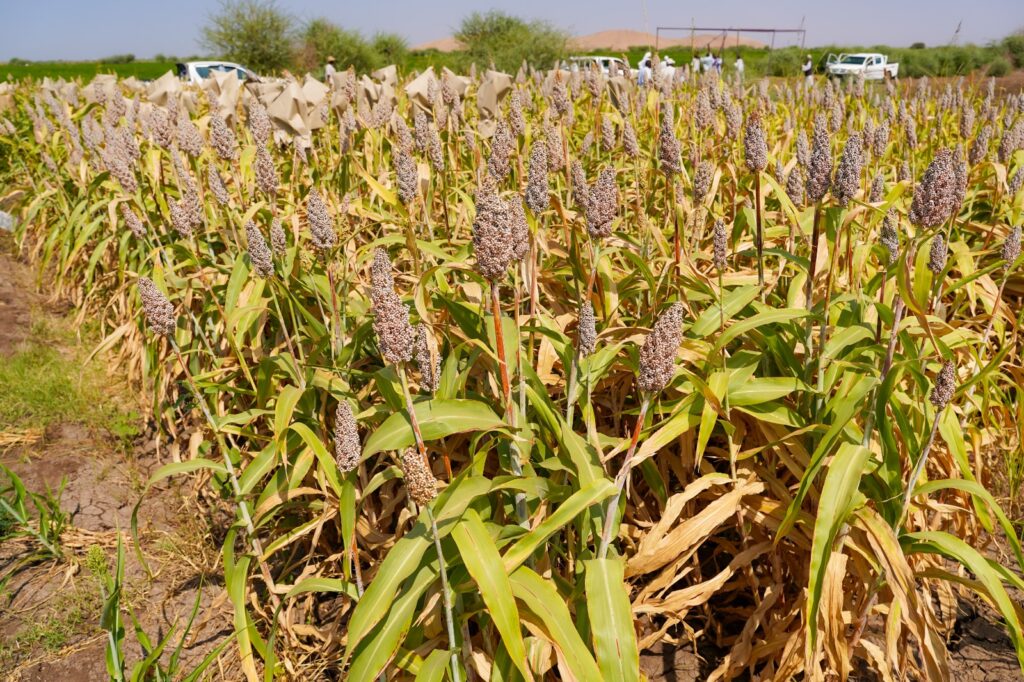
The long-awaited annual Chinese MOP contract has just been signed by the Chinese buying consortium and trading firm Food Security Solutions, which sells potash from Russian producer Uralkali. The 2027 contract was settled at U.S. $355/mt for January-December deliveries, U.S. $7/mt higher than the 2026 contract price. Uralkali and Chinese importers skipped the cross-border MOP contract price for November because of weak seasonal demand and high stocks. High port stocks had given buyers some leverage, but market direction will largely be determined by this settlement price.
Russian Logistical Bottleneck Tightens
Russian and Belarusian potash suppliers estimate that logistical bottlenecks in Russia could remove as much as 500,000 mt per month of MOP exports in the fourth quarter.
State-owned Russian Railways is understood to have cut fertilizer rail shipments to the Baltic ports by 30‑35% in November compared with average monthly levels, up from a 25% reduction in October. The reduced export volumes and likely delays have not yet affected global trade, as most markets are covered for their short-term needs, but the market is watching developments closely.
Total Russian fertilizer exports through the Baltic ports typically average around 3.1 million mt per month, according to Argus estimates. Wheat shipments through the Russian Baltic ports of Vysotsk, Ust-Luga, and Saint Petersburg, meanwhile, are estimated to have risen to around 1.5 million mt per month in October, three times the historical capacity for grain shipment via these ports.
Geopolitics: The U.S. Midterms and the Strait of Hormuz
The fertilizer sector is now closely watching the ongoing developments after the U.S. midterm elections on November 3 as a major macroeconomic determinant. Some believe that the results signal the U.S.-Iran war will soon end; however, on November 9, the administration laid out its plans for additional pressure on Tehran in the absence of progress on diplomatic engagement with Iran, indicating that the “no peace, no war” situation in the Gulf over the past two months will likely remain in place.
Broadly speaking, any resolution in the Middle East would see a sharp downward correction in nitrogen, phosphate, sulfur, and ammonia markets as shipments through the Strait of Hormuz return to pre-war levels, while a resumption of hostilities would keep prices supported.
So far in November, nine vessels loaded with urea have crossed the strait of Hormuz, which marks the highest number of urea transits since June. At least five vessels carrying DAP have crossed the strait so far.
Looking Ahead
In general, downward pressure is set to remain in place across the nitrogen complex. But prices in the U.S. are stabilizing, indicating that they are close to bottoming out. Phosphate buyers will continue to target lower prices as production rates recover, supported by softening sulfur prices. Meanwhile, China’s MOP contract signing – the earliest on record, likely due to China’s push for food security and disrupted logistics in the Baltic – coincides with a seasonal uptick in demand in Brazil, Europe, and Southeast Asia, which has kept prices supported. Attention now turns to India for finalization of its annual MOP contract.
Disclaimer
This article was contributed by Argus Media and reflects market information available as of November 20, 2026. Argus Media applies established methodologies and analytical processes to assess market conditions and ensure the accuracy of the information at the time of preparation. However, market conditions may change, and subsequent developments may affect the information presented. The author and publishers accept no liability for any loss, damage, or disruption arising from errors or omissions or from reliance on the information presented.