The next fertilizer crisis is inevitable.
Whether it becomes a food crisis depends on what we invest in now.
Contact Us Today
The Current Crisis
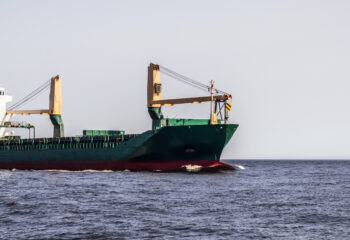
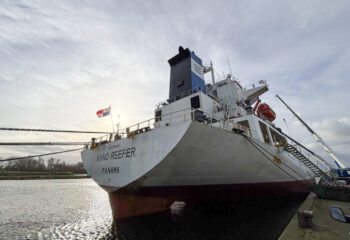
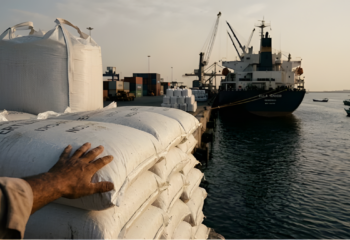
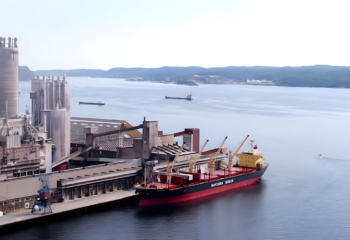
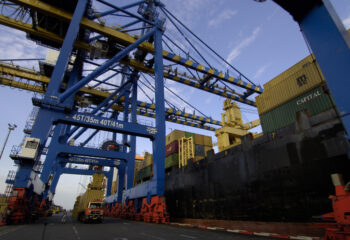
The current fertilizer crisis, driven by escalating geopolitical tensions in early 2026, has rapidly evolved into a global shock to agricultural systems. Disruptions to trade through the Strait of Hormuz, a critical corridor for fertilizer and energy inputs, have led to sharp increases in transport costs, shipment delays, and market uncertainty, triggering significant fertilizer price spikes within weeks.
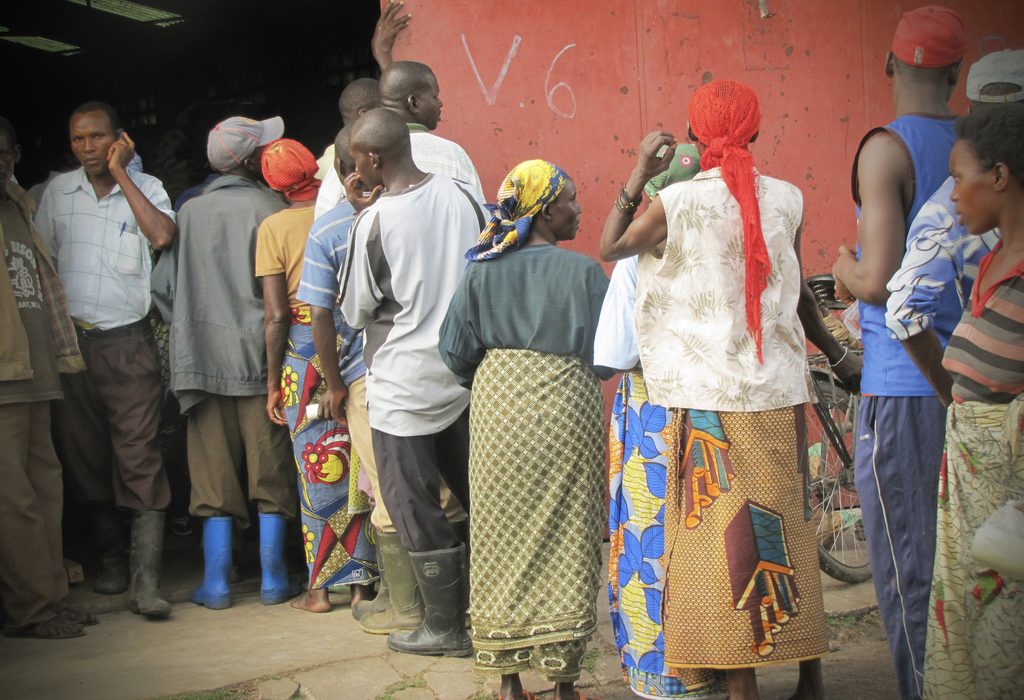
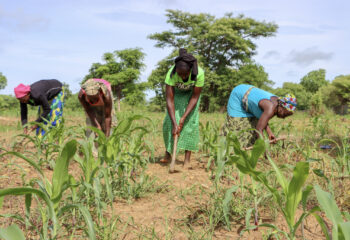
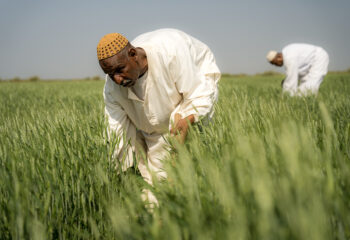
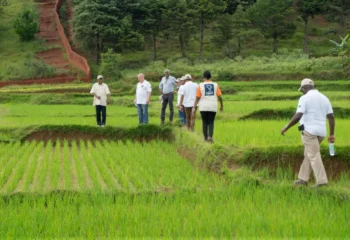
These dynamics are tightening global supply and placing immense pressure on farmers, particularly in import‑dependent regions such as Africa, where reduced access to fertilizer threatens crop yields, farmer livelihoods, and food security. At the same time, the crisis is exposing deeper structural vulnerabilities in global fertilizer systems, including reliance on a limited number of trade routes and insufficiently resilient supply chains.
IFDC, Sustain Africa, and AfricaFertilizer Call for Urgent Coordination
In response, IFDC, Sustain Africa, and AfricaFertilizer have called for urgent global coordination to stabilize markets, safeguard fertilizer access, and protect food production (Fertilizer Crisis Response Bulletin #1). This includes immediate action across governments, regional bodies, and the private sector to ensure fertilizers continue to flow efficiently and affordably to farmers during critical planting seasons.

The Global Fertilizer Crisis Response Group
Recognizing the need for early, data-driven, and coordinated action, these partners have also led the reinstatement of the Global Fertilizer Crisis Response Group (GFCRG) (Fertilizer Crisis Response Bulletin #2), bringing together key international institutions to monitor market conditions, share real-time intelligence, and guide policy responses.
Fertilizer Crisis Response Bulletins
To support these efforts, we have been providing weekly Fertilizer Crisis Response Bulletins to share timely analysis, inform decision-making, and support coordinated mitigation efforts. These bulletins compile the latest market developments, risks, and policy recommendations.




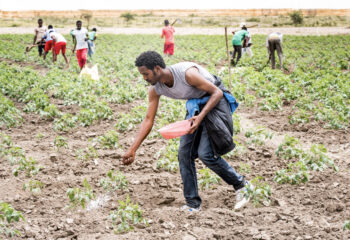
![Farmers in Kenya spread organic fertilizer, developed by MIT spinout Safi Organics, to help improve the yield of their farmlands. [Safi Organics]](https://ifdc.org/wp-content/uploads/2026/08/MIT-Safi-Organics-01-press_0-350x240.jpg)