The next fertilizer crisis is inevitable.
Whether it becomes a food crisis depends on what we invest in now.
Following the recent ceasefire agreement between the United States, Israel, and Iran, tensions around the Strait of Hormuz have shown early signs of easing. However, the situation remains fragile, and uncertainty continues to shape global markets.
The Strait of Hormuz remains a critical corridor for global fertilizer trade, and even brief disruptions have highlighted the sensitivity of global food systems to geopolitical developments concentrated in a limited number of strategic shipping lanes.
Against this backdrop, the Food and Agriculture Organization of the United Nations (FAO) has outlined a set of risks and policy considerations linked to the evolving situation, with a focus on fertilizer markets, impacts of instability, and global food security.
FAO on the Emerging Global Fertilizer Shock
Recent tensions in the Middle East have again drawn attention to the vulnerability of global fertilizer supply chains to geopolitical disruptions. While energy markets often dominate discussions around the Strait of Hormuz, FAO highlights that agricultural inputs are equally exposed to disruptions there.
Large volumes of ammonia, urea, sulfur, and liquefied natural gas move through the Strait each day, making the corridor indispensable to global fertilizer trade. According to FAO, disruptions to this route are already creating significant instability in fertilizer markets, with delays affecting between 1.5 and 3 million metric tons of fertilizer trade monthly.
FAO further notes that even temporary disruptions in fertilizer logistics can rapidly transmit price shocks across agricultural markets, particularly for nitrogen-based fertilizers that heavily depend on stable energy and trade flows.
Fertilizer Scarcity and the Threat to Future Harvests
FAO warns that the current shock could have consequences far beyond immediate market disruptions. Rising fertilizer prices and constrained supplies threaten to reduce agricultural output in upcoming planting seasons, especially in countries heavily dependent on imported inputs.
Urea prices have reportedly surged by more than 50% in major agricultural markets, including Brazil and the United States. For many farmers in developing economies, such price increases may place fertilizers entirely beyond their reach.
The impact of these price increases is already being reflected in broader food market indicators. According to FAO’s Food Price Index, global food prices averaged 130.7 points in April 2026, up 1.6% from March’s level and 2.0% higher than a year ago. The FAO Cereal Price Index also increased to 111.3 points in April, up by 0.8% from March and 0.4% from its level a year ago, reflecting tighter wheat and maize supply conditions and higher production costs linked in part to elevated fertilizer prices.
FAO assessments in March 2026 further indicated that sustained fertilizer price increases could reduce yields of major staple crops such as wheat, maize, and rice in regions where farmers face limited access to credit and high input dependency. These effects are expected to be more pronounced in low-income, food-importing countries.
Because agriculture operates on seasonal cycles, delays in fertilizer availability during planting windows cannot easily be reversed later, especially in rain-fed systems without irrigation. FAO cautions that the effects of today’s disruptions may therefore continue to ripple through food systems into 2027, intensifying existing pressures caused by climate change, debt distress, and inflation.
Vulnerable Countries Face the Greatest Risk
FAO has emphasized that the burden of the crisis will not be shared equally. Low-income, food-importing countries, many across Africa and parts of Asia, are expected to experience the most severe impacts. Many of these economies are already grappling with fragile food systems, high import dependence, and limited fiscal capacity to absorb rising costs.
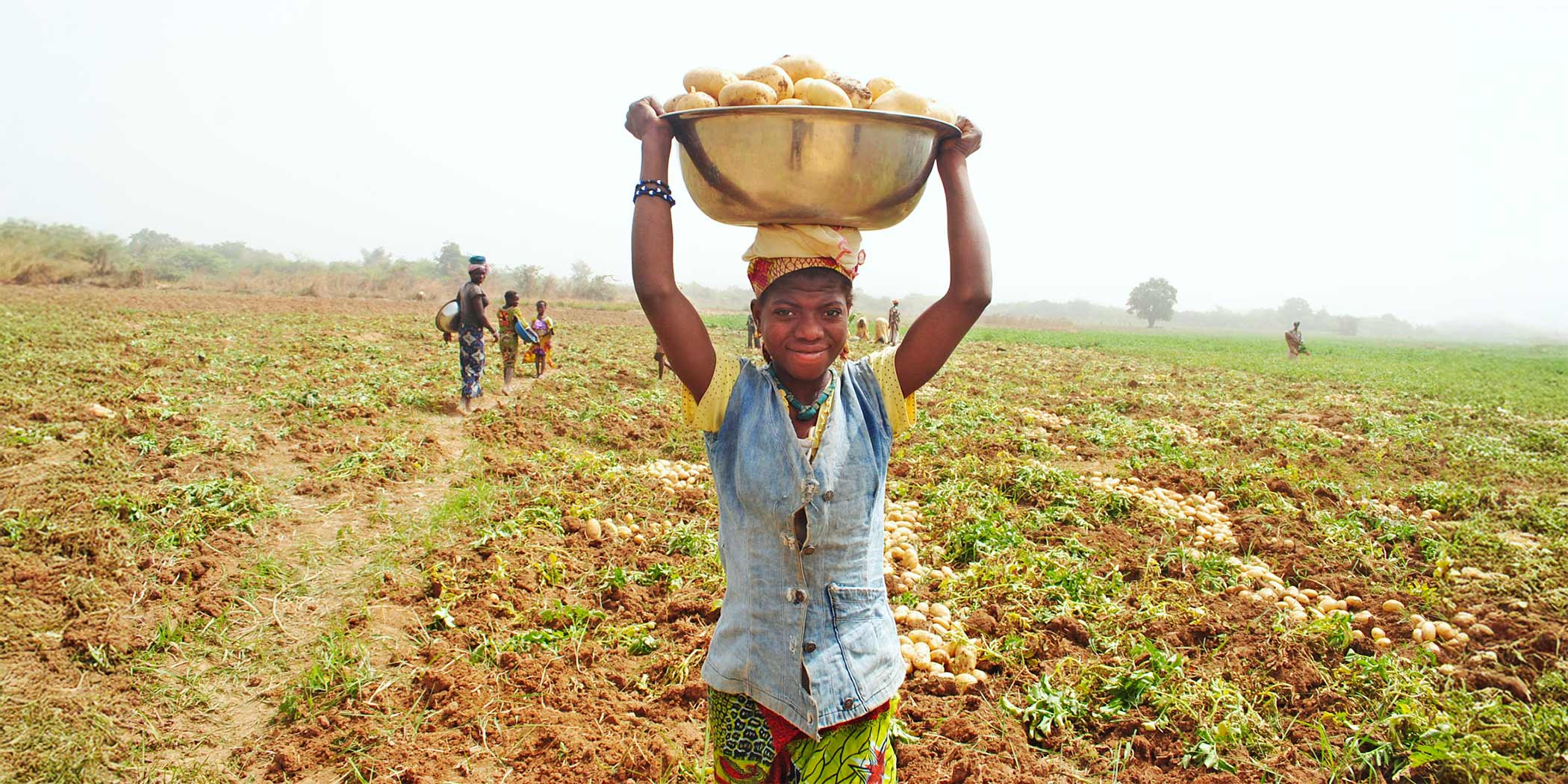
For smallholder farmers, who form the backbone of food production in many developing regions, higher fertilizer prices may force difficult choices: reducing acreage, cutting fertilizer use, or shifting to less productive crops. Such adjustments could sharply reduce domestic food availability and deepen hunger in vulnerable communities.
Máximo Torero, FAO’s Chief Economist, has described the situation as an “input crisis” capable of escalating into a much wider agrifood emergency if immediate action is not taken. The organization warns that fertilizer shortages today could become tomorrow’s food shortages.
A Fragile Global Food System Exposed
Beyond the immediate crisis, the situation at the Strait of Hormuz has exposed a deeper structural vulnerability in the global food system. Modern agriculture remains heavily dependent on concentrated supply chains and a handful of geopolitical chokepoints. When conflict disrupts the flow of energy and fertilizer inputs, the consequences rapidly extend into food production, trade, and household food access worldwide.
FAO argues that the world cannot treat food security separately from geopolitical stability and maritime security. Protecting trade corridors such as the Strait of Hormuz has become essential not only for energy security but also for safeguarding agricultural systems and preventing humanitarian crises.
The organization also highlights the importance of improving market transparency, diversifying fertilizer sourcing strategies, and strengthening regional production capacity to reduce future exposure to global supply disruptions.
FAO Calls for Coordinated Global Action
In response to the unfolding situation, FAO is calling for urgent international cooperation to stabilize fertilizer markets and protect global food supplies, urging governments to avoid export restrictions, maintain open trade channels, and support vulnerable countries through targeted safety nets and emergency interventions.
FAO Director-General Qu Dongyu has stressed the importance of coordinated action to preserve the flow of agricultural inputs and minimize disruptions to planting seasons. The organization also advocates for longer-term investments aimed at diversifying fertilizer supply chains, strengthening local production capacities, and building more resilient agrifood systems.
FAO continues to emphasize the need for investment in early warning systems, improved fertilizer market data, and stronger regional coordination mechanisms to anticipate shocks and reduce policy response delays.
While recent diplomatic developments have reduced immediate tensions around the Strait of Hormuz, FAO’s assessment shows that broader risks to global food systems remain. The challenge now extends beyond restoring stability to fertilizer markets; it also requires strengthening the resilience of agrifood systems against future geopolitical and supply chain shocks.
Without coordinated action, improved market transparency, and sustained investment in diversified supply chains and regional production capacity, temporary disruptions risk becoming recurring threats to global food security.
Disclaimer
This analysis is based on information compiled from multiple publicly available sources and market intelligence. While every effort has been made to verify the accuracy of the information, the authors and publishers accept no liability for any loss, damage, or disruption caused by errors, omissions, or the use of this information.
Sources
- CNN: Day 75 of Middle East conflict—Iran ceasefire talks stalled as Trump pushes for a deal with Tehran
- Strait of Hormuz crisis: FAO Director-General outlines risks, actions and policy responses
- FAO Chief Economist warns of severe global food security risks from disruption to Strait of Hormuz trade corridor
- Strait of Hormuz crisis: Fertilizer scarcity will affect next harvests and food supplies, FAO warns
- Global Agrifood Implications of the 2026 Conflict in the Middle East
- FAO Food Price Index extends upward trend amid higher vegetable oil, meat and cereal prices