The next fertilizer crisis is inevitable.
Whether it becomes a food crisis depends on what we invest in now.
Contact Us Today
This bulletin draws from a recent modeling analysis by the International Food Policy Research Institute (IFPRI) on how policy responses could influence the impact of fertilizer market disruptions associated with the closure of the Strait of Hormuz.
When discussions turn to the Strait of Hormuz, most people think about oil. Few think about fertilizer. Yet fertilizer may be one of the most important channels through which geopolitical disruptions affect global food systems. As highlighted in a recent analysis from the International Food Policy Research Institute (IFPRI), the disruption of shipping through the Strait of Hormuz after its closure has exposed a critical vulnerability in global agriculture: the world depends heavily on a handful of fertilizer producers and trade routes. IFPRI’s analysis highlights that trade and subsidy policies of major fertilizer-producing and consuming countries could either amplify or mitigate the impact of the supply shock.
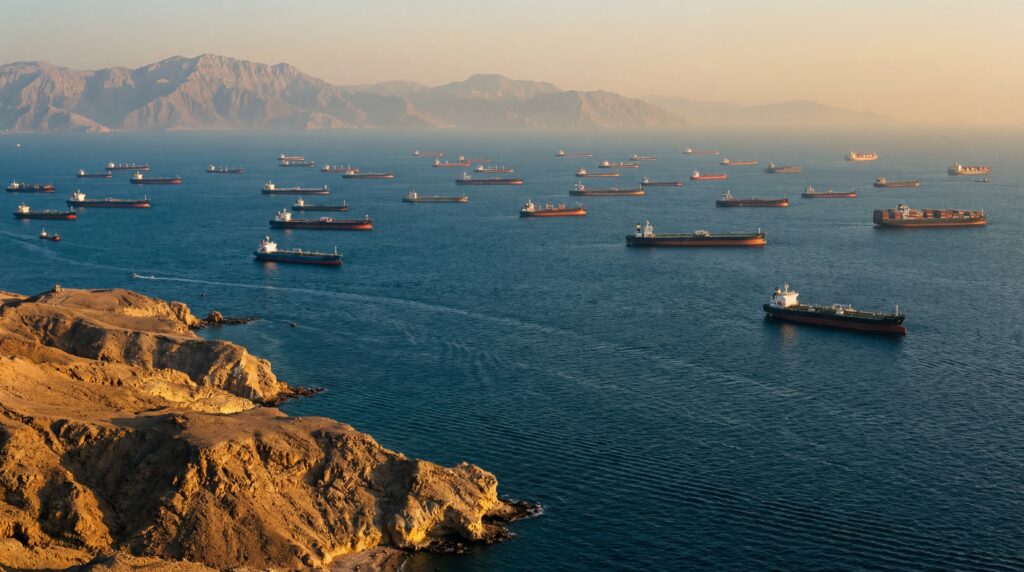
The Strait of Hormuz is a major artery for global fertilizer trade. The disruption of exports from Gulf producers has driven sharp increases in fertilizer prices, particularly for urea and diammonium phosphate (DAP). According to IFPRI, the strait’s closure placed roughly one-third of global seaborne fertilizer trade at risk and contributed to a doubling of urea prices in the early months of the crisis.
But the most important insight from the research is that the severity of the crisis is no longer determined solely by events in the Gulf. Policy choices made miles away – in countries such as China, Egypt, India, Indonesia, Pakistan, and Russia – may now have a comparable or even greater influence on global fertilizer affordability than the original supply disruption itself.
When Protection at Home Raises Prices Abroad
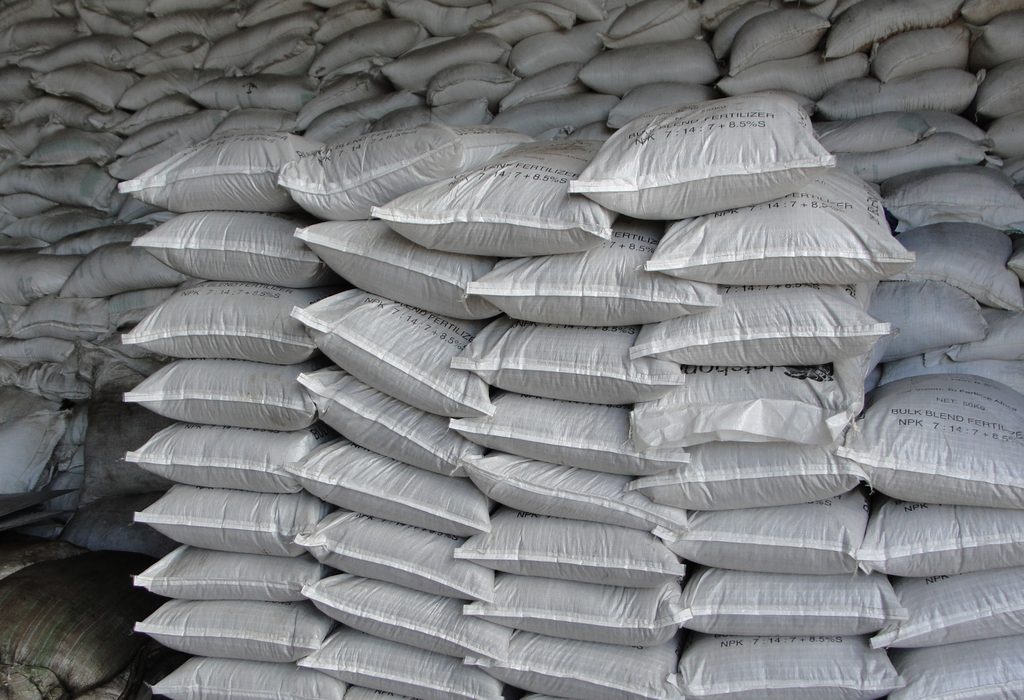
In times of uncertainty, governments often move quickly to protect domestic consumers and farmers. Fertilizer-exporting countries may impose export restrictions to keep supplies at home and stabilize prices. Importing countries may increase subsidies to shield farmers from rising costs.
Several major fertilizer-producing countries already maintain export restrictions or other trade controls. Additional restrictions introduced during a crisis can further tighten global supplies, reduce fertilizer availability on international markets, and amplify price increases.
These protective measures are reasonable. However, when multiple countries adopt these measures simultaneously, the global situation can worsen.
Export restrictions remove fertilizer from international markets at precisely the moment when supplies are already constrained. This can trigger a ripple effect, as importing countries scramble to secure supplies from fewer available sources, further driving up prices and increasing uncertainty across global markets. IFPRI’s modeling suggests that additional export restrictions by major suppliers could raise fertilizer prices substantially beyond current levels, while relaxing existing restrictions could help markets stabilize much faster.
Similarly, subsidies can have unintended global effects. By insulating domestic demand from higher prices, subsidies reduce the normal market response that would otherwise help ease pressure on supplies. While subsidies may protect domestic farmers in the short term, they can also contribute to keeping global prices elevated for producers in countries that cannot afford similar support.

A Global Food Security Challenge
Fertilizer is not like any other traded commodity. Reduced access to fertilizer can lower crop yields, constrain food production, and contribute to higher food prices, making fertilizer market disruptions a direct food security concern.
The consequences of fertilizer price spikes are rarely immediate. Unlike oil price shocks that can affect consumers within days, fertilizer shocks work their way through planting seasons, harvest cycles, and food markets over many months. This delay can create a false sense of security, even as risks accumulate beneath the surface. Researchers and international organizations have warned that disruptions to fertilizer supply chains could evolve into broader food security challenges if left unaddressed.
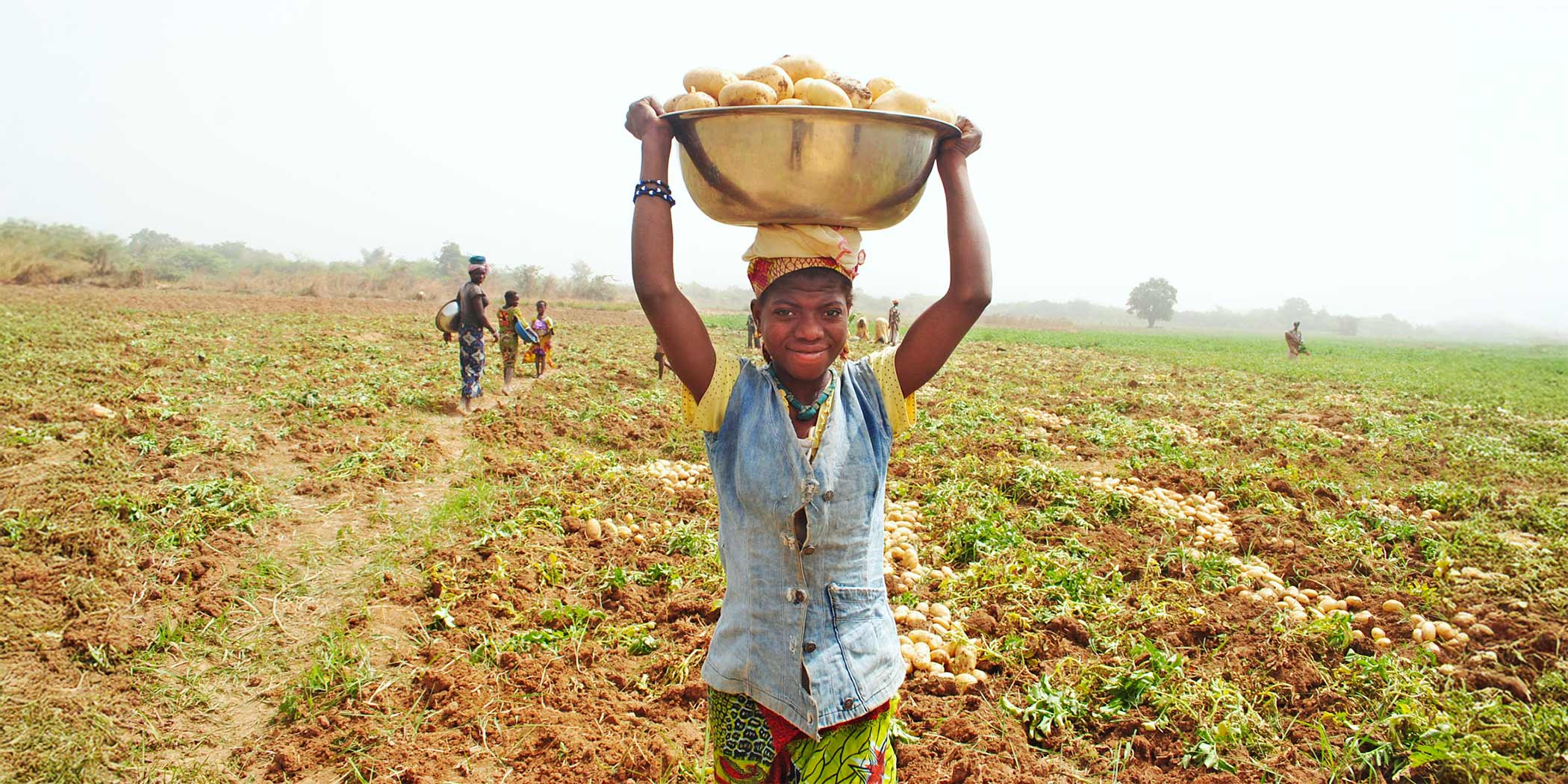
For many low-income countries, especially those heavily dependent on fertilizer imports, the stakes are particularly high. Rising input costs can reduce fertilizer application rates, lower yields, and ultimately contribute to higher food prices and increased vulnerability among farming communities.
Role of Policy Responses in Recovery
The lesson from this analysis is not that governments should take no action. Rather, policymakers must understand that policy choices can significantly influence the severity of fertilizer market disruptions and can also impact global fertilizers prices on their own. Export restrictions imposed during periods of market stress may help stabilize domestic markets, but they could also reduce supplies available to international markets and drive up international prices. Likewise, generous subsidy programs in large fertilizer markets could contribute to higher global prices.
As policymakers assess options for protecting domestic farmers and consumers, they must recognize the interconnected nature of global fertilizer markets. Decisions made in one country increasingly shape outcomes for farmers elsewhere.
Looking Ahead
The disruption in the fertilizer market caused by closure of the Strait of Hormuz may have originated as a geopolitical event, but its long-term consequences will be shaped by policy decisions. The next round of export quotas, subsidy adjustments, and trade measures could determine whether fertilizer markets gradually stabilize or face another wave of volatility.
For governments, development partners, and agricultural stakeholders, the message is clear: safeguarding food security requires more than restoring supply chains. It also requires policy coordination, transparency, and a commitment to keeping fertilizer markets functioning during periods of uncertainty. Actions intended to protect domestic interests can have far-reaching consequences for farmers and consumers beyond national borders.
In an interconnected world, fertilizer policy is food policy.
Disclaimer
This analysis is based on information compiled from publicly available sources and market intelligence. While every effort has been made to verify the accuracy of the information, the authors and publishers accept no liability for any loss, damage, or disruption caused by errors, omissions, or the use of this information.
Source: How fertilizer policies could exacerbate Hormuz price shocks
About IFPRI
The International Food Policy Research Institute (IFPRI) works with partners worldwide to provide research-based policy solutions that improve food security, nutrition, livelihoods, and sustainable, climate-resilient food systems. IFPRI is a member of the Global Fertilizer Crisis Response Group (GFCRG), contributing research and evidence to support informed responses to fertilizer market disruptions and their implications for food security.