The next fertilizer crisis is inevitable.
Whether it becomes a food crisis depends on what we invest in now.
Contact Us Today
Africa’s fertilizer sector is at a defining moment. Heavy reliance on imported fertilizer has left the continent vulnerable to global supply disruptions, rising costs, and persistently low fertilizer use. Yet these challenges also present an opportunity to build a more resilient, competitive, and sustainable fertilizer system.
Representing stakeholders across the fertilizer value chain, the Africa Fertilizer Industry Development Association (AFIDA) believes the current volatility should serve as a catalyst for the reforms needed to improve fertilizer access, boost agricultural productivity, and strengthen food security across Africa.
Challenges
Import Dependence and Exposure to External Shocks
Africa’s fertilizer market remains heavily dependent on imports, with approximately 80% of the fertilizer used in sub-Saharan Africa sourced from international markets. This dependence leaves the continent highly vulnerable to disruptions in global supply chains and international price volatility.
Recent events, including the COVID‑19 pandemic, the Russia‑Ukraine war, and the 2026 disruption in the Strait of Hormuz, have demonstrated how geopolitical and economic shocks can rapidly drive fertilizer prices up across Africa. The resulting increases in input costs reduce affordability, weaken farmers’ purchasing power, and ultimately constrain fertilizer use, with adverse implications for agricultural productivity and food security.
Logistics, Infrastructure, and the Landlocked Penalty
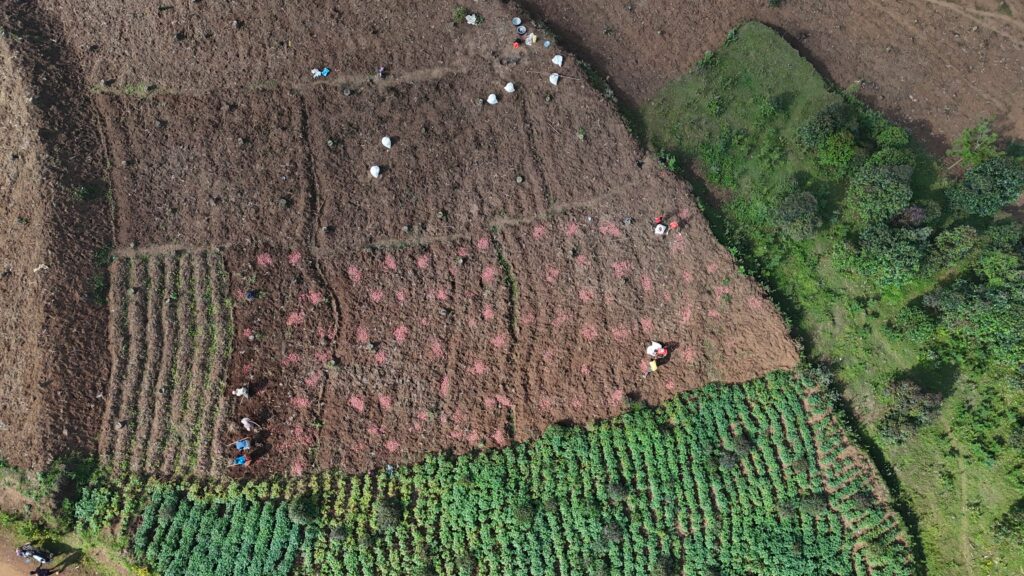
Weak transport and logistics systems continue to raise the cost of fertilizer distribution across much of the continent. Even when fertilizer reaches African ports, inefficient port operations, inadequate transport infrastructure, weak rural distribution networks, and persistent last-mile delivery limitations delay timely access and increase costs.
These challenges are particularly pronounced in landlocked countries, where additional transport requirements significantly inflate fertilizer prices. Security concerns in the Red Sea have further exacerbated these problems by forcing many shipments to reroute around the Cape of Good Hope, extending transit times by one to two weeks and increasing freight costs for East African importers.
Financing Gaps and Working Capital Constraints
Limited access to affordable finance remains a significant obstacle throughout the fertilizer value chain. Fertilizer importers, domestic blenders, agro-dealers, and farmers often face difficulties obtaining the working capital needed to procure, distribute, and purchase fertilizer.
Although trade credit guarantees, blended finance mechanisms, and other innovative financing initiatives have improved liquidity in some markets, existing financial instruments remain insufficient to meet the growing financing requirements of Africa’s fertilizer sector at scale.
Product Quality and Farmer Trust
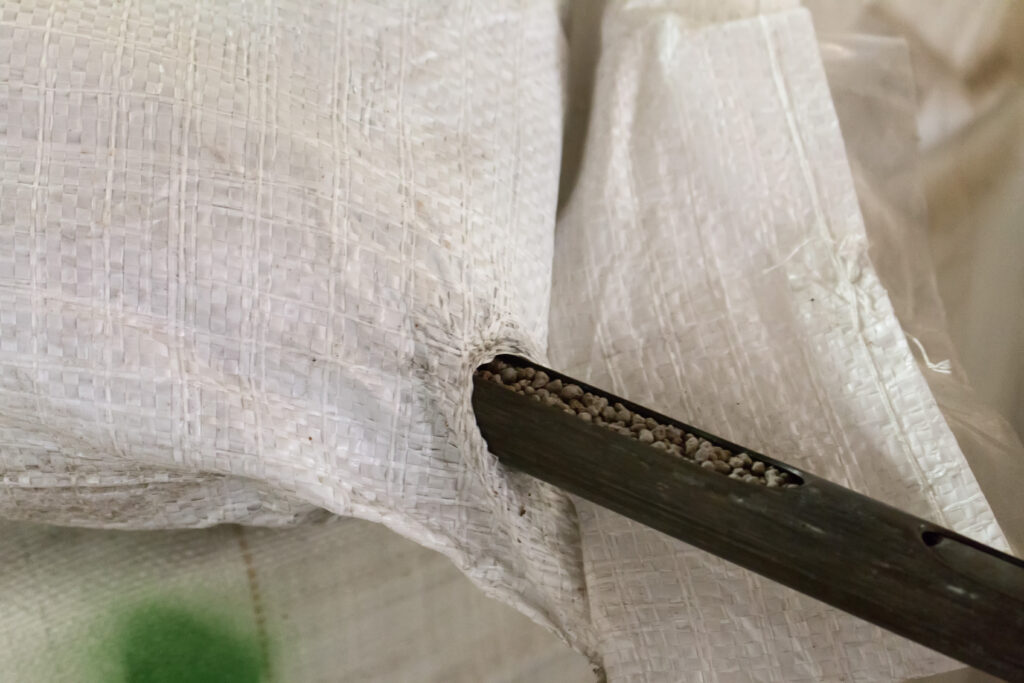
The continued presence of substandard and adulterated fertilizers in several African markets undermines crop productivity, erodes farmer confidence, and discourages sustained fertilizer use. Weak regulatory enforcement and quality control systems allow counterfeit and poor-quality products to enter the market, reducing the effectiveness of fertilizer investments.
Strengthening quality assurance frameworks, enhancing regulatory oversight, and expanding digital authentication and traceability systems will be essential for protecting farmers, improving market integrity, and building confidence in fertilizer products.
Low and Uneven Fertilizer Application Rates
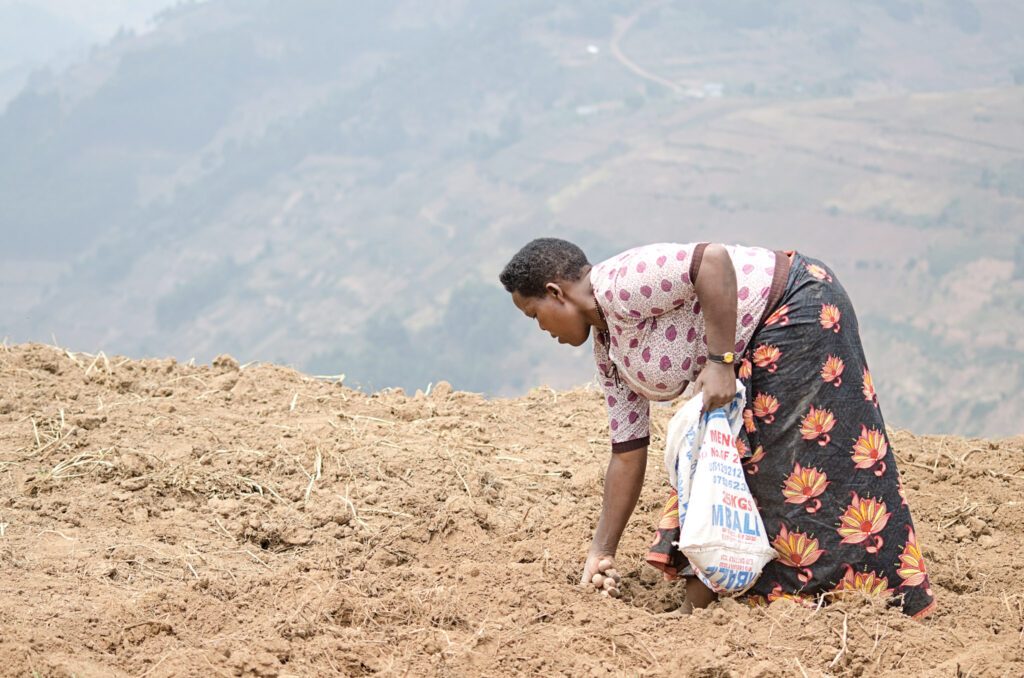
Fertilizer application rates across sub-Saharan Africa remain among the lowest globally, averaging about 20 kg per hectare, compared with a global average of approximately 135 kg per hectare. High input costs, limited availability of quality fertilizer, inadequate access to credit, insecure land tenure, and growing climate-related risks continue to constrain adoption.
These barriers disproportionately affect women and young farmers, who often face greater challenges in accessing productive resources and agricultural finance. Expanding fertilizer use will require integrated interventions that improve affordability, strengthen distribution systems, enhance access to finance, and promote more inclusive and climate-resilient agricultural development.
Opportunities for Change
Expanding Domestic Production and Regional Trade
Despite persistent challenges, Africa has considerable opportunities to build a more resilient, competitive, and sustainable fertilizer sector. Expanding domestic and regional fertilizer production can reduce import dependence, strengthen regional supply chains, and create new industrial and employment opportunities by leveraging the continent’s abundant natural resources.
Greater regional trade integration under initiatives such as the African Continental Free Trade Area (AfCFTA) can improve fertilizer availability and affordability by facilitating cross-border trade, harmonizing quality standards, streamlining customs procedures, and strengthening regional logistics corridors.
Advancing Digital Innovation and Efficient Distribution
Innovative financing mechanisms, such as blended finance, trade credit guarantees, and other de-risking instruments, offer significant potential to mobilize private investment in fertilizer production, importation, and distribution while reducing reliance on market-distorting subsidy programs.
Advances in digital technologies are transforming fertilizer distribution and advisory services. Digital platforms, mobile-based extension services, youth-led agribusinesses, and innovative retail models are improving last-mile delivery, increasing market access, and enabling farmers to make more informed fertilizer management decisions.
Promoting Sustainable Soil Fertility Management
Long-term agricultural productivity will also depend on integrating fertilizer use with sustainable soil health management practices.
Combining mineral fertilizers with organic inputs, nitrogen-fixing legumes, and agroforestry can improve nutrient use efficiency and maintain soil fertility. Continued investment in farmer education, extension services, and capacity-building initiatives is equally important to promote the adoption of integrated soil fertility management (ISFM) and sustainable fertilizer use across the continent.
The Path Forward
Africa’s fertilizer challenges require urgent coordinated action. Recent global disruptions have shown that heavy import dependence is not a sustainable long-term strategy. AFIDA is committed to working with governments, regional bodies, development partners, and the private sector to strengthen production, trade, quality assurance, and farmer resilience, ensuring the continent is better prepared for future global shocks.
Disclaimer
This article was contributed by AFIDA and is based on information from publicly available sources. While every effort has been made to verify the accuracy of the information, the author and publishers accept no liability for any loss, damage, or disruption caused by errors, omissions, or the use of this information.