The next fertilizer crisis is inevitable.
Whether it becomes a food crisis depends on what we invest in now.
Contact Us Today
When Fertilizer Disruptions Reach the Farm
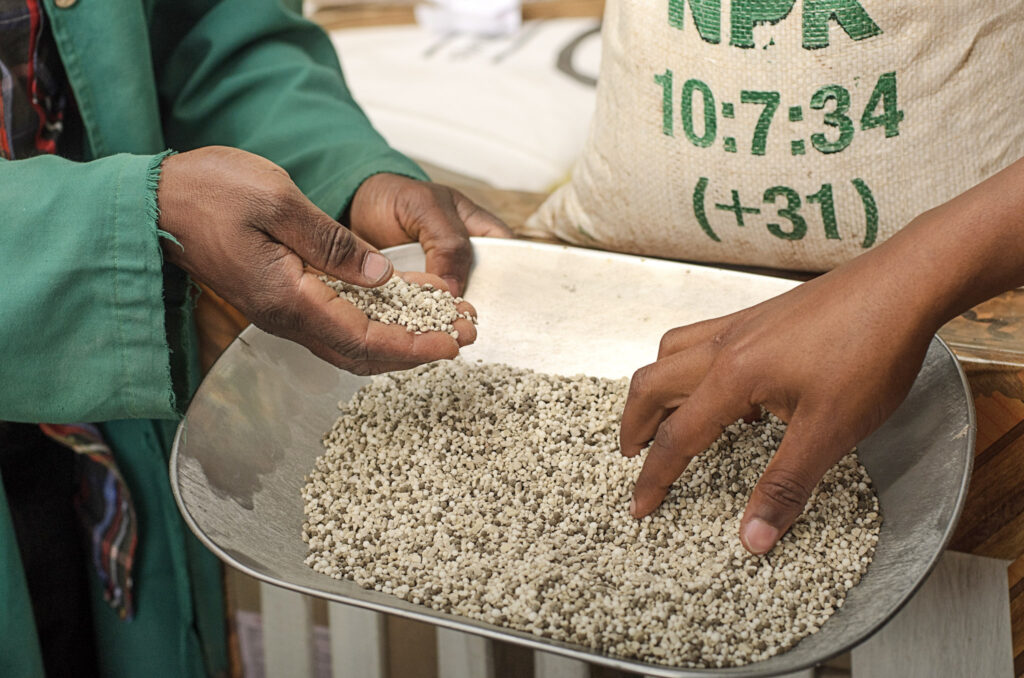
The supply shock in the fertilizer market caused by the disruption in the Strait of Hormuz is shifting to a broader test of agricultural resilience. What began as an interruption of fertilizer and energy flows is now affecting production costs, farmer affordability, and food security. The question is no longer simply whether fertilizer is available; it is whether farmers can obtain inputs on time at a price they can afford and in sufficient quantities to protect yields. The Food and Agriculture Organisation of the United Nations (FAO) has warned that fertilizer shortages could reduce yields and tighten food supplies through late 2026 and into 2027. FAO has also highlighted that fertilizer must reach farmers when it is needed, as delays during critical application periods can leave farmers with few options to compensate later in the season. Because fertilizer must often be applied at a specific time frame in the cropping season, today’s supply disruption could become tomorrow’s crop production shortfall.
The Energy-Fertilizer Connection
Fertilizer production and distribution depend heavily on energy and transport. Natural gas is essential for nitrogen fertilizer production, while fuel and shipping capacity determine the cost of moving fertilizer and agricultural commodities. Therefore, the Strait of Hormuz disruption is affecting fertilizer markets through several channels – not just the availability of fertilizer but also higher energy prices, freight rates, marine fuel costs, and insurance premiums and longer delivery routes. An analysis by the International Trade Center (ITC) shows that these pressures can raise production and transport costs and ultimately feed into consumer prices, particularly in import-dependent economies.
The impact of the Strait of Hormuz disruption has thus extended beyond oil markets; it has also exposed vulnerabilities in global agricultural supply chains. Even without an absolute shortage, higher prices, delayed deliveries, and uncertainty can cause farmers to reduce fertilizer application or postpone purchases. When fertilizer is unavailable or unaffordable at the time it is needed, farmers may reduce application rather than wait for prices or supplies to normalize. The result may only become visible months later through lower yields.
El Niño Raises the Stakes
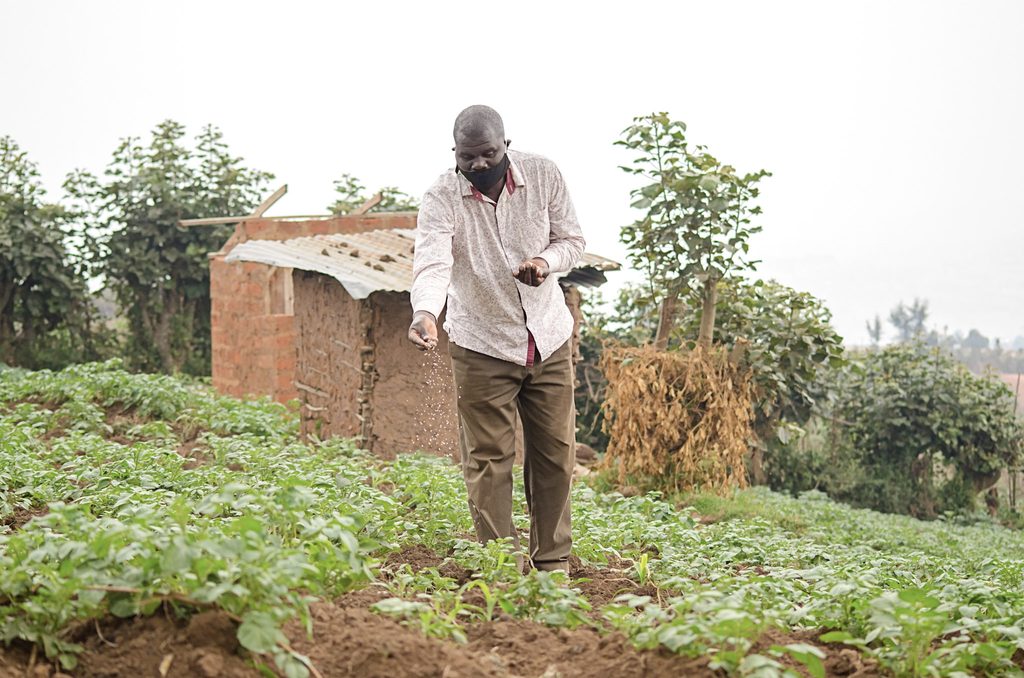
The fertilizer shock is unfolding alongside rising climate risks. The World Meteorological Organization (WMO) reports that a strong El Niño is developing and expected to intensify from August to October 2026, bringing major changes in rainfall and temperature patterns. The outlook points to above-average temperatures across many land areas, including large parts of Africa, while rainfall conditions are expected to vary considerably by region. Some agricultural regions may face drought and heat, and others could experience excessive rainfall and flooding. These conditions can disrupt planting, crop development, harvesting, and transport.
For Africa, the risks are particularly serious because fertilizer use is already relatively low, productivity remains uneven, and many farmers have limited capacity to absorb higher input costs. However, the climate outlook also provides an opportunity for early action. WMO is intensifying the mobilization of climate information and support services to help countries anticipate and minimize the impacts of El Niño through regular briefings, regional outlooks, webinars, and technical exchanges aimed at strengthening preparedness and coordination. For agricultural systems, this creates an opportunity to combine climate and market information to support earlier decisions on planting, fertilizer procurement, water management, and other measures before weather-related losses materialize.
The Policy Challenge
The current shock highlights a fundamental policy question: How can governments protect farmers from extraordinary fertilizer price shocks without weakening the markets needed to raise long-term productivity
Experiences across Africa show that merely increasing fertilizer access does not guarantee higher yields; results also depend on soil health, seed quality, rainfall, extension, finance, and infrastructure. The Africa Fertilizer Industry Development Association (AFIDA) reinforces this point in its recent article, “Crowding In or Crowding Out.” The article examines how fertilizer support programs can improve farmer access while strengthening, rather than displacing, private input markets.
This perspective is particularly relevant during periods of market disruption. AFIDA’s approach points toward targeted support, including private retailer delivery and electronic vouchers, combined with broader investments in agricultural productivity. The objective should be to make fertilizer use more productive while strengthening private input markets, not just to make fertilizer cheaper.
The 2027 Harvest Is Being Decided Now
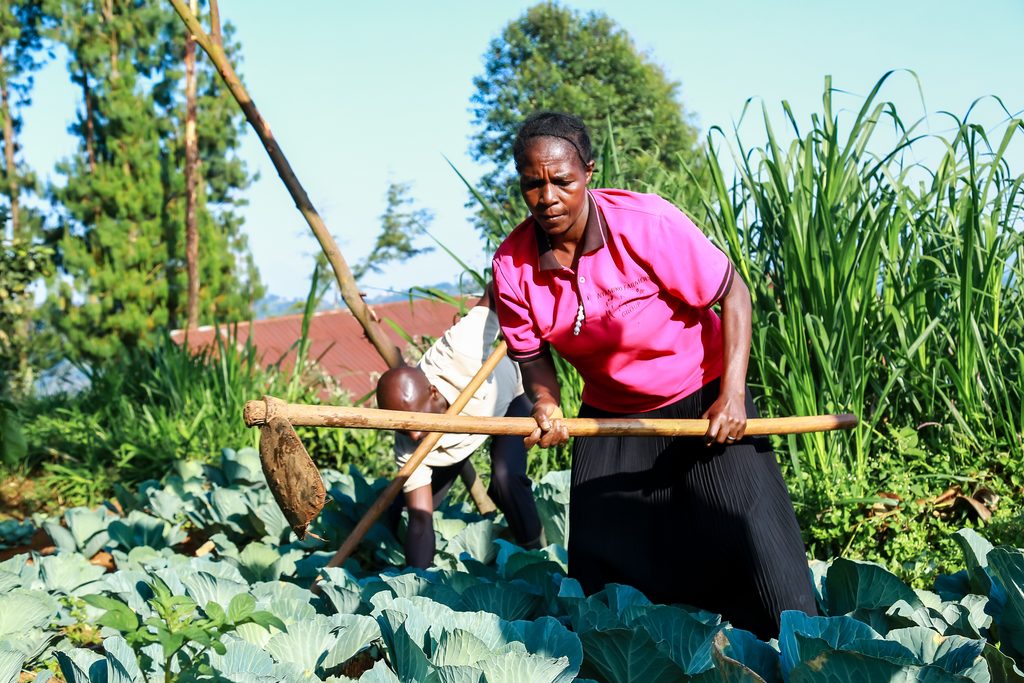
The biggest impact of the Strait of Hormuz disruption may not appear in today’s food prices. Farmers are making decisions now that will determine future harvests, and reduced fertilizer use could lower yields if the disruption persists. Moreover, El Niño-related drought, heat, or excessive rainfall could amplify production losses. The effects of these disruptions may only become visible months from now, when lower fertilizer use and adverse weather conditions translate into reduced yields. Global grain stocks and alternative suppliers provide important buffers, so a worldwide food shortage is not inevitable. But those buffers are being tested by the simultaneous geopolitical, energy, fertilizer, and climate shocks.
What to Watch
Four indicators will be critical in the coming months: fertilizer prices and shipping flows; energy, fuel, and freight costs; El Niño-related weather and crop conditions; and actual farmer fertilizer use. The last indicator is particularly important because market availability does not mean farmers can afford or apply fertilizer at the right time. The ability of markets and supply chains to adapt will also be important as countries seek to diversify fertilizer and energy sources and reduce exposure to individual supply routes. These signals will determine whether the current disruption remains a temporary market shock or becomes a wider agricultural production crisis.
From Supply Shock to Resilience Test
The disruption in the Strait of Hormuz is evolving from a fertilizer supply issue into a broader test of agricultural resilience. For Africa, the response must go beyond short-term affordability measures to strengthen private input markets, soil health, extension, finance, irrigation, and rural infrastructure. Emergency subsidies may be necessary, but they should reinforce rather than replace functioning markets. Equally important is the need to diversify fertilizer and energy supply sources, improve market information, and use climate forecasts to support earlier decisions by governments, businesses, and farmers.
Resilience requires functioning markets, diversified supply chains, timely market and climate information, and policies that help farmers manage temporary shocks without undermining long-term productivity. The immediate challenge is to keep fertilizer and energy affordable; the deeper challenge is to prevent today’s input shock and climate risk from becoming tomorrow’s harvest calamity. Ultimately, resilience will be measured not by whether fertilizer markets recover, but by whether farmers can sustain food production through the next agricultural cycle.
Disclaimer
This article is based on information from publicly available sources and market intelligence. While every effort has been made to verify the accuracy of the information, the authors and publishers accept no liability for any loss, damage, or disruption caused by errors, omissions, or the use of this information.
Sources