The next fertilizer crisis is inevitable.
Whether it becomes a food crisis depends on what we invest in now.
Contact Us Today
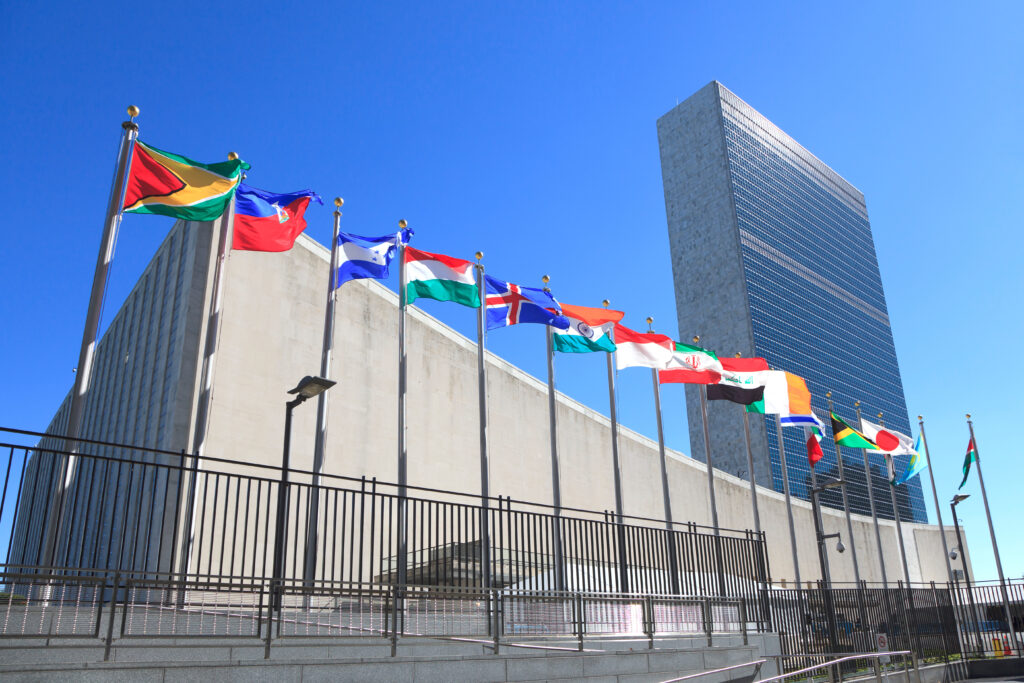
The 81st session of the United Nations General Assembly (UNGA81), which began September 8 in New York City, did not produce a new global agreement on hunger. However, discussions across the general debate, ministerial meetings, and high-level week events highlighted where political attention, development financing, and implementation efforts are being directed.
Rather than focusing only on food production, much of the dialogue centered on social protection, early action, humanitarian delivery systems, and ways of coordinating existing financing. This article reflects information publicly available as of September 28
The backdrop is stark. An estimated 645 million people faced hunger in 2025, nearly 14 million fewer than in 2024. At the same time, 266 million people in 47 countries and territories experienced high levels of acute food insecurity, with famine confirmed in Gaza Governorate and parts of Sudan. In this context, several developments presented during the UNGA81 stood out.
Financing is Moving Through Existing Systems
One of the most significant developments came from the Global Alliance Against Hunger and Poverty, which showed how it is moving from political commitment to country-level implementation during a high-level meeting on September 23. Eva Granados, Secretary of State for International Cooperation at Spain’s Ministry of Foreign Affairs, said the Global Alliance has 21 programs in 19 countries, some of which are in the most advanced stages of support.
The Global Alliance’s approach is to develop a collaborative financing framework for Sustainable Development Goals 1 and 2, intended to bring existing multilateral, bilateral, humanitarian, climate, and philanthropic resources together around country-led priorities.
The Inter-American Development Bank (IDB) said it has committed U.S. $25 billion between 2025 and 2030 to programs aligned with the Global Alliance, allocating about U.S. $10 billion during its first two years. The IDB said it will allocate U.S. $300 million to cash transfers in Haiti as part of a new national social protection program.
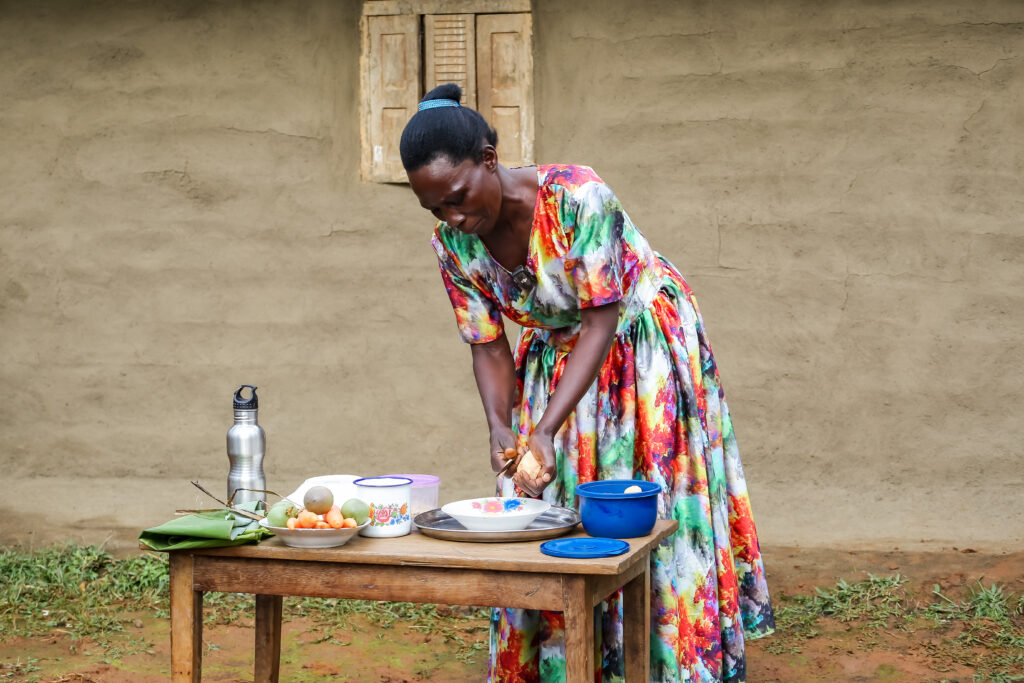
The International Fund for Agricultural Development (IFAD) reported that it has a portfolio of about U.S. $600 million across seven countries aligned with Global Alliance priorities, including an approximately U.S. $120 million portfolio in Ethiopia.
For Africa, the financing announcements were particularly notable. Burundi, Chad, Ethiopia, Guinea, Kenya, Rwanda, Sierra Leone, Somalia, Sudan, and Zimbabwe announced increased contributions to IFAD’s 14th replenishment, together pledging nearly U.S. $9 million for 2028–2030. The commitments link food security with rural transformation, livelihoods, and agricultural development.
Early Warning is Only Useful When it Leads to Action
The food crisis discussions repeatedly returned to the gap between identifying risk and acting on it.
At the United Against Hunger event on September 22, the Food and Agriculture Organization of the United Nations (FAO) highlighted weaknesses in the evidence base behind early action. Of the 65 countries and territories covered by the latest Global Report on Food Crises, 18 did not have sufficient comparable acute food insecurity data, the lowest country coverage in a decade. FAO called for warnings to lead to decisions on what action is needed, who should act, and when financing should arrive.
The financing gap remains significant. FAO said emergency agriculture receives only about 5% of humanitarian financing for the food sector, even though many people facing acute food insecurity depend on agriculture for food and income.
The discussion on El Niño reinforced the same point. At a September 21 Goals Lounge event, countries were advised to determine in advance what warning threshold should trigger action, who will respond, and which vulnerable groups should be prioritized. Moreover, they must anticipate possible threats to food security months before they materialize.
Delivery Systems Matter Too
Some of the most practical examples presented during UNGA81 concerned how assistance reaches people.
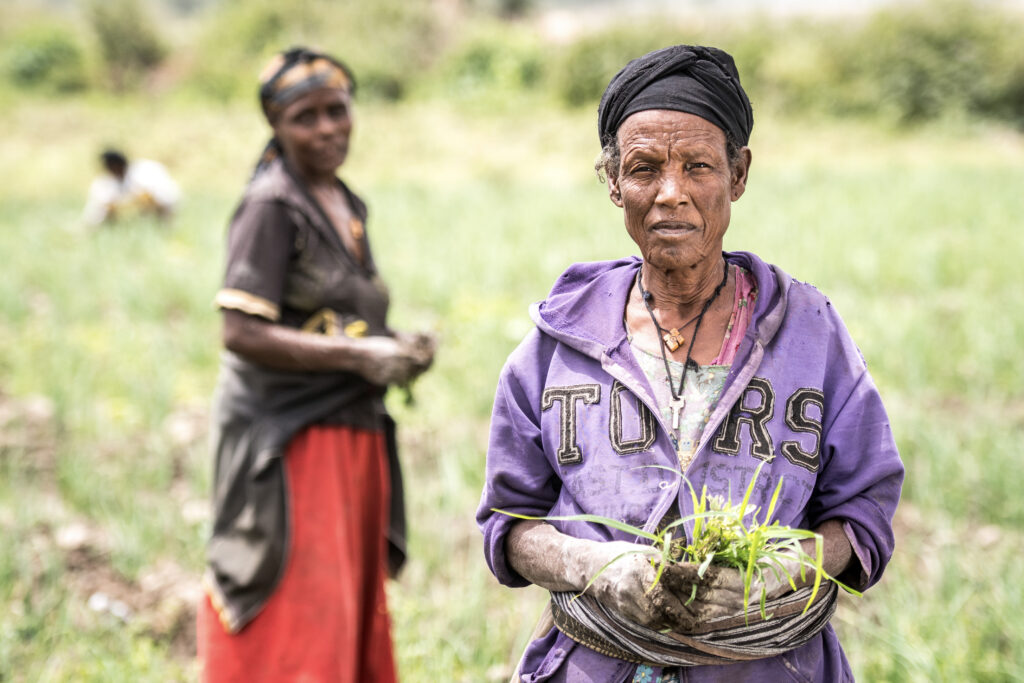
The United Nations Children’s Fund (UNICEF) reported that global suppliers of ready-to-use therapeutic food have increased from one to 23 over the last 25 years, with 65% of procurement now coming from countries where the products are highly needed. UNICEF’S Accelerated Delivery of Essential Products Together initiative has reduced humanitarian supply clearance time in Nigeria from 100 days to 20 days, while charges fell from about U.S. $12,000 to U.S. $1,700 per container.
In addition, UNICEF and the World Food Programme (WFP) reported negotiating a temporary suspension of war risk and emergency carrier surcharges on humanitarian cargo, reducing costs for humanitarian operations.
These examples show that food security is dependent on the systems that move food, nutrition products, and other essential assistance during crises.
The Black Sea Disruption Served as an Immediate Test for Food Security
Ukraine and its partners brought a specific proposal to New York.
At a September 22 high-level event convened by the European Union, France, Romania, and Ukraine, participants called for a moratorium on attacks against civilian vessels, ports, and export infrastructure in the Black Sea to protect grain exports and freedom of navigation.
The Ukrainian delegation said Black Sea port capacity has fallen from around 200,000 metric tons (mt) a day to about 14,000 mt, a 93% reduction. Ukraine needs to export around 64 million mt of grain and oilseeds during the current season, but alternate routes can cover only about half of that requirement. The delegation warned that up to 11 million mt of Ukrainian grain and up to 24 million mt of global grain could fail to reach markets if the disruption continues.
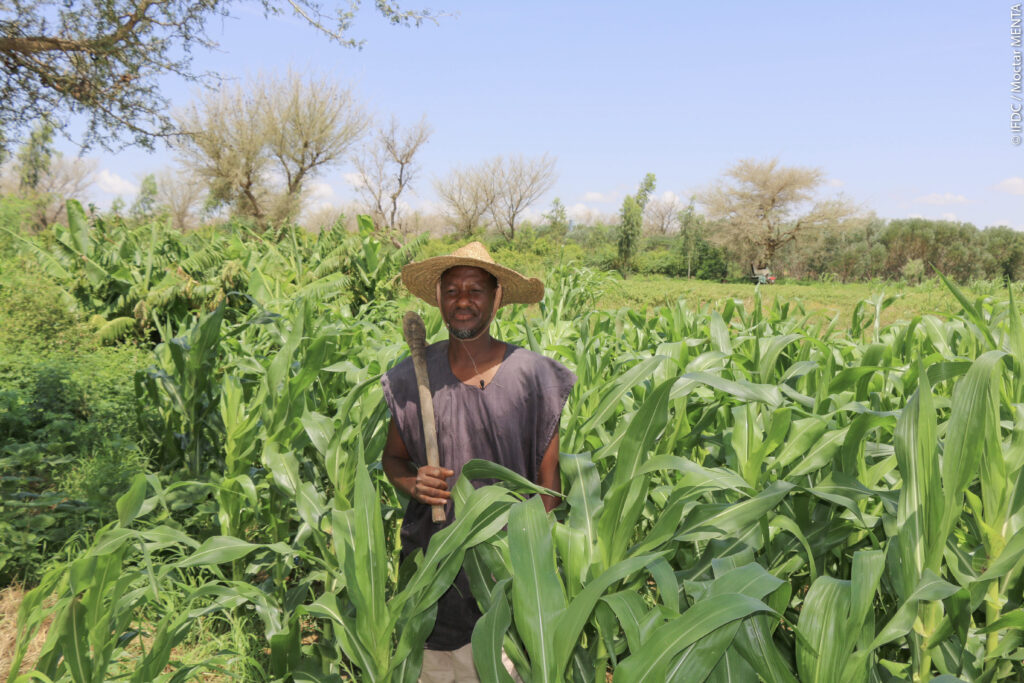
The proposal served as a political appeal rather than a decision for the General Assembly.
The WFP identified the disruptions in the Black Sea, Strait of Hormuz, and Bab el-Mandeb as three maritime pressure points affecting food security.
What Happens After New York
Based on the information currently available, UNGA81 did not yield a new global agreement specifically on hunger or food security. Instead, it leaves a number of commitments and initiatives moving into implementation: increased African contributions to IFAD, billions of dollars being aligned with the Global Alliance, country-level social protection programs, improvements in humanitarian delivery systems, and a proposal to protect critical food trade routes.
Important questions remain unresolved. An agreement has not been reached on the Black Sea moratorium. Significant gaps remain in food insecurity data and financing for agricultural responses. And while the Global Alliance is developing a framework to bring existing financing together, its success will depend on whether country plans can attract predictable resources at the necessary scale.
The coming months will show whether the commitments announced in New York translate into financing, programs, and faster action on the ground. Across the discussions, attention repeatedly returned to how financing is mobilized, how early warnings trigger action, how assistance reaches vulnerable populations, and how countries can prepare before crises escalate.
In terms of food security, the most pressing concern to emerge from UNGA81 was not only about producing enough food, but increasingly about ensuring the systems around food can continue to function when conflict, climate shocks, economic pressures, and disruptions in trade put them under strain.
Disclaimer
This article is based on publicly available sources and market intelligence. Information was reviewed as of September 28, 2026, and some final day material may not yet be available. UN Transcripts is a public preview tool that automatically generates transcripts from public United Nations meeting recordings; these transcripts are not official UN records. While every effort has been made to verify the information, the authors and publishers accept no liability for errors, omissions, or resulting loss or disruption.
Sources