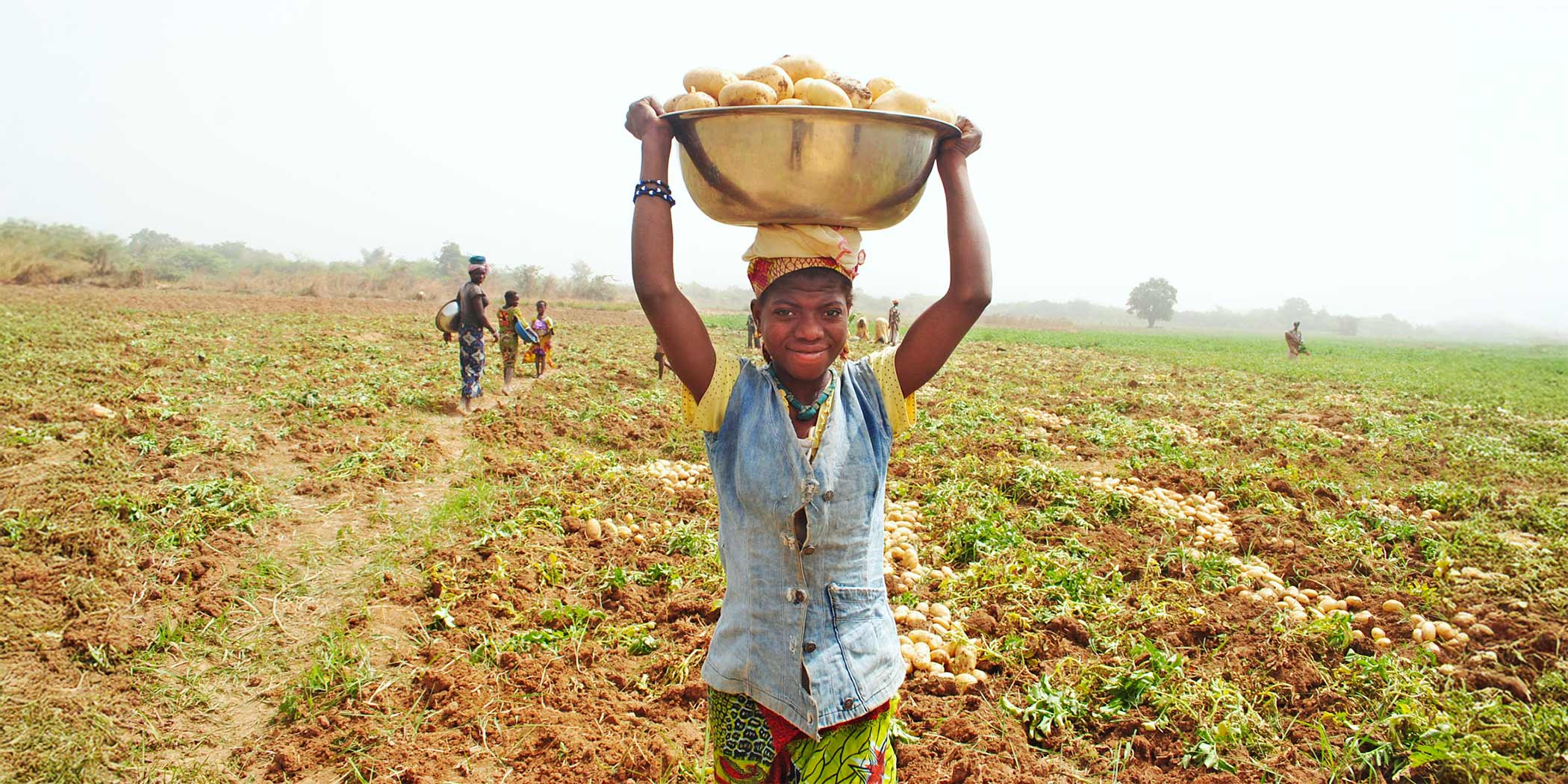
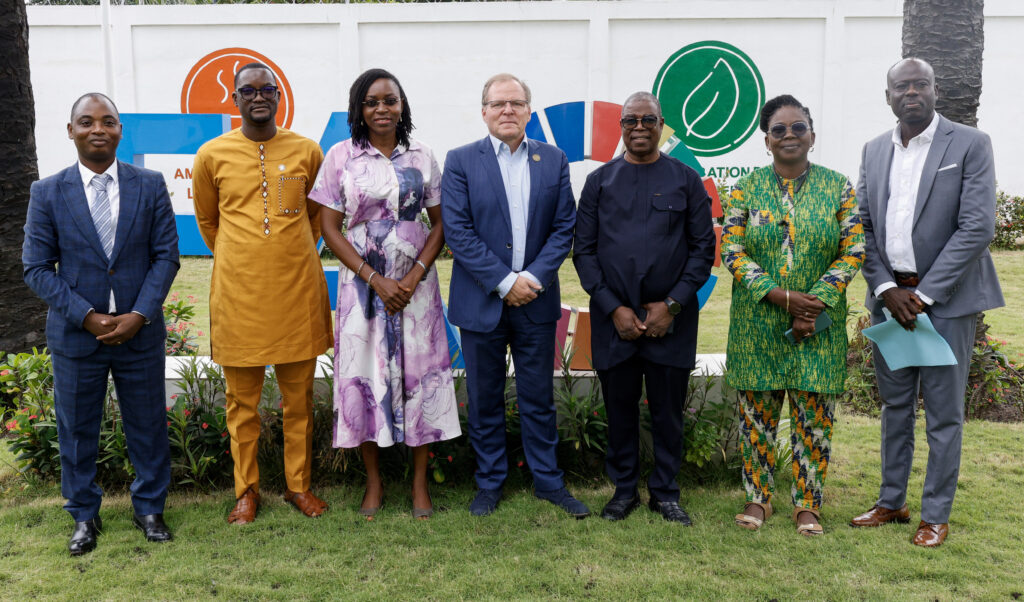
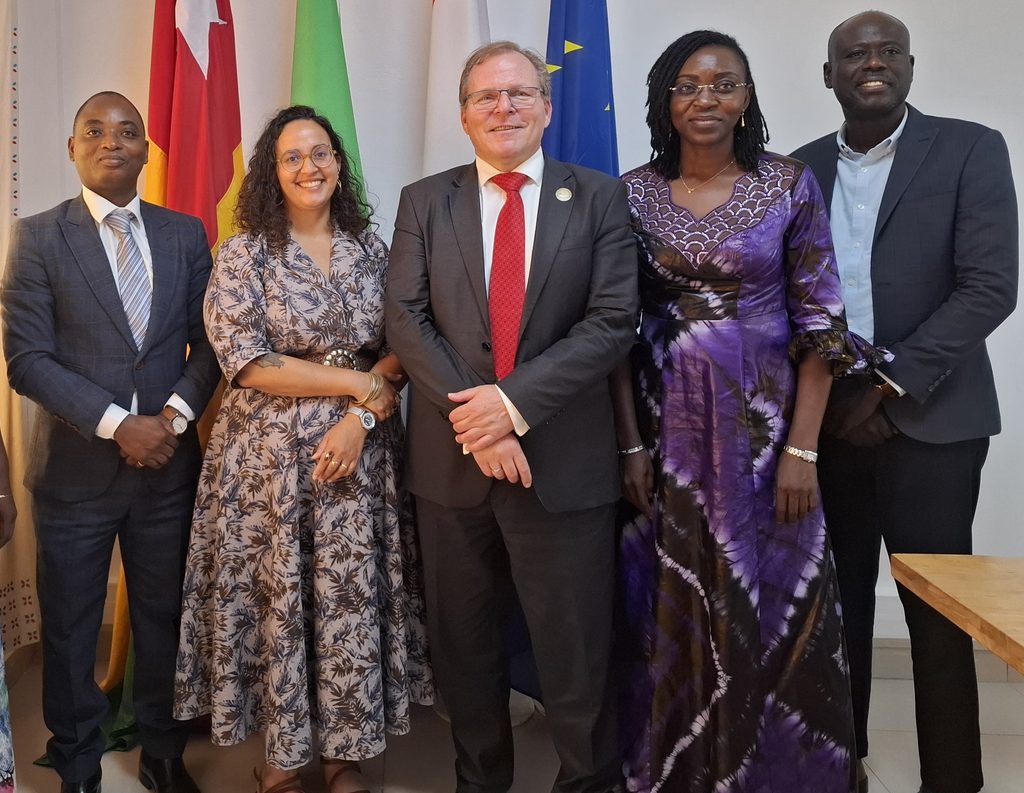
IFDC President and CEO Henk van Duijn recently visited Cotonou, Benin, to meet with technical, institutional, and diplomatic partners to discuss an agriculture sector in transition, called upon to become more productive, resilient, and inclusive. The objective was to strengthen partnerships capable of supporting the country and region in the sustainable transformation of their agri-food systems. A strong conviction emerged from these meetings: such transformation depends on strong, inclusive, and impact-oriented alliances.
Bringing Expertise Together with FAO
The visit opened with a meeting with Food and Agriculture Organization of the United Nations (FAO) representatives in Benin. The exchange set the tone for the mission: by identifying complementarities, bringing expertise closer together, and building coordinated responses to agricultural challenges. Soil health, seed sector development, nutrition, climate resilience, and value chain development are among the shared priorities around which IFDC and FAO can further strengthen collaboration, particularly within ongoing initiatives in the Sahel and West Africa.
Placing Inclusion at the Heart of Agricultural Transformation
This same thread continued during the next meeting, with representatives of Handicap International and the Platform of International NGOs of Benin (PONGIB). These discussions underscored that sustainable agriculture cannot be limited to productivity gains or stronger market systems; it must also create opportunities for people and communities too often left on the margins. By focusing on the inclusion of vulnerable people, IFDC emphasized that agricultural transformation is most meaningful when it benefits everyone.
Aligning Priorities with the Government of Benin
The dialogues continued with Gaston Cossi Dossouhoui, the Minister of Agriculture, Livestock, and Fisheries. This meeting provided an opportunity to connect the ambitions of the Government of Benin with IFDC’s expertise in soil health, value chain development, digital agricultural services, youth and women’s inclusion, and private sector strengthening. IFDC and the Government of Benin seek to make cooperation among public institutions, technical partners, and economic actors a driver of productivity, climate resilience, and inclusive growth.
From Strategy to Results: The Example of ACMA3
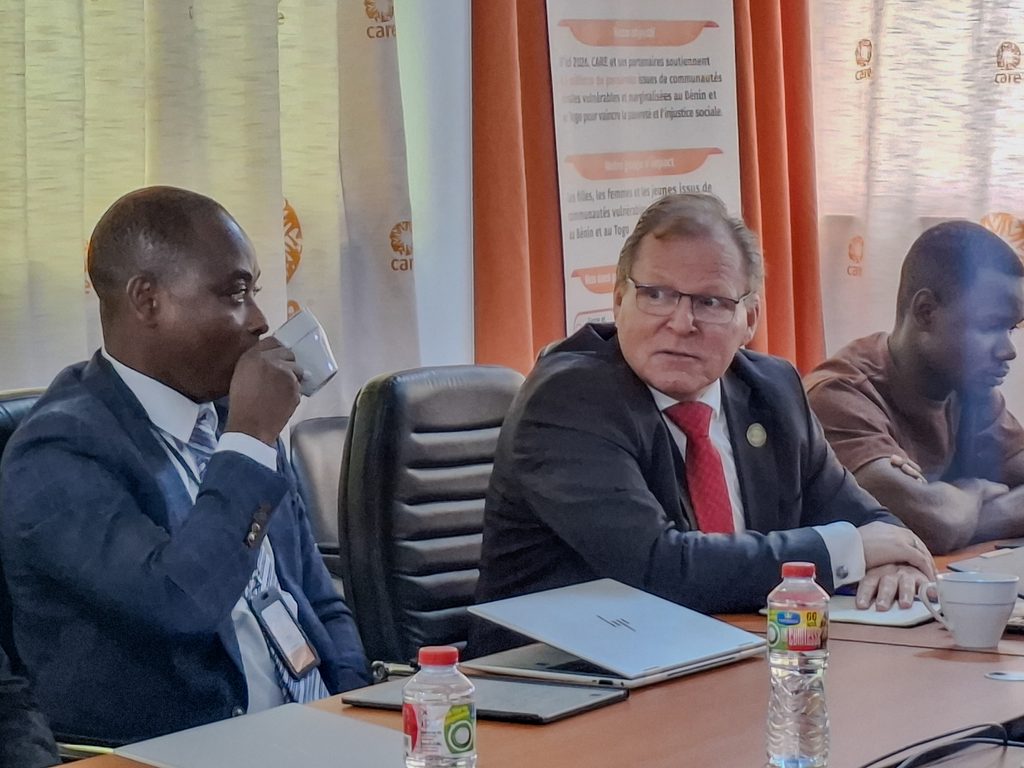
With his participation in the Communal Approach to the Agricultural Market in Benin, Phase 3 (ACMA3) Program Management Committee, van Duijn brought direct meaning to this strategic session. These exchanges provided an opportunity to reflect on the program’s achievements, the innovations to be sustained, and the conditions needed to extend its impact beyond implementation. “The true success of a program is measured by what remains after it closes,” van Duijn remarked. This meeting concluded that anchoring results over time, encouraging local ownership, and building on achievements will lead to lasting results.
Expanding Alliances with Diplomatic Partners
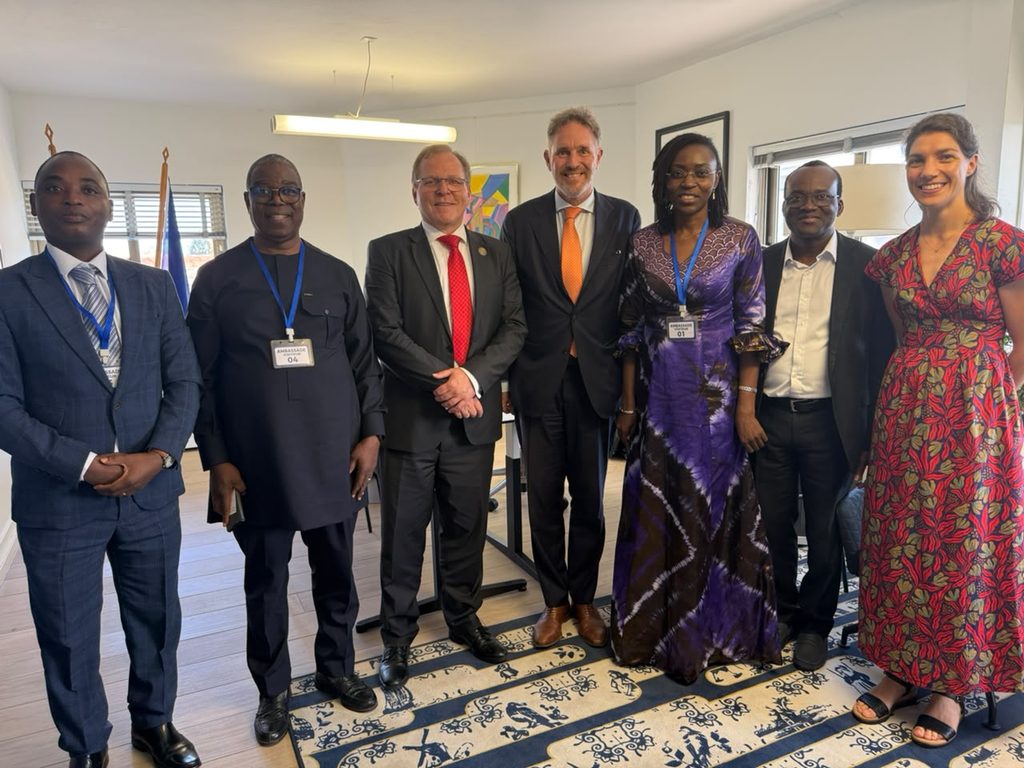
The Benin mission also brought van Duijn to the Embassy of the Kingdom of the Netherlands and the Embassy of Luxembourg. These meetings provided an opportunity to present IFDC’s new global strategy for 2026‑2035, share the results of the institution’s interventions in the region, and explore new avenues for collaboration around climate resilience, sustainable agriculture, food security, private sector development, economic inclusion, and youth employability. In a context marked by the urgent need to strengthen food systems, these exchanges confirmed that impact is built over time and through the convergence of commitments.
A Mission Focused on Sustainable Impact
Agricultural transformation must be built through dialogue, trust, and collective action. By meeting national institution representatives, technical partners, inclusion actors, and representatives of international cooperation, IFDC reaffirmed its commitment to supporting Benin in building more productive, resilient, and inclusive agri-food systems. Through each of the official audiences, this mission reinforced partnerships as they continue to support lasting impact for farmers, rural communities, and the agricultural future of the region.
About ACMA3
The Communal Approach to the Agricultural Market in Benin (ACMA) program, financed by the Embassy of the Netherlands in Benin since 2013, is implemented by the International Fertilizer Development Center (IFDC) in a consortium with CARE International Benin and KIT.