The next fertilizer crisis is inevitable.
Whether it becomes a food crisis depends on what we invest in now.
Contact Us Today
The recent fertilizer crisis has underscored a fundamental truth: Food security depends on the ability to sustain agricultural production. But production is only the starting point. Once food leaves the farm, it must move through markets and across borders to reach consumers.
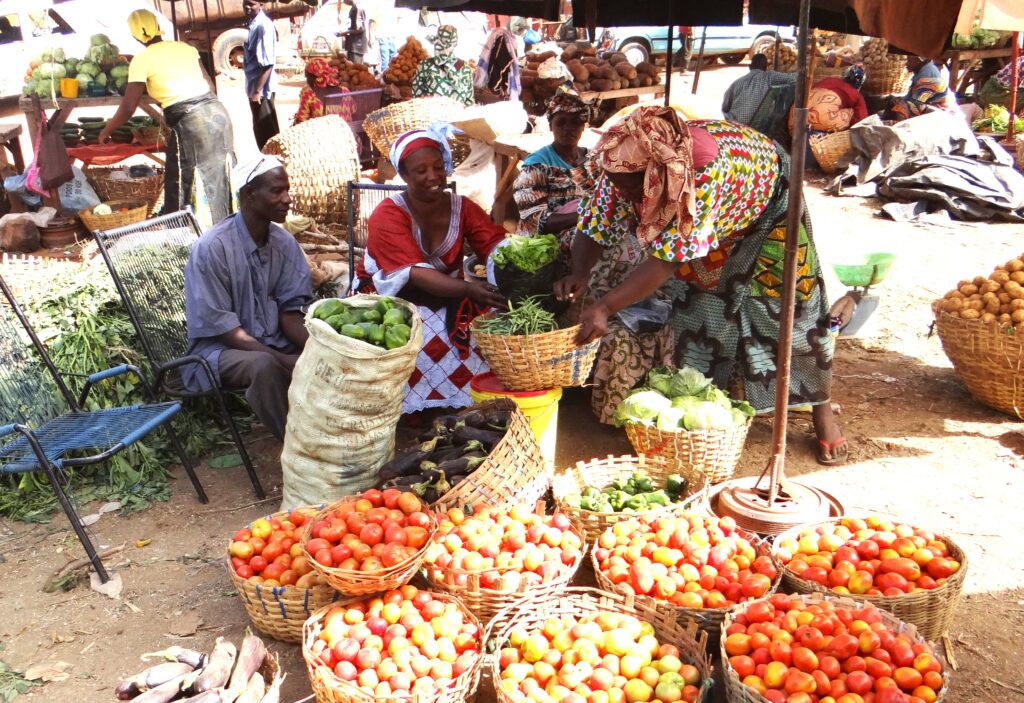
An analysis from the Organisation for Economic Co-operation and Development (OECD) Sahel and West Africa Club (SWAC) shows the importance of regional food flows to West Africa’s food security. Food trade within this region is estimated at around U.S. $10 billion annually, about six times the value captured in official statistics. The analysis also estimates that the region trades around 68 trillion kilocalories of food each year, enough to meet the annual needs of 80 million people.
A Food Trade System Much Larger than the Statistics Suggest
A major finding of the analysis is the scale of food trade that remains invisible in official statistics. The dataset combines recorded and unrecorded flows across 134 food products, providing a more complete picture of how food moves across West Africa.
Unrecorded trade accounts for an estimated 95% of starchy roots, 84% of cereals, 72% of vegetables, 62% of fruits, and 52% of animal proteins. Notably, 97% of maize trade, 96% of millet trade, and 95% of cassava trade goes unrecorded.
Conventional trade statistics therefore significantly underestimate the role of regional markets in feeding West Africa.
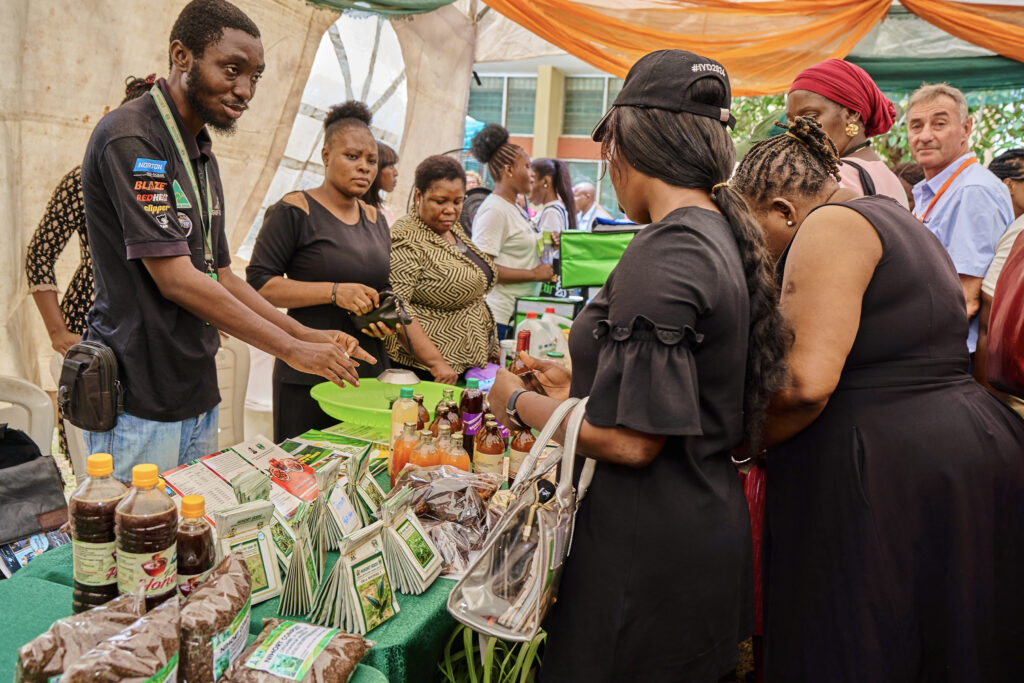
A Different Map of West African Food Trade
Once unrecorded flows are taken into account, the geography of West African food trade also looks different.
Nigeria emerges as the region’s largest food market. Its average annual intra-regional food imports are estimated at U.S. $1.35 billion, nearly two-thirds of the combined imports of the other 14 countries in the analysis. Nigeria also accounts for around 34% of regional food export volume.
The analysis shows that Burkina Faso, Mali, and Niger collectively supply 82% of Nigeria’s West African food imports, while Nigeria’s exports are heavily concentrated in cereal trade with Niger.
Regional trade is also far more interconnected than official statistics suggest. Countries trade food with a median of 12 of 14 regional partners, while around one-third of West African countries serve as the primary food export market for another country within the region.
From Fertilizer Access to Regional Food Availability
The connection to fertilizer security becomes clearer when we look beyond the farm gate.
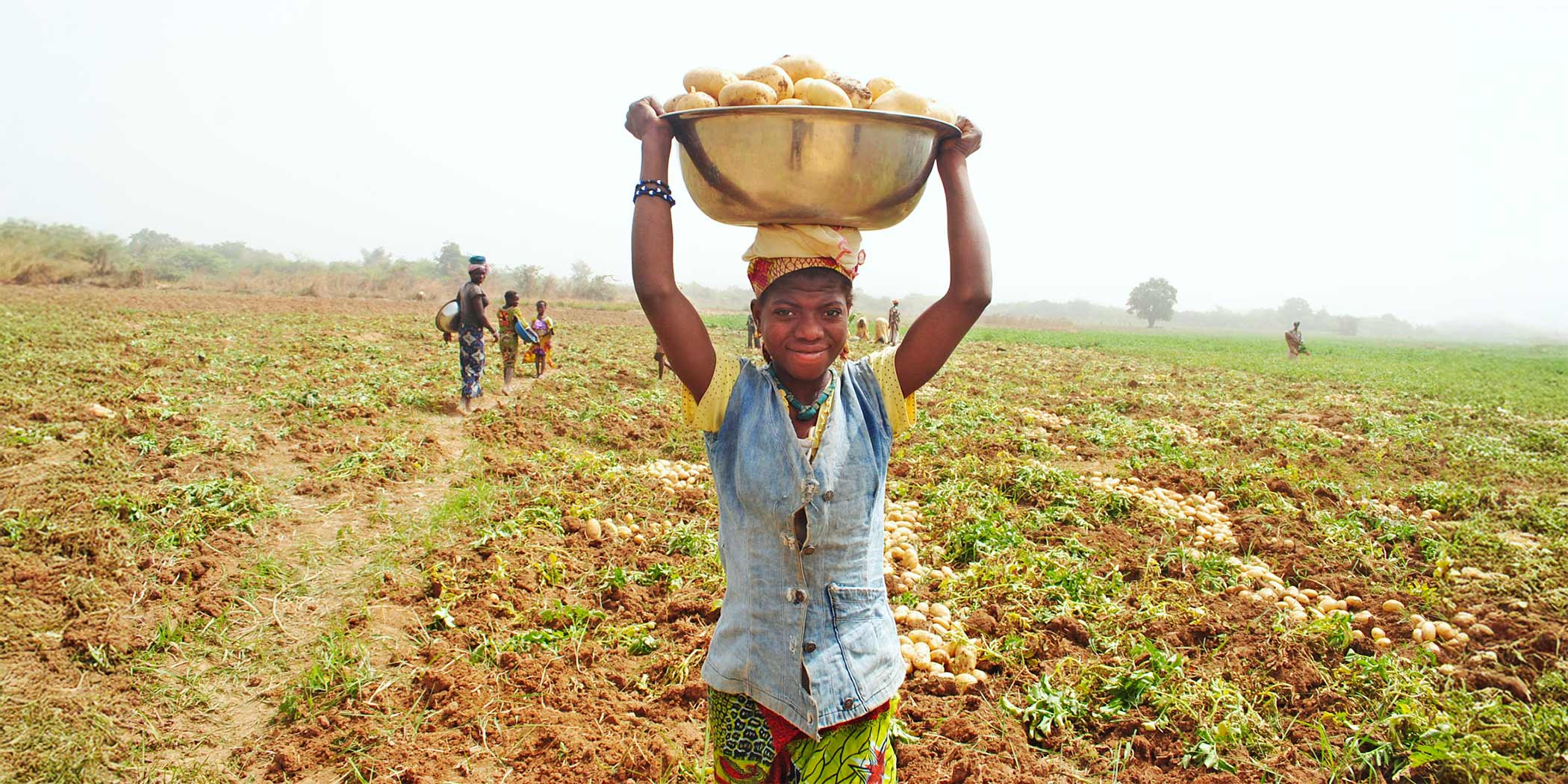
Soil health, balanced plant nutrition, and fertilizer use support higher yields and greater agricultural production, but the value of that additional production depends on whether it can reach markets where the food is needed. Regional trade allows production in one location to respond to demand elsewhere, linking farmers, traders, and consumers across borders.
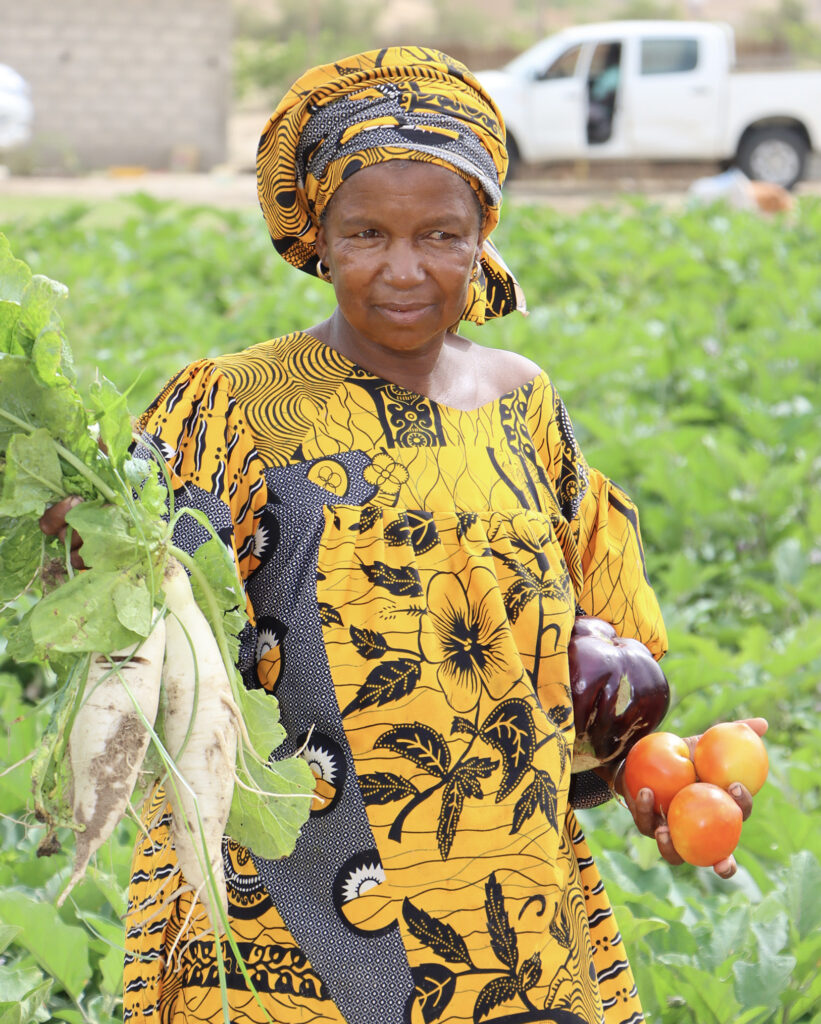
In some cases, this creates direct incentives for production and investment. Maize farmers and traders in Benin and Côte d’Ivoire, for example, have invested in production and trade in response to demand from Niger. Burkina Faso’s tomato industry has similarly expanded in response to demand from Ghana.
Trade also allows countries to complement domestic production with supplies from elsewhere. Ghana, Benin, and Togo import three-quarters, two-thirds, and one-half of their onions, respectively, from Niger.
Regional Trade as a Shock Absorber
Regional markets can also help food systems respond to seasonal fluctuations.
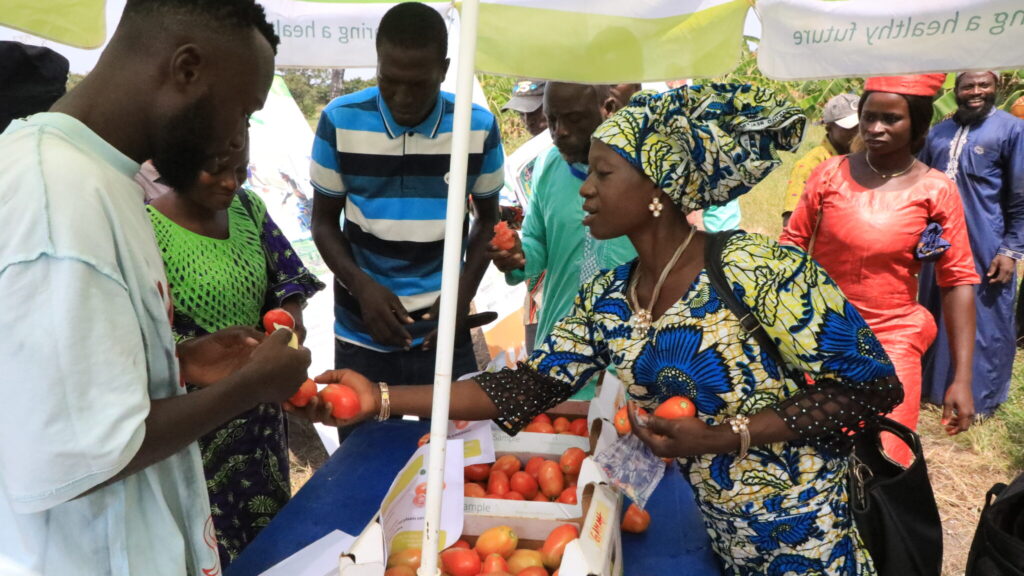
In Ghana, tomatoes in Tamale are sourced almost entirely from domestic production during the peak season. During the lean season, around 90% are imported from Burkina Faso.
Maize follows comparable regional movements. During the Sahelian lean season beginning around June, Benin, Côte d’Ivoire, Ghana, and Togo supply maize northward to Niger. Later in the season, production from Burkina Faso and Mali moves southward and eastward toward Niger.
These shifting flows allow food to move to areas experiencing seasonal shortages and help reduce pressure on local supplies and prices. Regional production variability is less volatile than at the national level.
The Enabling Environment for Food Trade
Based on a survey of more than 3,200 food traders across eight countries, the OECD/SWAC analysis shows that regional food trade is supported by an extensive private sector network. Some 83% of surveyed traders are unregistered.
Traders identify regional demand and price differences between markets as the main motivations for trading across borders. Their priorities for improving the business environment include reducing trade restrictions and taxes, simplifying border procedures, improving access to finance, strengthening security and transport infrastructure, and improving access to market information.
From Production Data to Market Intelligence
For policymakers, the scale of unrecorded trade has another important implication. Decisions based only on official statistics may reflect an incomplete picture of food availability, market dependence, and emerging risks.
Better data on regional food flows can help identify strategic trading partners, anticipate seasonal shortages, understand price movements, and strengthen early-warning systems.
The same principle applies to fertilizer and agricultural market intelligence: Understanding where production is taking place, where inputs are moving, and where food is ultimately traded provides a more complete view of how agricultural systems respond to shocks.
What This Means for Food System Resilience
Maintaining healthy soils and ensuring access to plant nutrients remain essential for agricultural resilience, but resilience also depends on the systems that connect production to markets, including infrastructure, finance, information, and trade networks.
Policy Priorities
The evidence from the OECD/SWAC analysis points to several priorities for policymakers and development partners:
- Recognize intra-regional food trade as a core component of food security and agricultural transformation, including its role in offering countries access to a wider food base.
- Move beyond a narrow focus on border facilitation toward trade promotion and market integration, including better transport, logistics, storage, and market infrastructure.
- Address the constraints facing food traders, particularly access to finance, insecurity, infrastructure, and market information.
- Strengthen regional food-trade data systems so policymakers can better understand production, trade flows, prices, and emerging risks.
- Use market intelligence in agricultural and food security decision-making, including early warning and crisis response. Better information on food availability and movement can help governments respond before local disruptions become wider food security problems.
Beyond the Farm Gate
For the fertilizer sector, the findings from the OECD/SWAC analysis reinforce a central lesson from the crisis response period: Securing fertilizer is necessary, but its contribution to food security depends on what happens beyond the farm gate.
While this evidence originates in West Africa, the lessons are broader. In many parts of the world where informal and unrecorded trade is significant, official statistics may underestimate the contribution of regional markets to food security. Resilient food systems must ensure that food can move efficiently from producers to consumers.
Disclaimer
This article is based on information available from publicly available sources. While every effort has been made to verify the accuracy of the information, the authors and publishers accept no liability for any loss, damage, or disruption caused by errors, omissions, or the use of this information.
Sources