The next fertilizer crisis is inevitable.
Whether it becomes a food crisis depends on what we invest in now.
Contact Us Today
Even when fertilizer is available internationally, countries need foreign exchange and fiscal space to import it. Importers need trade finance, suppliers need credit protection, agro-dealers need working capital, and ultimately, farmers need affordable fertilizer at the right time in the cropping season.
A fertilizer crisis, therefore, is also a financing crisis.
A financing response has two jobs: absorb today’s disruption while building stronger systems for tomorrow.
Financing Is Becoming Available
The World Bank Group mobilized a record U.S. $112 billion in private capital for developing economies in fiscal year (FY) 2026, more than three times the U.S. $35 billion mobilized in FY 2022. Combined with its own financing, total financing and mobilization exceeded U.S. $200 billion. It also issued more than U.S. $25 billion in guarantees, expanding its capacity to bring private capital alongside development financing. Although these figures cover multiple sectors, they illustrate the broader financing and risk sharing architecture available to developing economies.
For Africa, the African Development Bank (AfDB) Group has implemented a major new financing framework addressing the current shock. Its Global Energy and Fertilizer Crisis Response Framework, approved on September 1, provides up to U.S. $5.1 billion through an additional U.S. $4.1 billion in AfDB lending and up to U.S. $960 million from the African Development Fund.
The additional resources will increase the Bank’s 2026 lending target to approximately U.S. $12.7 billion. The framework is temporary, demand driven, and designed to provide timely support to countries affected by the crisis while strengthening resilience to future shocks.
This financing is primarily directed to countries rather than paid directly to farmers. Its four areas of action cover macroeconomic stability; securing food, energy, and fertilizer supplies; protecting essential spending and vulnerable households; and sustaining reforms that reduce exposure to future shocks.
Turning Financing into Fertilizer Access
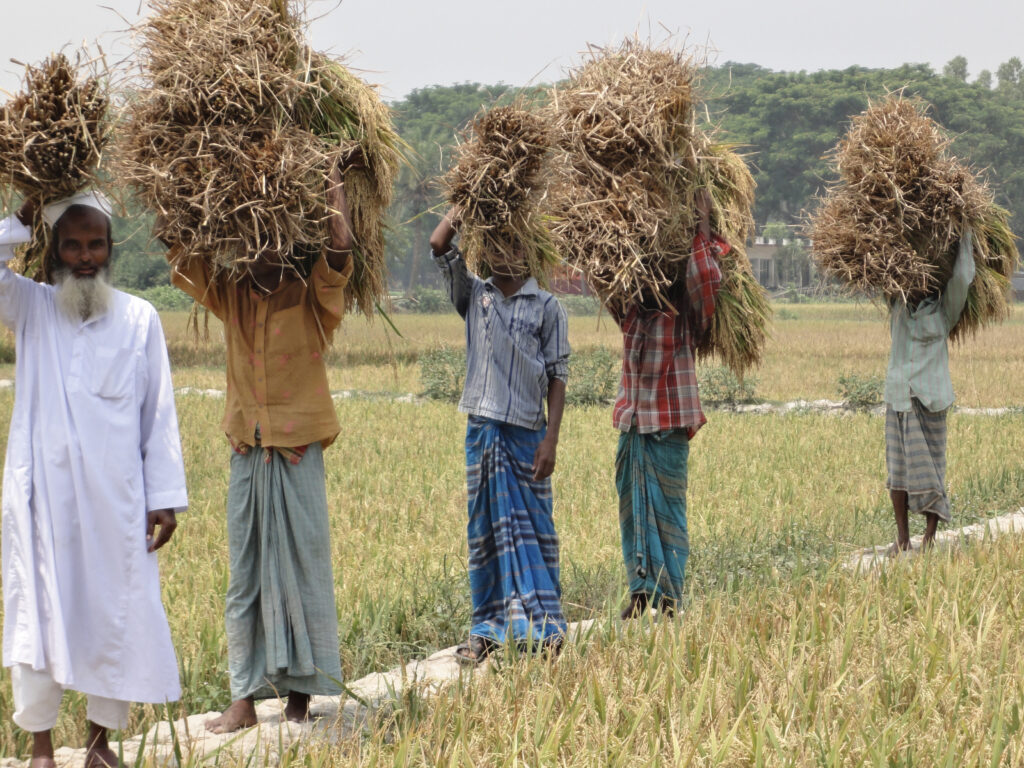
Bangladesh, which imports more than 85% of its required fertilizers, provides a useful example for what should happen after such financing is mobilized.
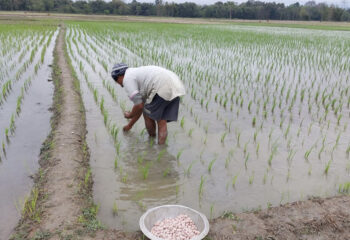
In June, the World Bank approved U.S. $1.1 billion in emergency support, including a U.S. $300 million Emergency Support for Food Security project to finance 600,000 metric tons of fertilizer, half of it urea, covering about 1.4 million hectares of rice production cultivated by smallholder farmers. The fertilizer imports are scheduled for the July-October 2026 Aman season and October 2026-April 2027 Boro season.
In this example, financing is linked to a specific supply need, a defined delivery window, and measurable quantities of fertilizer.
The Philippines offers another example. In September, the Asian Development Bank (ADB) approved U.S. $1.5 billion to help the country respond to the economic effects of the Middle East conflict. The Philippines depends heavily on imported fertilizer, and the package includes fuel and fertilizer subsidies alongside support for vulnerable households and essential services.
Finance Cannot Stop at the Port
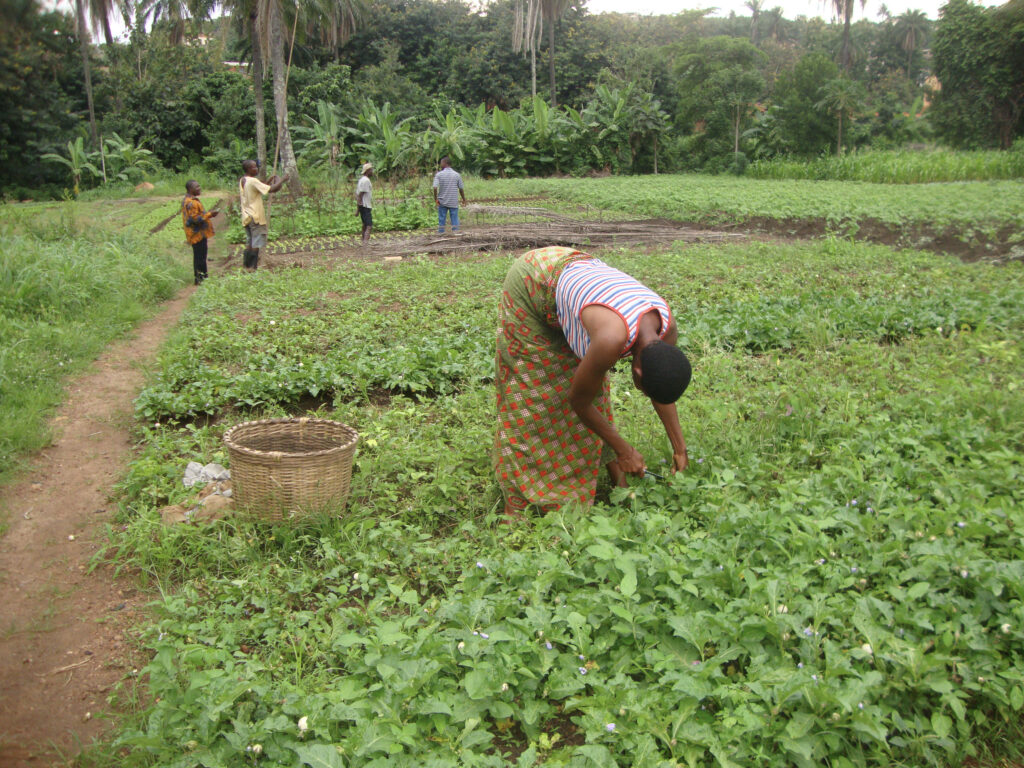
Importing fertilizers to countries that need it is only part of the financing challenge.
Financing must also reach the businesses, agro-dealers, and distribution networks that move fertilizer to farmers. Guarantees, trade credit, and working capital can help unlock larger flows through existing private sector networks.
The Trade Credit Guarantee Project, a completed project in Tanzania supported by the Africa Fertilizer Financing Mechanism (AFFM), provides a practical example. Between 2019 and 2022, a partial credit guarantee of U.S. $2.4 million was leveraged more than 15 times, enabling fertilizer sales on credit worth U.S. $30.9 million. The project facilitated access to 63,320 metric tons of fertilizer for 570,293 smallholder farmers through 966 retail agro-dealers.
Building Systems that Keep Inputs and Food Moving
Moving toward this more specialized approach, six multilateral development banks and international financial institutions have issued a new joint statement. In it, the AfDB Group, ADB, European Bank for Reconstruction and Development (EBRD), Inter-American Development Bank (IDB) Group, International Fund for Agricultural Development (IFAD) and World Bank Group call for greater investment across fertilizer supply chains, including production, processing, blending, storage, transportation, and other critical infrastructure.
The statement also calls for better soil diagnostics, fertilizer recommendations, precision nutrient management, digital agriculture, farmer advisory services, research, innovation, and market monitoring.
This broader investment matters because resilience is not only about producing more. Farmers need functioning systems to move, store, process, and market what they produce. Without those links, food can become scarce and expensive months after harvest, when storage, processing, and transport are inadequate.
Financing these links helps preserve the value of production and keeps food moving from the farm to the market.
From Financing to Production
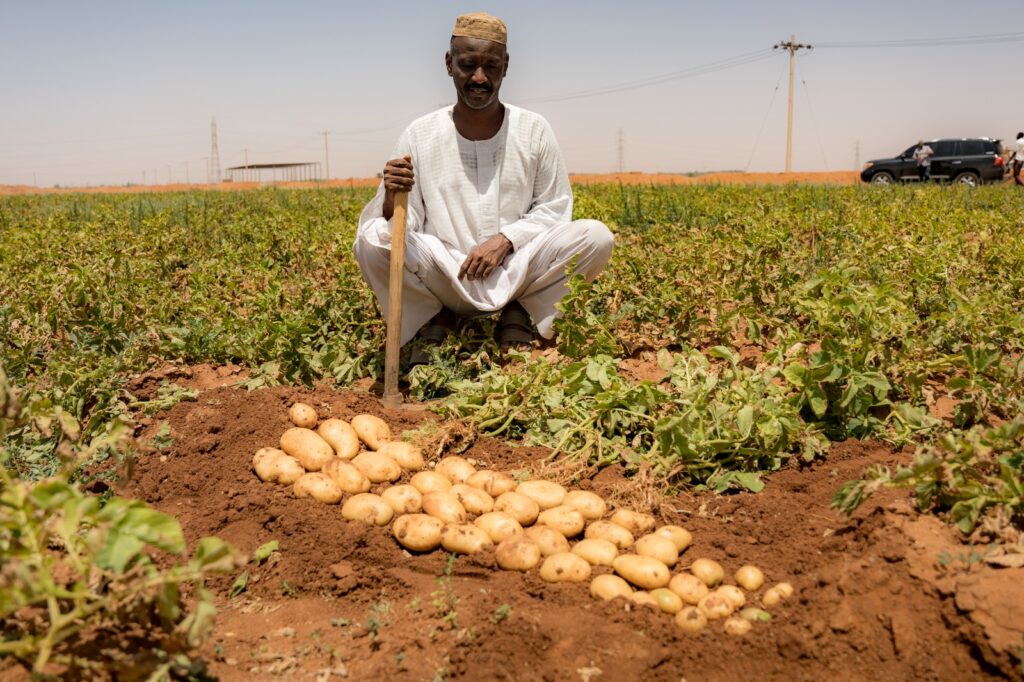
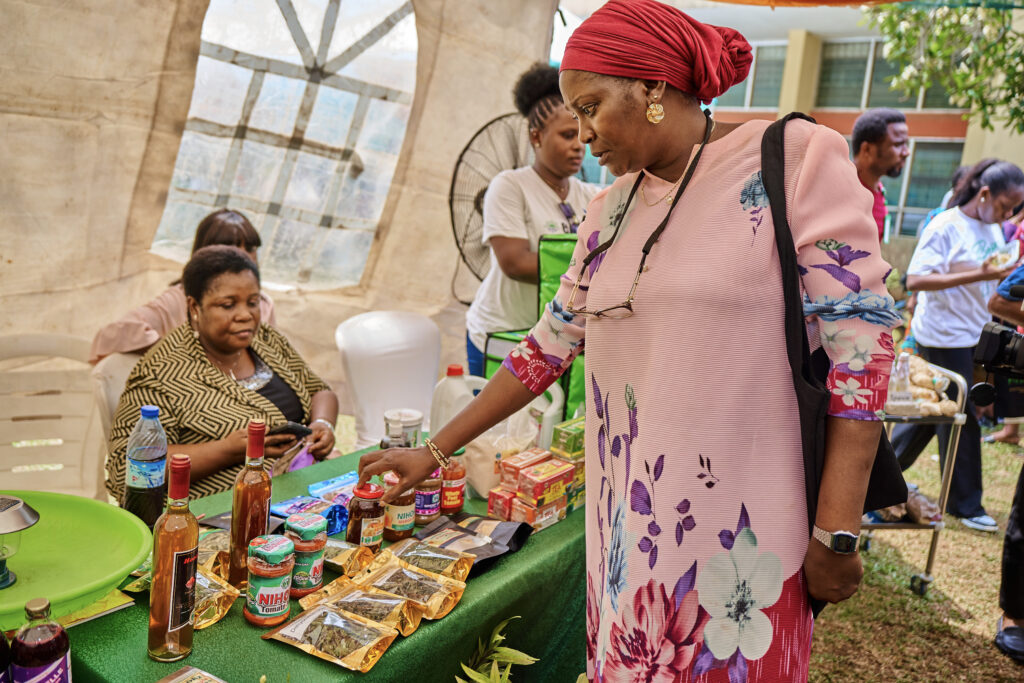
Sustain Sudan shows what this approach to financing can look like, even in the midst of crisis.
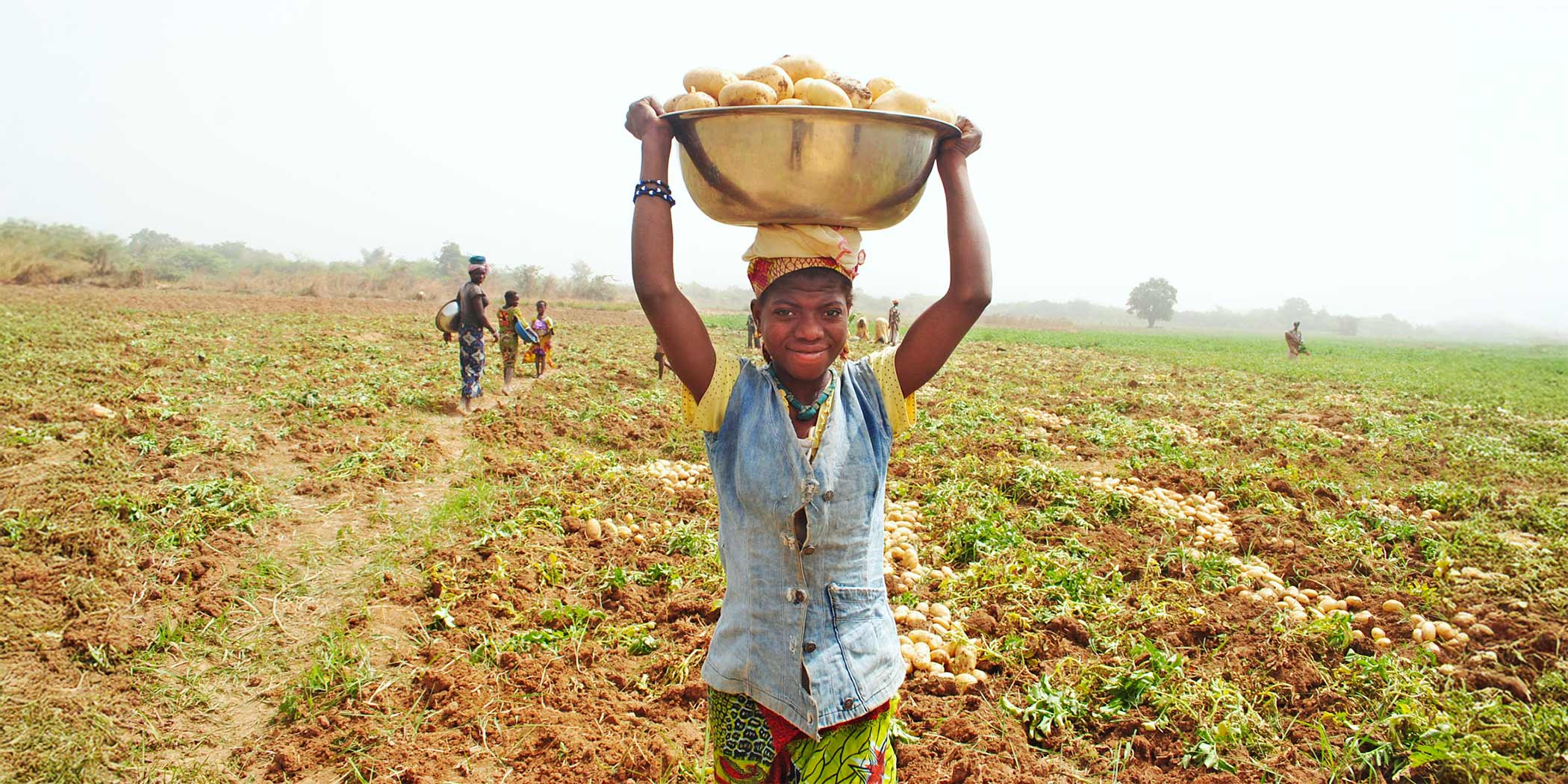
In its first year, the initiative facilitated the importation of 48,500 metric tons of fertilizer and 5,200 metric tons of certified seed potato, reaching an estimated 101,634 farmers across 11 states and supporting input application across 214,158 hectares. Farmers are estimated to have harvested 259,200 metric tons of potatoes and 500,151 metric tons of wheat.
Mobilizing such volumes of inputs is undoubtedly significant; but just as importantly, Sustain Sudan is connecting international suppliers, Sudanese agro-dealers, and financial institutions so that farmers can access these critical inputs despite a challenging operating environment.
These results show how financing can move from commitment to implementation: restoring supplier confidence, supporting local agro-dealers, delivering inputs to farmers, and sustaining food production during a crisis.
Is the Money Working?
Financing architecture is taking shape in this fertilizer crisis.
The next phase requires stronger tracking of how financing moves through fertilizer and food systems, from country-level commitments and critical infrastructure to suppliers, agro-dealers, farmers, and measurable production outcomes including:
- Delivery: How much financing is approved, committed, and disbursed, and is it reaching countries, infrastructure projects, and supply chain actors within the required procurement and planting windows?
- Reach: How many importers, suppliers, financial institutions, agro-dealers, cooperatives, and farmers are receiving financing or other support?
- Market and System Effect: Is financing improving fertilizer availability, affordability, and delivery time while strengthening production, blending, storage, processing, transport, and market information?
- Development Effect: What is happening to area planted, yields, food production, post-harvest losses, farmer incomes, soil health, and fertilizer use efficiency?
The decisive test will be whether countries can convert the committed financing into timely, affordable, and measurable support that protects farmers during the current crisis while strengthening the food systems on which they depend.
Disclaimer
This article is based on information from publicly available sources and market intelligence. While every effort has been made to verify the accuracy of the information, the authors and publishers accept no liability for any loss, damage, or disruption caused by errors, omissions, or the use of this information.
Sources