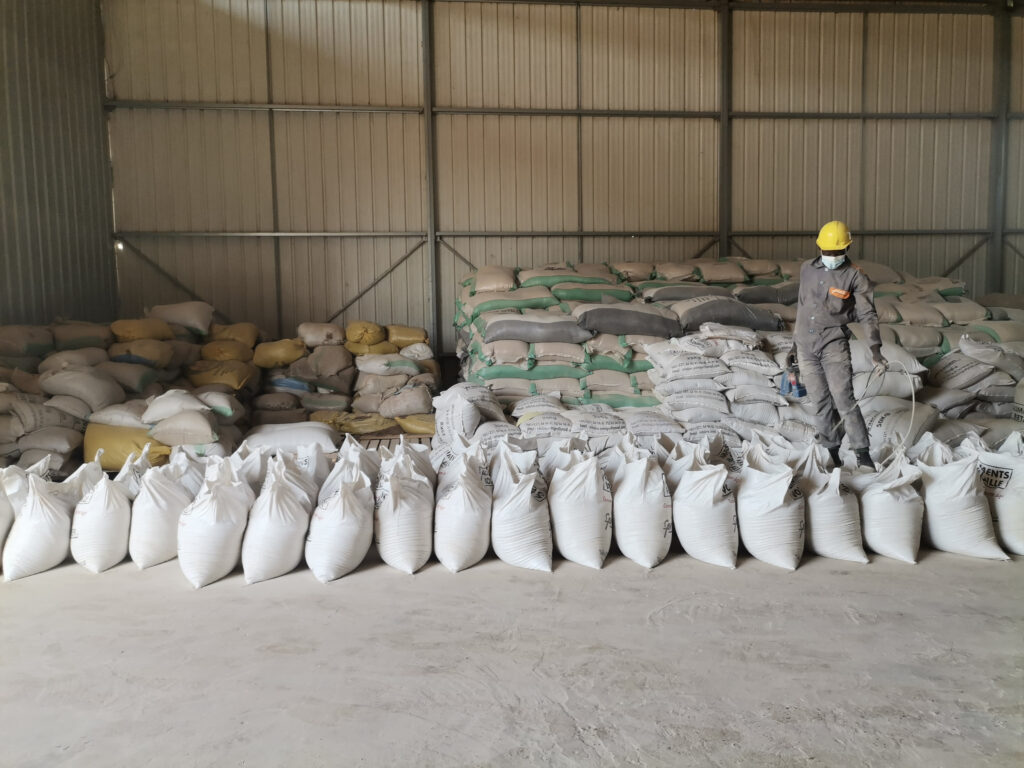
The next fertilizer crisis is inevitable.
Whether it becomes a food crisis depends on what we invest in now.
Contact Us Today
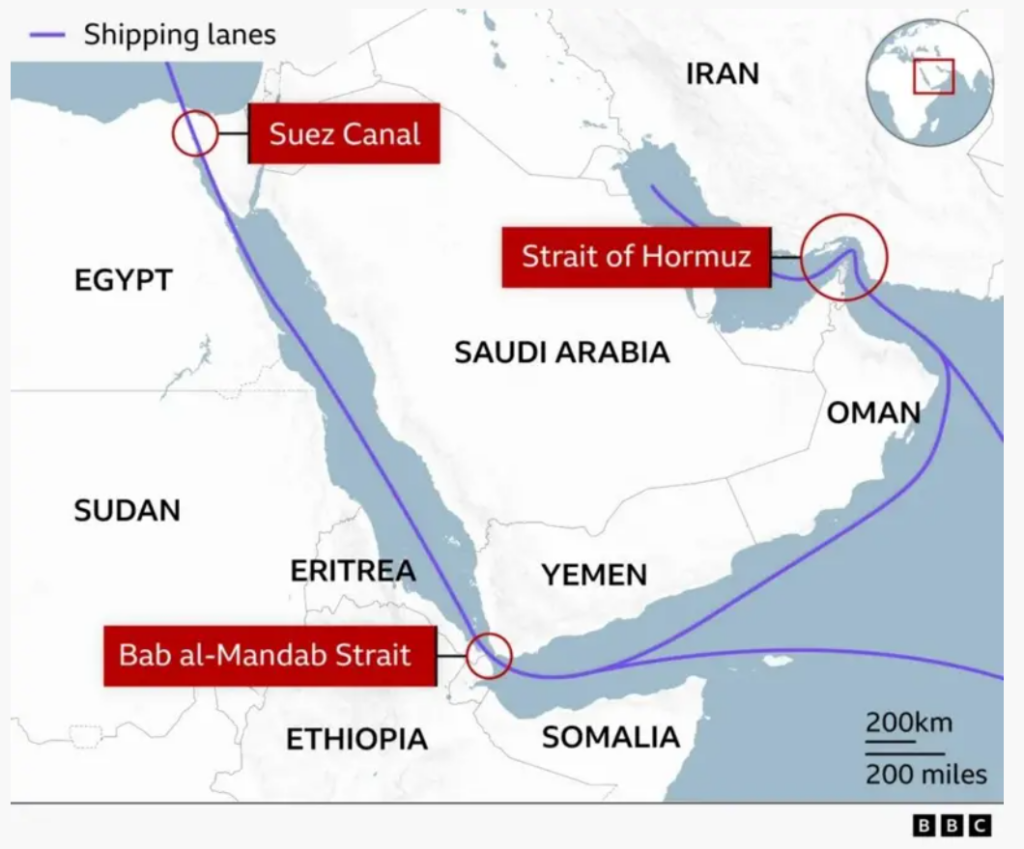
The story of this year’s agricultural input crisis keeps circling back to one waterway: the Strait of Hormuz.
The Strait of Hormuz Trade Tracker, a dashboard developed by the World Trade Organization (WTO) and AXSMarine, shows fertilizer-related outbound shipments through the strait remain effectively at a standstill.
Now a second chokepoint has entered the narrative. On September 14, Houthi forces announced the capture of Greater and Lesser Hanish Islands in the southern Red Sea, strengthening their position around the Bab al-Mandeb Strait, a major maritime route linking the Red Sea and the Gulf of Aden. The move followed the capture of the Port of Mokha and Perim Island. With the Strait of Hormuz already experiencing a severe disruption, pressure around the alternate Red Sea route adds another layer of uncertainty to global trade and logistics.
Then there is El Niño. The International Research Institute for Climate and Society reported on September 21 that El Niño is intensifying, with all 22 forecast models indicating that the climate event will strengthen further through winter 2026/27. The World Food Program (WFP) estimates that this El Niño could push an additional 49 million people into acute food insecurity by the end of 2027.
The Silent Shift Took Place at the Farm Level
The immediate impact of the disruption in the Strait of Hormuz was not uniform. According to an Agricultural Market Information System (AMIS) survey of member countries, the crisis initially produced more of a price shock than a physical supply shock. Most respondents reported that farmers who had secured fertilizer in advance had sufficient supplies. However, farmers who had delayed purchases in anticipation of lower prices were contending with higher costs.
The same survey found that higher fertilizer prices were already spurring changes in nutrient management. Producers reported efforts to improve fertilizer efficiency through soil testing, more precise application, and greater use of organic nutrient sources. In some cases, farmers prioritized nitrogen while reducing phosphate and potash applications. AMIS noted that sustained reductions in nutrient use could eventually affect soil fertility and production potential.
Evidence from Africa pointed in the same direction. The African Plant Nutrition Institute (APNI) highlighted findings from a 2026 comparative study covering Ghana, Kenya, and Morocco. Fertilizer affordability was identified as the most immediate constraint. Farmers reported cutting the quantities applied, delaying purchases, and adjusting production decisions. In some cases, farmers reduced the area cultivated or shifted to crops requiring fewer inputs.
This is where the timing matters. The repercussions of an input shock do not necessarily appear when prices rise. They may appear months later, after farmers have planted with less nutrient inputs, reduced application rates, changed crops, or postponed purchases.
The Market Is Still Moving in Different Directions
The Food and Agriculture Organization of the United Nations (FAO) Food Outlook documented a 20-25% decline in global fertilizer trade volumes between January and April 2026 compared with the same period in 2025 and warned that fertilizer market conditions remain highly sensitive to developments affecting transit through the Strait of Hormuz. FAO also estimated that the global food import bill reached a record U.S. $2.22 trillion in 2025, up 7.9% from the previous year.
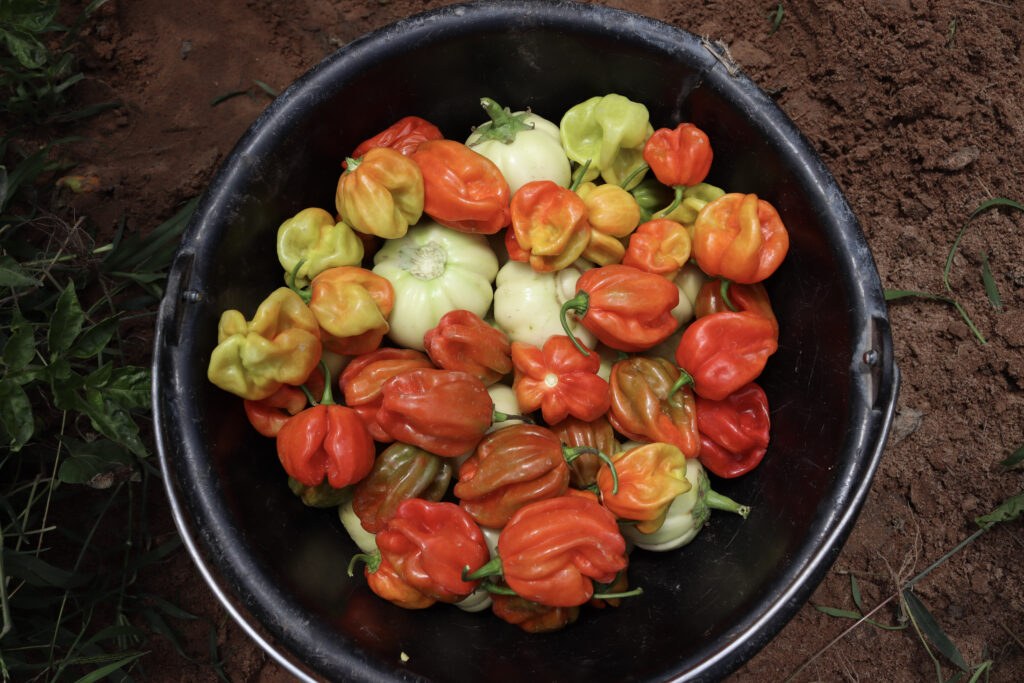
Food prices have also shown renewed pressure. The FAO Food Price Index averaged 133.3 points in August, up 1.9% from July and 2.5% from a year earlier. The cereal index rose 2.2%, while maize prices increased 2.5%, partly reflecting concerns over the agricultural input transport disruptions associated with the Strait of Hormuz.
Similarly, fertilizer markets have been moving in both directions. The International Food Policy Research Institute (IFPRI) reported on September 18 that nitrogen markets had begun returning toward pre-war levels, with urea and ammonia prices falling from earlier peaks, while phosphate supplies remained tight and costly. Global nitrogen and phosphate fertilizer exports were down by about 9%, although suppliers outside the Gulf were making up part of the shortfall. Sulfur had emerged as another major bottleneck, with prices more than doubling since the beginning of the year.
What the Fertilizer Market Is Telling Us
Currently, Middle East granular urea is around U.S. $470-480 per metric ton (mt) free on board (FOB), North African urea is around U.S. $518-550/mt FOB, and Nigerian urea is around U.S. $492/mt FOB. Indian diammonium phosphate (DAP) is around U.S. $895-915/mt cost and freight (CFR), with January to July imports approximately 23% below the same period in 2025.
The potash market is softer. Indicative Brazil muriate of potash (MOP) prices stand at U.S. $350-360/mt CFR, and the same is true for Southeast Asian MOP prices. Comfortable inventories and subdued demand are putting pressure on the market.
The market is therefore sending different signals. Some nutrients remain expensive because supply and logistics are constrained, while other markets have softened as buyers delayed purchases or reduced demand.
United Nations General Assembly: Food Security under Pressure
At the 81st United Nations General Assembly (UNGA) and the 2026 Climate Week NYC, IFDC, the International Maize and Wheat Improvement Center (CIMMYT), and other international partners have been discussing pivotal issues, such as food security, soil health, fertilizer access, and resilience. At a September 20 UNGA side event supported by IFDC and CIMMYT, governments, private sector leaders, United Nations agencies, and research organizations discussed practical responses to food system shocks, geopolitical risks, and weather extremes, with a particular focus on El Niño.
The wider UNGA agenda reflects the scale of the challenge. WFP reported that 266 million people are facing acute hunger, while 2.69 billion people cannot afford a healthy diet. FAO will also be included in the 2nd Ministerial Meeting of the Rome Coalition on fertilizer access and food security at the UNGA on September 24.
These discussions come at a critical point. The fertilizer crisis is no longer only a question of commodity prices or shipping routes. It is increasingly a question of how food systems can maintain production when geopolitical disruptions, climate shocks, and high input costs occur simultaneously.
The Next Harvest Will Tell the Story
The immediate global outlook is not a universal food shortage. FAO continues to forecast historically high cereal production, supported by substantial global stocks. Its latest outlook puts global cereal production for 2026 at close to 2.98 billion mt, the second largest harvest on record.
But global buffers do not eliminate the risks facing individual farmers and import-dependent countries.
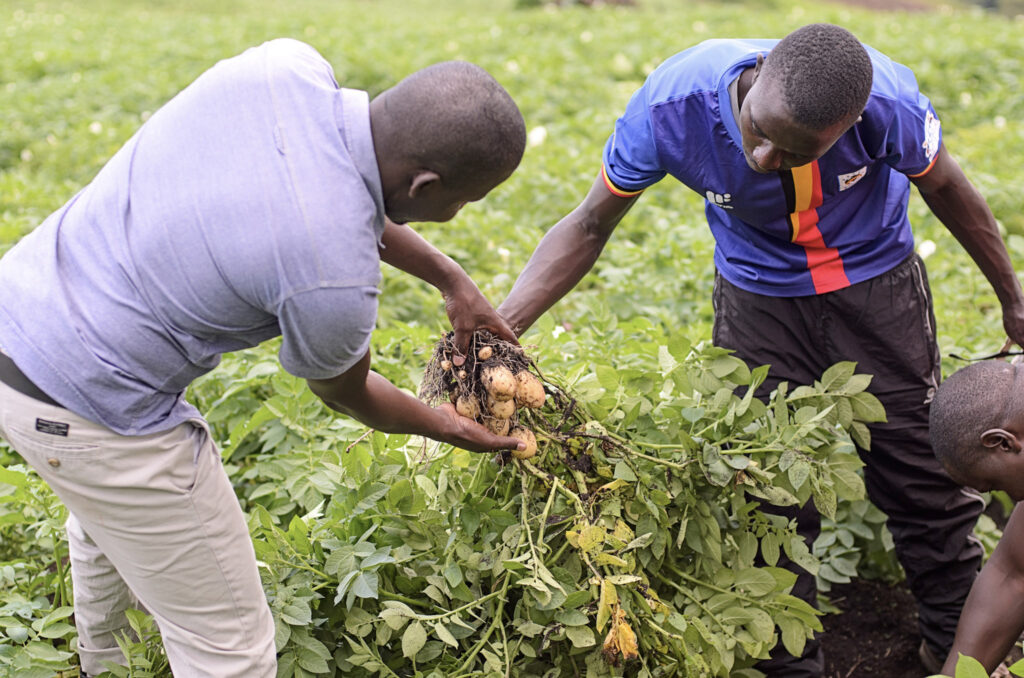
The more important signals may be found at farm level.
For policymakers, the task is to make decisions that protect farmers from shocks that are beyond their control. Farmers have already been choosing what to buy, how much to apply, what to plant, and what to leave out. Those decisions will shape production months before the next harvest is measured.
Building resilience will require turning existing evidence and policy options into action: diversifying fertilizer supply, strengthening market intelligence, improving nutrient use efficiency, protecting soil health, and ensuring farmers can access the nutrients they need when they need them.
Policy briefs, market analyses, and technical guidance already constitute a growing body of evidence for these actions. The priority now is to translate that knowledge into practical measures that can help farmers maintain productivity and soil fertility while navigating increasingly volatile input markets.
The decisions made now will determine what the next harvest looks like.
Disclaimer
This article is based on information from publicly available sources and market intelligence. While every effort has been made to verify the accuracy of the information, the authors and publishers accept no liability for any loss, damage, or disruption caused by errors, omissions, or the use of this information.
Sources