The next fertilizer crisis is inevitable.
Whether it becomes a food crisis depends on what we invest in now.
Southern Africa
Southern Africa is largely in the post-harvest phase following September-October planting, with only minor seasons beginning in Malawi, Mozambique, South Africa, and Zimbabwe. This situation provides a short-term fertilizer supply buffer but the next procurement cycle for the September 2026 planting season may face a structurally tighter supply environment.
In Zambia, according to the Indaba Agricultural Policy Research Institute (IAPRI), rising import and logistics costs continue to threaten fertilizer availability and affordability for the 2026/27 season, with potential impacts on yields, food security, and regional competitiveness.1
However, the government maintains that the Middle East conflict has not disrupted national supply, citing recent investments in domestic production.2 Notably, the launch of urea production by United Capital Limited marks progress toward nitrogen self-sufficiency and strengthens regional supply prospects.
Malawi’s response is anchored in its 2026/27 national budget, which prioritizes agriculture and maintains support for subsidized fertilizer distribution under the Affordable Inputs Programme (AIP). In addition, the government is expanding investments in irrigation, seed systems, and strategic grain reserves, reflecting a shift toward strengthening food system resilience alongside input support.3 4
West Africa
Ghana’s response to the fertilizer crisis centers on a shift to fully subsidized (free) fertilizer distribution in 2026,5 driven mainly by domestic pressures following a major food surplus in late 2025 that caused financial losses for farmers.6 While intended to sustain production and support affected farmers, implementation details remain unclear as the planting season begins.
At the same time, Ghana’s continued reliance on imported fertilizers raises concerns about supply security amid global market disruptions, meaning the success of the policy will depend on how quickly distribution systems are clarified and aligned with available stocks.
Senegal’s response to the fertilizer crisis focuses on strengthening domestic production and improving stock visibility, in line with regional guidance from Agriculture Ministers of the Economic Community of West African States (ECOWAS) to assess availability and anticipate supply gaps. The government has actively verified input stocks, notably through engagement with Industries Chimiques du Sénégal (Indorama-ICS), confirming significant volumes of nitrogen, phosphorus, and potassium (NPK), diammonium phosphate (DAP), and urea in stock or transit, complemented by private sector and organic fertilizer production, positioning the country to meet seasonal demand.
Moreover, Senegal is promoting soil health through investments in organic inputs, lime, and phosphate, while expanding production capacity to become a regional fertilizer hub. An early rollout of distribution further reinforces confidence in farmers’ access to inputs despite global market uncertainties.7
Liberia is pursuing a more systemic and preventive approach focused on strengthening food system resilience rather than direct fertilizer market interventions. Through the launch of the World Bank-supported Preparedness Plan for Food and Nutrition Security Crises, the country is enhancing early warning systems, coordination mechanisms, and crisis response capacity within the agriculture sector.8 This approach reflects a broader shift toward institutional readiness and anticipatory governance of food security risks, complementing longer-term efforts to improve domestic production and reduce vulnerability to external shocks.
In Burkina Faso, Mali, and Niger, the Soil Values program has adopted a more coordinated, country-level approach by convening national meetings that brought together government institutions and fertilizer sector stakeholders. These engagements served to assess supply and demand conditions, identify emerging risks, and help define practical response measures tailored to each country context.
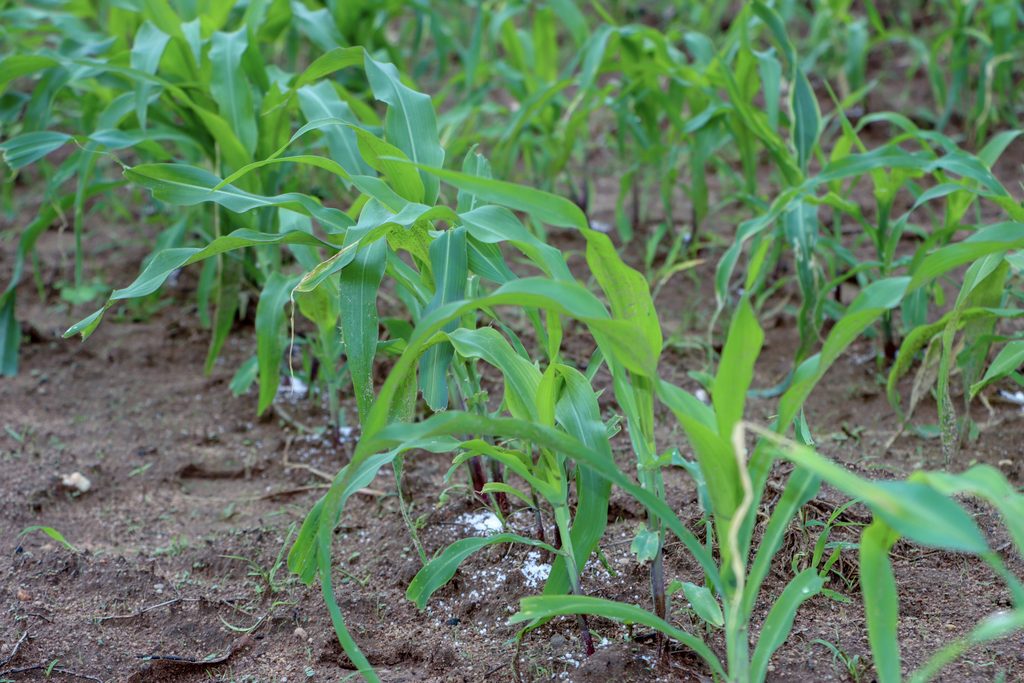
Burkina Faso has recommended a coordinated strategy for 2026-2030 to strengthen the fertilizer sector by boosting local production capacity; improving regulation, storage, and bulk procurement systems; and mobilizing financial resources through stronger institutional support and market incentives. The strategy emphasizes sustainable and efficient fertilizer use through the promotion of organic and organo-mineral inputs, microdosing techniques, locally adapted formulations, and improved soil diagnostics.
The government is also calling for the establishment of a reliable information and monitoring system on fertilizer markets, the creation of a multi-stakeholder coordination framework to manage supply risks, and stronger linkages between subsidies and sustainable agricultural practices.9
Mali has reviewed available fertilizer supplies and assessed national demand for the 2026/27 agricultural season through a multi-stakeholder consultation convened by the Soil Values program. Based on these discussions, a set of mitigation measures was adopted, including targeted fertilizer subsidies for vulnerable smallholder farmers, improved coordination of procurement and distribution, and strengthened private sector participation.
Additional measures include optimizing fertilizer use through extension services and promoting complementary soil fertility solutions to sustain productivity.10
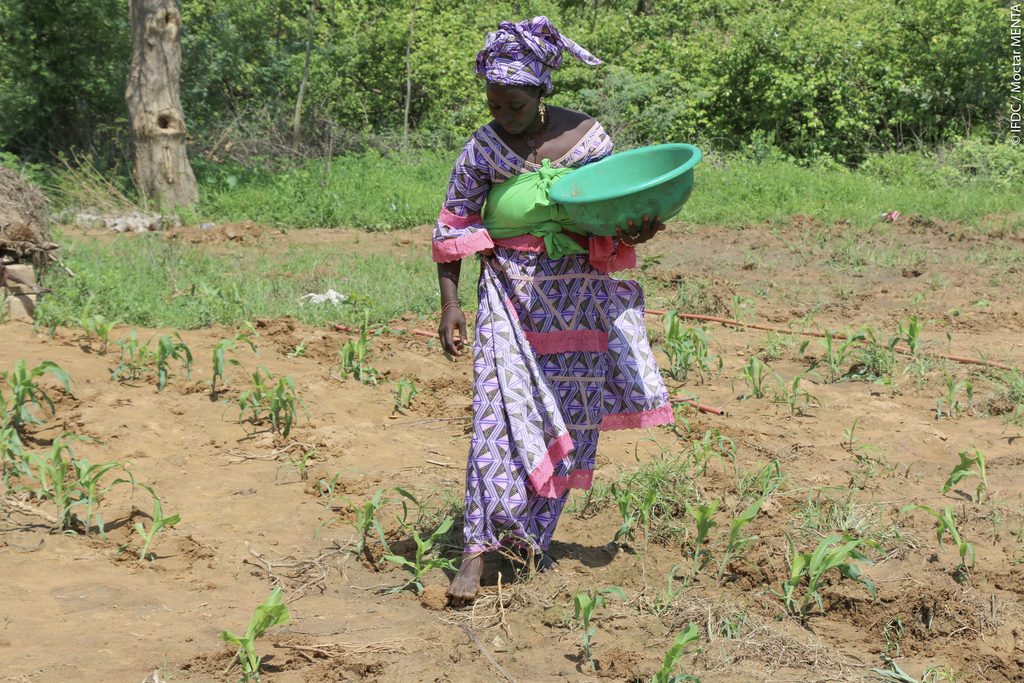
Niger remains heavily dependent on imported mineral fertilizers, largely sourced through Persian Gulf-linked trade routes, making it vulnerable to geopolitical disruptions and rising global prices, particularly amid tensions in the Middle East.
In response, the government has adopted measures to diversify supply sources, build strategic fertilizer stocks, and introduce targeted subsidies to improve farmer access. The current subsidy program covers about 38,500 metric tons (mt), including 15,000 mt from the West Africa Food System Resilience Program (FSRP), 20,000 mt in donations from Russia, and a procurement of 3,500 mt by the Central Supply of Inputs and Agricultural Materials (CAIMA).
Fertilizer is initially sold to beneficiaries at a subsidized price of 10,000 CFA francs (U.S. $17.88) per 50-kilogram bag, with a proposed adjustment to 16,000 CFA francs (U.S. $28.61) for remaining stocks under discussion following a national workshop in Niamey in April. The government is also promoting farmer training on organic fertilizers such as compost and bokashi to encourage more sustainable soil management and reduce dependence on imported chemical inputs.11
Across Africa, policy responses increasingly reflect a dual focus: short-term stabilization of fertilizer access and longer term efforts to strengthen domestic production, improve supply chain resilience, and promote more sustainable soil management practices. However, implementation gaps, financing constraints, and continued exposure to global market shocks remain key challenges shaping the effectiveness of these measures.
Disclaimer
This analysis is based on information compiled from multiple publicly available sources and market intelligence. While every effort has been made to verify the accuracy of the information, the authors and publishers accept no liability for any loss, damage, or disruption caused by errors, omissions, or the use of this information.
Sources:
- 2026 Middle East Conflict: Fertilizer and Oil Price Effects and Policy Lessons for Zambia ↩︎
- Zambian VP says fertilizer supply unaffected by Middle East conflict as self-sufficiency improves ↩︎
- Malawi Approves 2026/27 Budget of $6.8 Billion, Agriculture Gets Largest Share ↩︎
- Malawi Government: The 2026-27 Budget Policy Statement ↩︎
- Ghana announces free fertiliser policy for farmers ↩︎
- Food Glut in Ghana: Agric Minister to Discuss Solutions with ECOWAS ↩︎
- 2026 Agricultural Campaign: Senegal Secures its Inputs ↩︎
- World Bank Commends Liberia on Launch of Landmark Food Security Preparedness Plan ↩︎
- Burkina Faso: Soil Values national workshop with fertilizer value chain stakeholders ↩︎
- Mali: Soil Values national workshop with fertilizer value chain stakeholders ↩︎
- Niger: Soil Values national workshop with fertilizer value chain stakeholders ↩︎