![Farmers in Kenya spread organic fertilizer, developed by MIT spinout Safi Organics, to help improve the yield of their farmlands. [Safi Organics]](https://ifdc.org/wp-content/uploads/2026/08/MIT-Safi-Organics-01-press_0.jpg)
The next fertilizer crisis is inevitable.
Whether it becomes a food crisis depends on what we invest in now.
Contact Us Today
A recent United Nations (UN) assessment offers encouraging news: after several years of deterioration, global hunger has begun to decline. However, this recovery remains highly fragile. Geopolitical tensions, trade disruptions, and increasingly severe weather events threaten to reverse recent gains.
The warning comes as concerns grow over the continued disruption of the Strait of Hormuz, one of the world’s most critical maritime trade routes. Speaking to CNN, Maximo Torero, Chief Economist at the Food and Agriculture Organization of the United Nations (FAO), highlighted that the Strait of Hormuz is a vital artery for global agricultural inputs, particularly fertilizer.
Roughly one-third of the world’s fertilizer trade normally passes through the strait. Continued disruptions are therefore likely to significantly increase production costs, particularly for farmers in developing countries.
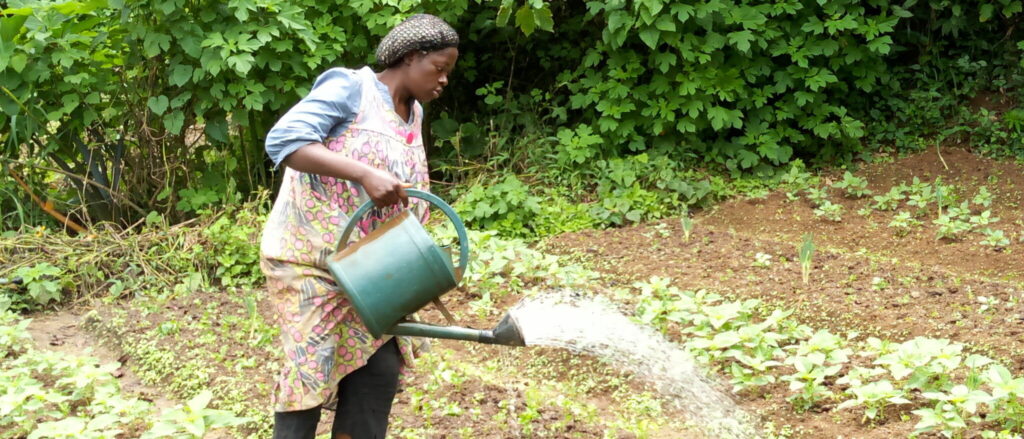
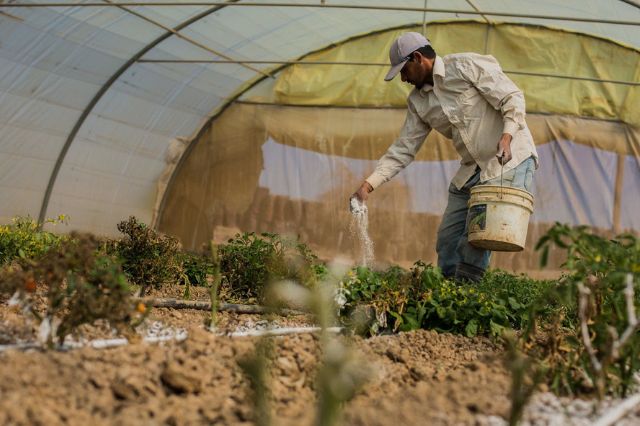
Higher fertilizer prices not only squeeze farmers’ margins but also reduce fertilizer application rates, leading to lower crop yields. While the first production season of the year has already absorbed part of the shock, a prolonged disruption could significantly affect second-season harvests, further tightening global food supplies.
The implications are substantial. According to Torero, without the Strait of Hormuz crisis, global projections suggest the number of people experiencing hunger could decline to around 503 million by 2030. If the disruption persists, however, that number could rise to 522 million, driven largely by higher energy and fertilizer costs that reduce agricultural production.
El Niño and Climbing Food Affordability Challenges
The risk of increased hunger is compounded by climate uncertainty. Forecasts of an emerging El Niño raise concerns over droughts, flooding, and shifting rainfall patterns across major food-producing regions. Historically, El Niño has been among the strongest contributors to global agricultural yield losses and food insecurity, particularly in vulnerable regions.
The UN also highlights that food security extends beyond calorie availability. Today, a healthy diet costs approximately U.S. $4.28 per person per day (adjusted for purchasing power), well above the international extreme poverty line of U.S. $3. As a result, an estimated 2.7 billion people cannot afford a healthy diet. Rising production and transport costs resulting from supply chain disruptions could widen this affordability gap even further.
Building Food System Resilience
The convergence of geopolitical conflict, fertilizer market disruptions, and climate extremes underscores the need for coordinated action. Governments should prioritize keeping global food and agricultural trade corridors open while avoiding unnecessary export restrictions that amplify market volatility.
At the same time, there is renewed urgency to accelerate investment in resilient agrifood systems. The commitments under the Comprehensive Africa Agriculture Development Program (CAADP) agenda, including greater investment in agricultural productivity, rural infrastructure, storage, irrigation, and climate adaptation, are becoming increasingly important as countries prepare for a more volatile global food environment.
The recent progress in alleviating hunger is welcome, but it remains vulnerable. For the world to continue to move toward food security, rather than slip back into a deeper global food crisis, we must preserve open trade routes, ensure continued access to agricultural inputs, and strengthen food systems against climate shocks.
Disclaimer
This article is based on information available from publicly available sources and market intelligence. While every effort has been made to verify the accuracy of the information, the authors and publishers accept no liability for any loss, damage, or disruption caused by errors, omissions, or the use of this information.