The next fertilizer crisis is inevitable.
Whether it becomes a food crisis depends on what we invest in now.
Contact Us Today
Six months ago, disruptions to one of the world’s most important trade corridors sent shockwaves through global fertilizer markets, raising wider concerns over food production and food security.
Since then, this bulletin series has tracked those developments in real time. The crisis has reminded stakeholders that fertilizer markets are a strategic commercial sector that affects harvests, farmer livelihoods, and food security. When fertilizer supply is disrupted, the consequences may not be visible immediately, but they eventually appear in fields, yields, and food markets.
Markets have gradually adjusted, but six months of monitoring the crisis has provided important lessons for governments, industry, and development partners.
Six Lessons from Six Months of Fertilizer Crisis Monitoring
1. Early Information Creates Options.
One of the clearest lessons from this crisis is that timely market intelligence matters. While the first months of the crisis were defined by uncertainty – whether fertilizer would continue to flow, how much prices would rise, whether countries would have sufficient supplies for farmers to maintain appropriate application rates – countries and institutions that closely monitored markets were better positioned to adjust procurement strategies, manage risks, and communicate with stakeholders. Information may not prevent crises, but it creates time to act.
2. Fertilizer Security and Food Security Are Inseparable.
The real concern was never the fertilizer itself, but what disrupted access could mean for food production. Agricultural calendars do not wait for markets to stabilize, and decisions on fertilizer procurement, distribution, and affordability will continue to shape harvest outcomes months later.
3. Global Shocks Require Regional and National Responses.
This global crisis generated varied regional and national responses. Some governments moved quickly to secure fertilizer supplies and strengthen distribution systems. Others introduced support measures for farmers.
India supported farmer access through subsidy and supply management measures, while China reduced fertilizer exports to prioritize domestic needs. Saudi Arabia supplied diammonium phosphate (DAP) to Ethiopia through alternative trade routes, demonstrating how bilateral arrangements can help maintain supply during disruptions. Ghana introduced a free fertilizer initiative, while Senegal strengthened market oversight and monitored inventories ahead of the cropping season.
The crisis also highlighted the risks of delayed action. Some governments waited for markets to stabilize, and in some markets, uncertainty delayed procurement and policy decisions, leaving fewer options as conditions worsened. In periods of market uncertainty, speed matters.
4. Upstream Inputs Can Become Critical Bottlenecks.
One of the most important developments of the crisis occurred outside the spotlight.
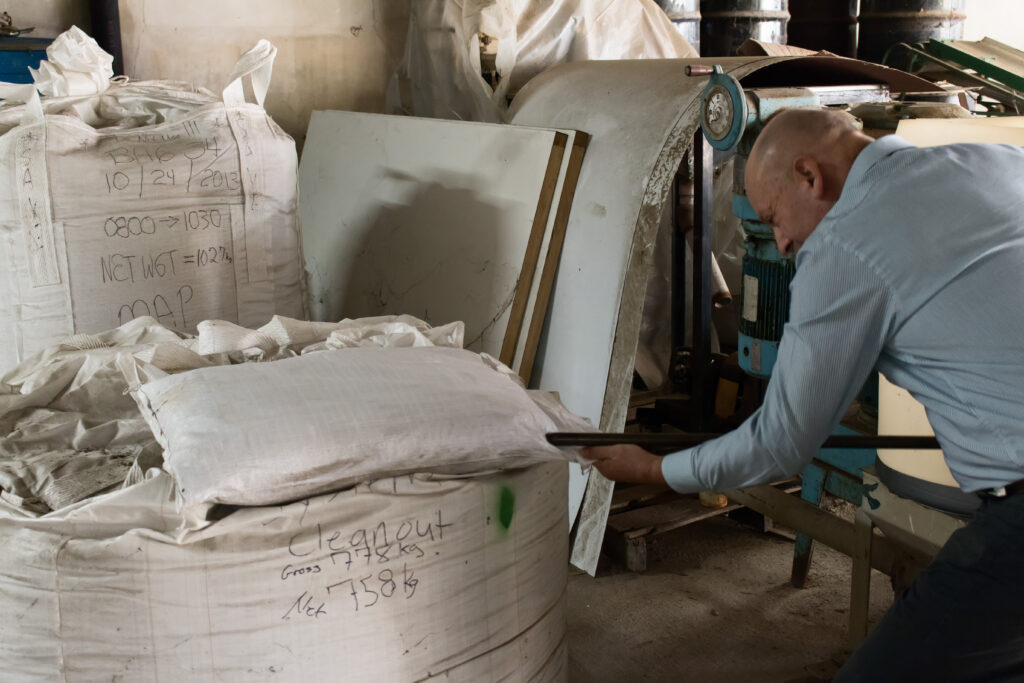
Sulfur, a critical raw material for phosphate fertilizer production, emerged as one of the tightest markets in the fertilizer value chain. Supply disruptions from the Middle East and Russia coincided with strong demand from the metals sector, pushing prices to near-record levels and constraining access to raw materials.
The consequences extended throughout the value chain. As sulfur prices surged, phosphate producers found themselves with little room to reduce fertilizer prices. In some cases, sulfur accounted for around 65% of the cash cost of producing DAP and monoammonium phosphate (MAP), compared with a historical range of only 10% to 20%.
The sulfur market disruption demonstrated how a shock to a single upstream input can ripple through the fertilizer value chain and ultimately affect fertilizer affordability for farmers.
5. Policy Decisions Can Move Markets Faster Than Production.
In many cases, government action and policy decisions became major market drivers. Regional and national actions, like those discussed above, included subsidy adjustments, procurement strategies, export restrictions, emergency interventions, and trade policies that directly influenced fertilizer availability and affordability.
The United States suspended certain duties on phosphate fertilizer imports from Morocco, citing the need to maintain reliable phosphate supplies for American agriculture. The move underscored the extent to which fertilizer availability had become a food security concern.
Fertilizer markets require faster, more adaptive policymaking when global conditions change rapidly.
6. Resilience Is No Longer Just about Supply.
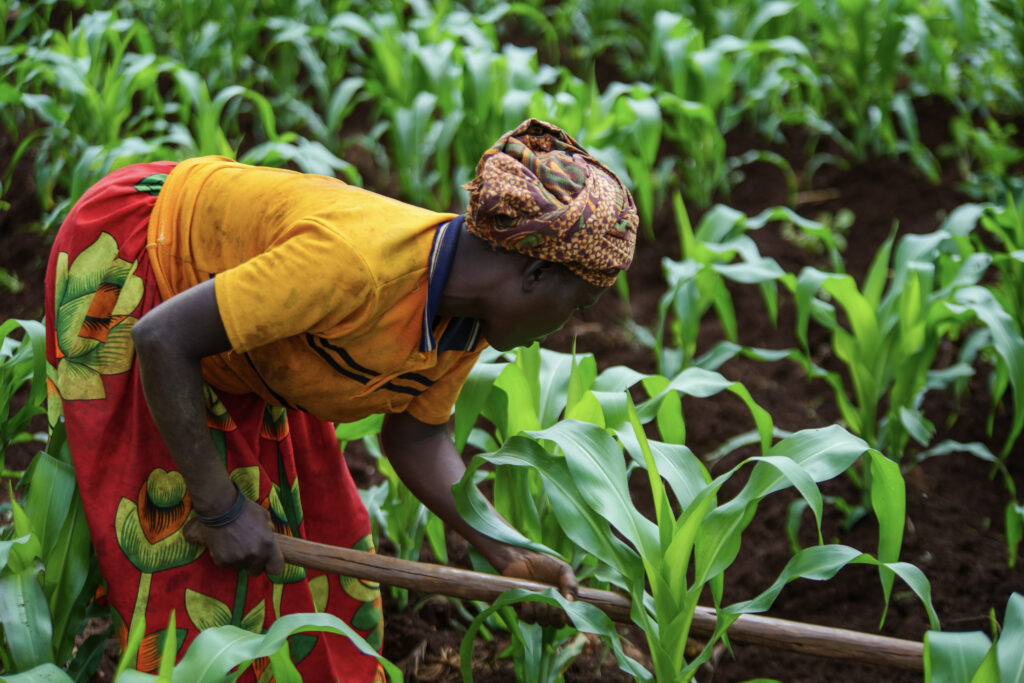
The crisis also showed that agricultural resilience cannot be measured simply by how much fertilizer is available. It depends on securing supply, ensuring nutrients can reach farmers efficiently, and improving how effectively they are used.
Governments and industry are increasingly focusing on localized blending, regional infrastructure, crop-specific nutrition programs, and enhanced-efficiency fertilizer technologies. The objective is to help farmers get more from every unit of fertilizer applied.
This shift from securing fertilizer volumes to strengthening the efficiency and adaptability of entire fertilizer systems may prove to be one of the most lasting lessons from the crisis.
What Else the Crisis Revealed
Six months ago, the focus was on managing immediate disruption. Today, the conversation is increasingly about how to prevent the next disruption from becoming a food production crisis.
The crisis exposed vulnerabilities that extend beyond fertilizer markets. Supply diversification, logistics, raw materials, climate conditions, and farmer purchasing power are all interconnected. A disruption in one part of the system can quickly affect the wider food production chain.
Fertilizer security is also inseparable from soil and climate resilience. While the agriculture sector is monitoring evolving El Niño conditions and greater weather variability, harvest outcomes will also depend on fertilizer access, soil health, seed quality, rainfall, extension services, finance, and rural infrastructure.
The Next Six Months: Preparing for What Comes Next
The next six months represent a critical window. While some immediate market pressures have eased, many of the vulnerabilities exposed by the crisis remain. The decisions made now will influence not only fertilizer markets but also food production outcomes in 2027.
Based on the six lessons and other insights from the fertilizer crisis, three priorities stand out:
- Strengthen market transparency and early warning systems so governments and businesses can anticipate disruptions and act early.
- Diversify supply chains and regional capacity through local production, blending, storage, and logistics to reduce dependence on concentrated suppliers and trade routes.
- Prioritize affordability and efficient nutrient use so farmers can access quality fertilizer at affordable prices and use it effectively, along with supportive finance, markets, advisory services, and climate-smart practices.
The Real Test Begins Now
Over six months of crisis monitoring, the Fertilizer Crisis Response Bulletins have documented uncertainty, rapid market adjustments, and policy responses across global fertilizer and agricultural markets. While the immediate shock may be receding, the vulnerabilities it exposed remain.
The next disruption may come from conflict, trade disputes, supply chain bottlenecks, energy markets, or climate shocks.
The task ahead is to build fertilizer and food systems resilient enough to withstand these and other potential future shocks. As some planting seasons end and others begin around the world, ensuring reliable and affordable fertilizer supply remains critical to food security.
Disclaimer
This article draws on insights from Fertilizer Crisis Response Bulletins #1–26, published by IFDC, AfricaFertilizer, and Sustain Africa between March and August 2026, with contributions and analysis from the Global Fertilizer Crisis Response Group and its partners. While every effort has been made to verify the accuracy of the information, the authors and publishers accept no liability for any loss, damage, or disruption caused by errors, omissions, or the use of this information.