The next fertilizer crisis is inevitable.
Whether it becomes a food crisis depends on what we invest in now.
Contact Us Today
Discussions on the Strait of Hormuz almost always center on oil. As one of the world’s most strategic maritime chokepoints, the narrow waterway carries nearly one-quarter of global seaborne oil and significant volumes of natural gas. However, another commodity moving through these waters has proved to be equally vital: fertilizer.
The ongoing disruptions in the Strait of Hormuz are rapidly evolving into a global food security emergency. Warnings from the United Nations and its Food and Agriculture Organization (FAO) as well as the World Food Programme (WFP) paint a troubling picture of interconnected supply chains where conflict at sea can ultimately determine whether millions of people have enough food to eat.
The Link between Shipping and Food
Modern agriculture depends heavily on fertilizers. Nitrogen, phosphate, and potash fertilizers are essential for maintaining the crop yields needed to feed a growing global population. The Persian Gulf region is one of the world’s largest exporters of these agricultural inputs. According to FAO, countries such as Iran, Qatar, Saudi Arabia, and Oman account for roughly 30‑35% of global urea exports and 20‑30% of ammonia exports. Additionally, up to 30% of internationally traded fertilizers typically transit the Strait of Hormuz.
But when conflict disrupted maritime traffic through the strait, fertilizer shipments slowed dramatically. Prices rose almost immediately, and uncertainty over shipping insurance, logistics, and security discouraged vessels from entering the corridor. Even where ceasefires have temporarily reduced tensions, supply chains remain fragile and shipping volumes have recovered only gradually.
Compared to oil, fertilizer supply chains are less able to absorb prolonged disruptions because inventories are generally more limited and fertilizer demand is closely tied to seasonal planting windows. Missed deliveries during planting seasons cannot simply be recovered later; farmers must either pay significantly higher prices or reduce fertilizer application, resulting in lower crop yields months later.
Today’s Fertilizer Crisis, Tomorrow’s Food Crisis
FAO has crucially pointed out that the consequences of these fertilizer shortages are largely delayed but inevitable.
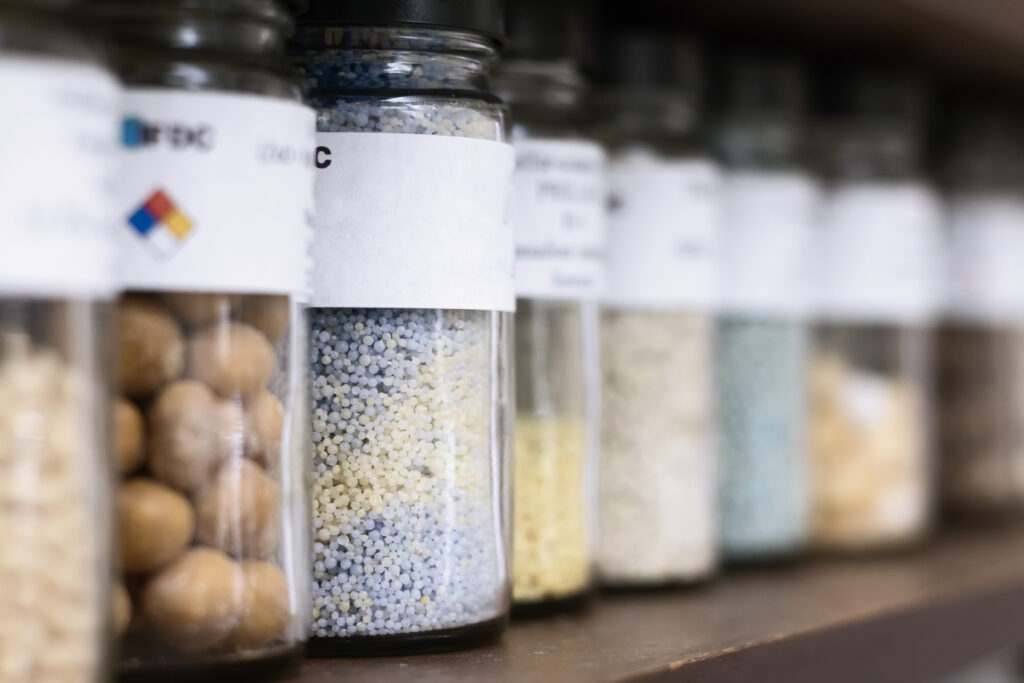
The current disruption may not immediately empty supermarket shelves, but it is affecting planting decisions being made right now. Reduced fertilizer availability means farmers are cultivating fewer hectares, applying smaller quantities of nutrients, or shifting to lower-input crops. The result will be lower agricultural production in upcoming harvests, tightening global food supplies well into 2027.
This delayed effect makes fertilizer shortages particularly dangerous. By the time food prices begin to sharply rise, the opportunity to protect crop production will have already passed.
The Poorest Countries Face the Greatest Risk
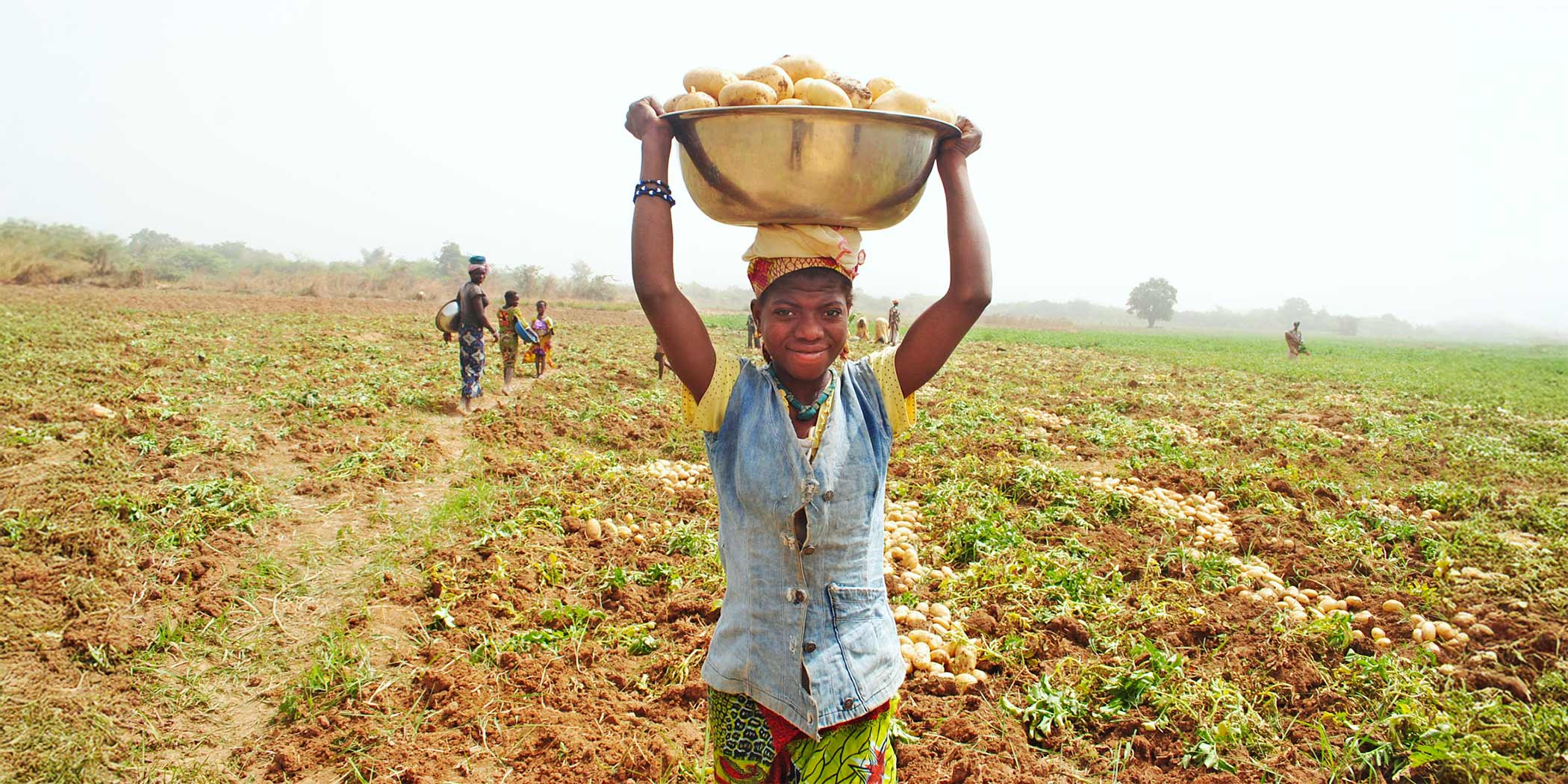
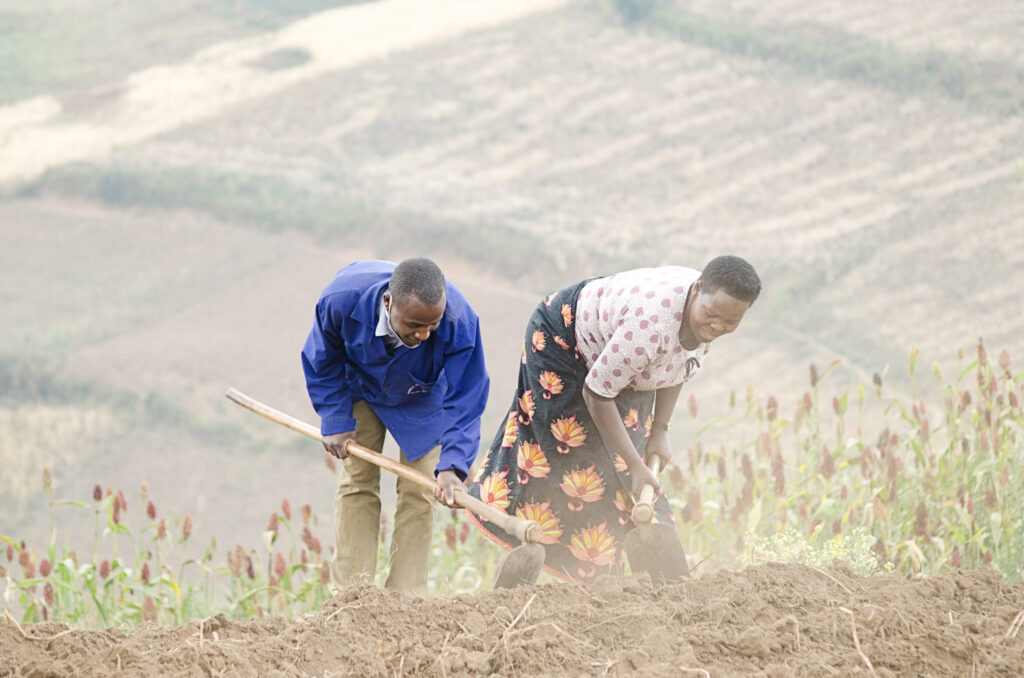
Low-income countries across Africa, South Asia, and parts of the Middle East rely heavily on imported fertilizers and have limited financial capacity to absorb price shocks. Wealthier nations can often outbid poorer countries for scarce supplies, widening inequalities in agricultural productivity and food availability.
For smallholder farmers, higher fertilizer prices translate directly into reduced production. Thus for governments already struggling with inflation, conflict, or debt, increasing food imports becomes even more difficult.
The result is a vicious cycle of declining harvests, rising food prices, and growing humanitarian needs.
Humanitarian Systems under Increasing Pressure
While the greatest impacts are yet to be seen according to FAO, the WFP has warned that the consequences of the Strait of Hormuz crisis are already affecting the most vulnerable populations.
The WFP indicates that what began as a geopolitical crisis is rapidly becoming a humanitarian crisis. For households already spending most of their income on food, even modest price increases can force impossible choices between meals, healthcare, education, and other essentials.
Across conflict-affected regions in the Middle East, millions of families are facing worsening hunger as food prices start to climb and humanitarian operations simultaneously become more expensive to run. Rising fuel costs, disrupted logistics, and constrained funding are limiting the ability of humanitarian agencies to deliver food assistance precisely when the need for it is increasing.
These immediate humanitarian pressures also highlight the broader reality: disruptions to fertilizer supply chains are not only impacting vulnerable populations and emergency food assistance today, but they are also undermining agricultural production and food availability in the months ahead, as FAO has indicated.
Food Security Is National Security
The Strait of Hormuz crisis demonstrates how tightly connected global systems truly are.
Energy markets, fertilizer production, agricultural output, shipping routes, humanitarian operations, and household food security are not isolated challenges; they operate as one interconnected network where disruption in a single maritime corridor can ripple through economies worldwide.
FAO has repeatedly stressed that protecting fertilizer supply chains should be treated as a global priority, not an agricultural concern alone. Coordinated diplomatic action, diversified fertilizer production, strengthened regional supply chains, and investment in resilient farming systems will all be essential to reducing future vulnerability.
The Road Ahead for Global Food Security
While oil prices often garner the most attention during geopolitical crises, the greater long-term risk may lie in food production.
Fertilizer shortages today will influence harvests months from now. Smaller harvests will tighten global supplies, increase food inflation, and deepen hunger among populations already facing economic hardship and conflict.
The warnings issued by the United Nations, FAO, and the WFP converge on one central message: safeguarding the flow of fertilizer to farmers is fundamental to safeguarding global food security.
The Strait of Hormuz is more than an energy corridor – it is a lifeline for global agriculture. Protecting that lifeline is essential not only for markets, but for the millions of people whose daily meals depend on resilient and uninterrupted food systems.
Disclaimer
This analysis is based on information compiled from publicly available sources and market intelligence. While every effort has been made to verify the accuracy of the information, the authors and publishers accept no liability for any loss, damage, or disruption caused by errors, omissions, or the use of this information.