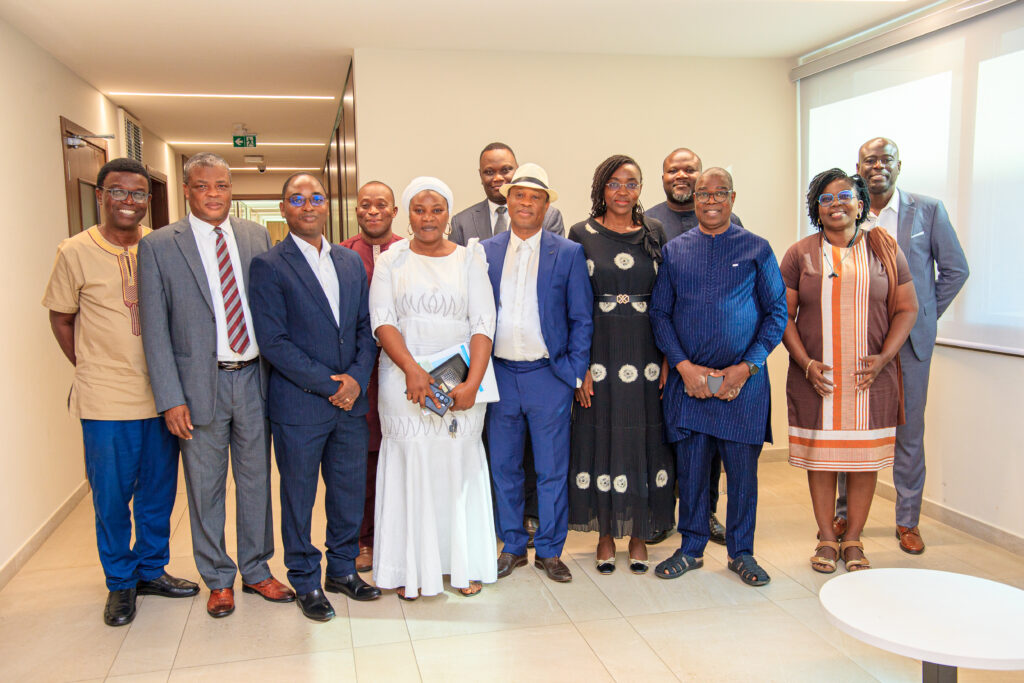
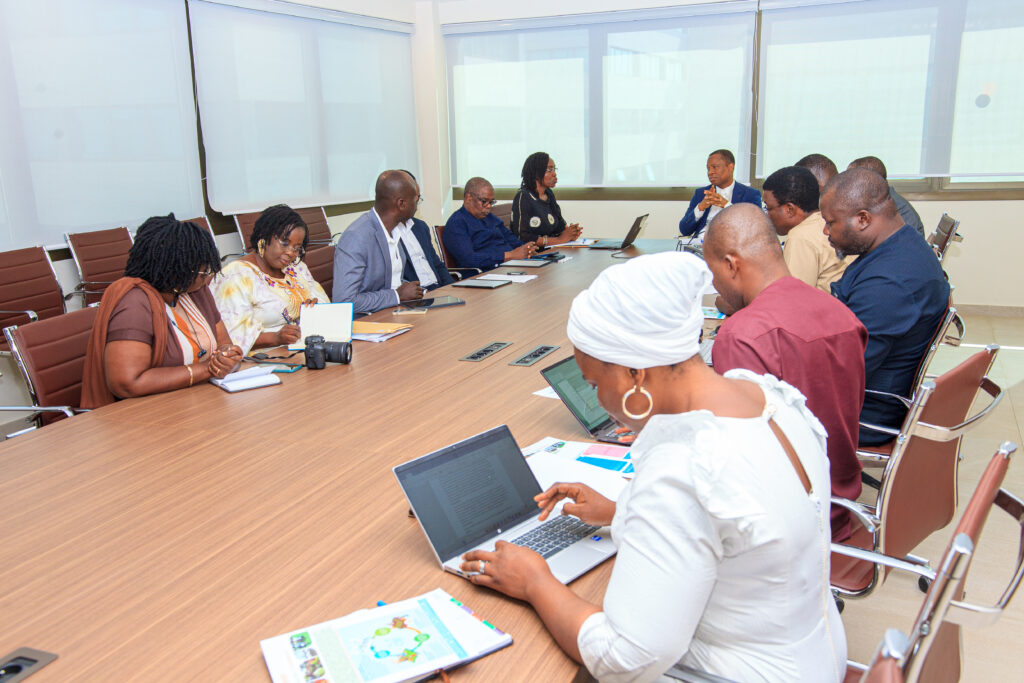
A high-level meeting on July 21 in Cotonou reaffirmed the strategic partnership between IFDC and Benin’s Ministry of Agriculture, Livestock, and Fisheries (MAEP) and invited new perspectives for sustainable soil fertility, food security, and inclusive value chain development.
For over twenty years, IFDC and MAEP have worked side by side toward a more productive, competitive, and sustainable agriculture sector. Behind this partnership are concrete results: farmers better equipped to manage soil fertility, value chains more connected to markets, digital tools supporting advisory services, and stronger collaboration with national institutions.
The conversation between the two groups reviewed more than two decades of teamwork and success. Then, building on the progress they have already achieved together, IFDC and MAEP opened a new collaborative chapter in support of Benin’s agricultural transformation.
“Looking ahead, we see strong opportunities to deepen this partnership and support Benin in building more resilient, inclusive, and sustainable agricultural systems.”
Adodo Abalo, IFDC’s Director of Growth and Partnerships for Coastal West Africa
Led by Rassidatou Moustafa, IFDC’s Country Representative for Benin, the IFDC delegation reconfirmed its commitment to national agricultural priorities.
Representing Minister of Agriculture Adin Yeton Bloukounon Goubalan, Chief of Staff and Director of the Cabinet Dr. Dossa Aguemon welcomed the delegation and acknowledged IFDC for its longstanding contributions to the development of Benin’s agriculture sector.
Ousmane Ouédraogo, IFDC’s Chief of Party for the Communal Approach to the Agricultural Market in Benin, Phase 3 (ACMA3) program, and Adodo Abalo, IFDC’s Director of Growth and Partnerships for Coastal West Africa, highlighted key results achieved closely with MAEP.
These included support for soil fertility and nutrient deficiency mapping, the development of improved fertilizer recommendations for maize, collaboration with national research institutions, and strengthened partnerships with agricultural agencies and services across the country.
Their remarks underscored both the practical results already achieved through the partnership and the opportunities to deepen collaboration in support of Benin’s agricultural transformation.
“Through ACMA3, we have seen how a market-oriented approach can transform agricultural value chains when farmers, producer organizations, private sector actors, and public institutions work together,” said Ousmane Ouédraogo. “Our collaboration with MAEP has been essential in strengthening these links and ensuring that the results contribute directly to Benin’s agricultural priorities.”
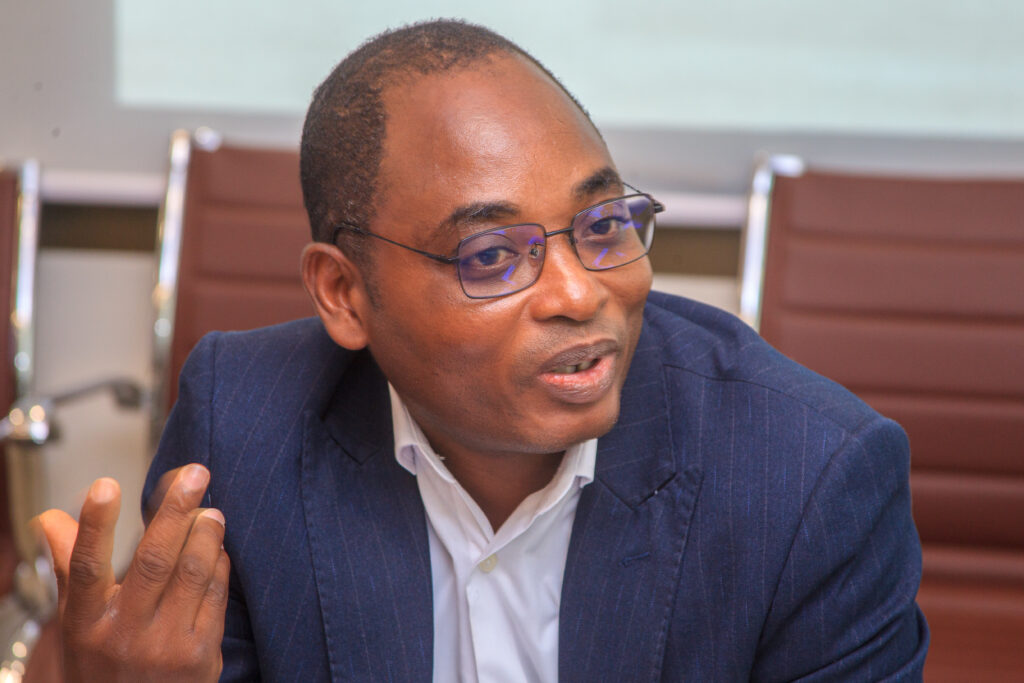
“The partnership between IFDC and MAEP has delivered concrete progress over the past two decades, particularly in soil fertility management, fertilizer recommendations, digital advisory tools, and institutional collaboration,” said Adodo Abalo. “Looking ahead, we see strong opportunities to deepen this partnership and support Benin in building more resilient, inclusive, and sustainable agricultural systems.”
A central topic of discussion was the ACMA3 program, which contributes to the development of inclusive, market-oriented agricultural value chains. Through its work with farmers, producer organizations, private sector actors, and public institutions, ACMA3 has helped reinforce the links between production, market access, and agricultural advisory services.
The meeting also showcased progress in digital innovation for agriculture. Platforms such as e-Conseil Agricole (or Agricultural e-Consulting) and the Market Information System have helped improve access to information and advisory services. MAEP’s institutionalization of the Market Information System, for example, is an important milestone, reflecting how tools developed through collaboration can become part of national systems and serve farmers and value chain actors more sustainably.
Looking ahead, IFDC and MAEP focused on new joint opportunities. Among them is a future project on the sustainable intensification of legume-based production systems, financed by the Islamic Development Bank (IsDB) and expected to begin in 2027.
Covering several agricultural development zones, the initiative aims to restore and improve soil fertility through integrated solutions such as organic amendments, biofertilizers, and approaches to address soil acidity. For Benin this program represents another step toward more resilient production systems, improved food security, and sustainable land management.
IFDC also reiterated its readiness to support MAEP in preparing Benin’s national proposal to the Global Agriculture and Food Security Program (GAFSP), with a consortium of partners. IFDC also emphasized the importance of conducting a national Fertilizer Sector Review to provide the country with a comprehensive diagnostic and an investment roadmap aligned with regional commitments.
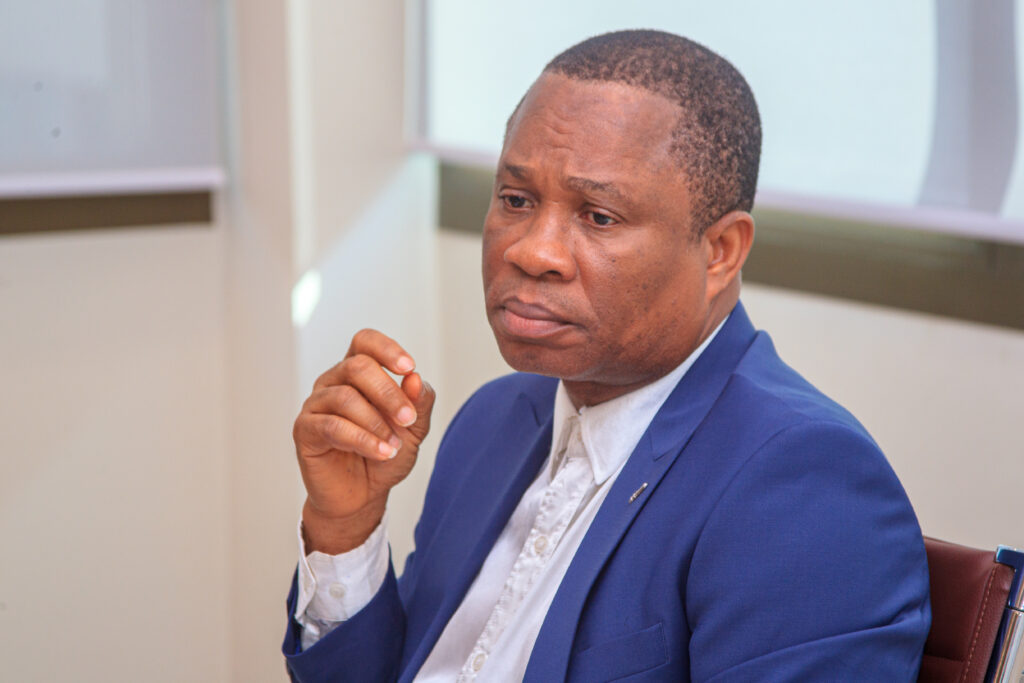
Dr. Aguemon expressed MAEP’s interest in these soil studies and analyses, as well as soil testing kits for farmers in the future.
Additionally, IFDC and MAEP examined ways to support the poultry value chain in the future. Building on ACMA3’s achievements in poultry, maize, and soybean, IFDC explored how its expertise could help strengthen the connection between crop production and feed supply systems, supporting broader investments in the poultry sector and contributing to food and nutrition security.
Dr. Aguemon commended the quality of IFDC’s work and indicated MAEP’s willingness to not only continue but deepen their partnership.
The meeting ended with a shared sense of trust, continuity, and ambition. For IFDC and MAEP, the path forward is clear: to continue working together to promote sustainable soil fertility management, resilient production systems, food security, and inclusive agricultural value chains that create opportunities for farmers and contribute to Benin’s agricultural transformation.