The next fertilizer crisis is inevitable.
Whether it becomes a food crisis depends on what we invest in now.
Contact Us Today
Global Food and Fertilizer Systems: No Longer Fit for Purpose
The challenges facing global food and fertilizer systems are multiple and complex. A clear signal has been sent to the agricultural community: our systems are structurally fragile, undercoordinated, and too often exposed to shocks. The right response must combine short-term stabilization with deeper structural reform.
“The message is clear: conventional approaches are no longer sufficient. Food security is not just about inputs – it is about systems. Farmers need support today…”
Øystein Botillen, Yara International Director of Strategic Partnerships
Immediate Priorities
In the near term, emergency support remains critical in many regions. We must continue to support farmers but avoid harmful market-distorting subsidies. More can be achieved through smarter market-aligned interventions. This means shifting from blanket subsidies to targeted, transparent mechanisms designed to improve fertilizer use efficiency and maintain functioning supply chains.
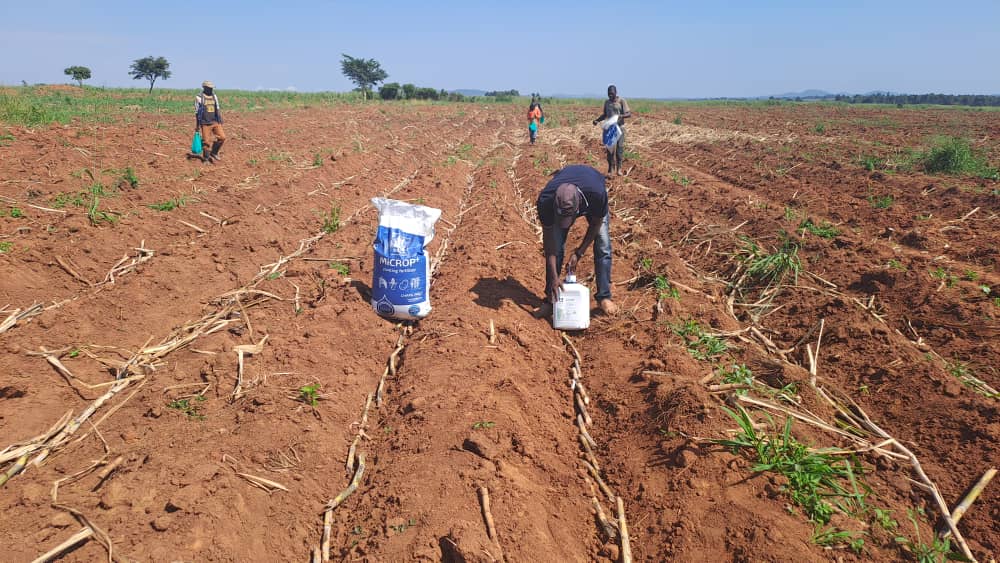
Efforts must include investing in farmer training, strengthening local storage and logistics, and improving last-mile delivery while ensuring it reinforces, rather than crowds out, private sector distribution. Last-mile access is critical.
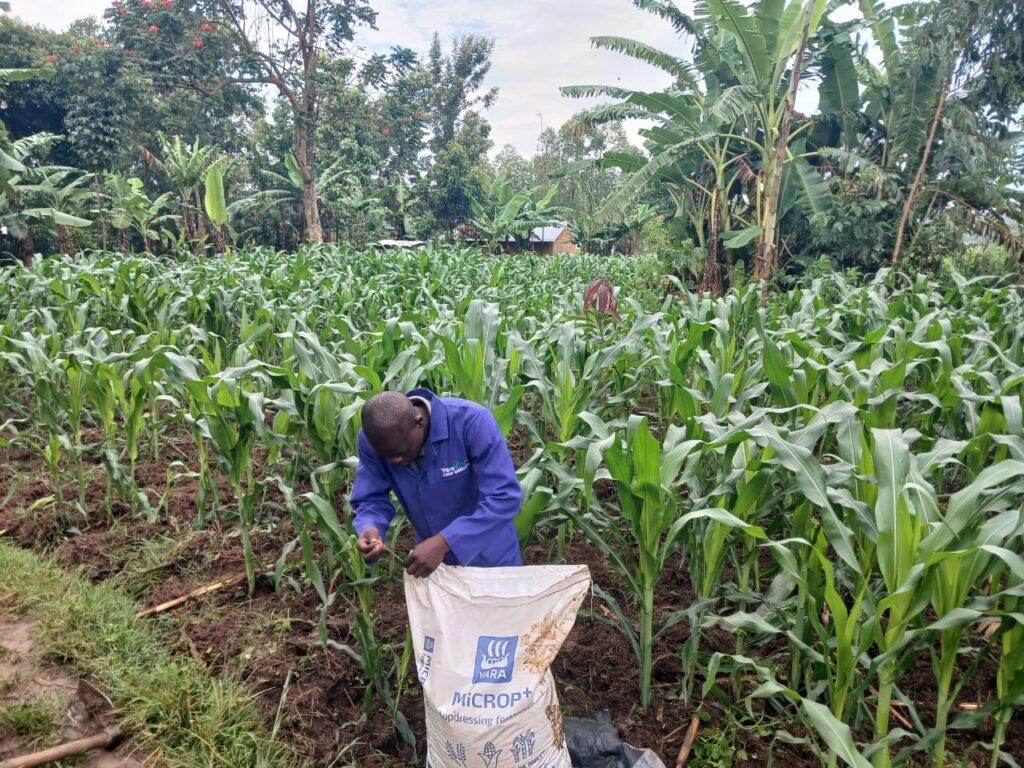
Ideally, support should also be linked to balanced crop nutrition and soil health outcomes, not simply fertilizer volumes. The situation in Kenya illustrates the opportunity: using quality multi-nutrient fertilizers alongside good agricultural practices and targeted soil measures on just 30% of area planted with maize could close the country’s deficit of 12 million bags of fertilizer. This demonstrates the power of an integrated approach.
Sustaining Soil Fertility
At the same time, we must take a longer-term view. The global food system will remain fundamentally dependent on nutrients and healthy soils – the building blocks of agricultural productivity. As nutrients leave the soil with every harvest, they must be replenished appropriately. Today, roughly half of the global population depends on food produced with fertilizer. Yet both production and use of these inputs must evolve to improve effectiveness while reducing environmental and climate impacts.
Building Resilient Nutrient Supply Systems
The question is how can we build resilient nutrient supply systems that are less exposed to volatility while improving efficiency and farm profitability. One promising approach is the commodity cluster compact, which brings together farmers, input suppliers, offtakers, financial institutions, governments, and development partners around a specific commodity system.
Rather than fragmented projects or isolated subsidies, these compacts provide structured mechanisms to coordinate actors, share risk, align public support with private investment, and identify scalable opportunities. They address fertilizer access, soil health, finance, markets, and policy reform holistically.
Toward a New Plant Nutrition Paradigm
The current environment points to the need for a new plant nutrition paradigm – more integrated, diversified, and data-driven. Achieving this will require uncommon collaboration. Governments, development finance institutions, and industry must co-create a new foundation, with the private sector playing a stronger role in addressing bottlenecks.
In Africa in particular, there is a need to assess energy access, infrastructure, and raw materials and, where viable, to incentivize domestic and regional production aligned with local agricultural demand. At the same time, investment in soil data, farm-level intelligence, and science-based systems is essential. Artificial intelligence (AI) and digital tools will increasingly offer crop- and region-specific nutrient strategies tied to productivity, processing, and job creation.
From Input Security to System Resilience
The message is clear: conventional approaches are no longer sufficient. Food security is not just about inputs – it is about systems. Farmers need support today, but that support must strengthen markets, improve efficiency, crowd in private investment, and lay the foundation for resilient science-based systems that sustain productivity and profitability over the long term.
Disclaimer
This blog reflects the personal opinion of the author. While based on information compiled from multiple publicly available sources and market intelligence, and with every effort to verify the accuracy of the information, the author and publishers accept no liability for any loss, damage, or disruption caused by errors, omissions, or the use of this information.
About Øystein Botillen

Øystein Botillen is a senior leader in strategic partnerships and global initiatives at Yara International, where he focuses on developing innovative collaborations and business models to advance sustainable agriculture, particularly across Africa.
With more than 25 years of experience working on the continent, he has played a key role in the co-development of initiatives such as the Southern Agricultural Growth Corridor of Tanzania (SAGCOT), CocoaSoils, the Tanzania Sustainable Soybean Initiative, and Yara’s Action Africa. Botillen’s work is driven by a commitment to building scalable partnerships that strengthen food systems, empower smallholder farmers, and deliver long-term economic and environmental impact.