The next fertilizer crisis is inevitable.
Whether it becomes a food crisis depends on what we invest in now.
Contact Us Today
For decades, food security discussions have been framed around a fundamental question: Can we produce enough food to feed a growing population?
That question remains important. But across West Africa, another question is becoming increasingly relevant: Can the region’s food and agricultural systems keep pace with what people need and want to eat?
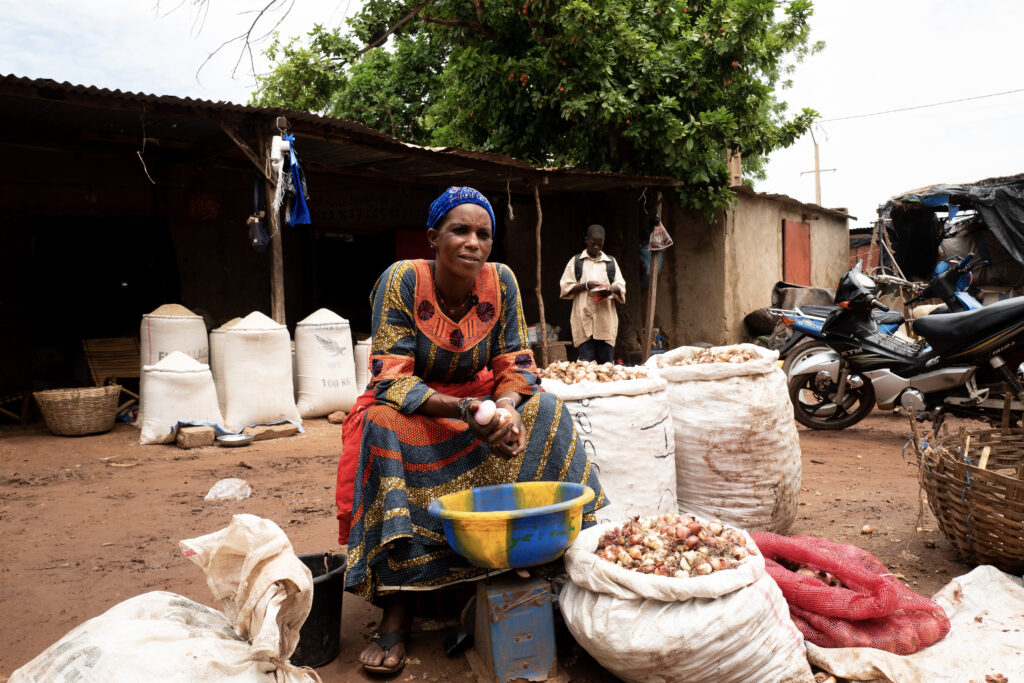
The diets of West African people are evolving. Evidence from Mali illustrates the pace of change. Between 2015 and 2019, fruit consumption doubled while vegetable consumption increased from approximately four to five days per week, reflecting a broader trend toward more dietary diversity. Urbanization, rising incomes, and changing lifestyles are increasing the demand for a wider range of foods. Yet access to diverse and nutritious foods remains limited for many households, and healthy diets are often beyond their financial reach.
This is more than a nutrition issue. It is a food system issue.
For the fertilizer and soil health community, this matters. The fertilizer crisis continues to highlight how disruptions in geopolitics, energy markets, logistics, and agricultural input supply chains can quickly threaten agricultural production. But beyond protecting production, resilient food systems must also respond to changing demand and deliver diverse, nutritious foods to consumers.
West Africa’s Food Transition Is Already Underway
The food environment across West Africa is changing rapidly.
Research from the Organisation for Economic Co-operation and Development (OCED) Sahel and West Africa Club (SWAC) shows that urbanization, economic growth, and changing lifestyles are transforming how people consume food. Diets are becoming more diverse in some countries, as consumers are increasingly exposed to processed foods and new food outlets, including supermarkets, restaurants, kiosks, and street vendors.
The Global Alliance for Improved Nutrition (GAIN) and the OECD/SWAC have found that the consumption of unhealthy and ultra-processed foods in West Africa remains relatively low although it is increasing. Sales of ultra-processed foods are growing particularly rapidly in Côte d’Ivoire and Nigeria.
This means the region still has an opportunity to shape its food transition by expanding access to nutritious foods while preserving existing strengths.
The Bigger Gap Is Dietary Diversity
Despite comparatively low consumption of unhealthy foods, dietary diversity remains limited across much of West Africa.
The gap is particularly significant among women and young children. In five countries, less than 15% of children ages 6-23 months meet minimum dietary diversity standards. Among women ages 15-49, dietary diversity is also low in several countries.
Consumption of nutrient-rich foods is also inadequate. In 10 West African countries, national availability of fruits and vegetables remains below the World Health Organization benchmark of 400 grams per person per day.
The issue is not simply consumer choice. For many households, diverse, nutritious foods are not consistently available or accessible enough for regular consumption.
Affordability Determines What Reaches the Plate
Availability is only part of the equation.
A GAIN analysis estimates that a healthy diet in West Africa costs 3.6 times more than an energy-sufficient diet. In 10 countries, more than half of the population cannot afford a healthy diet, while in Niger and Nigeria the proportion exceeds 75%.
For households with limited purchasing power, food choices are made with consideration for price, availability, convenience, and shelf life. Fruits, vegetables, and animal-source foods can be more difficult to access regularly, particularly where seasonal production, weak storage systems, transport constraints, and high transaction costs increase their cost along the supply chain.
Thus, the opportunity is to make nutritious food more accessible and affordable.
That requires looking beyond the farm.
Connecting Farms to the Foods Consumers Need
Before food reaches households, it passes through traders, transporters, processors, wholesalers, and retailers, often crossing borders along the way.
The GAIN analysis shows that intra-regional trade already plays an important role in supplying foods associated with diverse diets. In some markets, regional imports account for substantial shares of foods such as plantain, avocado, yam, fish, and cassava.
These connections allow food to move between production areas and growing centers of demand, helping expand availability and smooth seasonal shortages.
But the benefits depend on how efficiently food can move through the system. Poor transport networks, inadequate storage and cold chain infrastructure, fragmented markets, and high transaction costs can make nutritious, perishable foods more expensive for consumers. At the same time, changing markets can increase access to processed foods.
What Does This Mean for Agriculture?
Changing diets create new opportunities for agriculture.
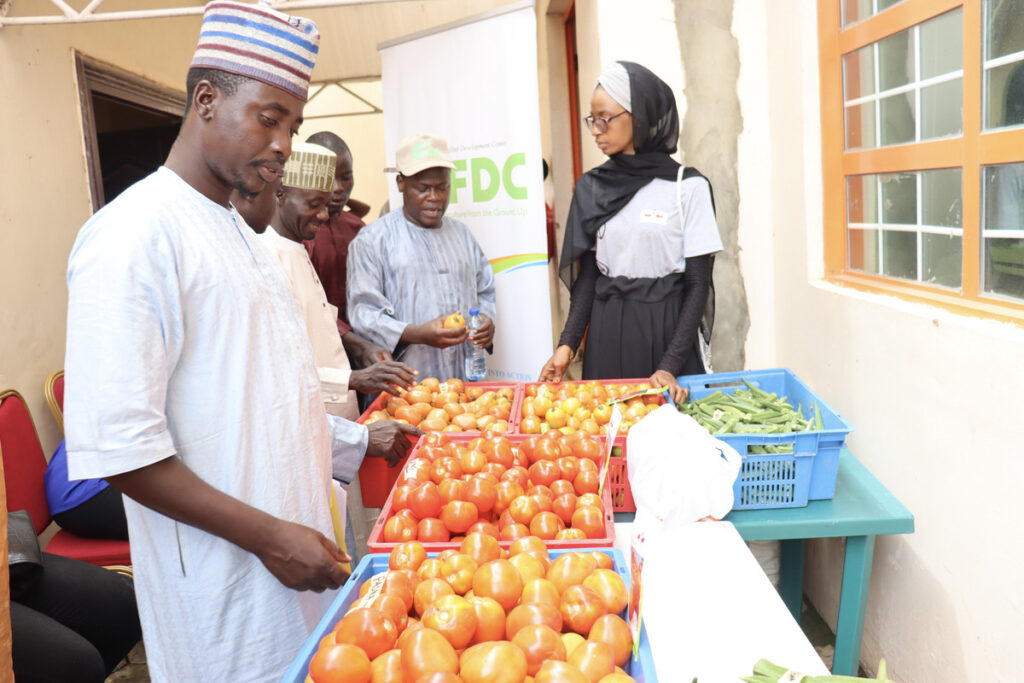
Staple crops will remain central to food security, but growing demand for fruits, vegetables, legumes, and animal-source foods offers opportunities to diversify production and strengthen connections between farmers and consumer markets.
Responding to these opportunities requires productive and resilient agricultural systems. Farmers need access to seed, fertilizer, water, agronomic knowledge, finance, and market information. Producers of perishable foods also need storage, processing, and transport infrastructure to get products to market while retaining their quality and value.
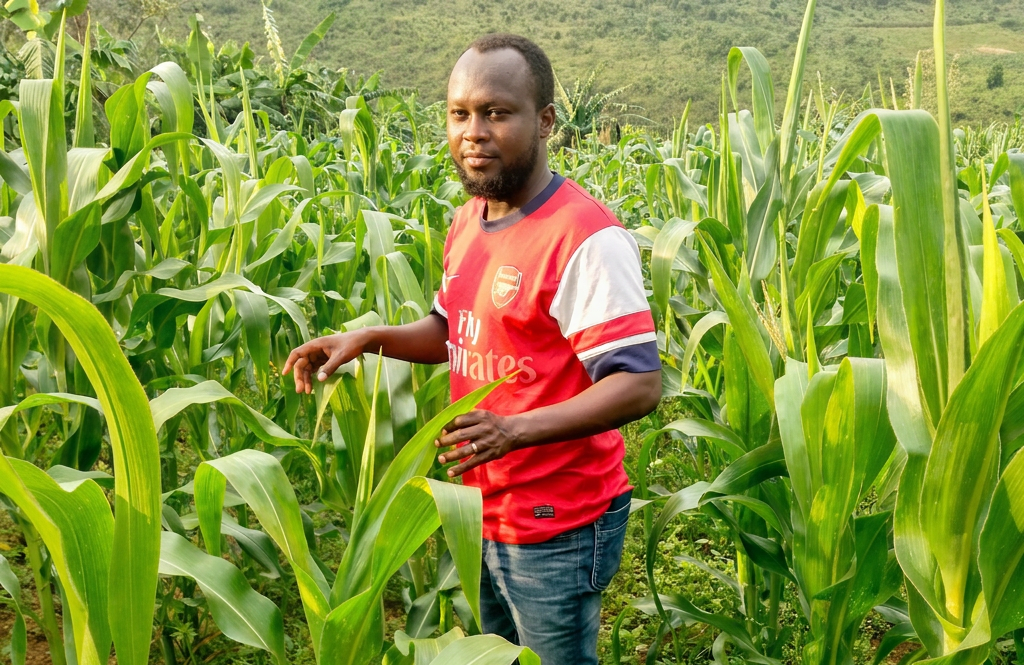
Healthy soils underpin this productivity. As consumer demand evolves, farmers must be able to produce a wider range of crops while maintaining yields, profitability, and resilience. Sustaining soil fertility, improving nutrient-use efficiency, and adopting integrated soil health approaches will therefore be essential to support more diversified food systems.
The objective is not merely to increase agricultural output. Rather, it is to strengthen farmers and food systems to respond to changing demand productively, profitably, and sustainably.
Shaping the Next Food System
West Africa enters this transition with both constraints and opportunities.
Dietary diversity remains limited, particularly among young children. Nutrient-rich foods are not sufficiently available or consumed in many countries, and healthy diets remain unaffordable for a large share of the population. Seasonal variability, inadequate storage and cold chain infrastructure, transport issues, fragmented markets, and high transaction costs can further restrict access to diverse, nutritious foods.
Yet the region also retains an important advantage: Consumption of unhealthy and ultra-processed foods remains relatively low compared with many other parts of the world.
This creates an opportunity to shape the direction of dietary change rather than simply react to it.
The agriculture sector must plays a central role in this. Farmers need the tools and resilience to supply a more diverse food basket. Markets need to connect production with consumers efficiently. Regional trade can help move food across seasons and borders. Infrastructure can reduce losses and transaction costs. Better data can help policymakers and businesses understand where demand, production, and food flows are changing.
While the evidence discussed here originates in West Africa, the lesson extends beyond the region. Wherever diets are changing, food systems must adapt – not only by increasing production but by connecting farmers, markets, and consumers to support healthier, more diverse diets.
The opportunity is therefore to prepare agriculture and food systems for the diets of tomorrow. As consumer preferences evolve and urban populations grow, countries that strengthen soil health, nutrient management, market connectivity, infrastructure, and access to nutritious foods will be better positioned with food systems that are productive, resilient, and able to support healthier diets for future generations.
Disclaimer
This article is based on information from publicly available sources and market intelligence. While every effort has been made to verify the accuracy of the information, the authors and publishers accept no liability for any loss, damage, or disruption caused by errors, omissions, or the use of this information.
Sources