
The next fertilizer crisis is inevitable.
Whether it becomes a food crisis depends on what we invest in now.
Contact Us Today
Industry Perspectives from Export Trading Group (ETG)
The recent fertilizer crisis has been one of the most challenging periods for the global fertilizer industry in recent memory. A volatile mix of geopolitical shocks, energy constraints, and export restrictions has sent prices climbing and left regional supplies precarious. For anyone who grows food or helps farmers get what they need, the last few months have been a deeply worrying demonstration of how vulnerabilities far away in a supply chain directly impact the soil beneath a farmer’s feet.
Understanding what triggered the current situation is essential, not only to explain today’s market but also to prepare the industry for future shocks.
The Chokepoints that Triggered the Squeeze
Most of the immediate pressure stems from supplying and transit vulnerabilities in the Middle East. A significant portion of the world’s fertilizer and raw materials pass through the critical chokepoint of the Strait of Hormuz. When that route is disrupted, a substantial share of global supply is effectively removed from the market.
The situation has been exacerbated by several major fertilizer manufacturing hubs facing operational pauses: Iran halted ammonia production, Qatar experienced localized output disruptions, and India reduced its own production due to curtailed natural gas allocations.
Structural constraints in other key producing regions further tightened global supplies. China, a cornerstone of global urea and phosphate supply, significantly curtailed export volumes to prioritize domestic agricultural needs – a policy expected to remain in place until later in the summer.
Meanwhile, European nitrogen producers continue to operate below capacity as persistently high natural gas prices undermine production economics. Against an already tight market backdrop, these overlapping disruptions have pushed global fertilizer supplies into an increasingly critical position.
The Real Impact in the Field: African Realities
The macroeconomic impacts of the fertilizer crisis were swift and severe. Urea prices doubled within months, surging past $900 per ton – the highest level recorded since the peak of the 2022 crisis. While phosphates and potash followed a slightly less steep trajectory, global price indices had reached multi-year highs by the spring.
For a farmer, these are not abstract market metrics. Fertilizers represent the single largest variable input cost in crop production. When input prices double but commodity grain prices remain flat, profit margins are rapidly eroded, placing significant pressure on farm viability.

The impact of these cost pressures has been uneven. Across the continent, local experiences illustrate how global supply disruptions and higher input costs are translating into reduced agricultural production and heightened food security risks:
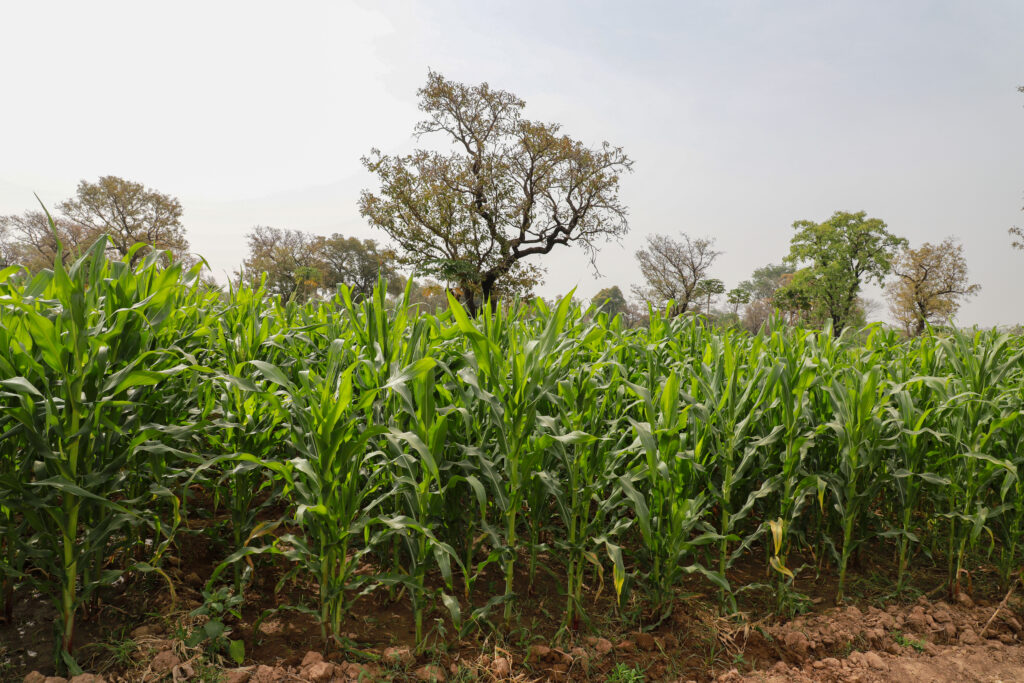
- Tanzania: In key southern highland grain baskets like Mbeya and Songea, smallholders have been hit hard by the timing of the price spike. With urea skyrocketing right as the top-dressing season approached, many farmers reduced application rates or delayed fertilizer use altogether. As local distributors faced steep financing costs to secure imports, stock did not reach the interior in time, raising concerns over maize yields and contributing to higher prices of local food staples.
- Kenya: In western maize-growing regions like Trans-Nzoia and Uasin Gishu, the high cost of imported planting fertilizers such as diammonium phosphate (DAP) forced tough choices. While government subsidy programs attempted to cushion the blow, access to subsidized fertilizer through cooperatives remained inconsistent. Farmers who could not secure subsidized stock either reduced their acreage or forewent basal fertilizer applications, risking lower yields for the upcoming harvest.
- Zambia: For the country’s crucial commercial and smallholder maize sectors, the price spike disrupted national procurement and distribution programs. Rising global prices stretched government and private import budgets thin, resulting in late-season deliveries in Central and Southern provinces. Delays such as late nitrogen application beyond the crop’s optimal vegetative growth stage can significantly reduce yield potential, causing losses that cannot be fully recovered later in the season.
- Côte d’Ivoire and West Africa: The crisis directly threatens the cash crop cycles that anchor the region’s economy. In the cocoa belts, where specific nutrient timing dictates bean quality and tree health, high costs and inconsistent shipments mean farmers are deferring soil fertility management. Maintenance fertilizer applications are often the first expense to be cut during periods of high input costs – a decision that can undermine cocoa yields, reduce bean quality, and weaken long-term farm incomes.
Missed or reduced fertilizer applications today translate into smaller harvests, tighter profit margins, and greater food insecurity in the months ahead.
Moving Beyond Bulk Commodities: The Path Forward
If this crisis has proven anything, it is that a fertilizer supply chain built primarily on long-distance bulk commodity trade is no longer resilient. Moving generic products across oceans is no longer sufficient to safeguard global food production. The industry must shift from a commodity-driven business model to a highly localized, agronomy-led approach.
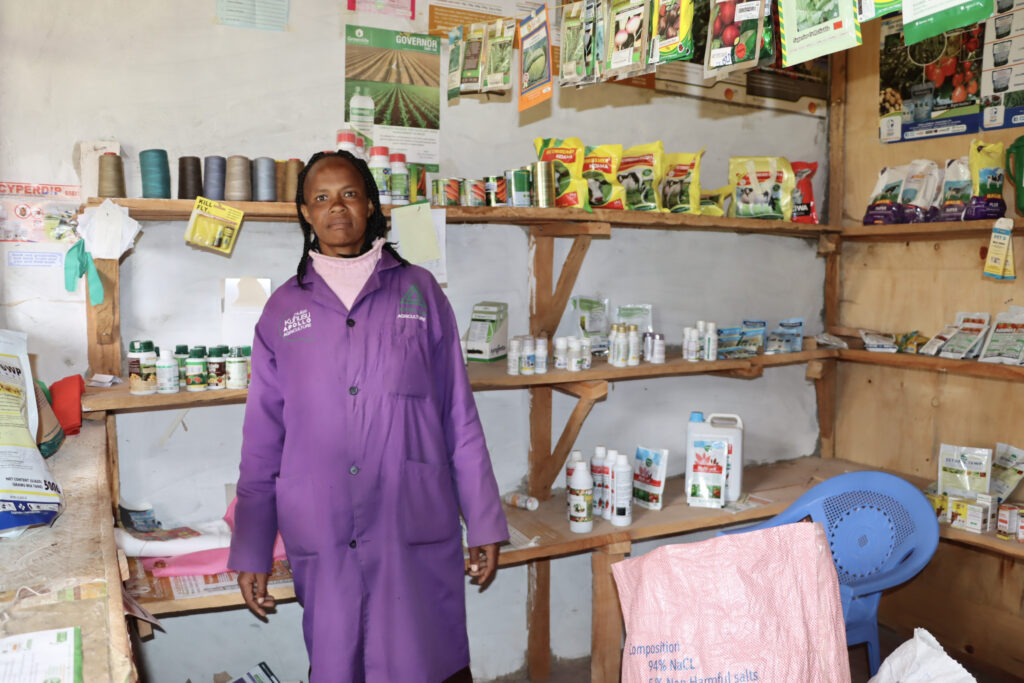
Building resilience against future supply shocks will require action across three key areas:
- Localized Blending and Regional Infrastructure: Reducing dependence on imported finished fertilizers begins with bringing production closer to farmers. Investing in regional granulation hubs and localized blending facilities, particularly across East Africa, would enable the efficient importation of raw materials while allowing fertilizers to be blended and customized closer to end users. This strategy would significantly cut lead times and logistics costs and strengthen regional supply resilience.
- Crop-Specific Nutrition over Blanket Application: Uniform fertilizer recommendations are agronomically inefficient and increasingly uneconomical. A pivot to an agronomy-led sales model is required. Targeted soil analysis and tailored nutrient blends for crops such as maize and coffee can improve nutrient-use efficiency and help farmers maximize returns on every kilogram of fertilizer applied.
- Adopting Enhanced Efficiency Technologies: Scaling up the adoption of next-generation solutions, such as advanced water-soluble nitrogen, phosphorus, and potassium (NPK) fertilizers, biostimulants, and nano-fertilizer technologies, is no longer optional. These technologies have the potential to deliver comparable or higher yields while reducing application rates, improving nutrient use efficiency, and helping farmers manage the impact of persistently high global fertilizer prices.
Looking Ahead
While fertilizer markets have historically stabilized as new production capacities come online and supply chains adjust, the lessons of this year should prompt new action.
Building a more resilient agriculture sector will require a stronger commitment to precision nutrient management and supply chains that can adapt to disruption without failing. By investing in regional manufacturing infrastructure and empowering farmers with better agronomic knowledge and locally tailored solutions, the industry can strengthen its ability to withstand future shocks and can help ensure that food production remains secure – regardless of future geopolitical or market disruptions.
Disclaimer
This analysis is based on information compiled from publicly available sources and market intelligence. While every effort has been made to verify the accuracy of the information, the authors and publishers accept no liability for any loss, damage, or disruption caused by errors, omissions, or the use of this information.